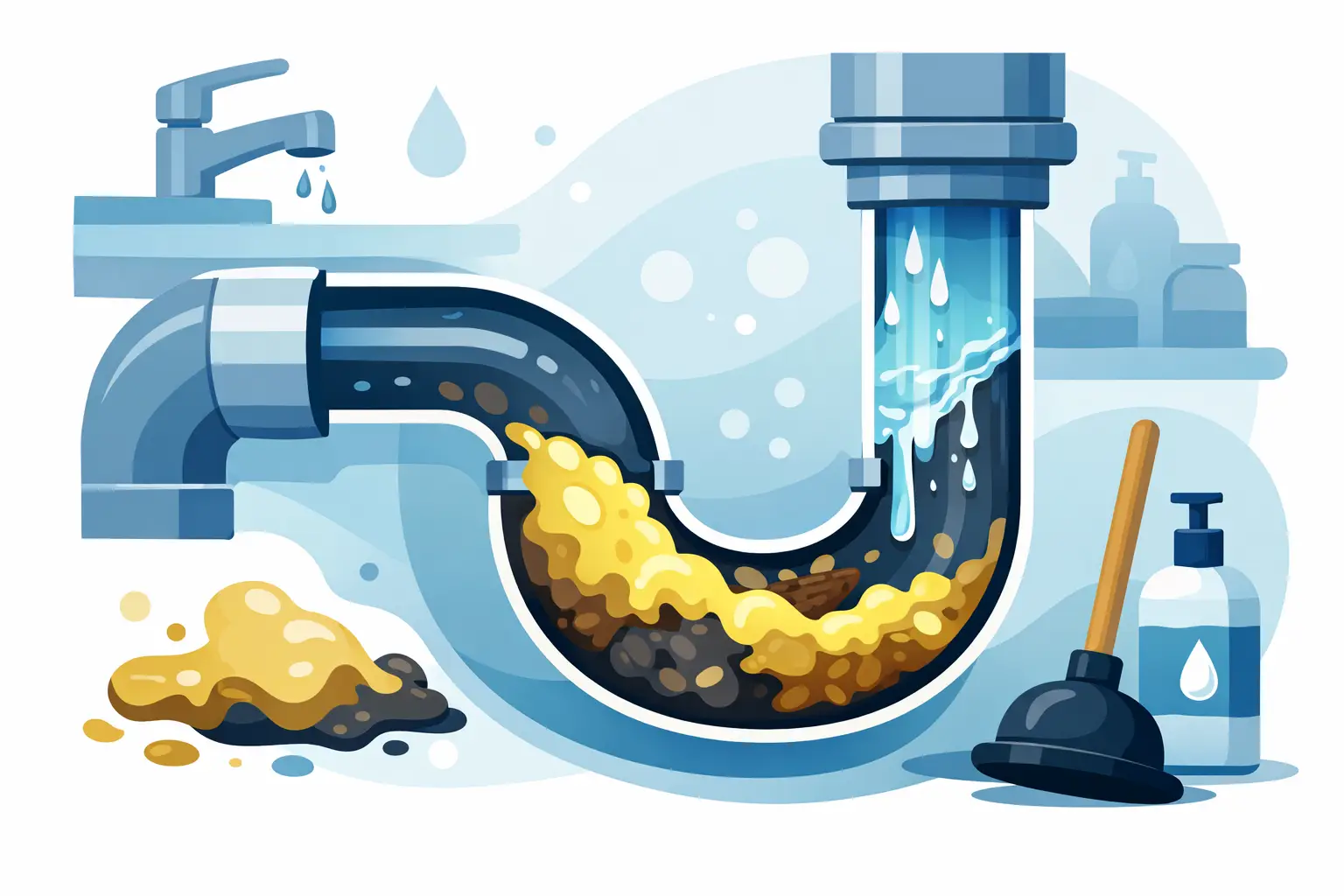
Grease Buildup in Drain Pipes: Stop the Clogs
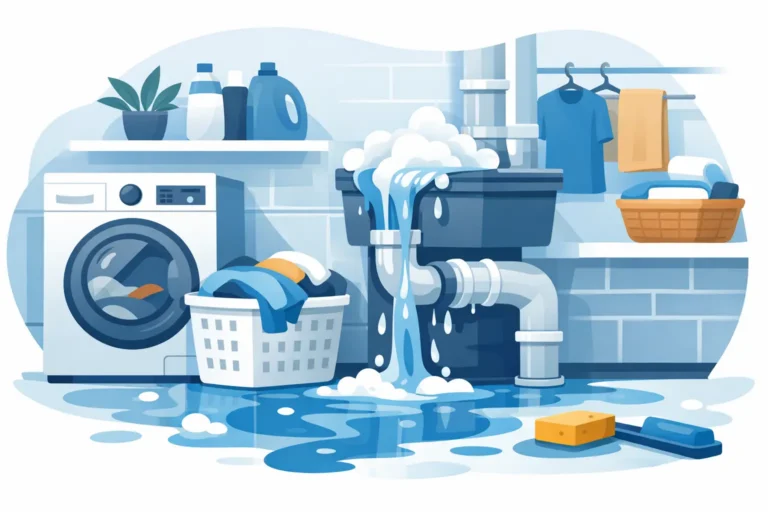
A kitchen sink that drains a little slower each week is easy to ignore – until the dishwasher backs up into the sink or greasy water pools around your feet. Grease buildup in drain pipes usually starts quietly, but it can turn into a stubborn clog that affects more than one fixture. For Lake County homeowners, addressing the early signs can prevent a messy, time-consuming backup later.
Why Grease Buildup in Drain Pipes Happens
Cooking grease does not stay liquid once it enters the plumbing system. Bacon fat, frying oil, butter, meat drippings, salad dressing, gravy, and oily food residue may look harmless when rinsed with hot water. As they move through cooler sections of pipe, they begin to thicken and stick to the pipe walls.
That sticky coating catches other material moving through the drain. Small food particles, coffee grounds, soap residue, and even paper products can cling to it. Over time, the inside opening of the pipe becomes narrower. Water still gets through at first, just more slowly. Eventually, there may be barely enough room for water to pass.
Hot water can melt grease temporarily, but it does not make the problem disappear. It often pushes the grease farther down the line, where it cools and hardens again. A liquid drain cleaner may create a small opening through soft material, but it generally will not remove the thick coating attached to the pipe. In some cases, harsh chemicals can also damage older plumbing components or create a safety concern for the person who later works on the drain.
The Warning Signs Homeowners Should Not Ignore
A single slow kitchen sink may be a localized clog near the drain opening. But when the problem returns after simple cleaning, grease may be building farther down the pipe. Recurring clogs are a sign that something is still attached inside the line, not just sitting in the sink strainer.
Watch for water that takes longer to drain, gurgling from the sink or nearby dishwasher, unpleasant odors from the drain, or water rising into one fixture when another one runs. If the kitchen sink backs up when the dishwasher drains, the shared line may be restricted.
A more serious concern is a main-line issue. If several fixtures are draining slowly, toilets bubble, or wastewater backs up into a tub or shower, do not keep running water in the home. Grease may be part of the blockage, but the pipe could also have roots, a damaged section, or another obstruction. No guessing. No unnecessary work. The cause needs to be identified before the right repair can be chosen.
What Makes Kitchen Grease Clogs Worse
Garbage disposals are useful for small scraps left on plates, but they are not designed to solve a grease disposal problem. Grinding food into smaller pieces does not prevent those pieces from sticking to grease inside the pipe. Fibrous vegetables, rice, pasta, eggshells, and coffee grounds can make a grease restriction worse.
Older homes can be more vulnerable because pipe interiors may already have scale, corrosion, or rough areas that collect residue. Long kitchen drain runs and low-slope piping can also allow grease to settle before it reaches the main sewer line. This is why two households can have very different results from similar cooking habits.
Florida’s warm weather does not eliminate the issue. Parts of a drain system can still be cooler than the water leaving the kitchen sink, especially beneath a slab, in shaded areas, or farther along the line. The grease only needs a place to cool and collect.
How to Keep Grease Out of Your Drains
The most effective prevention happens before the grease reaches the sink. Let hot grease cool in a heat-safe container, then scrape or pour it into a disposable can or sealed container for the trash. Wipe greasy pans, baking sheets, and plates with a paper towel before washing them.
For smaller amounts of oily residue, use dish soap, hot water, and a sponge to clean cookware thoroughly before it goes into the sink. Soap helps lift grease off the surface of the pan, but it is not a reason to rinse large amounts of oil down the drain.
Avoid putting these common clog-makers into the kitchen sink or disposal:
- Frying oil, bacon grease, butter, shortening, and meat drippings
- Coffee grounds, flour, rice, pasta, and starchy cooking water
- Greasy sauces, mayonnaise, salad dressings, and dairy-heavy leftovers
- Large food scraps, produce peels, and fibrous vegetables
Running water while using the disposal can help move small food particles through the immediate drain, but it cannot correct a pipe that already has grease buildup. If the sink is slow, do not keep feeding it more material in hopes that it will clear itself.
Why Store-Bought Drain Cleaners Are Not a Lasting Fix
When a drain slows down, it is tempting to reach for a bottle from the store. The trouble is that most chemical cleaners work best on limited, soft organic material close to the drain opening. Grease buildup is often a thick, layered restriction farther down the line.
Chemicals may burn a narrow channel through the clog without removing the material around it. Water drains for a while, then the same kitchen sink slows down again. Repeated use can expose pipes, seals, and fixtures to harsh chemicals. If the cleaner remains standing in a blocked drain, it can also make professional service more hazardous.
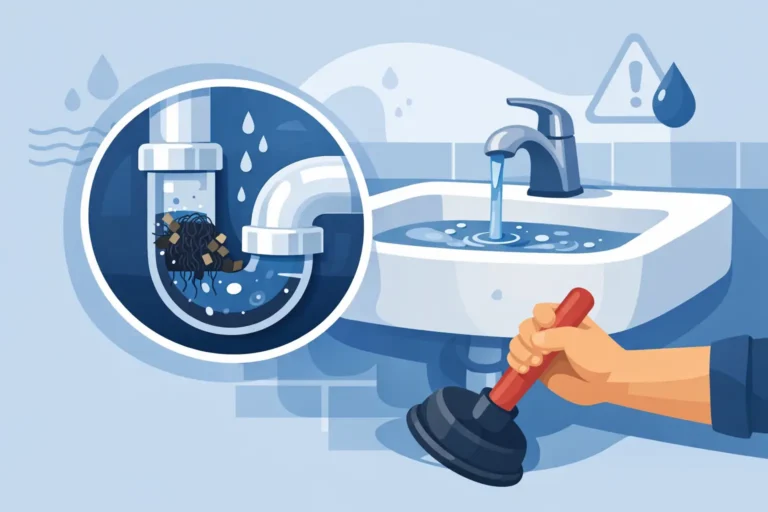
A plunger or hand auger may be appropriate for a minor, isolated clog, especially when the problem started suddenly. But if the same drain repeatedly backs up, or multiple fixtures are involved, the better decision is a professional inspection and cleaning. Temporary relief can be useful, but it should not be mistaken for a permanent correction.
How Professionals Remove Pipe Buildup
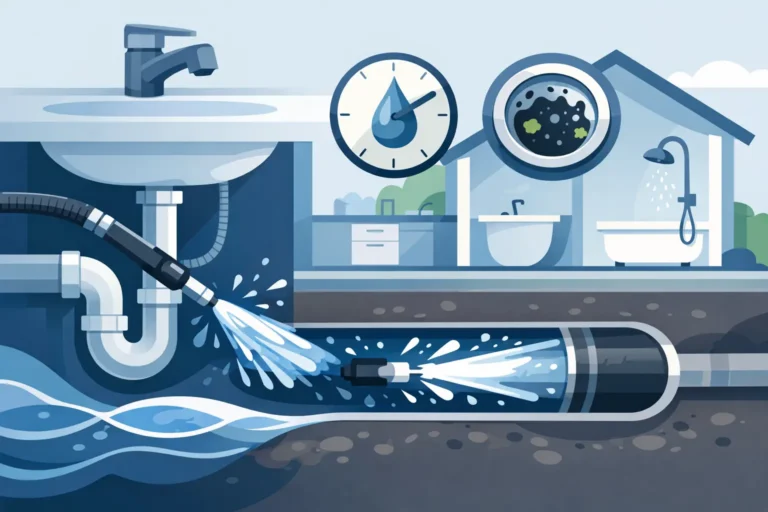
The right method depends on what is inside the pipe and where the restriction is located. A technician may begin with a video camera inspection to see the condition of the line. This can show whether grease is the main issue or whether roots, breaks, bellies in the pipe, heavy scale, or another obstruction is contributing to the backup.
Camera inspection matters because drain symptoms can look similar. A slow kitchen drain might be caused by grease near the sink, but it could also be connected to a larger main-line condition. Seeing the line helps avoid unnecessary work and gives the homeowner a plain-language explanation of what needs to happen.
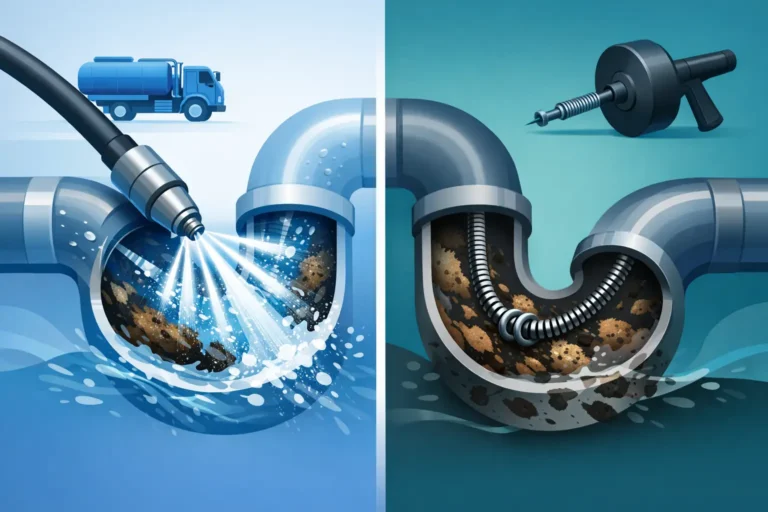
For heavy buildup, high-pressure water jetting can clean the pipe walls more thoroughly than simply punching a hole through the center of a clog. The goal is to remove the accumulated material so water has room to flow again. In some situations, a cable machine is the more suitable tool, particularly when a specific obstruction needs to be opened. The equipment should match the condition of the pipe, not the other way around.
USA Drain Cleaning uses diagnostic camera inspections and professional-grade cleaning equipment to identify the issue, explain the findings, and remove the underlying blockage whenever possible. Homeowners should know what was found, what work is recommended, and why.
When to Schedule Drain Service
Call for professional help promptly if the kitchen drain clogs again after being cleared, the dishwasher causes the sink to back up, foul odors keep returning, or water is affecting more than one fixture. These are signs that the restriction may be deeper than the trap under the sink.
Act quickly if sewage is backing up into a tub, shower, or floor drain. Stop using water throughout the home until the issue is checked. Continuing to run dishwashers, washing machines, showers, or toilets can add more water to a blocked line and increase the cleanup needed.
If you have recently purchased a home and do not know the condition of its drain lines, a camera inspection can be a practical way to establish a baseline. It is especially useful after repeated clogs, before a major kitchen renovation, or when an older home has a history of drainage trouble.
A clean kitchen starts with what stays out of the sink. Save grease in a container, wipe pans before washing, and pay attention when a drain begins to slow down. A small change in drainage is often your home’s early warning that the pipe needs attention before a routine dinner cleanup becomes a backup.