When Should Drains Be Jetted in Your Home?
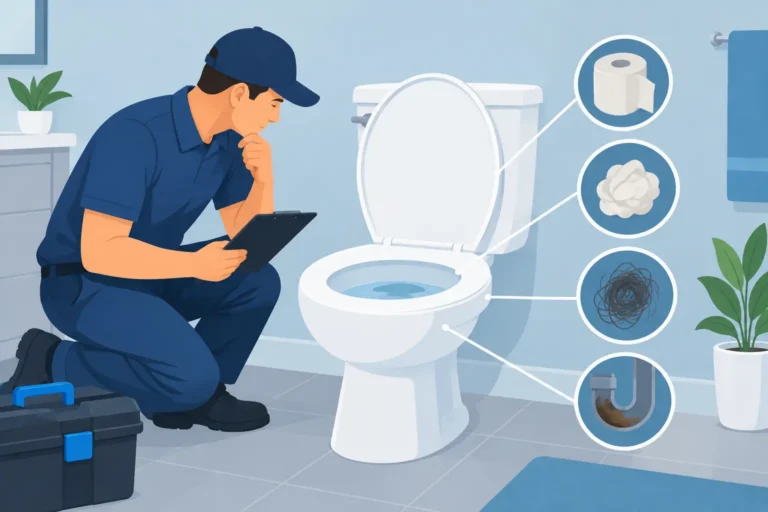
A drain that clogs once may simply have a local blockage. A drain that slows down again two weeks after being cleared is telling you something different. If you are asking when should drains be jetted, the answer usually comes down to what is inside the pipe, how often the problem returns, and whether the line is sound enough for high-pressure cleaning.
For many Lake County homeowners, jetting is the right next step when basic drain clearing restores flow only temporarily. It is designed to clean the pipe wall, not just poke a path through the center of a clog. The goal is a cleaner line and a better understanding of why the backup happened in the first place.
What Drain Jetting Actually Does
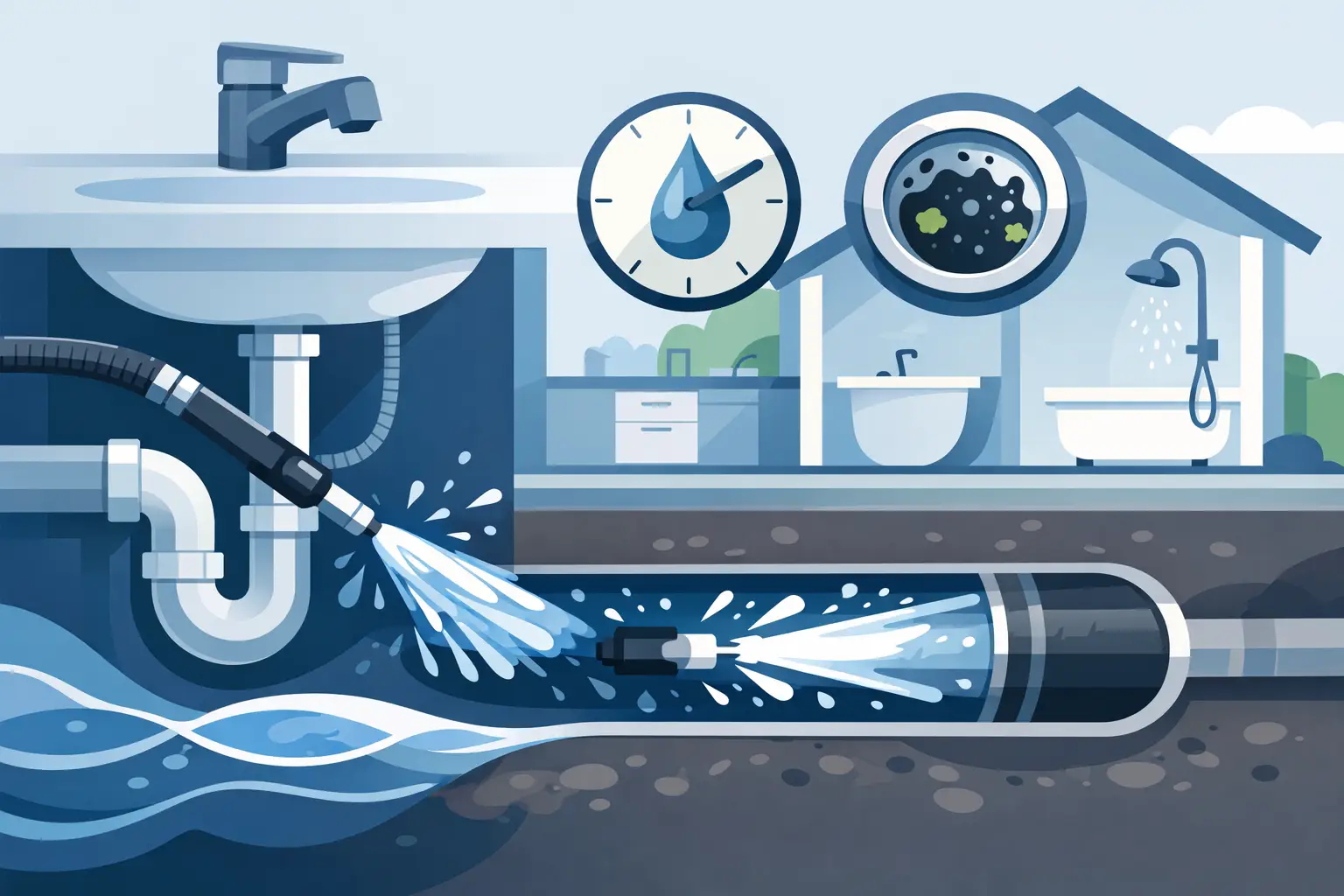
Drain jetting, often called hydro jetting, uses controlled high-pressure water to break apart and flush away grease, soap residue, sludge, scale, food buildup, and other material coating the inside of a drain line. A professional jetting nozzle directs water forward to work through a blockage and backward to scour the pipe as it moves.
That is different from a cable machine, which is often excellent for opening a path through a clog or cutting through some root intrusion. Cabling can restore drainage quickly, but it may leave heavy buildup on the pipe walls. When buildup remains, water may flow for a while and then begin slowing down again as new debris catches on what was left behind.
Jetting is not automatically necessary for every slow sink or tub. A small, one-time clog near a fixture may need straightforward cleaning. The best choice depends on the line condition and the source of the obstruction. No guessing. No unnecessary work.
When Should Drains Be Jetted Instead of Snaked?
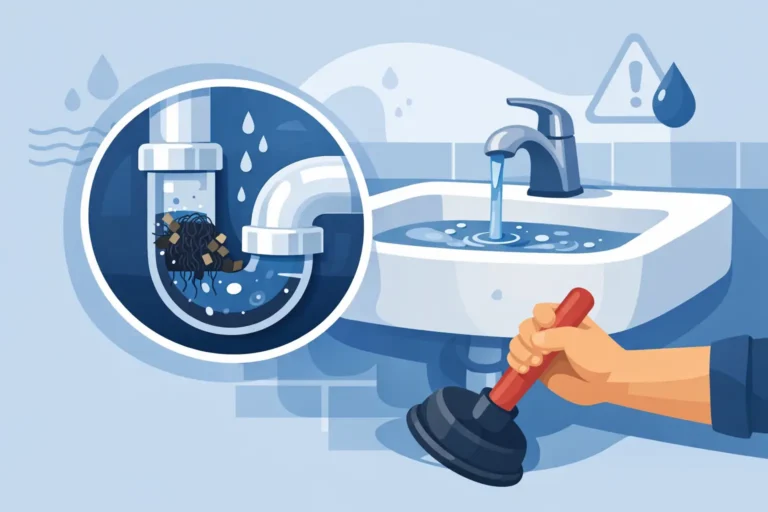
Jetting is often worth considering when a drain problem is recurring, widespread, or caused by accumulation rather than one solid item lodged in the pipe. Homeowners commonly call for help after trying a plunger, a store-bought drain product, or repeated snaking with only short-lived results.
Your Main Line Keeps Backing Up
If toilets bubble, tubs fill when a washing machine drains, or several fixtures slow down at once, the issue may be in the main sewer line rather than one branch drain. A cable may provide temporary relief, but a line carrying years of grease, paper residue, and scale may need a more complete cleaning.
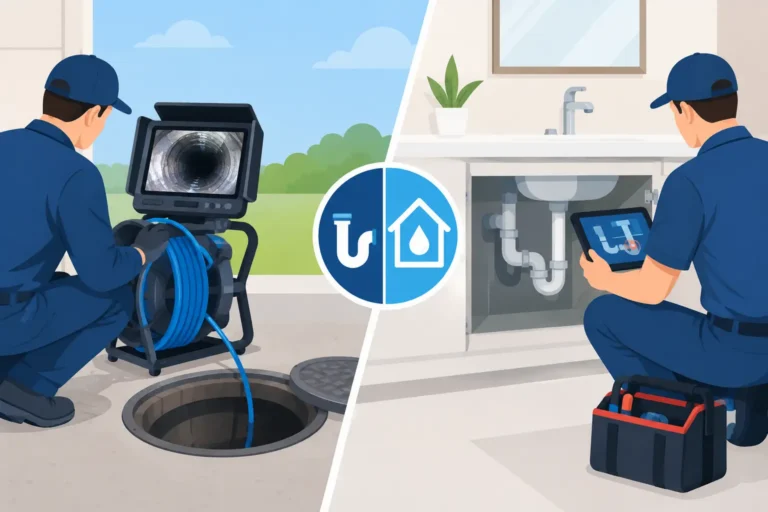
A camera inspection can show whether the pipe is coated with buildup, blocked by roots, sagging, cracked, or holding standing water. That matters because the right repair for a pipe full of buildup is not always the right repair for a broken pipe.
Clogs Return in the Same Drain
A kitchen sink that repeatedly slows down is a common jetting candidate. Grease and food particles can stick to the pipe interior over time, especially in older homes or long kitchen drain runs. Water may still get through, but the opening becomes smaller until a normal amount of dishwater creates a backup.
The same pattern can happen in bathroom drains, where soap scum, hair, toothpaste residue, and mineral deposits collect. Hair near a shower drain may be handled with basic cleaning, but a line that repeatedly blocks farther down may need professional equipment and a look inside the pipe.
There Are Foul Odors or Gurgling Sounds
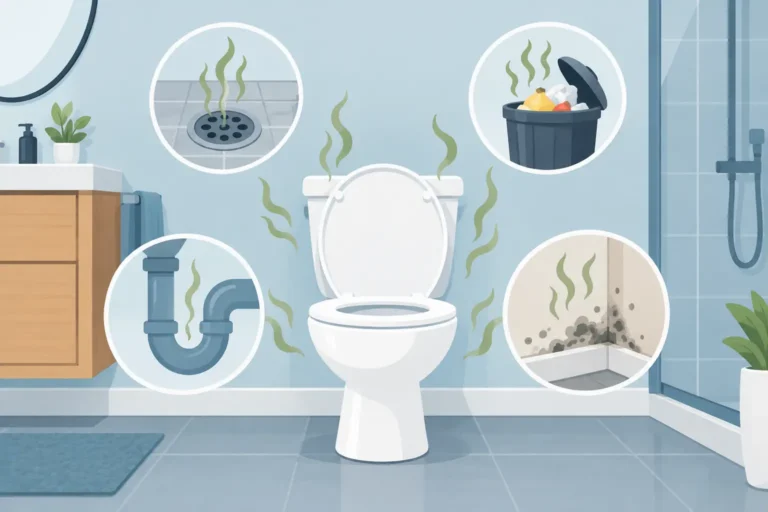
A drain odor is not always a jetting issue, but persistent odors can point to trapped organic debris or standing waste in the line. Gurgling is another warning sign. It can occur when water and air are struggling to move around a partial blockage.
Neither symptom should be ignored if it continues or appears alongside slow fixtures. A camera inspection helps separate a buildup problem from issues such as a venting concern, a damaged line, or a dry trap.
Roots Have Entered the Sewer Line
Florida roots look for moisture, and small openings at pipe joints or cracks can give them a way into a sewer line. A cable machine can cut roots and restore flow, while jetting can help flush out the root mass and debris left behind. But neither method repairs the opening that allowed roots in.
This is where clear diagnostics protect your budget. If a camera shows significant cracks, separated joints, or repeated root entry, cleaning the line may be a short-term measure while you plan the appropriate repair. If the line is otherwise in good condition, scheduled maintenance may help prevent a full backup.
A Camera Inspection Should Come First
High-pressure water is powerful equipment, which is why a professional should evaluate the pipe before jetting it. Older cast iron, Orangeburg, severely corroded metal, collapsed pipe, or pipe with major damage may not be a good candidate for high-pressure cleaning.
A video camera inspection takes the uncertainty out of the decision. It can reveal whether the pipe is intact, identify the location of the restriction, and show whether the blockage is grease, roots, scale, a foreign object, or a structural problem. It also gives the homeowner a plain-language explanation of what is happening below the floor or yard.
At USA Drain Cleaning, the purpose of the camera is simple: identify the actual condition before recommending work. If jetting will clean the line properly, you should know why. If it will not solve the underlying issue, you should know that too.
Do Not Wait for a Complete Backup
The best time to address a recurring drain problem is before wastewater reaches the floor. A full main-line backup can affect bathrooms, laundry areas, and lower-level fixtures first, creating a much larger cleanup problem than a slow drain ever did.
Call for an evaluation when you notice multiple slow drains, toilet bubbling, repeated use of a plunger, sewage odors, water appearing around a cleanout, or a clog that returns after professional clearing. These are signs that the pipe may be narrowing or obstructed farther down the line.
Avoid relying on chemical drain cleaners while waiting for help. They rarely remove heavy buildup or roots, can create hazards for anyone working on the line later, and may be hard on some plumbing materials. A temporary chemical opening can also hide a problem that needs a proper inspection.
Jetting Exterior and Storm Drains
Not every drainage issue is connected to the sanitary sewer. In Eustis, Mount Dora, Tavares, Leesburg, and Lady Lake, heavy rain can quickly expose a blocked yard or storm drain. Water pooling near a driveway, patio, gutter outlet, or catch basin may mean leaves, sand, mulch, roof grit, and soil have built up in the exterior line.
Jetting can be useful for these drains as well, but the approach depends on the drain layout and what the camera or inspection finds. A storm drain may be blocked by surface debris close to the grate, while another may have sediment packed farther down the line. Clearing the visible opening without removing the deeper restriction can leave the same flooding risk at the next hard rain.
Keeping exterior drainage moving protects more than convenience. Standing water can wash out landscaping, undermine paved areas, and direct water toward the home. If a drain repeatedly holds water after rain has stopped, it deserves attention before storm season makes the problem urgent.
How Often Should a Drain Be Jetted?
There is no one schedule that fits every home. A household with no history of backups does not need jetting simply because a calendar says so. On the other hand, a home with an older sewer line, frequent kitchen buildup, large trees near the sewer route, or a history of root intrusion may benefit from planned maintenance.
For a line that has already had recurring trouble, a professional can recommend timing based on the camera findings. Some homes may need attention every year or two. Others may only need service when symptoms return. The practical standard is not selling a routine that does not fit your home. It is preventing avoidable backups with the least unnecessary work.
If drains are slowing down, gurgling, smelling unpleasant, or backing up again after they have been cleared, do not settle for another temporary opening. A clear inspection and the right cleaning method can give you an answer before a small drainage problem becomes a messy one.