Laundry Drain Overflow: Causes and What to Do
A laundry drain overflow rarely starts with a dramatic warning. The washer may run normally for several minutes, then water suddenly rises out of the standpipe, spreads across the floor, and heads for nearby walls, cabinets, or flooring. The immediate job is stopping the water. The next job is finding out why the drain could not keep up.
For homeowners in Eustis, Mount Dora, Tavares, Leesburg, and Lady Lake, the right response is not to keep running short wash cycles to see if the problem has gone away. Overflowing laundry water can damage a home quickly, and a recurring backup usually points to a blockage farther down the line. No guessing. No unnecessary work. The goal is to identify the restriction and clear the real cause.
What to Do When a Laundry Drain Overflows
Turn off the washing machine as soon as you see water rising from the drainpipe. If the cycle continues to drain, pause it or switch the machine off. Do not open the washer door if the tub is full, since that can add another flood to the room.
Keep people and pets away from standing water, especially around electrical cords, outlets, or appliances. If water is approaching an outlet or electrical panel, avoid stepping into it and contact a qualified professional for guidance. Once the water is no longer rising and the area is safe, use towels, a mop, or a wet/dry vacuum to remove it. Dry the floor and nearby baseboards thoroughly to reduce the chance of moisture damage or mold.
Do not run another load until the drain has been checked. A washer releases a large volume of water quickly. A drain that appears fine during a sink test may still overflow when the washer pumps out.
Why a Laundry Drain Overflow Happens
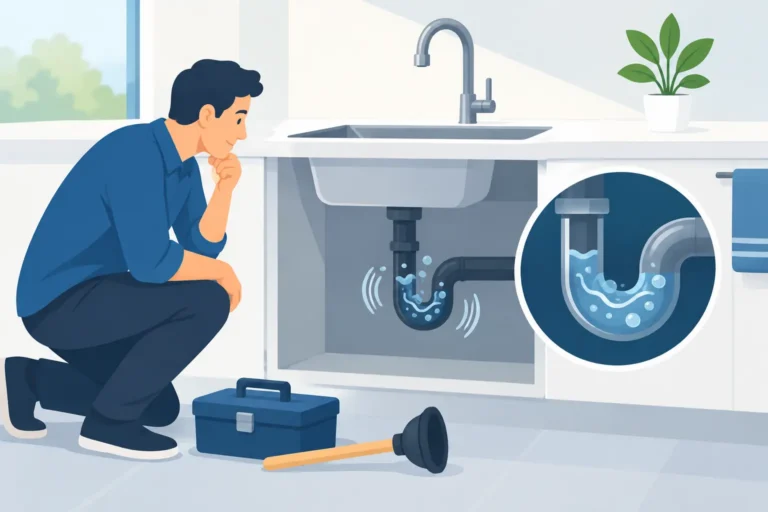
The most common reason is a partial or complete clog in the laundry branch drain. Laundry water carries lint, detergent residue, fabric fibers, body oils, and soil from clothing. Over time, that material can stick to the inside of the pipe. The opening becomes smaller, so water cannot move away as fast as the washer discharges it.
Older homes may also have pipe buildup that has been collecting for years. The line may not be fully blocked at first. Instead, it drains slowly enough that the problem only appears during the washer’s drain cycle. This is why a homeowner may notice no trouble with the laundry sink but still get water coming out of the standpipe.
A blockage can also be farther down the plumbing system. If the main sewer line is restricted by heavy buildup, damaged pipe, or tree root intrusion, the washer may be the first fixture to show the problem because it sends out water so quickly. In that case, other warning signs may appear too: toilets that bubble, tubs that drain slowly, foul odors, or water backing up in a shower when the washer runs.
The drain setup itself can contribute. A drain hose pushed too far down the standpipe, an improperly positioned hose, or an issue with the standpipe can affect how the washer drains. These situations are less common than a clogged line, but they are worth checking before assuming a major repair is needed.
Signs the Problem May Be Beyond the Laundry Room
Pay attention to what other fixtures are doing. If the laundry drain overflows but every other drain in the home works normally, the restriction may be limited to the laundry line. If several drains are slow or noisy, the issue may be in a larger shared line.
A sewer odor, repeated clogs in different rooms, or water appearing in a low shower or tub after the washer drains should be treated as a stronger warning. Those symptoms call for a proper diagnosis rather than another round of store-bought drain cleaner.
Why Chemical Drain Cleaners Are a Poor Fix
It is understandable to want the fastest possible solution after cleaning up a mess. But chemical drain products are often a bad match for a laundry overflow. They may not reach or dissolve a heavy lint-and-detergent blockage, especially when water is already standing in the line.
These products can also sit in the pipe, create fumes, damage some plumbing materials, and make later drain cleaning more hazardous. If a technician has to open a line containing caustic chemicals, everyone needs to know. A temporary improvement can also hide a blockage that continues to grow until the next load of laundry floods the room again.
A plunger is not usually effective on an open laundry standpipe, either. The better approach depends on the location and condition of the obstruction. That is why diagnosis comes before recommending a service.
How Professionals Find the Real Cause
A drain cleaning visit should begin with questions about the symptoms. When does the overflow happen? Does it occur every load or only with large loads? Are toilets, showers, or sinks affected? Those details help narrow down whether the issue is likely in the laundry branch or the main line.
From there, professional drain equipment can clear many restrictions that household tools cannot reach. For soft buildup and packed debris, high-pressure water jetting can clean the inside of the pipe more thoroughly than simply poking a small opening through the clog. The right method depends on the pipe material, access point, and type of blockage.
When a drain has been backing up repeatedly, a video camera inspection provides useful answers. The camera shows where the line is restricted and whether the pipe has buildup, roots, cracks, offset sections, or another condition that cleaning alone may not solve. It also helps confirm that the line is actually clear after the work is complete.
This approach matters because a drain can seem open for the moment while the underlying problem remains. A small hole through a thick layer of buildup may let one load drain, then close up again within weeks. Seeing the condition of the pipe allows homeowners to make decisions based on facts, not pressure or assumptions.
Preventing Another Overflow
A lint trap on the washer catches a lot, but not everything. Avoid flushing lint, mop water, paint water, grease, or construction debris down a laundry sink or standpipe. Use the amount of detergent recommended for your machine, particularly with high-efficiency washers. Excess detergent can leave residue that contributes to buildup over time.
It also helps to watch for early changes. A standpipe that gurgles, a laundry sink that drains more slowly than usual, or a musty drain odor can be a reason to schedule service before water reaches the floor. If the home has a history of recurring drain problems, periodic inspection may be a sensible preventive step.
For homes with mature trees, a camera inspection can be especially useful when backups keep returning. Roots do not always cause an immediate complete blockage. They can enter through a small opening in an older pipe and gradually trap paper, lint, and other debris moving through the system.
When to Call for Drain Service
Call for professional help if the washer has overflowed more than once, the water will not drain from the standpipe, or other fixtures are backing up at the same time. A same-day response is also wise when water has reached finished flooring, drywall, or electrical areas.
USA Drain Cleaning helps Lake County homeowners get clear answers with professional drain cleaning and camera inspections when needed. The focus is simple: locate the issue, explain what was found in plain language, clear the blockage correctly, and leave the work area clean.
A laundry room should handle laundry, not become a cleanup project. If the drain has already overflowed, stop using the washer and have the line checked before the next load turns a manageable clog into a larger repair.