How to Prevent Sewer Gas Smells in Your Home
A sewer-like smell is not something to cover with air freshener and hope it goes away. If you are wondering how to prevent sewer gas smells, start by finding which drain, bathroom, laundry room, or exterior area is producing the odor. The source is often a simple dry drain trap, but recurring odors can also point to buildup, a blocked drain line, a broken seal, or a venting problem that needs attention.
For Lake County homeowners, odors may become more noticeable after a home has been vacant, during hot and humid weather, or when heavy rain puts extra demand on the drainage system. A clear diagnosis matters. No guessing. No unnecessary work.
Start With the Most Common Cause: Dry Drain Traps
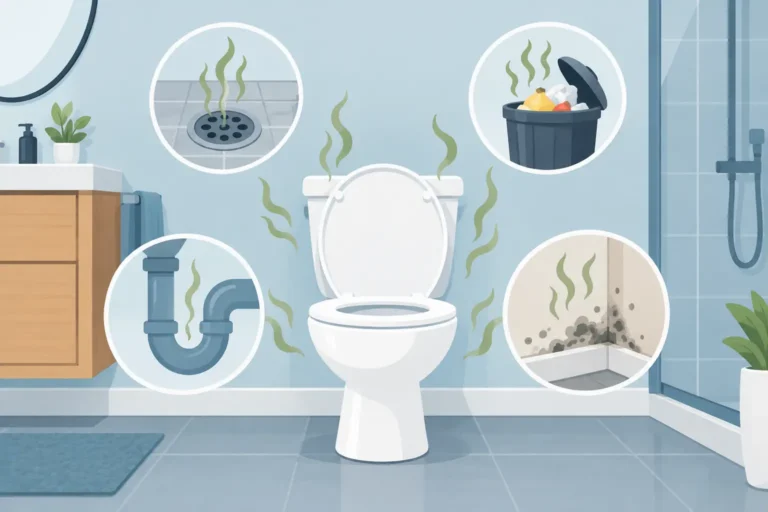
Every sink, shower, tub, and floor drain has a curved section of pipe called a trap. It holds a small amount of water that creates a barrier between your home and gases in the sewer line. When that water evaporates, sewer gas can move up through the drain opening.
This is especially common in guest bathrooms, laundry rooms, utility sinks, garage floor drains, and showers that do not get used often. It can also happen after a vacation or when an older home has a rarely used fixture.
Run water into every drain for 30 to 60 seconds. Flush unused toilets as well. For a floor drain or infrequently used sink, you can add a small amount of mineral oil after running water. The oil slows evaporation while leaving the water seal in place. If the smell disappears after refilling the trap but returns within a few days, the trap may be leaking or there may be another issue affecting the drain.
Keep Drain Buildup From Becoming an Odor Problem
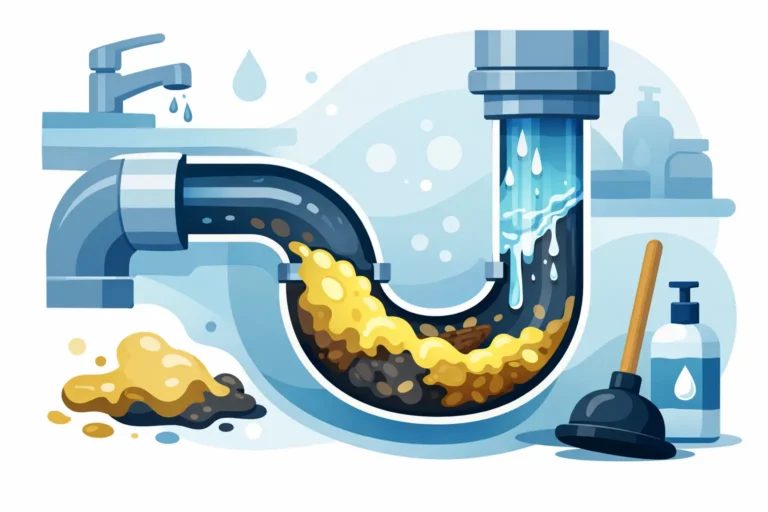
Not every bad drain smell is sewer gas. Soap residue, hair, toothpaste, grease, food particles, and bacteria can collect inside a drain and create a strong odor that is easy to mistake for a sewer problem. A slow drain with a sour or musty smell often has buildup near the fixture or farther down the line.
Use strainers in showers and bathroom sinks to catch hair before it enters the pipe. In the kitchen, keep grease, coffee grounds, rice, pasta, and food scraps out of the disposal and sink drain. Even when these materials seem to wash away, they can stick to pipe walls and help form a recurring blockage.
Regularly flushing a drain with hot tap water can help move light residue along, especially in kitchen sinks. Avoid pouring boiling water into porcelain fixtures or older piping, and do not rely on chemical drain cleaners. Those products may not remove the underlying buildup, can damage certain pipes, and create a safety problem if another product or tool is used later.
If a drain repeatedly smells bad, runs slowly, or clogs again shortly after being cleared, the buildup may be beyond what routine cleaning can handle. That is when professional drain cleaning can make more sense than another temporary fix.
Watch for Signs the Issue Is Beyond One Drain
A single smelly sink may be a local trap or buildup issue. Several fixtures acting up at the same time can point to a problem in the main sewer line or the home’s venting system.
Pay attention if you notice gurgling after flushing a toilet, water rising in a tub when another fixture drains, multiple slow drains, or sewage odors that come and go throughout the house. These are not normal signs of a drain simply needing a little fresh water. They can indicate a partial blockage that is changing the pressure inside the plumbing system.
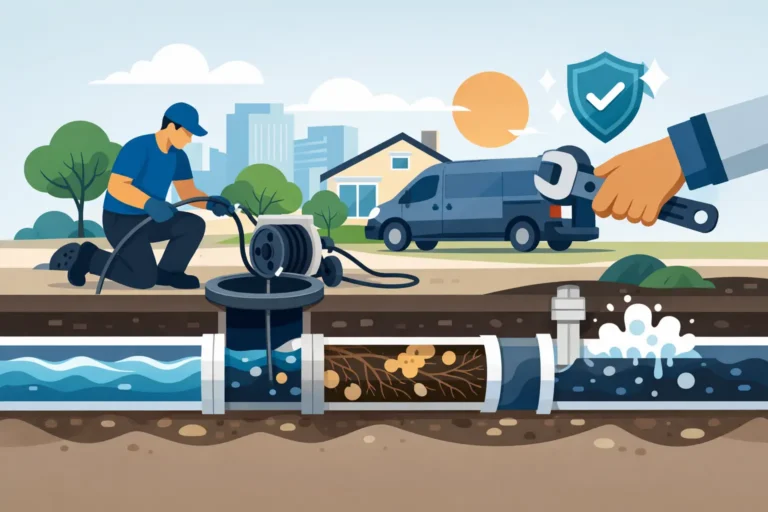
Tree roots, pipe scale, wipes, grease, and damaged sections of line can all restrict a sewer pipe. In Florida, roots and shifting soil can be part of the picture, particularly around older lines. A blockage does not always cause an immediate backup. It may first show up as gurgling, odors, or a drain that keeps returning to the same problem.
A camera inspection removes the guesswork. It allows a technician to see whether there is buildup, root intrusion, standing water, a damaged pipe, or another condition inside the line. Instead of treating the symptom at the drain opening, you can make a decision based on what is actually in the pipe.
Check Toilets and Sink Connections for Failed Seals
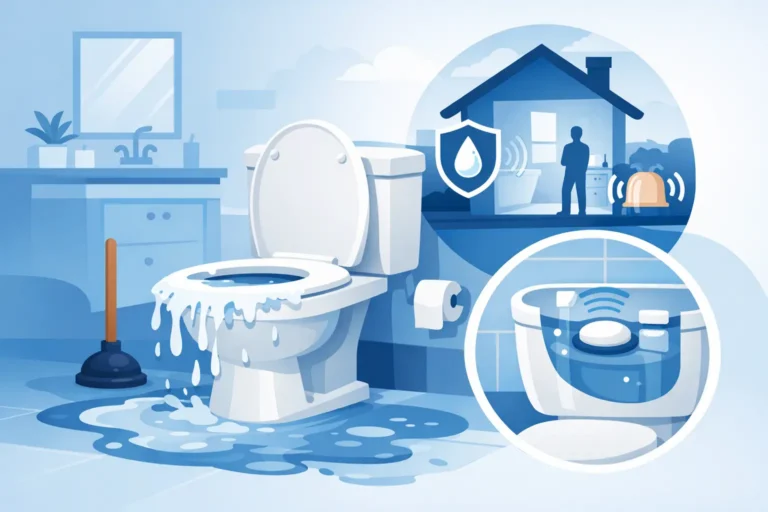
Sewer odors around the base of a toilet can mean the wax ring or other toilet seal is no longer doing its job. The toilet may feel loose, rock slightly, or leave moisture near the base, but not always. A failed seal can allow odor to escape even if the toilet still flushes normally.
Do not ignore a loose toilet. Continued movement can worsen the seal and potentially damage the floor around it. This repair is generally a job for a qualified plumbing professional, especially if there is any sign of leaking or soft flooring.
Under sinks, check for obvious leaks, disconnected pipes, or loose slip-joint connections. A missing cleanout cap can also allow sewer gas to escape. You can look for visible problems without taking pipes apart, but avoid making major adjustments if you are unsure of the connection. A small leak or poorly seated fitting can quickly turn into water damage inside a cabinet or wall.
Make Sure Plumbing Vents Can Do Their Job
Your plumbing system needs vent pipes to balance pressure and move sewer gases safely out through the roof. When a vent is blocked by debris, a bird nest, or another obstruction, drains may gurgle, empty traps may be pulled dry, and odors can enter the home.
Vent problems are not always easy to confirm from the ground. Climbing on a roof to inspect a vent pipe can be risky, and pushing tools into a vent can cause damage or create a deeper blockage. If you have sewer odors along with frequent gurgling or traps that keep losing water, have the venting system evaluated by a qualified professional.
In some homes, an air admittance valve under a sink serves part of the venting function. These valves can wear out and may need replacement. They should not be treated as a substitute for diagnosing a broader drainage or vent issue.
How to Prevent Sewer Gas Smells During Vacancies
Before leaving a home empty for several weeks, run water into every drain and flush every toilet. This is a simple step that prevents many odor calls when homeowners return from a trip or seasonal residence.
Walk through the home and include drains that are easy to overlook: the laundry standpipe, utility sink, garage floor drain, patio drain, and guest shower. If an appliance drain or exterior drain has an unusual smell, do not assume it is harmless. Standing water, organic debris, or a blocked line can create odors and attract pests.
For homes that sit vacant for longer periods, arrange for someone to check the property periodically. They can run water in unused fixtures, look for leaks, and catch a developing drainage issue before it becomes a backup.
When to Call for Drain Service
A dry trap is usually a reasonable homeowner fix. Persistent odors are different. Call for professional help when the smell returns after traps are refilled, several drains are slow or gurgling, a toilet smells around its base, or water backs up in a tub, shower, or sink.
Avoid using open flames, smoking, or repeatedly adding harsh chemicals near a suspected sewer gas source. Sewer gases can include methane and hydrogen sulfide, and strong odors should be taken seriously. If the smell is overwhelming or anyone feels dizzy, nauseated, or unwell, leave the area and contact the appropriate professional or emergency service.
For recurring drain-related odors in Eustis, Mount Dora, Tavares, Leesburg, or Lady Lake, USA Drain Cleaning can inspect the line, explain what the camera shows, and recommend the work that addresses the actual cause. Whether the answer is cleaning buildup, clearing a blockage, or referring you for a plumbing repair, the goal should be a clear explanation and a durable fix.
A home should smell like home, not like the sewer line beneath it. Taking care of unused drains and early warning signs now is usually easier, cleaner, and less expensive than waiting for the next backup.