Recurring Toilet Clog Case Study: Finding the Cause
A toilet that clogs once can be frustrating. A toilet that clogs every few weeks is a warning that the problem may be farther down the line than the bowl itself. This recurring toilet clog case study follows a common type of Lake County service call: a homeowner who had plunged, used store-bought products, and replaced a toilet part, only to keep dealing with the same backup.
The homeowner did not need more guesswork. They needed to know what was actually happening inside the drain line, what work would solve it, and whether a major repair was truly necessary.
The Symptoms Were Bigger Than One Toilet
The call started with a hall bathroom toilet that would flush normally for a while, then rise close to the rim without warning. A plunger usually got the water moving again, but the fix never lasted. The homeowner had also noticed an occasional gurgle from the nearby tub drain.
Those details matter. A single toilet that clogs after an obvious object goes down can be a blockage in the toilet trap or the short drain connection behind it. But when the clog returns and another fixture gurgles, the restriction may be in a shared branch line or the main sewer line.
This home had two bathrooms. The second bathroom was still working, which made the issue feel less urgent. However, that does not rule out a larger drainage problem. It can simply mean the blockage is partial, or that the affected bathroom connects to the line closer to the obstruction.
The homeowner had been careful not to flush wipes or other items labeled as disposable. That was useful information, but it did not eliminate the possibility of buildup, a pipe defect, or roots entering an older underground line.
Recurring Toilet Clog Case Study: The Inspection
The first step was not to run equipment blindly through the pipe. The toilet was removed so the drain line could be accessed properly, then a video camera was sent through the line. This gave the homeowner a clear view of what the technician was seeing instead of a vague explanation about a possible clog.
The camera showed a heavy layer of buildup along part of the pipe wall. Material was catching at that rough surface rather than moving freely through the line. Farther along, the camera found small roots entering at a pipe joint. The roots had not fully closed the line, but they created a catch point where paper and waste could collect.
That combination explained why plunging seemed to work. A plunger could push enough material through to restore flow for the moment. It could not remove the buildup deeper in the pipe or address roots growing in through a joint.
Why the toilet was not the real problem
A toilet can become the first fixture to show trouble because it sends a larger volume of water and solids into the drain at once. When the line is narrowed, the toilet may hesitate, bubble, or back up while a sink still appears to drain normally.
Replacing the toilet would not have corrected this issue. Neither would repeatedly adding chemical drain cleaner. In fact, harsh chemical products can sit in a slow line, create fumes, and complicate service without removing roots or heavy pipe buildup.
The camera inspection changed the conversation from “Why does this toilet keep clogging?” to “What is restricting this drain line, and what is the right way to clear it?” That is the difference between a temporary reset and a useful diagnosis.
Clearing the line and checking the result
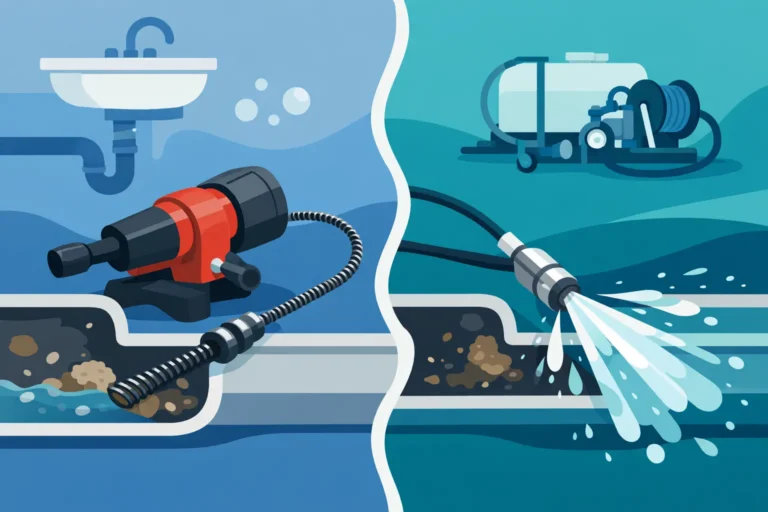
Based on the camera findings, the line was cleaned with professional-grade equipment designed to remove buildup and cut through the root intrusion. For this type of condition, high-pressure jetting can be a good option because it cleans the inside of the pipe rather than only punching a small opening through the blockage.
The right method depends on the pipe material, condition, and location of the obstruction. A badly broken or collapsed line may need repair rather than aggressive cleaning. In this case, the camera showed that the pipe was still open enough to clean and did not show a collapse.
After the line was cleared, the camera was run through again. The follow-up view confirmed that water had a clearer path through the pipe and that the major catch points had been removed. The toilet was reset, test flushed, and the work area was cleaned before the visit was finished.
The homeowner also received a plain-language explanation of the remaining concern: roots can return when they have access through an old joint. Cleaning restored normal function, but monitoring the line and scheduling future inspection if symptoms returned would be more honest than promising that roots could never grow back.
Why Quick Fixes Often Fail
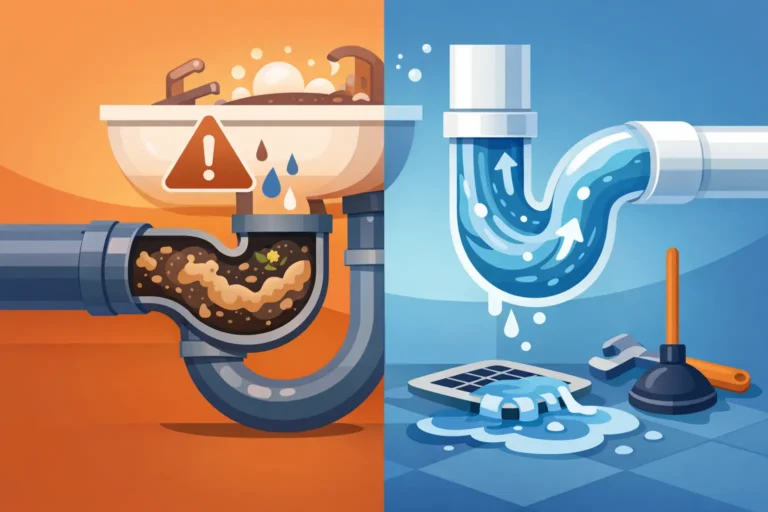
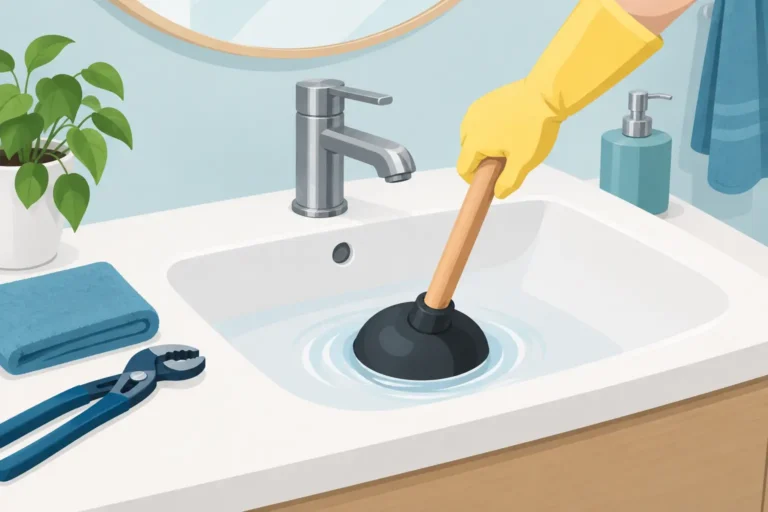
A plunger is still a useful household tool. It can clear a minor toilet clog and may prevent an immediate overflow. The trade-off is that it only works on what it can move near the fixture. It cannot show whether the pipe has grease buildup, scale, roots, a sagging section, or a damaged joint farther down the line.
Drain chemicals have a similar limitation. They may affect certain soft organic materials, but they do not remove tree roots, repair a pipe connection, or clean a long stretch of buildup evenly. They can also be hard on older plumbing components when used repeatedly.
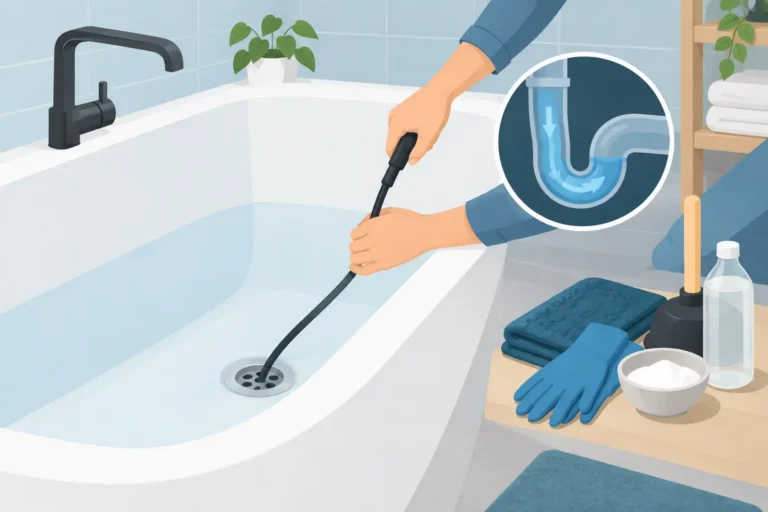
Even a basic drain cable can provide relief without fully cleaning the pipe wall. That may be appropriate for a simple blockage, but a recurring issue deserves a look at the underlying condition. No guessing. No unnecessary work. The goal is to match the service to what the line actually needs.
What Homeowners Can Watch for Next
After a recurring toilet clog has been cleared, homeowners should pay attention to changes in how the bathroom drains. A toilet that starts bubbling again, a tub that gurgles during a flush, or water appearing at a shower drain can point to a developing restriction in the shared line.
It also helps to keep flushing habits simple. Toilet paper and human waste belong in the toilet. Wipes, paper towels, feminine hygiene products, cotton swabs, dental floss, and small household items do not break down the same way and can create a clog even in a healthy pipe.
For homes with mature trees and older underground piping, roots deserve special attention. Roots naturally seek moisture. A small opening at a pipe joint can be enough to attract them, especially when a line has a slow leak. A camera inspection can show whether recurring cleaning is a reasonable maintenance choice or whether pipe repair should be considered.
When to Schedule Professional Drain Service
Call for help promptly if plunging no longer restores normal flushing, wastewater backs up into a tub or shower, multiple fixtures drain slowly, or sewage odors are present. Those signs can mean the restriction is worsening, and waiting can turn a manageable service call into water damage and cleanup inside the home.
For homeowners in Eustis, Mount Dora, Tavares, Leesburg, and Lady Lake, USA Drain Cleaning uses camera inspections to show the cause of repeat drain problems and explain the available options clearly. A quote should reflect what the line needs, not an assumption made before the pipe is inspected.
If your toilet keeps clogging, treat the next backup as useful information. A clear view inside the drain line can replace repeated plunging with a practical plan to protect your home, your schedule, and your budget.