Clogged Drains: When a Slow Drain Needs Help
A sink that takes a little longer to empty may not feel urgent – until the shower starts holding water around your feet, the toilet gurgles, or wastewater appears where it should not. Clogged drains rarely fix themselves. In many homes, they build slowly over time, then become an inconvenient and sometimes messy problem at the worst possible moment.
For homeowners in Eustis, Mount Dora, Tavares, Leesburg, Lady Lake, and throughout Lake County, the right response depends on where the blockage is and what is causing it. A minor buildup near one fixture may be simple to address. Repeated clogs, multiple slow drains, or water backing up into the home call for a closer look. No guessing. No unnecessary work.
What Your Drain Symptoms Are Telling You
The location and timing of a drainage problem can reveal a lot. One slow bathroom sink usually points to a local issue in that sink’s drain line. Hair, soap residue, toothpaste, and small items caught near the stopper are common causes. A kitchen sink that drains slowly may have grease, food residue, and detergent buildup coating the pipe.
When several fixtures act up at once, the problem may be farther down the line. For example, if flushing a toilet causes water to rise in a shower or tub, the main sewer line may be partially blocked. If the washing machine drains and water appears in a nearby tub, that is another sign the shared line is not carrying wastewater away properly.
Pay attention to these warning signs before they turn into a backup:
- Water drains slowly in more than one sink, tub, or shower.
- Drains make gurgling or bubbling sounds after a fixture is used.
- A sewage-like odor comes from drains or around the yard.
- A clog returns shortly after being cleared.
- Toilets bubble, overflow, or will not flush normally.
- Water pools near an exterior or storm drain after rain.
A single symptom does not always mean a major repair. But recurring symptoms are a reason to stop treating the issue as a one-time clog. The same blockage may be reforming because only a small opening was made through the buildup, not because the pipe was fully cleaned.
Why Clogged Drains Keep Coming Back
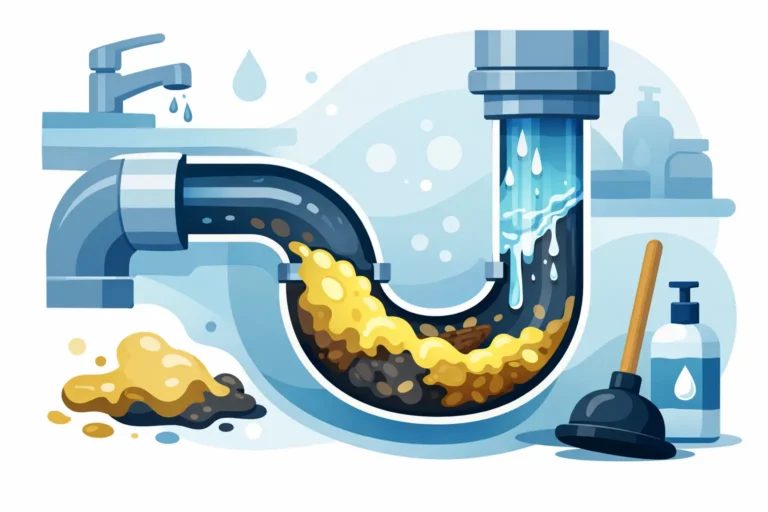
Most recurring drain problems have an underlying cause. In kitchen lines, grease is a frequent culprit. It may go down the drain as a liquid, but it cools on the pipe walls and traps food particles over time. Even households that do not pour cooking oil into the sink can develop grease buildup from pans, plates, and cookware washed after meals.
Bathroom drains collect a different mix. Hair combines with soap film and skin oils to form a stubborn blockage. In some homes, mineral deposits from hard water narrow the inside of older pipes as well. Store-bought drain products may create a temporary channel through the material, but they often leave much of the buildup behind.
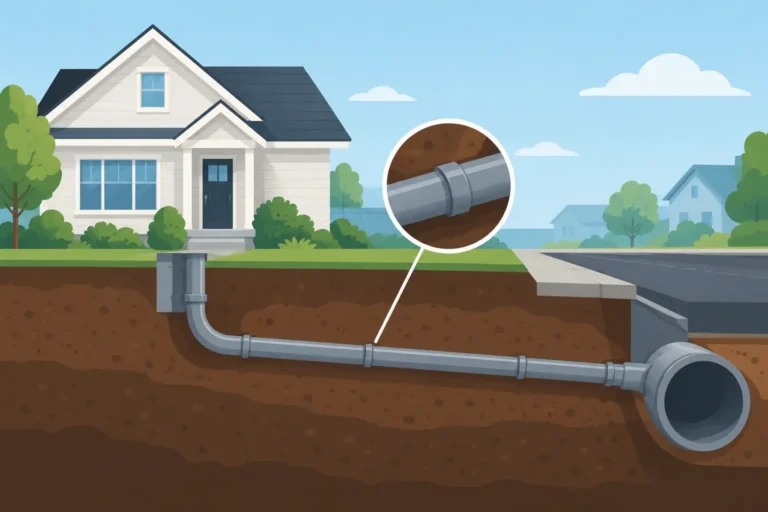
Main lines bring additional possibilities. Tree roots can grow toward small openings or weakened pipe joints because they are drawn to moisture. Older or damaged pipes can shift, crack, or hold debris at low spots. Wipes, paper towels, feminine products, and other items labeled as disposable can also create a blockage that a standard plunger cannot reach.
This is why the best solution is not always the fastest-looking one. If a drain has clogged three times in a few months, simply reopening it without finding the reason can mean another service call and another interruption to your day.
Safe First Steps for a Slow Drain
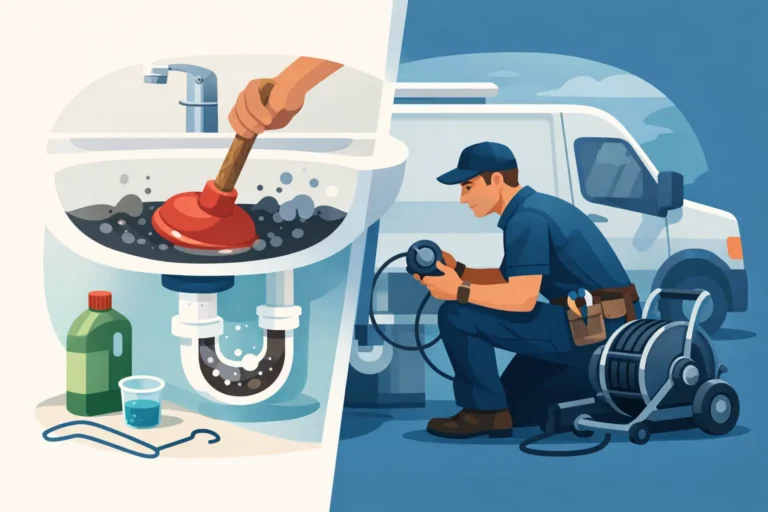
If only one sink, tub, or shower is draining slowly and there is no sewage backup, a few careful steps may be reasonable. Remove visible hair or debris from the stopper and use a plunger designed for that fixture. For a kitchen sink, clear out the strainer basket and avoid running the garbage disposal if water is already standing in the basin.
A small hand auger can sometimes remove a nearby hair clog, particularly in a bathroom sink. Work slowly and avoid forcing the cable, especially if you are unfamiliar with the pipe layout. Pulling out the blockage is better than pushing it deeper into the line.
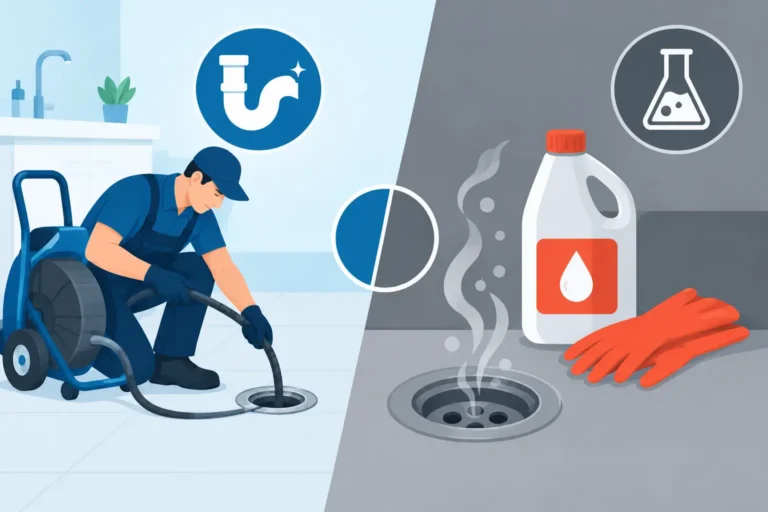
Skip the repeated use of harsh chemical drain cleaners. These products can be hard on certain pipes, create fumes, and make future hands-on work more hazardous. They also do not solve root intrusion, a collapsed section of pipe, or heavy buildup farther down the line. If a chemical cleaner did not work the first time, adding more is unlikely to change the underlying condition.
Do not keep flushing a toilet that is close to overflowing. Turn off the water supply valve behind the toilet if necessary, and avoid using nearby fixtures until you know whether the problem is limited to that toilet or affecting a larger section of the plumbing.
When Clogged Drains Need Professional Diagnosis
Professional drain cleaning is the practical next step when the clog keeps returning, affects multiple fixtures, produces foul odors, or causes a backup. The goal should be more than getting water moving for the moment. It should be identifying the blockage, cleaning the line thoroughly, and explaining what was found.
A video camera inspection is especially useful when the cause is not obvious. A camera allows a technician to see inside the pipe and locate heavy buildup, roots, damaged sections, or an obstruction. Instead of recommending work based on assumptions, the technician can show you the condition of the line in plain language.
For heavy grease, sludge, roots, and accumulated debris, high-pressure jetting can clean pipe walls more thoroughly than a basic cable alone. The right method depends on the pipe material, the nature of the blockage, and the condition of the system. A responsible technician will assess those details before choosing an approach.
At USA Drain Cleaning, the focus is on showing homeowners what is causing the problem and discussing the appropriate repair or cleaning option before moving ahead. That gives you useful information, a clear quote, and a better basis for deciding what your home needs.
Do Not Overlook Exterior and Storm Drains
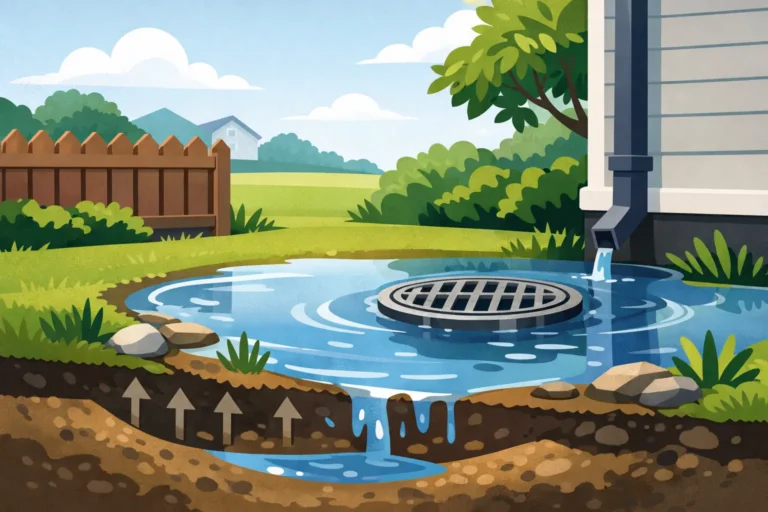
Florida rain can expose drainage problems quickly. When an exterior drain is blocked by leaves, mulch, soil, or yard debris, water may collect near a driveway, patio, walkway, or foundation. Standing water is not just an inconvenience. It can make surfaces slippery, stress landscaping, and direct water toward places where it does not belong.
Before a heavy rain, check visible drain grates and remove loose leaves or debris from the surface. Do not push material down through the opening. If water continues pooling after the grate is clear, the blockage may be farther inside the drain line.
Storm drain cleaning requires a different approach than clearing a bathroom sink. The line may hold packed sediment, roots, or debris carried in during past storms. A proper inspection helps determine whether the problem is at the surface, in the pipe, or related to the way water is moving across the property.
Small Habits That Protect Your Drains
Prevention will not eliminate every plumbing problem, particularly in older homes or properties with root-prone sewer lines. It can reduce the everyday buildup that leads to many household clogs. Keep grease, coffee grounds, and food scraps out of the kitchen drain. Use hair catchers in showers and tubs. Put only toilet paper and human waste in the toilet.
It also helps to address a slow drain early. Waiting until a fixture stops completely often turns a manageable cleaning job into a more urgent situation. If you notice gurgling, repeat clogs, odors, or water moving between fixtures, treat those symptoms as useful warnings rather than something to work around.
A drain should do one simple job: carry water away without making a mess or demanding your attention. When it cannot, a clear diagnosis and thorough cleaning can replace uncertainty with a practical plan – and help keep your home clean, dry, and ready for the next busy day.