Jetting Versus Cabling: Which Clears Your Drain?
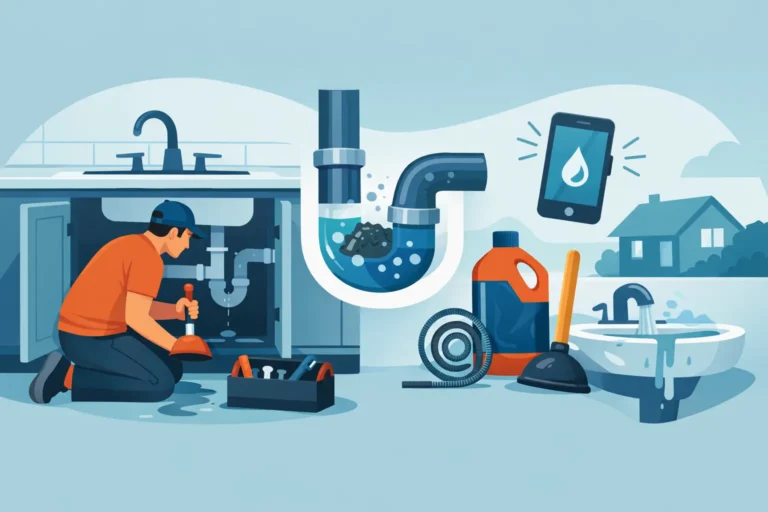
A drain that keeps clogging is rarely just a drain that needs “something run through it.” When homeowners ask about jetting versus cabling, the right answer depends on what is actually inside the pipe, how severe the blockage is, and whether the line itself is in good condition.
A cable machine and high-pressure water jetter are both professional drain-cleaning tools. They do different jobs. One may be the sensible, cost-effective choice for a straightforward clog. The other can remove years of buildup that a cable simply cuts through. No guessing. No unnecessary work. A camera inspection can show the cause before work begins, so you know why a particular method is being recommended.
Jetting Versus Cabling: The Main Difference
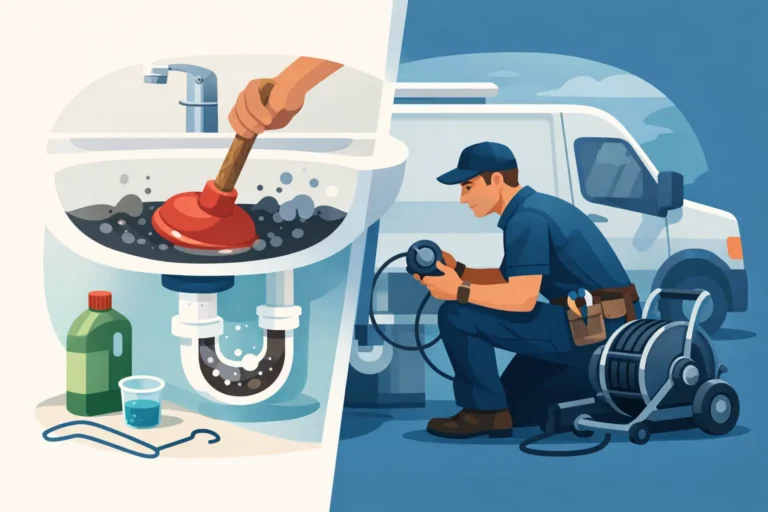
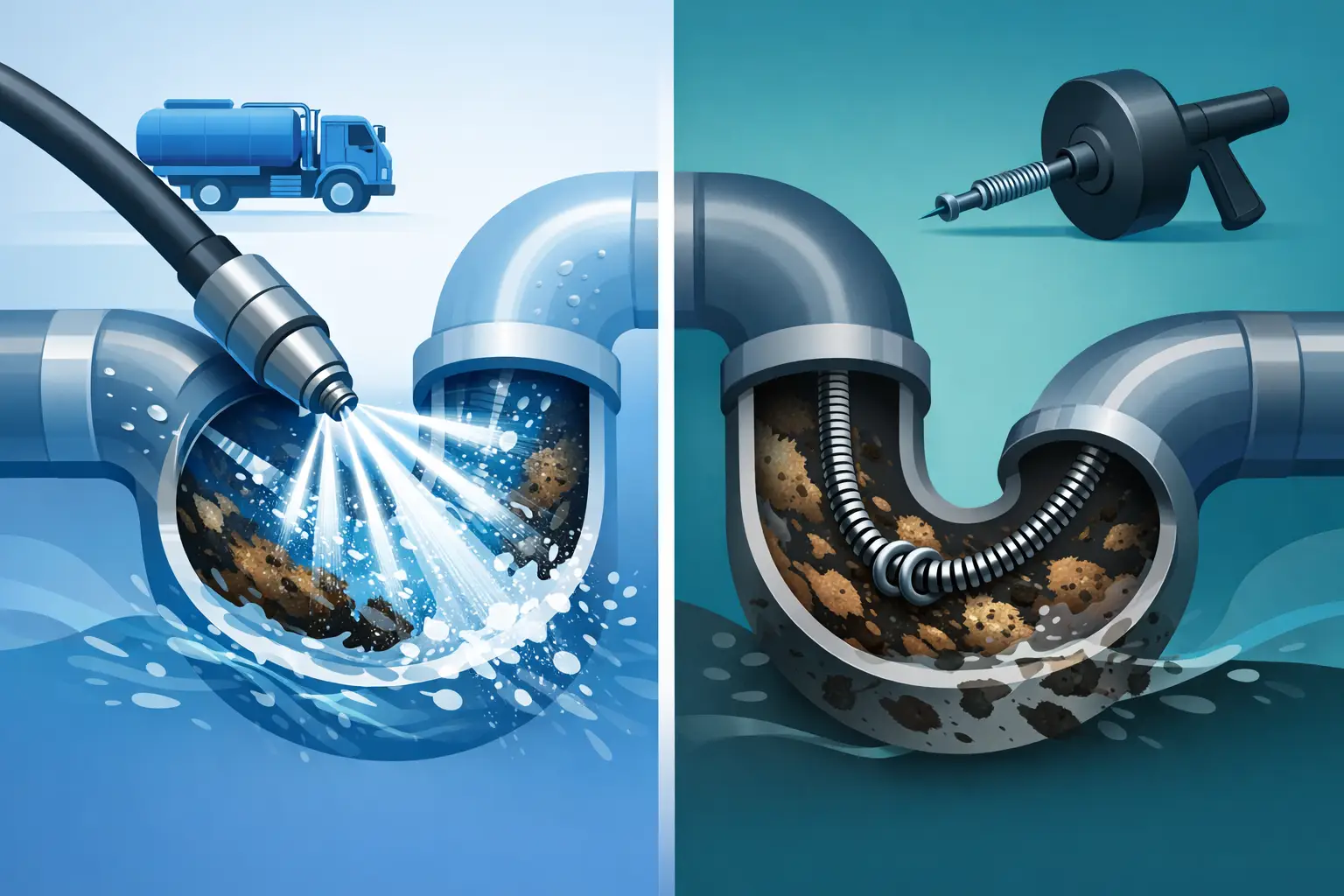
Cabling uses a flexible steel cable with a cutting head attached to the end. The technician feeds the cable into the drain, where the rotating head breaks apart or pulls through an obstruction. It is often called snaking, although professional cabling equipment is much more capable than a small hand snake from a hardware store.
Hydro jetting uses a specialized hose and nozzle that sends high-pressure water through the pipe. The water scours the inside walls of the drain while pushing loosened debris downstream. Instead of creating a path through a clog, jetting is designed to clean the pipe more thoroughly.
Think of a cable as a tool that can open a blocked path. Jetting is more like washing the pipe from the inside out. Both methods have a place, but neither should be chosen just because it is the fastest-sounding option.
When Cabling Is the Better Choice
Cabling is often a good fit for a localized blockage, especially when a drain has stopped flowing because of hair, paper products, a small object, or a concentrated mass of debris. A bathroom sink, shower, toilet line, or kitchen drain may have a clog close enough to the fixture that a cable can clear it effectively.
It is also useful when roots have entered a sewer line. A properly selected cutting head can cut through root masses and restore flow. That does not mean the roots are gone for good. Roots generally return if there is a cracked joint, separated pipe connection, or other opening that allows them inside. But cabling can be the right first step when the immediate goal is to relieve a backup and assess what is happening in the line.
Cabling may make sense when a camera inspection shows that the pipe is fragile, damaged, badly offset, or partially collapsed. High-pressure water is not automatically appropriate for every older drain line. The condition of the pipe matters as much as the clog itself.
A cable clears many common problems quickly. Its limitation is that it often makes a hole through the blockage without fully removing the residue attached to the pipe walls. If grease, soap scum, scale, or sludge remains, the drain may begin slowing down again sooner than expected.
When Hydro Jetting Makes More Sense
Hydro jetting is often the stronger choice for recurring clogs and heavy buildup in a main sewer line or kitchen drain line. Grease is a common example. Over time, cooking grease, food residue, and soap can coat the inside of a kitchen pipe. A cable may punch through that layer, but it may not remove enough of it to prevent another blockage.
Jetting can also be effective for mineral scale, sludge, sediment, and organic debris that has collected over a long stretch of pipe. This is especially helpful when several fixtures drain slowly, gurgle, or back up at the same time. Those signs often point to a problem farther down the main line, not a simple clog in one sink.
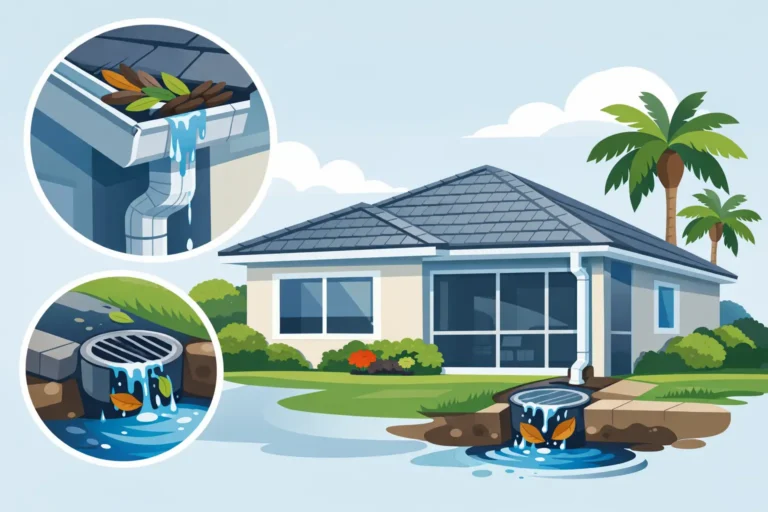
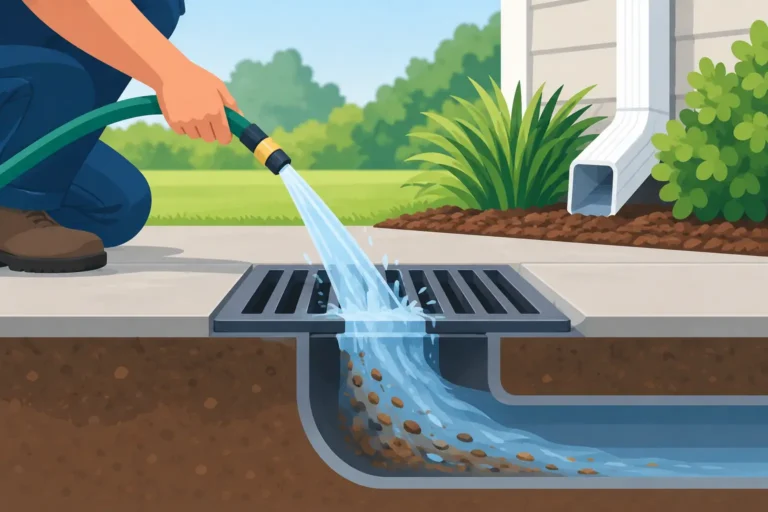
For Florida homes with exterior drainage systems, jetting can help clear storm drain lines blocked by mud, leaves, sand, and accumulated yard debris. Standing water near a driveway drain, patio drain, or yard catch basin can become a bigger concern when heavy rain arrives. Cleaning the line before the next storm is far easier than dealing with water pooling where it should not.
Jetting is not simply “more powerful,” and it should not be used blindly. A technician should inspect the pipe first when there are signs of damage, repeated root intrusion, or an older line with an unknown history. The goal is to clean the drain safely and correctly, not force a one-size-fits-all service onto every problem.
Why the Same Clog Can Need Different Solutions
Two homes can have the same symptom and completely different causes. For example, a kitchen sink that drains slowly could have a short grease blockage under the sink, a heavily coated branch line, or a main-line restriction affecting the whole house. A toilet that backs up may have excess paper in the line, roots at a pipe joint, or a damaged section of sewer pipe.
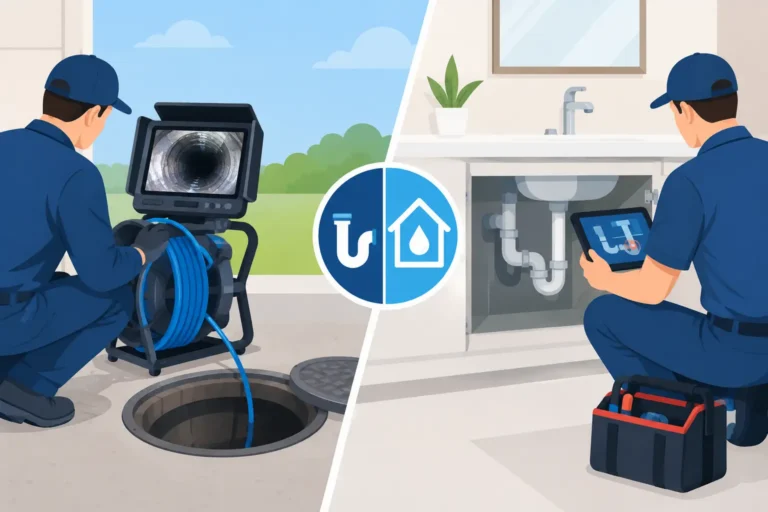
That is why a camera inspection matters. It lets the technician see whether the line contains buildup, roots, standing water, a foreign object, cracked pipe, or a belly where the pipe has sagged and collects waste. The video also helps identify where the issue is located.
Without that information, choosing between jetting and cabling can become trial and error. With it, the recommendation can be based on the condition inside your actual drain line. You should be able to see the findings and hear a plain-language explanation of the options before approving additional work.
Root Intrusion Is a Special Case
Roots are common in underground sewer lines because they seek moisture. Even a small opening in a pipe joint can attract them. Once inside, they trap toilet paper and other debris until the line begins to back up.
Cabling is often used to cut through roots and get the line flowing again. Jetting may then be considered to flush out the cut material and clean remaining debris from the pipe. Whether both services are appropriate depends on the pipe material, the extent of the root growth, and what the camera shows after the line is opened.
Neither method repairs the opening that allowed roots in. If the camera reveals a broken pipe, separated joint, or major offset, cleaning the line may provide short-term relief, but the underlying defect should be discussed honestly. A clear diagnosis helps you plan for the right repair instead of paying repeatedly to treat the same symptom.
What Homeowners Can Expect From a Professional Visit
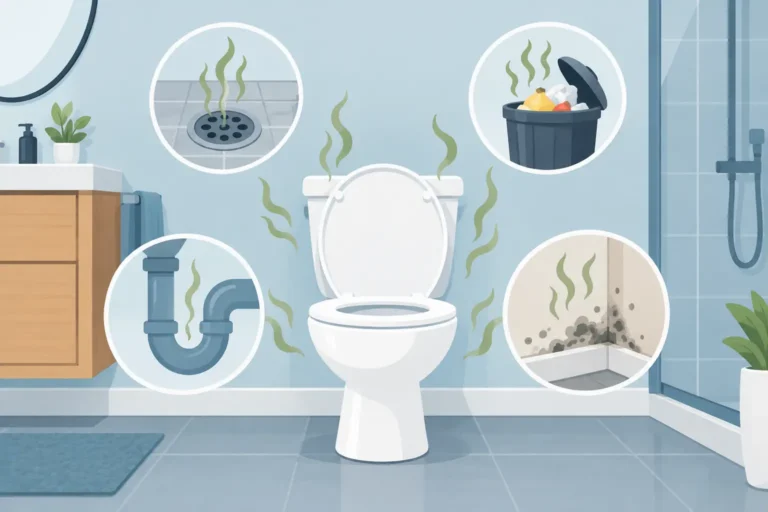
A dependable drain-cleaning visit should begin with questions about what you are seeing. Is one fixture affected, or several? Did the problem start suddenly? Are there gurgling sounds, drain odors, water around a cleanout, or wet spots in the yard? These details help narrow down where to inspect.
The technician should then evaluate access to the line and recommend the appropriate equipment. If a camera inspection is needed, it should be used to identify the blockage and check the pipe condition. From there, you should receive a straightforward explanation: cable the line to break up a localized obstruction, use jetting to remove widespread buildup, or take a different approach if the camera shows damage.
After the work is complete, the drain should be tested and the outcome explained. If there is a condition that cleaning cannot fix permanently, you deserve to know that clearly. Good service means solving the immediate problem while being honest about what may come next.
Avoid Chemical Drain Cleaners Before Either Service
When a drain is slow, it is tempting to pour in a chemical cleaner. These products can be harsh on some pipes and may not reach or remove a blockage deep in the line. They can also leave corrosive liquid sitting in a backed-up drain, creating a safety concern for anyone who later works on it.
If you have already used a chemical product, tell the technician before service begins. Do not keep adding more when the drain does not improve. A professional inspection and the right mechanical cleaning method are usually a safer path to finding the real issue.
If you are dealing with recurring clogs, foul odors, gurgling fixtures, a main-line backup, or standing water near an exterior drain, do not settle for a temporary opening in the pipe. USA Drain Cleaning can inspect the line, explain whether cabling or jetting fits the problem, and leave you with a clear picture of what was done. The best next step is simple: address the cause while it is still a drain problem, before it becomes water where it does not belong.