What Causes Slow Kitchen Sink Drainage at Home?
A kitchen sink that takes a little longer to empty is easy to ignore – until rinsing one plate leaves a pool of cloudy water behind. Slow kitchen sink drainage usually starts with buildup close to the sink, but it can also point to a blockage farther down the line. The right response depends on what else is happening in your home. No guessing. No unnecessary work.
Why slow kitchen sink drainage happens
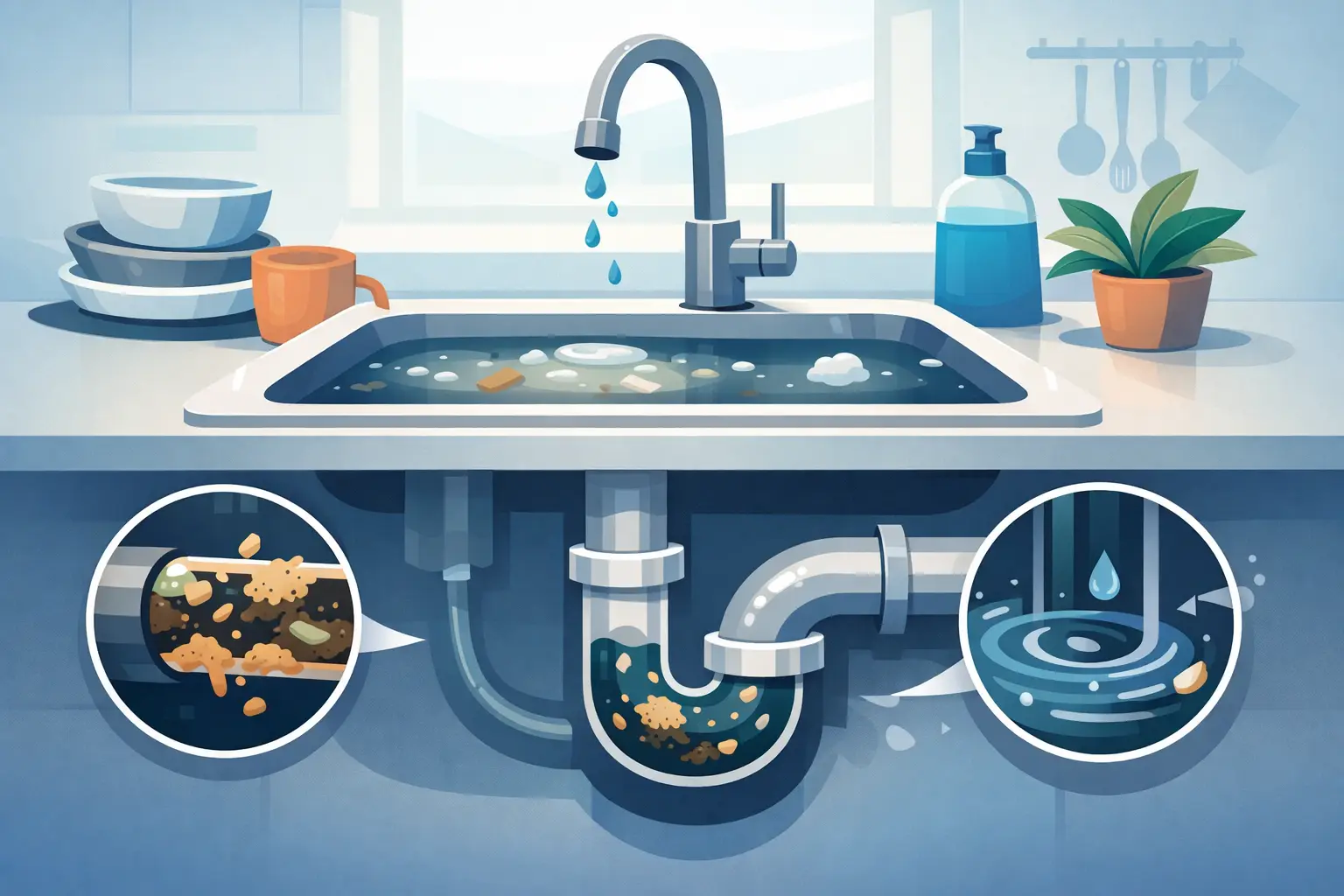
Kitchen drains handle a steady mix of grease, dish soap, food particles, coffee grounds, and residue from cookware. Even if you are careful, small amounts of these materials enter the drain over time. Grease is especially troublesome because it may go down warm and liquid, then cool and cling to the inside of the pipe.
That sticky layer catches food scraps and other debris. The opening inside the pipe gets smaller, water moves more slowly, and a minor inconvenience can become a complete clog. In many homes, the blockage is in the trap or the short branch line directly below the sink.
Sometimes, though, the kitchen sink is only where you notice the problem first. If water backs up in another fixture, you hear gurgling from nearby drains, or the sink slows down again soon after being cleared, the restriction may be farther along in the plumbing system. Older pipes, heavy mineral or grease buildup, damaged pipe sections, and root intrusion can all create recurring drainage trouble.
Signs the kitchen sink needs more than a quick rinse
A single slow drain after a large meal may improve with basic cleaning. Repeated symptoms deserve closer attention, particularly if they are getting worse. Watch for water that pools every time you run the faucet, a foul odor that returns after cleaning, bubbling or gurgling sounds, or water rising in the other side of a double-bowl sink.
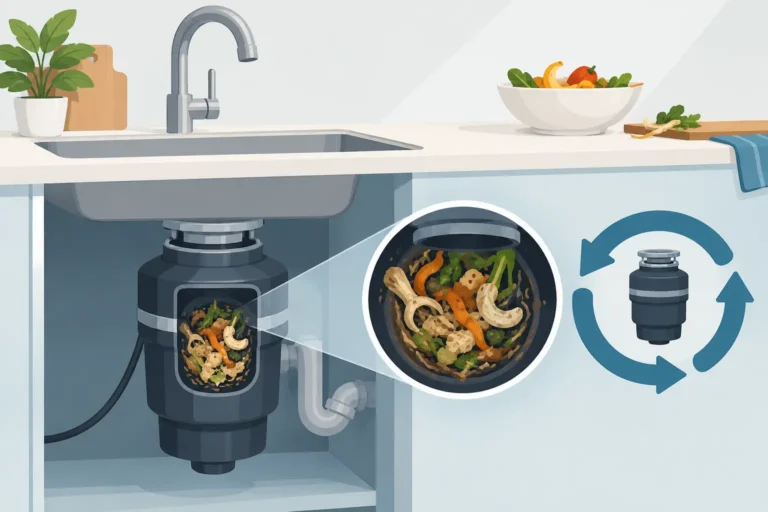
A garbage disposal can also make the cause harder to spot. If the disposal runs but water still drains slowly, the issue may be below the disposal rather than inside it. If the disposal hums without turning, turn it off and address that problem before trying to clear the drain.
The biggest warning sign is drainage trouble beyond the kitchen. A kitchen sink that slows down at the same time as a nearby bathroom sink, dishwasher, or washing machine may indicate a larger branch-line or main-line issue. That is not the time to keep adding drain cleaner and hoping for the best.
Why recurring clogs matter
A clog that returns in days or weeks is rarely solved for good. A plunger or small drain tool may create a narrow path through the blockage, allowing water to pass temporarily while grease and debris remain attached to the pipe walls. The drain looks fixed, but the underlying restriction is still there.
Recurring clogs can also signal a pipe condition that cannot be seen from the sink. A camera inspection shows where the blockage is, how much buildup is present, and whether the pipe itself has a problem. That information helps avoid paying for work that does not match the real cause.
Safe first steps for slow kitchen sink drainage
Start with the simplest checks. Remove dishes from the sink, take out the stopper or strainer, and clean away visible food debris. If you have a double sink, make sure both sides are clear. Then run hot tap water for a minute to see whether normal flow returns.
If the sink remains slow, a plunger can help with a soft blockage near the drain opening. Add enough water to cover the plunger cup. On a double-bowl sink, seal the opposite drain with a wet rag or stopper so pressure stays in the line you are plunging. Use several firm, controlled strokes, then test the drain.
You can also check the dishwasher connection if water appears in the sink when the dishwasher drains. A blocked dishwasher hose, air gap, or connection can contribute to backup symptoms. This is especially worth checking when the sink problem started after running a dishwasher cycle.
Avoid forcing objects deep into the drain or disassembling pipes if you are not comfortable doing so. The trap under the sink can hold dirty water, and loose connections can create a cabinet leak. If you do remove and clean the trap, place a bucket underneath, inspect the washers before reassembly, and test carefully for drips afterward.
Skip the chemical drain cleaner
Strong liquid drain cleaners are a common first purchase, but they are not a dependable answer for kitchen buildup. They may fail to reach the full blockage, particularly when standing water is present. They can also sit in the pipe, create harsh fumes, and make later hands-on work more hazardous.
Chemical products are not a good match for every pipe material or every type of clog. Using more product after the first attempt fails does not necessarily improve the result. It can leave corrosive material in the line while the drainage problem continues.
A professional cleaning approach removes buildup mechanically or with the right equipment for the pipe and blockage. That is more useful than burning a small opening through grease and hoping it stays clear.
When to schedule professional drain cleaning
Call for professional help when basic cleaning and careful plunging do not restore normal drainage, when the same kitchen clog keeps returning, or when other drains start acting up. You should also schedule service promptly if wastewater backs up into the sink, there is a persistent sewage-like odor, or you see leaks beneath the cabinet.
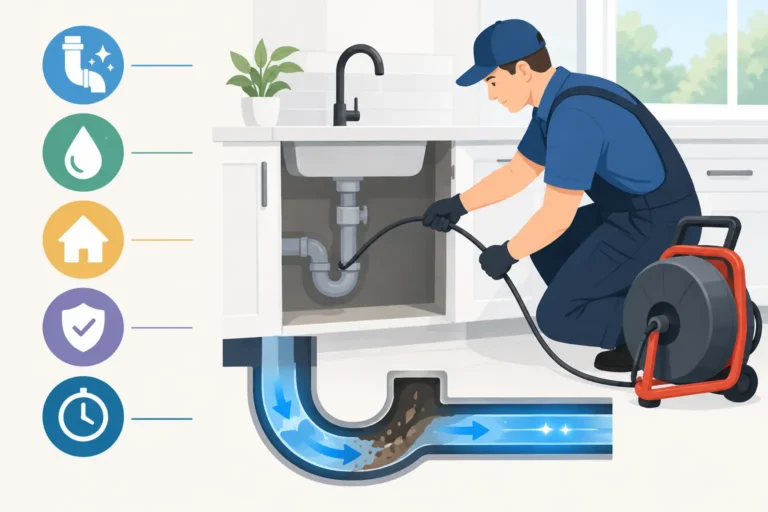
For a straightforward blockage near the kitchen, professional drain cleaning may be all that is needed. For repeat problems or unclear symptoms, a video camera inspection is often the better next step. The technician can inspect the interior of the line rather than treating every slow drain as the same problem.
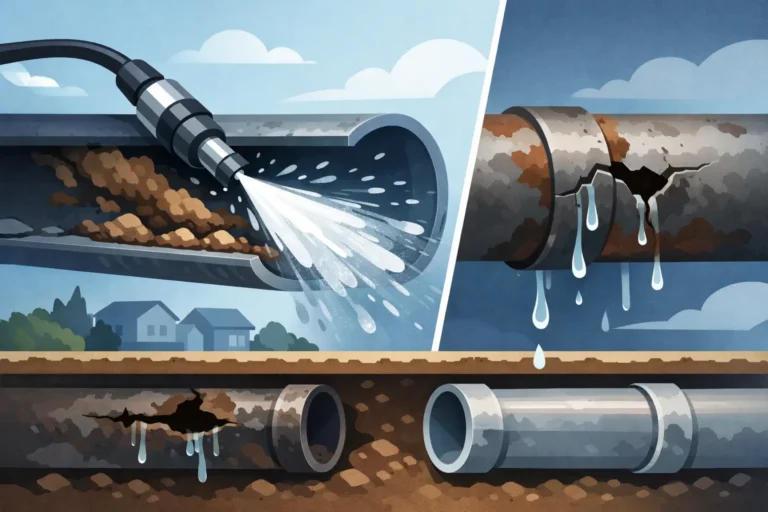
This matters because the right solution changes with the diagnosis. Grease buildup may need thorough cleaning along a longer section of pipe. A broken, offset, or root-filled line needs a different plan. High-pressure jetting can clear accumulated residue effectively in suitable lines, but it should be used based on the pipe condition, not as a one-size-fits-all answer.
At USA Drain Cleaning, the goal is to identify the source, explain what the camera or cleaning process shows, and recommend only the work the drain needs. Homeowners should know what caused the issue and what was done to correct it before the job is finished.
How to help keep the kitchen drain clear
Good habits reduce buildup, although they cannot correct an existing pipe issue. Let grease and cooking oil cool in a container, then throw it away rather than rinsing it into the sink. Scrape plates into the trash before washing them, and use a sink strainer to catch food particles.
Coffee grounds, eggshells, pasta, rice, flour, and fibrous vegetable scraps are frequent troublemakers. A garbage disposal is not designed to make every food waste item safe for the drain. Run cold water while using it, use small amounts at a time, and continue running water briefly after the disposal stops.
Regularly cleaning the stopper and strainer can prevent odor-causing debris near the opening. Still, if slow drainage returns despite careful use, do not assume you are doing something wrong. The buildup may already be deeper in the line.
A slow kitchen sink is often manageable when addressed early. Pay attention to whether the issue is isolated, recurring, or spreading to other fixtures. A clear diagnosis now can save you from a backed-up sink during the next busy dinner cleanup – and give you a drain that works the way it should.