Hidden Pipe Buildup Case Study for Recurring Clogs
A kitchen sink that drains slowly is annoying. A kitchen sink that drains slowly again two weeks after it was cleared is a warning sign. This hidden pipe buildup case study follows a common situation for Lake County homeowners: a drain that appeared to be fixed, but kept returning because the real problem was still coating the inside of the pipe.
The homeowner did not need a bigger bottle of drain cleaner or a guess about what might be happening underground. They needed to see the condition of the line, remove the buildup causing the restriction, and confirm that water could flow properly again.
The Problem: A Clog That Would Not Stay Gone
The homeowner first noticed water lingering in the kitchen sink after washing dishes. At first, it drained slowly enough to ignore. Then the sink began gurgling, and water occasionally backed up into the other basin. A basic clearing improved the flow for a short time, but the slow drain returned.
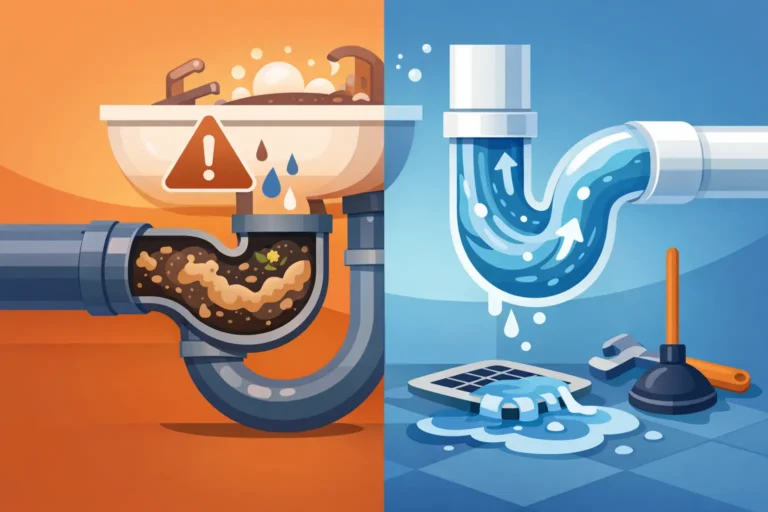
That pattern matters. A one-time clog can be caused by food waste, grease, or an item lodged near the drain opening. A recurring clog often means material is still attached to the pipe walls farther down the line. Each use sends water through a narrowed passage, but there is not enough open space for normal flow when the sink is handling grease, soap residue, and food particles.
The homeowner had tried a store-bought chemical product before calling for help. It did not solve the issue, and that is common. Chemical cleaners may move a small opening through soft material, but they do not reliably remove hardened grease and scale lining an older drain pipe. They can also be hard on certain plumbing components when used repeatedly.
Why a Camera Inspection Changed the Answer
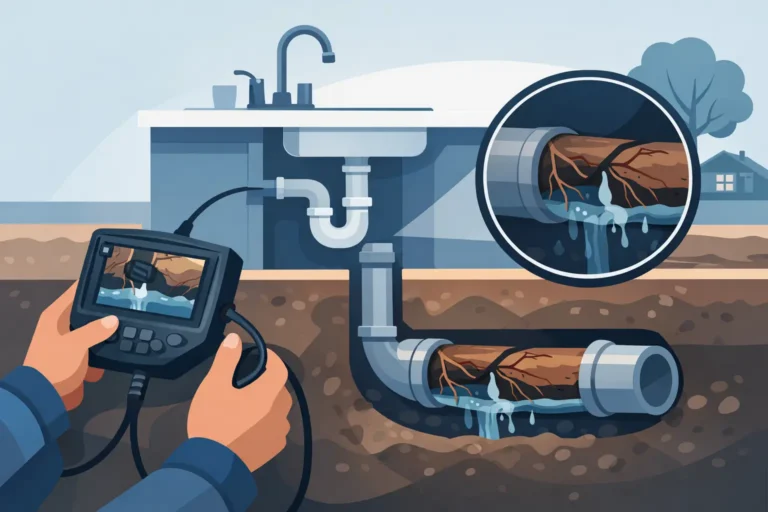
A drain can seem clear at the fixture and still have a serious restriction farther along. That is why a camera inspection was the right next step in this case. Instead of treating the symptom again, the technician fed a small camera through the drain line to locate the problem and assess the pipe condition.
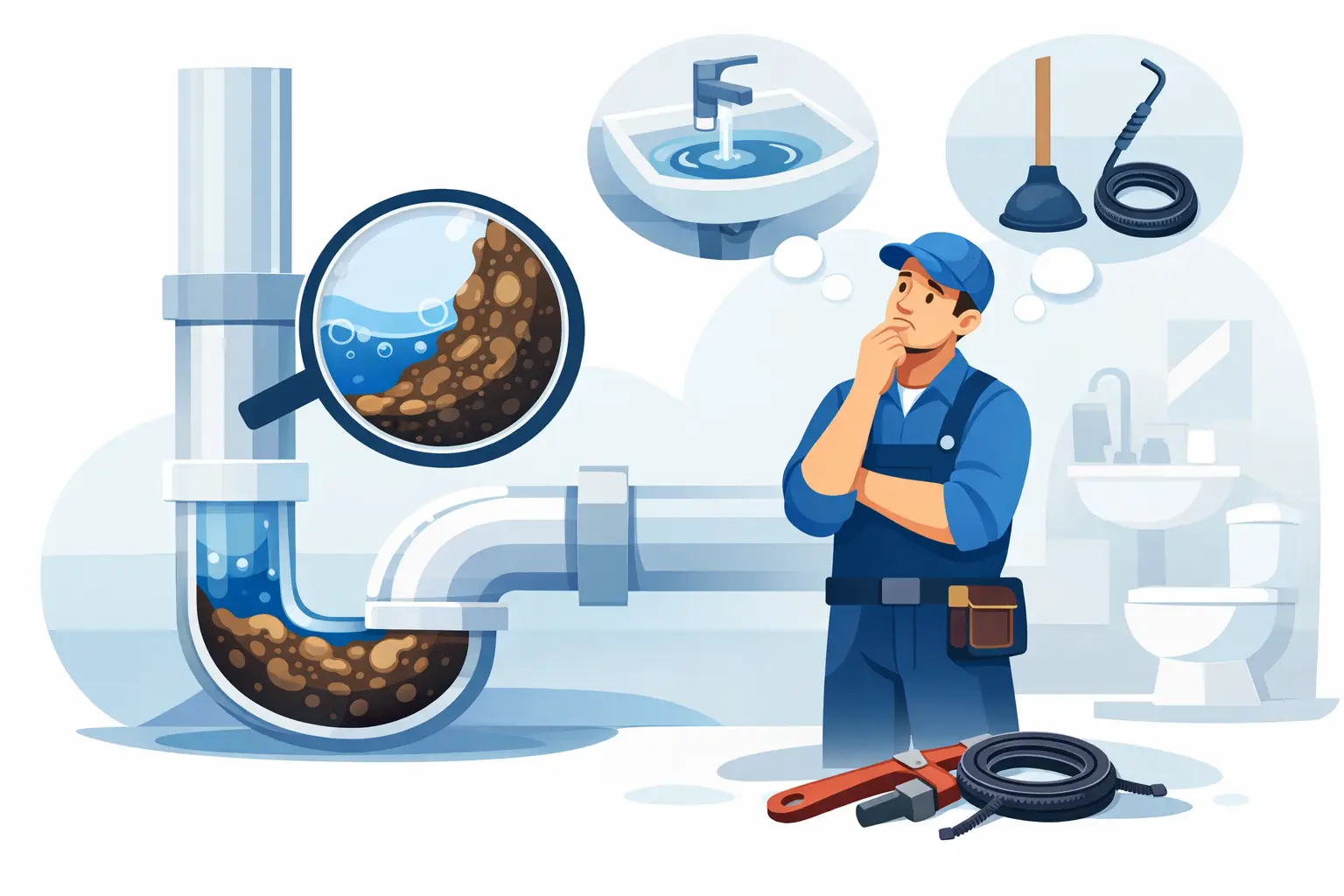
The camera showed heavy, uneven buildup along a section of the kitchen branch line. Grease had collected over time, catching soap residue and fine food debris. The pipe was not fully blocked, which explained why the sink drained sometimes. But the interior opening had become significantly smaller than the pipe itself.
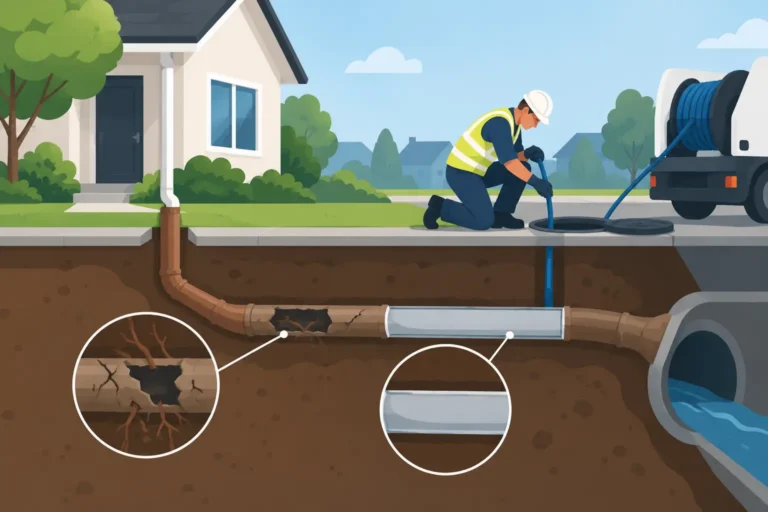
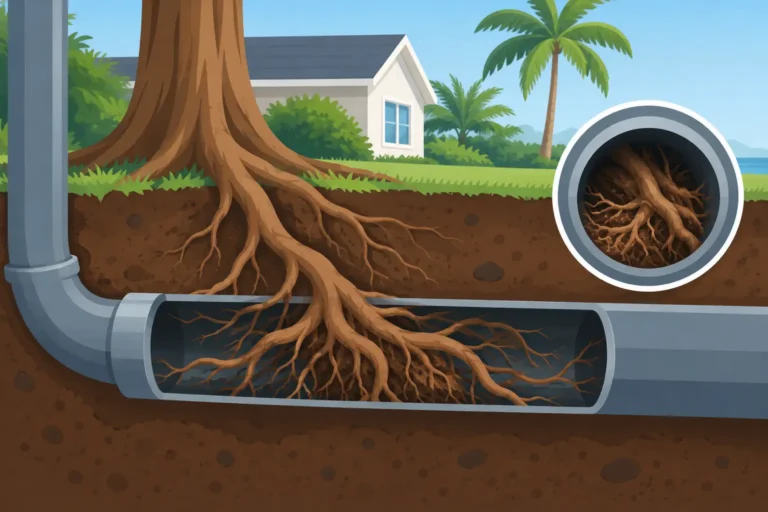
The inspection also ruled out other concerns. There was no collapsed pipe, no visible break, and no root intrusion in the section inspected. That distinction helped the homeowner make an informed decision. Replacing a line would have been unnecessary. A basic quick cable pass would have been temporary. The appropriate solution was to clean the pipe walls thoroughly.
This is the value of diagnostic transparency. A camera does not make every drain problem complicated. It makes the condition visible, so the work can match the problem. No guessing. No unnecessary work.
The Cleaning Approach: Remove the Buildup, Not Just the Opening
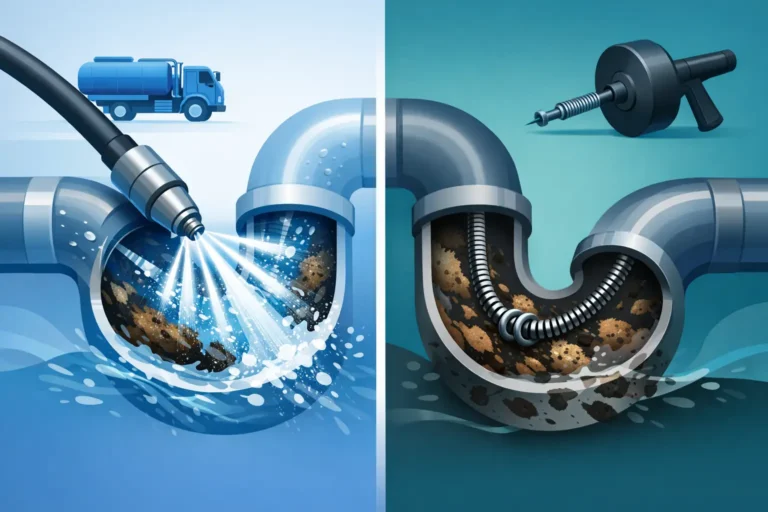
A conventional drain cable can be useful when an object or concentrated clog is blocking a line. It cuts or pulls through the obstruction to restore flow. But when buildup is spread along the pipe walls, a cable can leave much of that material behind. Water may start moving, while the line remains narrowed and ready to clog again.
For this type of hidden pipe buildup, professional high-pressure jetting was the better fit. The equipment sends pressurized water through a specialized hose and nozzle designed to break up and flush grease, sludge, and residue out of the pipe. The goal is not simply to punch a hole through the blockage. It is to restore as much of the pipe’s usable interior as possible.
The technician selected the cleaning method based on the camera findings and the pipe’s condition. That step matters because not every pipe should be treated the same way. Older, damaged, or severely compromised lines may need a more cautious approach. A professional inspection helps determine whether thorough cleaning is appropriate or whether repair should be considered first.
As the line was cleaned, loosened material was moved through the system and out of the restricted area. The work area inside the home was protected, and the homeowner was kept informed about what was being done and why.
The Proof Was in the Follow-Up View
A drain that sounds better is not always a drain that is clean. After the line was treated, a follow-up camera view showed a noticeably clearer pipe interior and a more open path for water to travel.
The sink was then tested with running water. It drained normally without the previous gurgling or backup between basins. More importantly, the homeowner could see the difference between the first camera image and the post-cleaning condition. That visual confirmation removed the uncertainty that often comes with recurring drain problems.
USA Drain Cleaning uses this approach because homeowners deserve a clear explanation before approving work and a clear result after it is completed. When a drain problem is hidden inside a pipe, the answer should not be based on assumptions.
What This Case Study Means for Your Home
Pipe buildup develops gradually, especially in kitchen lines. Grease is a major contributor, but it is not the only one. Soap, detergent residue, coffee grounds, food particles, mineral deposits, and other debris can collect in low spots or rough areas inside the line. Florida’s hard water can also contribute to mineral scale in some homes.
A few warning signs suggest that buildup may be more than a simple clog:
- A sink, tub, or shower drains slowly again soon after being cleared.
- You hear gurgling when water runs or when another fixture drains.
- Kitchen drain odors return even after the disposal and sink trap are cleaned.
- Water backs up into a nearby fixture, such as the second kitchen basin.
- Several fixtures are draining slowly, which can point to a larger branch or main-line issue.
These symptoms do not always mean the same thing. A bathroom drain may be dealing with hair and soap. A kitchen line may have grease buildup. Multiple slow fixtures could indicate a main-line restriction, roots, or another issue farther from the home. That is exactly why the diagnosis should come before the treatment.
When a Quick Fix Is Reasonable and When It Is Not
There is a place for simple maintenance. Removing visible hair from a bathroom stopper, cleaning a sink trap, or using a plunger for a minor one-time clog can be reasonable homeowner steps. Avoid forcing harsh chemicals into a drain that is completely backed up, especially if you may need professional service afterward. The product can remain in standing water and create a safety concern for anyone opening the line.
If the same drain keeps slowing down, if water backs up, or if you smell sewage-like odors, it is time to stop repeating the same temporary fix. A camera inspection can show whether the trouble is buildup, roots, pipe damage, a belly in the line, or a blockage farther downstream.
For exterior drainage, the same principle applies. Standing water near a storm drain after heavy rain may be caused by leaves, sand, and yard debris trapped where you cannot see it. Clearing the grate alone may not clear the drain line below it. A proper inspection and cleaning can help protect driveways, yards, and walkways when the next hard Florida rain arrives.
A drain should not become part of your weekly routine. If yours keeps demanding attention, ask for a clear look inside the line and a solution that addresses what is actually there. That small step can save you from another weekend spent waiting for water to go down.