Can Jetting Damage Old Pipes? What to Know
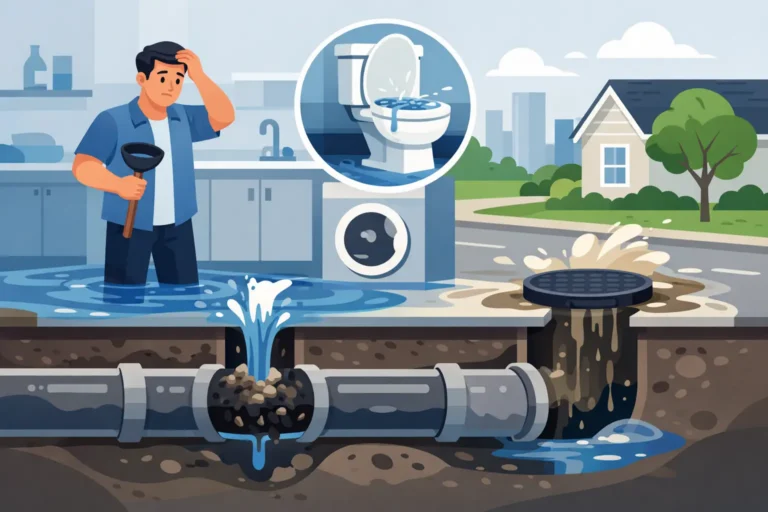
A main drain that keeps backing up can make any Lake County homeowner want the fastest possible fix. But can jetting damage old pipes? It can, if a pipe is already cracked, badly corroded, collapsed, or improperly assessed before work begins. Used at the right pressure after a camera inspection, professional hydro jetting is often a safe and effective way to clear years of grease, sludge, roots, and buildup from an aging drain line.
The key is knowing what the pipe is made of, what condition it is in, and what is actually causing the blockage. No guessing. No unnecessary work.
What Hydro Jetting Actually Does
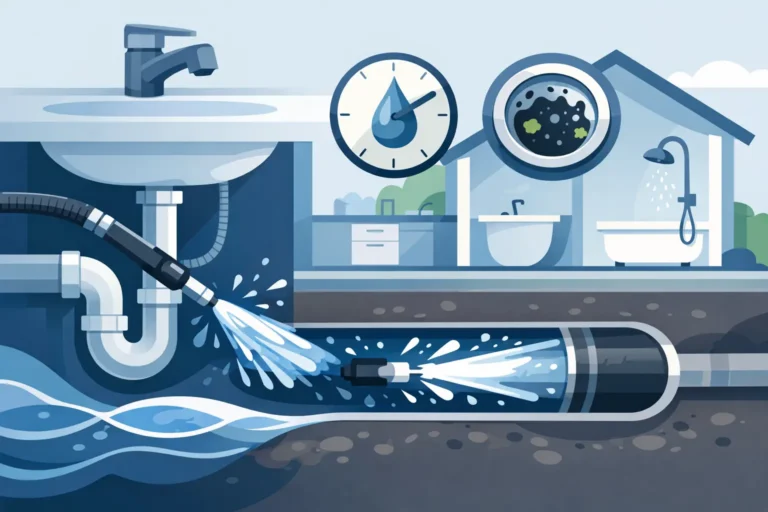
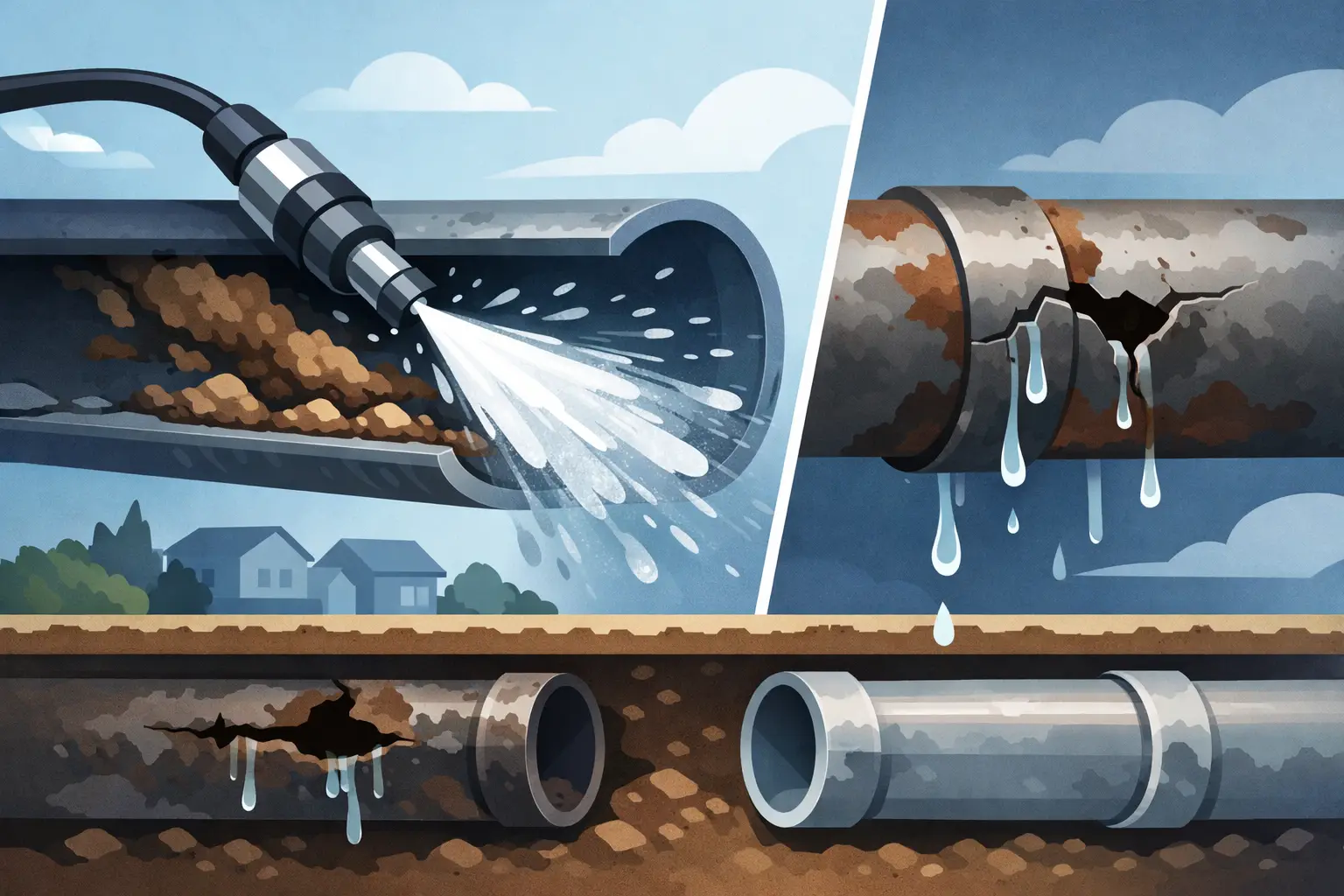
Hydro jetting uses a specialized hose and nozzle to send high-pressure water through a drain or sewer line. The nozzle sprays water forward to help break through the blockage and backward to scrub debris from the pipe walls while pulling the hose through the line.
Unlike a drain snake, which may open a small path through a clog, jetting is designed to clean more of the pipe interior. That makes it especially useful for heavy grease buildup, recurring kitchen drain clogs, soap residue, mineral scale, and root intrusion in a main sewer line.
Jetting is not meant to force a damaged pipe back into service. It is a cleaning method, not a repair. If the line has a major break or has lost its shape underground, pushing high-pressure water through it without first checking its condition can make an existing problem worse.
Can Jetting Damage Old Pipes? It Depends on Their Condition
Age alone does not automatically make a drain line too fragile for hydro jetting. Many older pipes can be cleaned safely by a trained technician using the proper nozzle, water pressure, and technique. The risk comes from hidden damage that may already be present.
Older homes may have cast iron, clay, galvanized steel, or Orangeburg drain pipes. Each material has its own concerns. Cast iron can corrode from the inside out, leaving rough walls that collect waste and eventually develop thin spots. Clay pipe sections can shift, crack, or separate at their joints. Orangeburg, a fiber-based pipe material used in some older homes, can soften, deform, or collapse over time.
If a pipe is structurally sound but coated with buildup, jetting may be exactly what it needs. If the camera shows deep corrosion, open joints, a severe belly, a collapse, or a large crack, cleaning alone may not be the responsible next step. A reputable drain professional should explain what the camera shows and discuss the appropriate repair or replacement options before proceeding.
Why a Camera Inspection Comes First
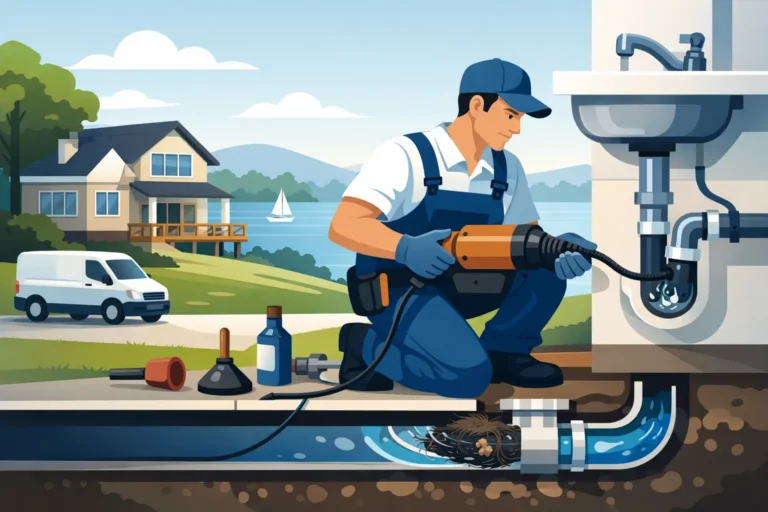
A video camera inspection removes the uncertainty. A small waterproof camera travels through the drain line and shows where the blockage is located, whether roots are present, and how the pipe is holding up.
This matters because the same symptom can come from very different causes. A slow bathtub and gurgling toilet may point to a main-line restriction. That restriction could be a heavy layer of scale in an old cast iron pipe, roots entering through a clay joint, a flushed object, or a section of pipe that has partially collapsed. The right solution depends on the cause.
Before recommending jetting for an older line, a technician should look for signs such as:
- Cracks, holes, separated joints, or a collapsed section
- Severe corrosion or scaling that has weakened the pipe wall
- A sagging section where water and debris repeatedly collect
- Heavy root intrusion that has displaced or damaged the line
A camera inspection also provides a clear baseline. After cleaning, another look can confirm whether the line is flowing freely and reveal any repair concerns that debris may have been hiding. You can see the issue for yourself instead of being asked to take someone’s word for it.
When Hydro Jetting Is Often a Good Choice for Older Drains
Jetting can be a practical option when the pipe is intact but dirty. Old drain lines commonly develop a rough interior surface over decades of use. Grease clings to those rough walls, then catches food particles, soap residue, hair, and other debris. A cable may restore flow for a while, but the remaining buildup can lead to another clog sooner than expected.
For a structurally stable cast iron line with internal scale, controlled jetting can remove the material that is narrowing the passage. For clay sewer lines with minor root growth at the joints, it can clear roots and restore flow, provided the inspection does not show serious displacement or breakage.
Florida’s wet weather can also expose drainage problems quickly. Exterior storm drains, yard drains, and driveway drains collect leaves, mulch, sand, and roof runoff. When a blocked system leaves water pooling near your home after a hard rain, jetting may help clear the line if the pipe and connections are in serviceable condition.
The goal is not to use the most powerful setting possible. The goal is to use the right equipment for the specific line and blockage.
Situations Where Jetting May Not Be the Right Answer
There are times when jetting is not worth the risk. If the camera reveals a fully collapsed line, a large missing section, or pipe walls that are severely deteriorated, the water pressure can wash more soil into the damaged area or expose a failure that was already close to happening.
That does not mean jetting caused the original damage. It means the cleaning process found a pipe that had reached the end of its useful life. This distinction matters when making a repair decision. A drain may have appeared to work because the blockage and surrounding soil were partially holding a broken pipe together. Once flow is restored or debris shifts, the underlying failure becomes more obvious.
Jetting is also not the first choice for every simple clog. A single bathroom sink stopped by hair near the drain may only need a targeted mechanical cleaning. Using a high-pressure machine for a small, accessible fixture clog can be unnecessary. Good drain service starts with matching the method to the problem, not treating every backup the same way.
Warning Signs Your Old Drain Line Needs a Closer Look
Recurring clogs are one of the clearest signs that there may be more than a surface-level blockage. If you have had the same line snaked repeatedly and the problem returns every few months, buildup, roots, or structural pipe damage may be involved.
Other warning signs include several fixtures draining slowly at once, toilets that gurgle when water runs elsewhere in the home, foul sewer odors, water backing up into a tub or shower, and wet areas or unusually green patches in the yard near the sewer route. For exterior systems, watch for standing water around storm drains, driveway grates, or low areas after rain has stopped.
These symptoms do not automatically mean you need a new sewer line. They do mean a camera inspection is a sensible next move. It identifies whether cleaning can provide a durable result or whether a damaged section needs attention.
How Professionals Protect Older Pipes During Jetting
Safe hydro jetting is not just about owning a jetting machine. It requires proper diagnosis and control. The technician selects a nozzle appropriate for the pipe size and type of blockage, begins with the correct pressure, and works carefully through the line rather than blindly forcing the hose forward.
The access point matters, too. A cleanout provides a controlled entry into the main line. If a line does not have accessible cleanouts or if the camera shows an obstruction that cannot be safely passed, the technician should explain the limitation instead of taking shortcuts that could damage fixtures or create a mess inside the home.
After the work is complete, the area should be left clean and the results explained plainly. You should know what caused the issue, what was removed, what condition the pipe appears to be in, and whether any next steps are recommended.
A Clear Answer Before Any Work Begins
Old pipes deserve more care, not automatic replacement. In many cases, professional jetting can extend the useful life of an aging drain line by removing the buildup that keeps causing backups. In other cases, the inspection will show that cleaning is no longer the best investment.
If your drains keep clogging or your yard drainage cannot keep up with Florida rain, ask for a camera inspection before agreeing to high-pressure cleaning. USA Drain Cleaning can show you what is inside the line, explain the practical options, and help you decide on work that makes sense for your home and budget.