Why Are Multiple Drains Backing Up at Once?
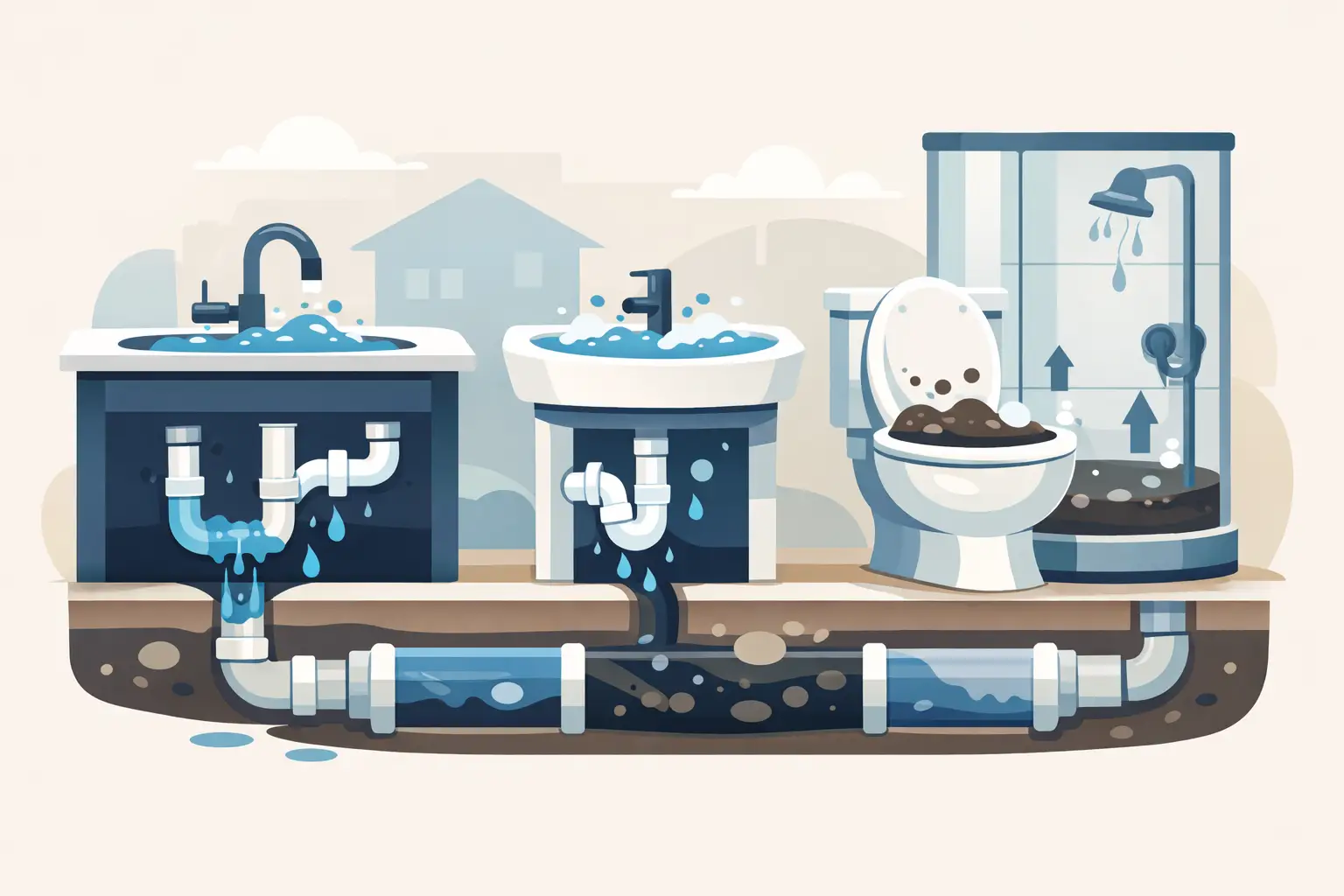
Water rises in the tub when you flush the toilet. The kitchen sink gurgles while the washing machine drains. Then a bathroom drain starts smelling foul. If you are asking, “why are multiple drains backing up?” the problem is usually bigger than a clog in one fixture. Those drains likely share a blocked pipe farther down the system, and continued water use can turn a frustrating issue into a messy backup.
For homeowners in Eustis, Mount Dora, Tavares, Leesburg, and Lady Lake, the right response is not to keep trying chemical cleaner or running more water to see if it clears. Stop using the affected fixtures, protect the area, and identify the source. No guessing. No unnecessary work.
Why Are Multiple Drains Backing Up?
Your home has individual branch drains that carry water from each sink, toilet, shower, and appliance. Those smaller pipes connect to a larger main drain line, which carries wastewater away from the house and into the public sewer connection or septic system.
A clog in one bathroom sink usually affects that sink alone. But when water backs up through several fixtures, the restriction is often in the main line or in a shared branch line serving that part of the home. Water cannot move past the blockage, so it looks for the lowest available opening. That is why a toilet flush may appear in a shower or tub, and why a washing machine can trigger a backup in a nearby floor drain.
The exact location matters. A blockage near one bathroom may affect only that bathroom. A blockage farther down the main line can affect nearly every drain in the house. A professional camera inspection takes the uncertainty out of that decision by showing what is inside the pipe and where the problem begins.
Common Causes of Multiple Drain Backups
Pipe buildup and everyday blockages
Grease, soap residue, hair, food particles, paper products, and other debris do not always create an instant clog. They can build up gradually along the pipe walls until there is not enough open space for normal flow. Older lines or pipes with rough interior surfaces are especially prone to collecting buildup.
This is one reason a drain may seem slow for months before a sudden whole-house backup. A plunger or store-bought product may open a small channel through the material, but it often leaves the buildup on the pipe walls. The problem returns because the underlying restriction was never removed.
Tree root intrusion
Roots seek moisture, and small gaps in underground sewer pipes can provide it. Once roots reach a pipe joint, crack, or weakened section, they can grow inside and catch paper, grease, and debris. Over time, the root mass restricts flow enough to cause repeated clogs and backups.
Root intrusion is common in established Lake County neighborhoods with mature trees. It does not necessarily mean the entire line needs replacement. The best option depends on the condition of the pipe, the amount of root growth, and whether the line has cracks, shifting, or collapse. A camera inspection provides the information needed to make that call honestly.
Damaged, sagging, or collapsed pipes
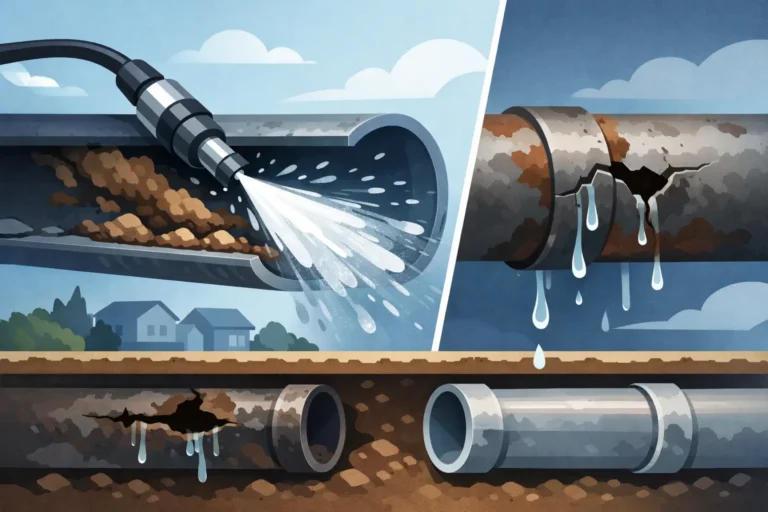
Underground drain lines can shift with age, soil movement, construction activity, or prior repairs. A section may crack, separate at a joint, sag and hold waste, or partially collapse. In those cases, cleaning may restore flow temporarily, but the pipe condition still needs attention.
This is where a clear diagnosis protects your budget. If the pipe is sound and blocked by buildup, thorough cleaning may be the durable fix. If the camera shows a broken or severely offset section, repeatedly clearing the same line will not solve the reason it keeps catching debris.
A full septic system or problem at the sewer connection
Not every multiple-drain backup is caused by a clog inside the home’s piping. If your property uses a septic system, a full tank, saturated drain field, or outlet issue can prevent wastewater from leaving the home properly. Homes connected to a municipal sewer can also experience a problem at the connection point or, less commonly, a downstream public sewer issue.
The symptoms can look similar, which is why it helps to know your home’s setup and inspect the line before approving work that may not address the real cause.
Heavy rain and exterior drainage problems
Florida rain can create a separate, urgent drainage problem around the property. Clogged storm drains, yard drains, driveway drains, and catch basins can leave standing water near entrances, garages, and walkways. These exterior drains are not the same as your home’s sanitary sewer line, but both can demand quick attention after a storm.
If indoor fixtures are backing up, treat it as a wastewater drainage issue. If water is pooling outside after rain, inspect the exterior drainage path. In some properties, both concerns occur at once, but they require different diagnostics and cleaning methods.
What to Do When Several Drains Back Up
First, stop adding water to the system. Do not flush toilets, run the dishwasher, take a shower, or start the washing machine. Even a small amount of additional water can force wastewater out through a tub, shower, or floor drain.
Next, keep children and pets away from the affected area. Wastewater can contain bacteria and contaminants, so avoid direct contact. If water has reached flooring, rugs, or stored belongings, move clean items away only if you can do so safely without spreading contamination.
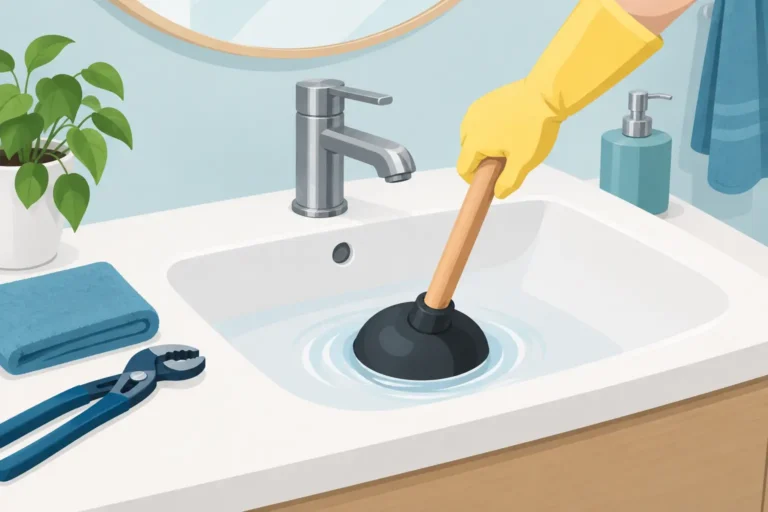
Do not pour chemical drain cleaner into the drains. These products rarely clear a main-line obstruction and can leave corrosive chemicals sitting in the pipe. That creates a safety concern for anyone working on the line later and may damage some plumbing materials. Avoid repeatedly plunging fixtures as well, especially if sewage has appeared in a tub or shower.
If you know where the sewer cleanout is located, leave it accessible for the technician. It is often a capped pipe outside the home, near the foundation or along the path to the street or septic system. Do not remove the cap yourself if the line is under pressure. Wastewater can spill out quickly.
How Professionals Find the Real Problem
A proper service call should begin with the symptoms: which fixtures back up, what triggers the backup, how long it has been happening, and whether the issue follows rain or heavy water use. Those details help narrow down whether the restriction is local, in the main line, or related to a septic or exterior drainage concern.
The line can then be accessed through an appropriate cleanout and cleared using professional equipment. For heavy buildup, roots, or recurring blockages, high-pressure jetting can clean the pipe more thoroughly than simply punching a small hole through the clog. The goal is to restore the usable diameter of the line, not just make water disappear for the day.
A video camera inspection is especially valuable for recurring backups, older homes, root-prone yards, and any line that does not clear as expected. The camera shows whether the pipe contains grease, roots, settled debris, a broken fitting, a belly holding water, or structural damage. You should be able to see the findings and hear a plain-language explanation of the recommended next step.
At USA Drain Cleaning, that diagnostic approach keeps the conversation straightforward: identify the issue, explain the condition of the line, provide a clear quote, and complete the work that actually fits the problem.
When a Backup Needs Immediate Help
Call for professional drain service promptly if wastewater is coming up through a tub, shower, toilet, or floor drain; if several drains fail at the same time; or if the problem returns after basic clearing. These are signs that a shared drain line needs attention.
It is also wise to call when you hear frequent gurgling, notice sewage odors, see toilets bubbling when another fixture drains, or have a drain that repeatedly slows down. Those warnings often arrive before a full backup, giving you a chance to address the line before water reaches your floors.
A multiple-drain backup is stressful, but it does not have to become a cycle of temporary fixes. Shut off the water use, get a clear look at the line, and choose the repair or cleaning method based on what is actually there. A clean, working drain system starts with knowing the cause.