Kitchen Backup Service Example: What Pros Check
A kitchen sink that fills with dirty water while the dishwasher runs is more than an inconvenience. It is often the moment a small drain restriction becomes impossible to ignore. This kitchen backup service example shows what a thorough residential drain visit should look like, why the cause matters, and what homeowners in Lake County can expect when the goal is to fix the problem instead of simply pushing it farther down the line.
The Call: Water Backing Up at the Kitchen Sink
Imagine a homeowner in Tavares notices the kitchen sink draining slowly for several weeks. A little hot water seems to help. Then the garbage disposal starts making a gurgling sound, and the sink briefly backs up after a dishwasher cycle. One evening, water rises into both sides of the sink and leaves behind food particles and a sour odor.
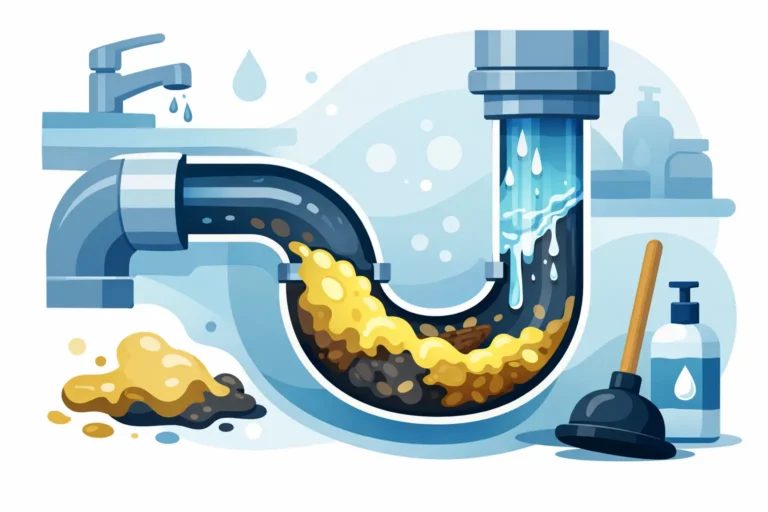
That pattern points to a blockage in the kitchen drain line, but it does not identify the exact location or material causing it. Kitchen lines commonly collect grease, soap residue, food debris, coffee grounds, and starchy residue. Over time, those materials can coat the inside of the pipe until there is only a narrow path left for water to pass through.
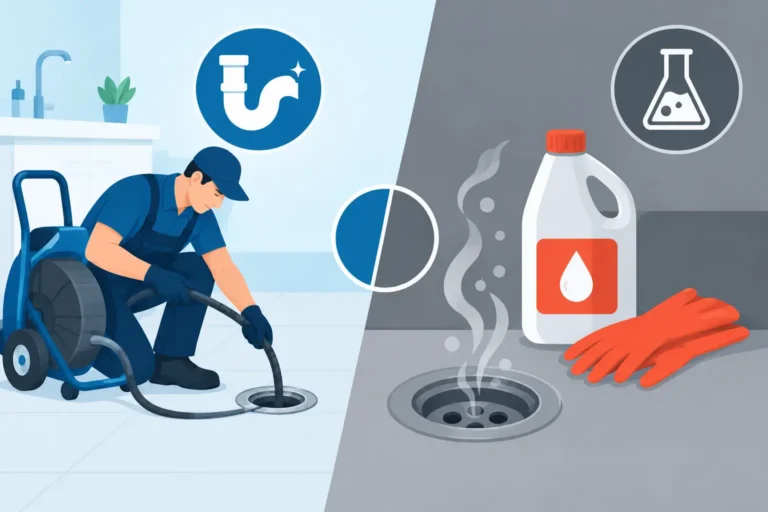
A homeowner may be tempted to use a chemical drain opener at this point. That can be a poor trade-off. Harsh products often fail to remove the buildup, can sit in standing water, and may create a safety concern for anyone who later works on the drain. Repeated plunging can also be messy and may not touch a clog that is farther down the line.
What a Kitchen Backup Service Example Should Include
A professional visit should begin with questions, not assumptions. When did the slow draining start? Does the dishwasher cause the sink to back up? Are other fixtures draining slowly? Has the same clog returned before? The answers help narrow down whether the issue is limited to the kitchen branch line or could involve a larger main-line problem.
The technician should then inspect the accessible parts of the system and explain what they are checking. That may include the sink drain, disposal connection, dishwasher drain hose, trap, and cleanout access. A cleanout provides a better entry point for professional equipment and helps avoid unnecessary disassembly inside the kitchen.
The next step depends on the condition found. If the blockage is near the sink, mechanical drain cleaning may remove it. If years of grease and sludge have narrowed a longer section of pipe, high-pressure jetting can be a better option. Jetting uses water pressure to scour buildup from the pipe walls, not merely poke a small opening through the center of it.
The right method is not always the biggest or most aggressive tool. Pipe material, pipe condition, the location of the blockage, and the amount of buildup all matter. A responsible technician explains the recommended approach and provides clear pricing before work begins. No guessing. No unnecessary work.
Why a Camera Inspection Can Change the Answer
Suppose the kitchen line is cleared and water begins draining again, but the homeowner has dealt with the same backup twice this year. That is a good reason to inspect the line with a drain camera. The camera can show whether grease buildup remains, whether the pipe has a low spot that holds water and debris, or whether there is a crack, offset connection, or root intrusion farther along the system.
For an older home, this information can prevent repeated service calls based on guesswork. A drain may appear clear after a cable is used, yet the camera can reveal a pipe that is heavily coated or damaged. Seeing the condition of the line helps the homeowner understand whether routine maintenance is enough or whether a repair should be considered.
Camera findings should be explained in plain language. Homeowners do not need a technical lecture. They need to know what was found, what it means for their kitchen drain, what work is recommended now, and what can reasonably wait.
Clearing the Clog Without Leaving a Mess Behind
In this example, the technician finds a dense grease and food buildup several feet beyond the kitchen cleanout. The line is still structurally sound, so there is no need to recommend a repair. The technician uses the appropriate professional equipment to clear the restriction and flush the line until water flows freely.
After clearing, the sink is tested with running water. If the dishwasher was part of the original complaint, its drain cycle should also be considered. A proper test confirms that the kitchen line is carrying water away under normal use, not just draining slowly while the technician is standing there.
Clean workmanship matters just as much as the equipment. Kitchen backups can leave dirty water, residue, and odor around cabinets and flooring. The work area should be protected where needed, and the space should be cleaned before the technician leaves. Homeowners should not be left with a functioning drain and a cleanup job of their own.
At the end of the visit, the homeowner receives a straightforward explanation: what caused the backup, what was done to clear it, and what signs to watch for next. If the camera inspection showed a concern, that should be discussed honestly without pressure. Sometimes the right answer is immediate repair. Sometimes it is monitoring the line and scheduling maintenance before another backup occurs.
When a Kitchen Backup May Be a Main-Line Problem
Not every kitchen backup starts and ends in the kitchen. If flushing a toilet causes the kitchen sink to gurgle, or if water backs up in a tub or shower along with the sink, the blockage may be in the main sewer line. That calls for a different level of diagnosis.
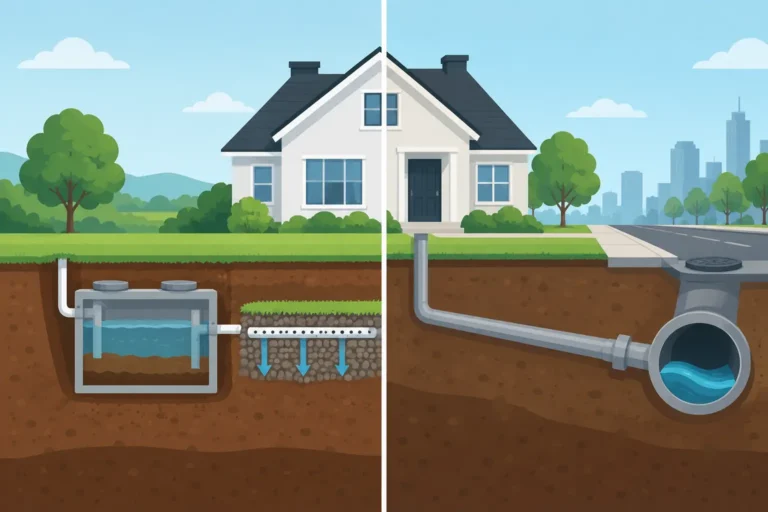
Main-line backups can be caused by root intrusion, pipe damage, heavy buildup, or a blockage farther out in the system. In parts of Lake County with mature trees and older plumbing, roots can enter small openings in drain pipes and grow inside them. The result may be a recurring obstruction that no amount of sink-level plunging will solve.
This is why the full symptom picture matters. A technician who asks the right questions and uses a camera when appropriate can distinguish between a kitchen branch-line clog and a larger drainage issue. That protects your budget from paying for the wrong service and helps prevent another messy backup soon after the first one is cleared.
How Homeowners Can Help Prevent Another Kitchen Clog
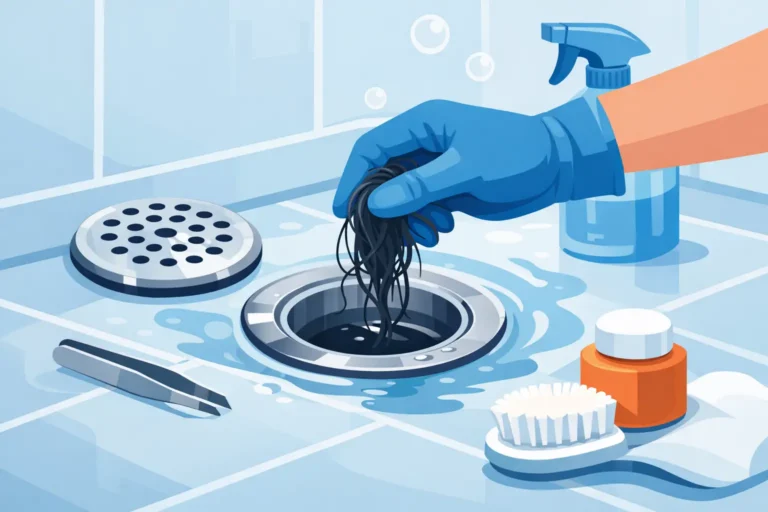
Kitchen drains are built to carry wastewater, not cooking waste. Let grease cool in a container and dispose of it in the trash rather than rinsing it down the sink. Wipe oily pans before washing them, use a sink strainer to catch food scraps, and avoid putting fibrous scraps, coffee grounds, pasta, rice, and large quantities of food through the disposal.
Hot water alone will not dissolve a grease problem that has already built up inside a pipe. It may move softened grease farther down the line, where it can cool and collect again. Regular good habits help, but a drain that has started gurgling, smelling unpleasant, or clogging repeatedly needs attention before it becomes a full backup.
For homes that experience recurring kitchen drain trouble, scheduled professional cleaning may make sense. The best interval depends on how the kitchen is used, the age and layout of the plumbing, and what a camera inspection shows. There is no one-size-fits-all schedule, which is why diagnostics come first.
A kitchen backup is stressful, especially when dirty water is rising near food-prep areas. The useful next step is simple: stop using the affected fixtures, avoid adding chemical cleaners, and have the line checked by a local professional who will identify the cause and explain the options. USA Drain Cleaning serves Lake County homeowners with that practical approach: show up, do the job right, explain the outcome, and leave the property clean.