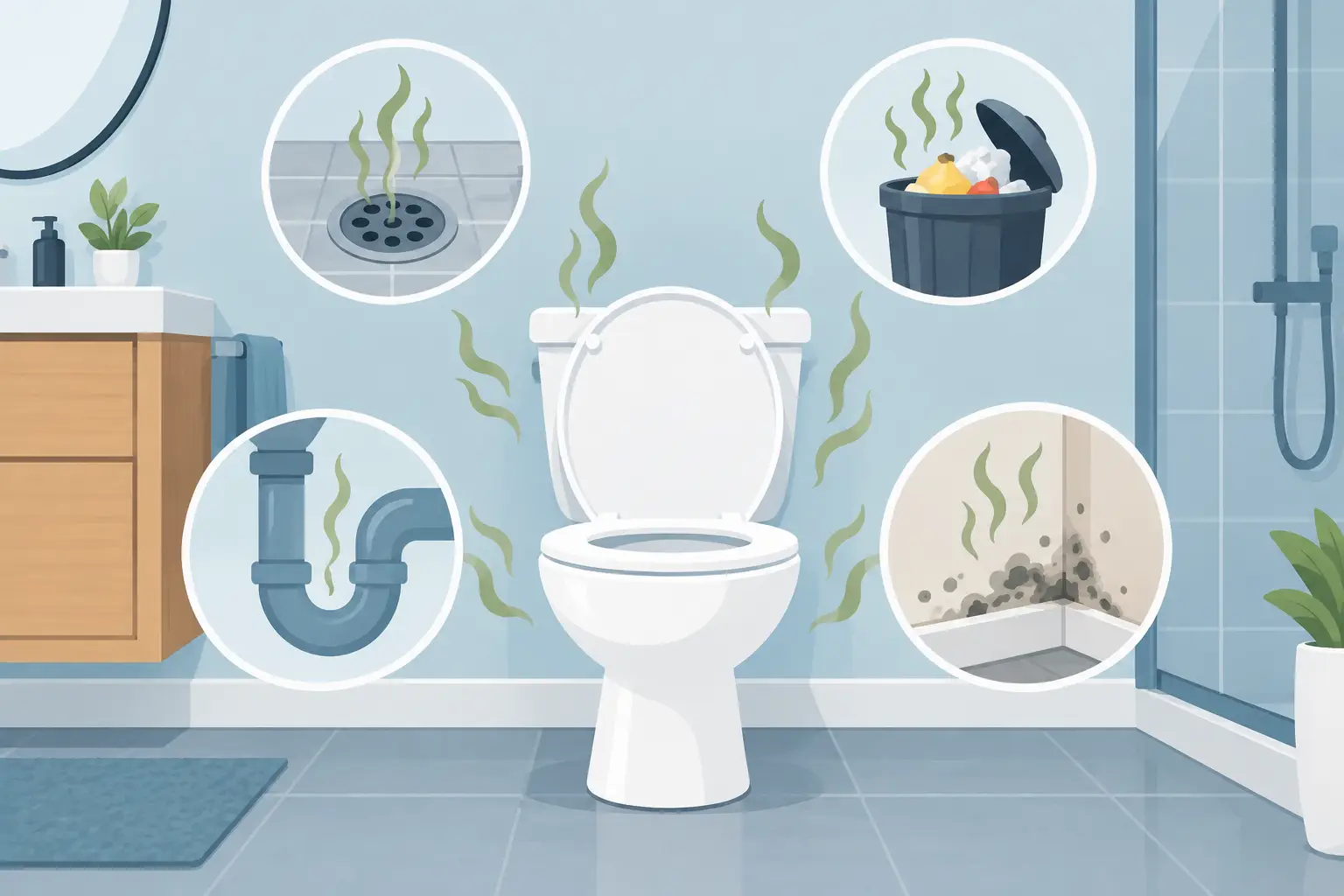
Four Sources of Bathroom Odors in Your Home
A bathroom can look clean and still smell like something is wrong behind the walls or below the floor. The four sources of bathroom odors are often tied to drains, toilets, plumbing vents, or hidden moisture. Some are simple maintenance issues. Others can point to a drain blockage or sewer gas problem that deserves prompt attention.
The useful question is not just, “How do I cover up the smell?” It is, “Where is it coming from, and when does it happen?” An odor that appears after a shower has a different likely cause than one that gets stronger when the toilet flushes or when several fixtures drain at once. Paying attention to those details can help you avoid wasted products, repeat clogs, and a bigger plumbing repair later.
Four Sources of Bathroom Odors and What They Mean
1. A dry or dirty drain trap
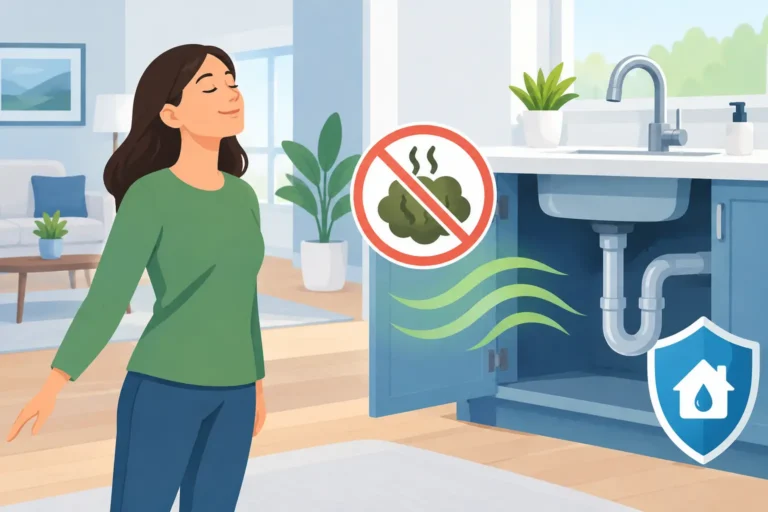
Every sink, shower, tub, and floor drain has a trap – the curved section of pipe designed to hold a small amount of water. That water creates a barrier between your bathroom and the sewer line. When the trap dries out, sewer gases can move up through the drain and into the room.
This commonly happens in a guest bathroom, a rarely used shower, or a floor drain that does not receive regular water. In Lake County homes, a bathroom that sits unused while owners travel seasonally can develop this problem surprisingly fast. A sewer-like or sulfur smell that seems strongest right at the drain is a common sign.
Start by running water for a minute or two in the affected fixture. For a floor drain, slowly pour in a few cups of water. If the odor disappears and stays gone, a dry trap was likely the cause. If it returns within days, the trap may have a leak, or there may be a venting or drainage issue pulling water out of it.
A trap can also smell bad when soap residue, hair, toothpaste, skin oils, and other debris collect inside the drain. The water is still present, but the buildup becomes a food source for bacteria. The result is often a musty, sour, or rotten smell rather than a sharp sewer-gas odor.
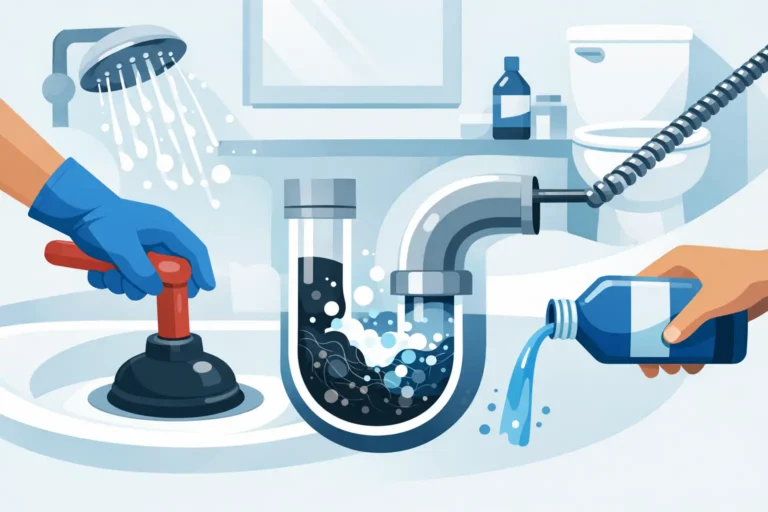
Avoid relying on strong chemical drain cleaners. They may not reach the buildup causing the smell, and repeated use can be hard on older pipes. Removing the material from the pipe wall is usually more effective than trying to dissolve it from the surface.
2. Buildup inside the sink, shower, or tub drain
A bathroom drain does not need to be fully clogged to cause an odor. In fact, a slow drain that still empties can hold enough buildup to create a persistent smell. Hair catches soap scum. Toothpaste and shaving products stick to pipe walls. In showers, body oils and conditioner add to the coating over time.
You may notice this odor most after running hot water. Heat and moving water can stir up the gases and bacteria in the drain, making the smell more noticeable for a few minutes. Gurgling, slow drainage, or water backing up around the feet during a shower are additional signs that the issue is more than a surface-level cleaning problem.
A removable sink stopper may have visible hair and residue that can be cleaned by hand. That is a reasonable first step. But if the smell returns, the buildup may be farther down the branch line, where household tools cannot fully clear it.
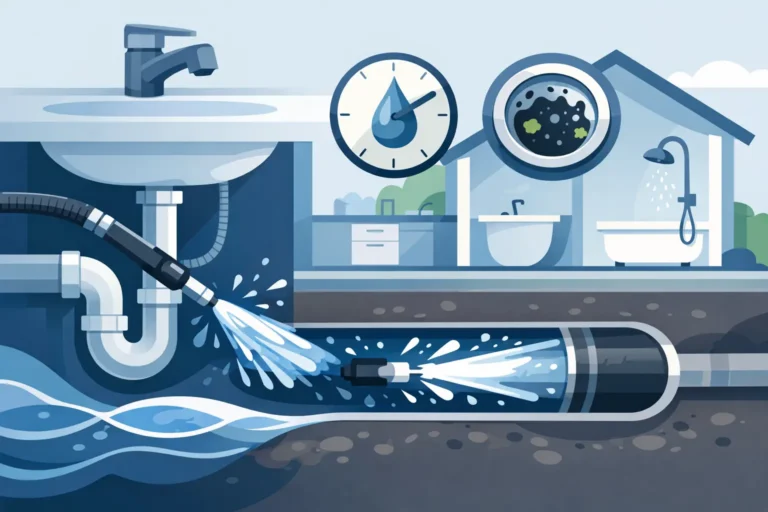
Professional drain cleaning removes the blockage and pipe-wall buildup that keeps feeding the odor. Depending on the condition of the line, high-pressure jetting may be used to clean more thoroughly than a quick cable pass. The right method depends on the pipe material, the location of the blockage, and what is actually found. No guessing. No unnecessary work.
3. A toilet seal or toilet-base problem
If the odor is strongest around the base of the toilet instead of at a drain opening, the toilet’s wax ring or seal may be failing. The seal sits between the toilet and the drain pipe in the floor. Its job is to keep wastewater and sewer gases contained while allowing the toilet to flush properly.
A failed seal does not always leave a visible puddle. Sometimes the first warning is an intermittent sewer odor, especially after flushing. The toilet may also rock slightly when someone sits on it, or you may see staining, dampness, or damaged flooring around the base.
Do not ignore a loose toilet just because it still flushes. Movement can break down the seal further and allow moisture to reach the subfloor. What begins as an odor issue can turn into flooring damage if it continues.
The cause can be as simple as an aging wax ring, but it can also involve a damaged toilet flange, an uneven floor, or a drain line that is not carrying waste away as it should. A proper repair starts with identifying which condition is present. Replacing a seal without checking why the toilet shifted can lead to the same problem again.
If you smell sewer gas around the toilet, keep the bathroom ventilated and arrange for an inspection. Sewer gases are unpleasant, and they are not something homeowners should normalize or try to mask with air fresheners.
4. A blocked vent, sewer line issue, or hidden leak
Some bathroom odors come from a problem beyond the fixture itself. Your plumbing system has vent pipes that help drains flow and allow sewer gases to exit safely above the roofline. When a vent is blocked or a drain line is restricted, the system may not balance pressure correctly.
Warning signs include gurgling after a toilet flushes, bubbling in a sink or tub, odors from more than one bathroom fixture, and drains that become slow at the same time. You might also notice that running the washing machine causes a nearby bathroom drain to gurgle. Those symptoms can point to a larger drainage problem, including a partial main-line blockage.
In Central Florida, pipe buildup, shifted lines, root intrusion, and older pipe conditions can all restrict drainage. A main-line issue may begin with an occasional odor or slow fixture, then progress to repeated backups if the underlying cause is left in place.
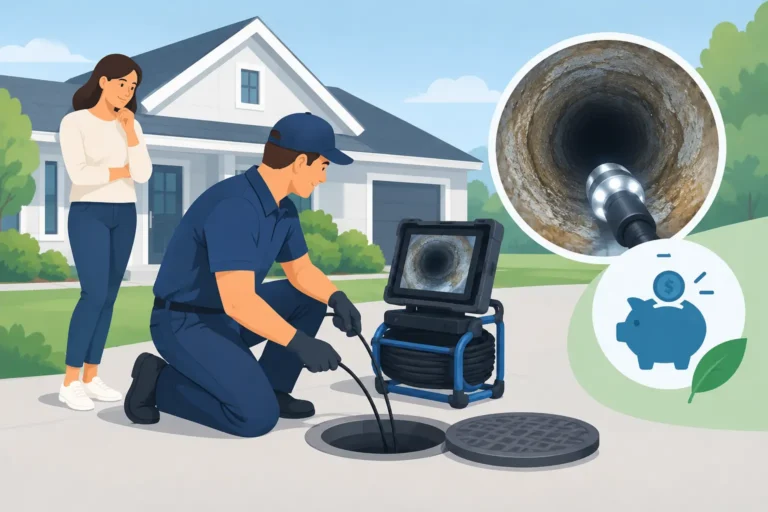
A camera inspection can make the difference between a targeted repair and an expensive guess. Instead of treating each bathroom drain separately, a technician can inspect the line, show you what is inside it, and explain whether the problem is buildup, roots, damage, or another obstruction. That matters when recurring odors come with recurring clogs.
Hidden moisture can create a different type of bathroom odor. A musty smell near a vanity, behind a toilet, or around a shower wall may indicate a slow leak, failed caulk, or moisture trapped beneath flooring. This is not always a drain-cleaning issue, but it should still be addressed quickly. Look for soft flooring, peeling paint, swollen cabinet material, or discoloration. Cleaning the visible area may improve the smell temporarily, but it will not stop moisture from feeding mildew behind the surface.
When a Bathroom Odor Needs Professional Help
A brief odor from an unused guest-bathroom drain may be resolved by restoring water to the trap. A stopper coated with hair and soap residue may be cleaned at home. But a smell that returns, spreads through the bathroom, or comes with drainage changes needs a closer look.
Call for professional help when you notice sewer odors that persist after running water, repeated slow drains, gurgling fixtures, water backing up, a loose toilet, or multiple drains acting up at once. These are signs that the problem may be below the surface, not something a bottle of cleaner can solve.
USA Drain Cleaning helps Lake County homeowners identify what is happening before recommending work. Camera inspections and professional-grade cleaning equipment allow the technician to find the source, explain it plainly, and clear the condition causing the odor when drainage is involved. The goal is not to make the bathroom smell better for a day. It is to correct the reason it smelled in the first place.
If your bathroom has an odor you cannot place, pay attention to the location, timing, and any changes in how the fixtures drain. Those small clues can turn an uncertain household nuisance into a clear next step – and help protect your home before a minor drain problem becomes a messy one.