Are Flushable Wipes Really Flushable at Home?
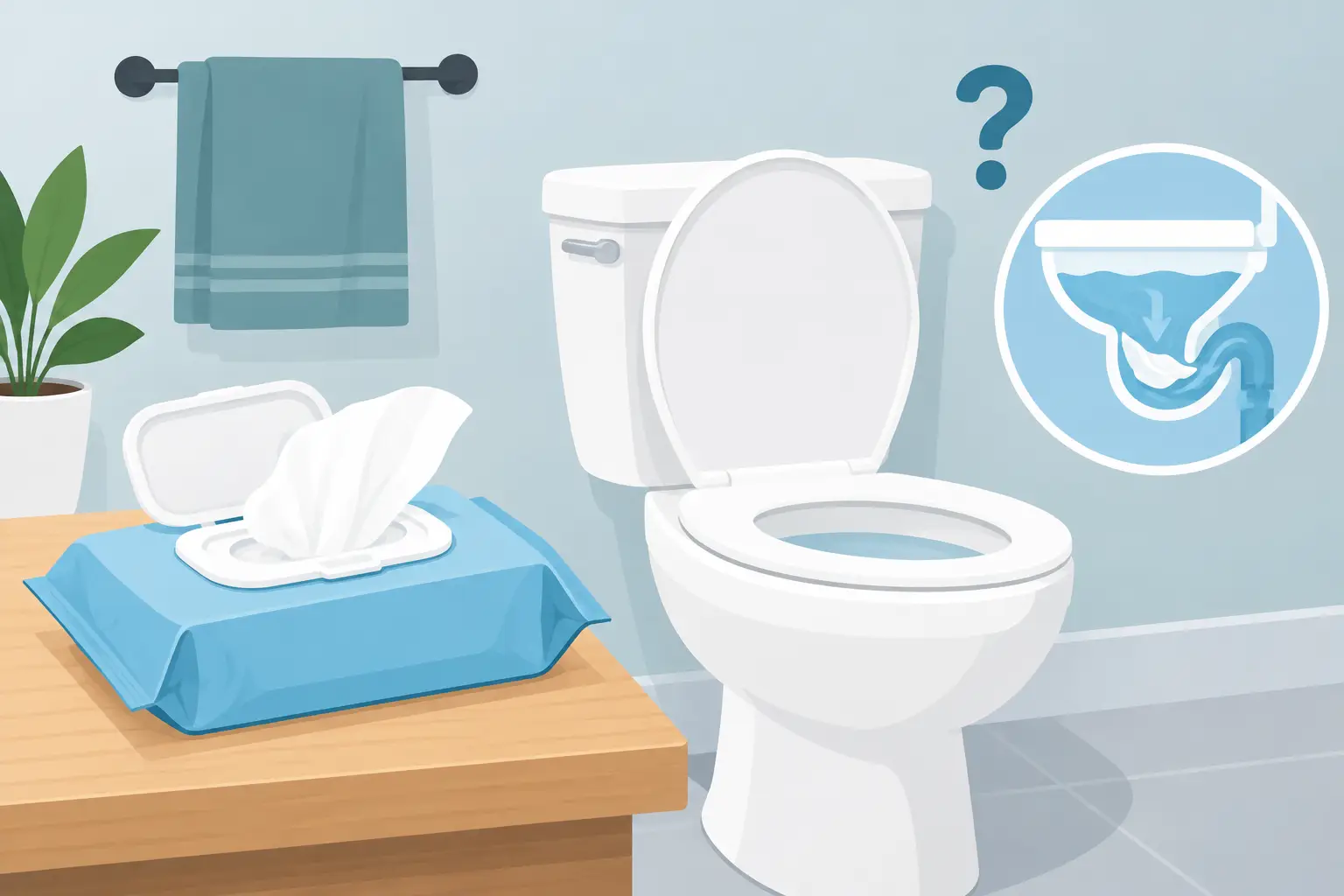
A wipe may disappear when you flush, but that does not mean it has broken down safely. So, are flushable wipes really flushable? For most home plumbing systems, the practical answer is no. They may clear the toilet bowl, yet still catch in a bend, snag on buildup inside a pipe, or combine with other debris farther down the line.
That can turn a normal bathroom routine into a slow-drain problem, a gurgling toilet, or a backup that affects more than one fixture. For homeowners in Eustis, Mount Dora, Tavares, Leesburg, and Lady Lake, avoiding that trouble usually comes down to one simple habit: toilet paper is designed to be flushed. Wipes belong in the trash.
Why “flushable” does not mean problem-free
Many wipes are marketed as flushable because they can physically pass through a toilet and may meet certain dispersal standards under controlled conditions. Your home is not a controlled test. It has pipe bends, varying water flow, older connections, possible scale buildup, and sometimes roots or damaged pipe sections outside the house.
Toilet paper is made to break apart quickly in water. Most wipes are made to stay intact while you use them. That strength is useful before disposal, but it is exactly what makes them risky once they enter a drain line. A wipe can fold, stretch, or stay largely whole as it travels through the plumbing.
One wipe does not always create an immediate clog. The bigger concern is accumulation. A wipe that catches on rough pipe walls, grease residue, hair, or an existing obstruction can become the first layer of a larger blockage. More paper and debris collect behind it until wastewater no longer has a clear path out.
What makes wipes more likely to clog your drains
The condition of the plumbing matters. A newer, clear sewer line may carry a wipe farther than an older line with buildup or defects. That does not make wipes safe to flush. It only means the problem may show up later, possibly outside the home where it is harder to see.
Homes with septic systems need to be especially careful. Wipes do not break down in the same way toilet paper does, and they can add unnecessary solids to the tank. They may also interfere with pumps, filters, or components downstream, depending on the system.
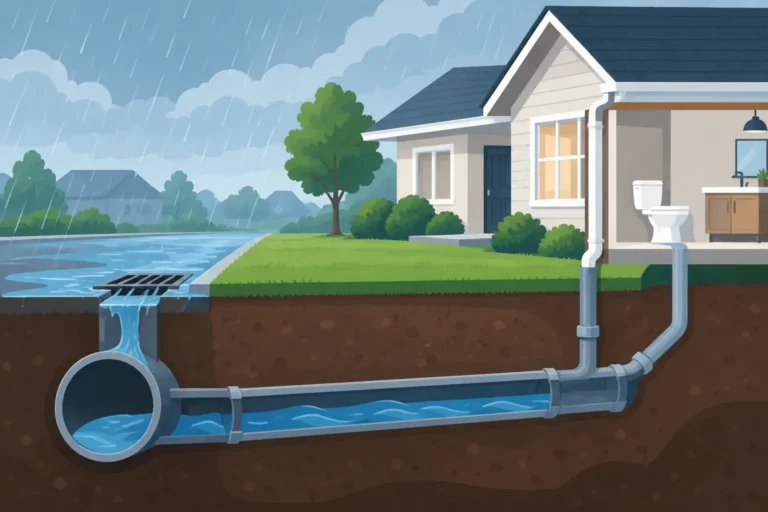
A sewer-connected home can have trouble, too. Wipes can lodge in the home’s main drain line before they ever reach the public sewer. If a line already has scale, soap residue, grease, roots, a low spot, or a cracked section, a wipe has more places to catch.
The risk is not limited to wipes labeled flushable. Baby wipes, cleaning wipes, makeup wipes, paper towels, cotton products, and feminine hygiene products should never go down the toilet. None of them behave like toilet paper in a drain.
Signs a flushed wipe may be causing a problem
A single wipe that flushes normally is not a reason to panic or start taking apart plumbing. Watch for changes over the next few days, especially if the toilet or drain had been acting up already.
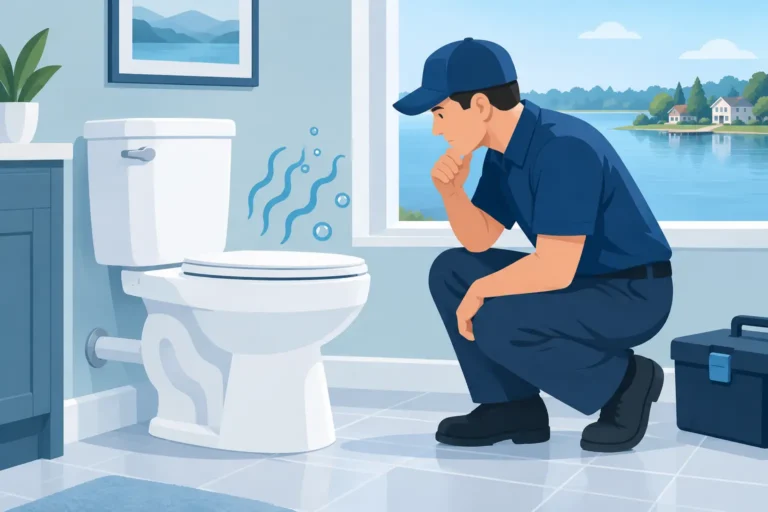
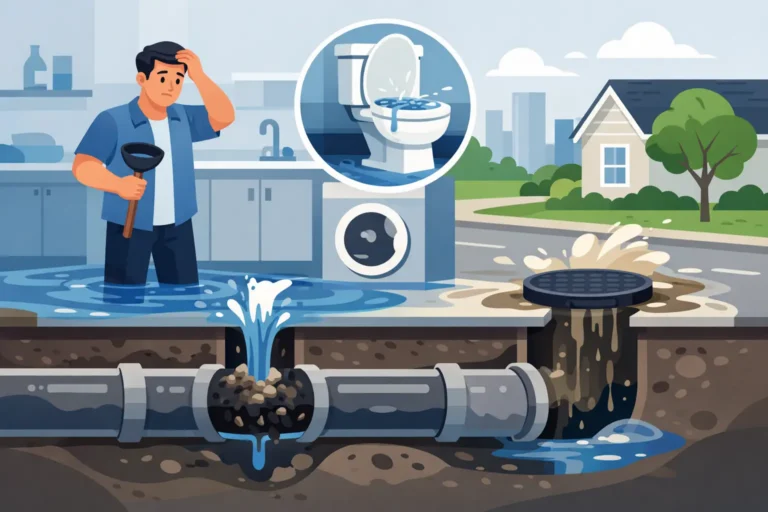
Common warning signs include a toilet that needs more than one flush, water rising higher than usual before it goes down, gurgling from a nearby tub or shower, and slow drainage in more than one bathroom fixture. A sewage odor, water backing up into a tub or shower, or wastewater appearing around an outdoor cleanout points to a more urgent main-line issue.
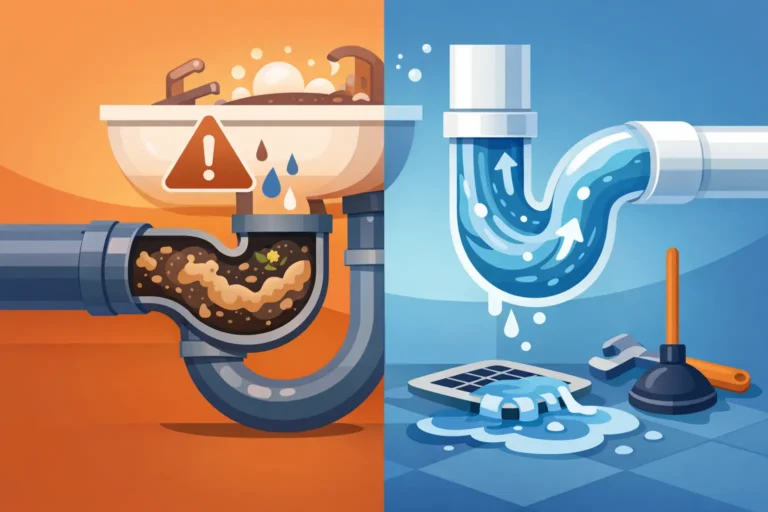
When several fixtures are affected, the blockage is usually not just in the toilet trap. It may be farther along in the branch line or main sewer line. Repeated plunging can sometimes move a small obstruction, but it will not repair a damaged pipe, remove roots, or clear a heavy buildup reliably.
What to do if your toilet clogs after a wipe was flushed
Start by stopping the flow of water. If the toilet bowl is rising, remove the tank lid and press the rubber flapper closed to stop more water from entering the bowl. If necessary, turn off the small shutoff valve behind or beside the toilet.
If the bowl level is normal and the clog seems limited to that toilet, use a flange-style toilet plunger. Keep a good seal around the drain opening and use controlled, steady strokes. Do not keep flushing to test it while the water is high.
Avoid chemical drain cleaners in a toilet or suspected main-line clog. They rarely dissolve wipes, can create a mess if the drain backs up, and may leave harsh chemicals behind for anyone working on the line. A wire hanger is also a poor substitute for the right tool. It can scratch the porcelain and push the blockage farther into the plumbing.
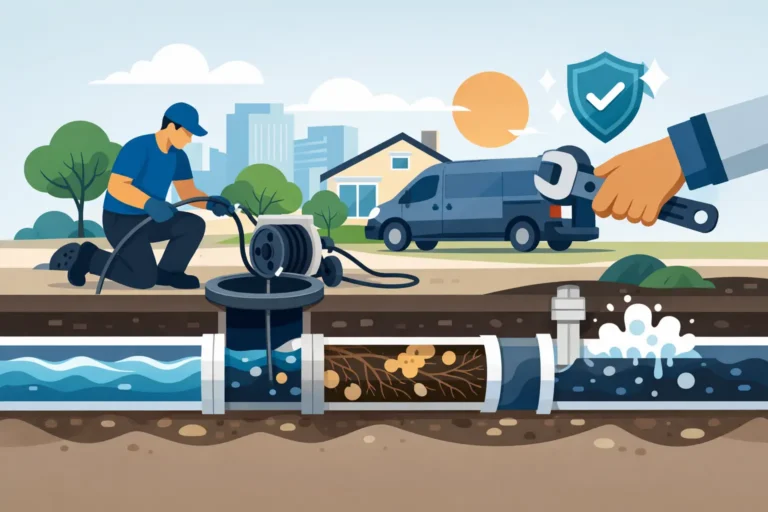
If the toilet remains clogged, other drains start gurgling, or wastewater backs up elsewhere, it is time for professional diagnosis. No guessing. No unnecessary work. A camera inspection can show whether the line has a wipe-related blockage, pipe buildup, root intrusion, or a damaged section that needs attention.
Why recurring clogs deserve a camera inspection
A drain that keeps clogging is often telling you there is more going on than a single bad flush. Clearing the opening may restore flow temporarily, but the underlying condition can remain inside the pipe.
Camera inspections let a technician see the actual condition of the line instead of treating every backup the same way. That matters because the right solution depends on what is found. A soft blockage may need professional cabling or high-pressure jetting. Roots, pipe damage, a belly in the line, or heavy scale buildup call for a different conversation.
At USA Drain Cleaning, the goal is to identify the source and explain what the camera shows in plain language. You should know what is causing the problem, what work is recommended, and why it is needed before moving forward. Clearing a drain is useful. Knowing why it clogged helps prevent the next emergency.
Better bathroom habits for your plumbing
The safest rule is simple: flush only human waste and toilet paper. Keep a small covered trash can within reach for wipes and other personal-care products. This is especially helpful in guest bathrooms, where visitors may assume any product labeled flushable is safe for every plumbing system.
If your household prefers wipes for personal hygiene, use them without flushing them. A lined bathroom trash can, emptied regularly, is a much less expensive inconvenience than a main-line backup.
It also helps to pay attention to early warning signs instead of waiting for a complete blockage. A toilet that occasionally bubbles, a shower that drains slowly after someone flushes, or a recurring odor near a bathroom drain may be the first sign of restricted flow. Addressing it before wastewater backs up can protect floors, baseboards, and your schedule.
Are flushable wipes ever okay to flush?
The honest answer is that a wipe may pass through some systems without causing an immediate problem. But there is no practical benefit to testing your home’s plumbing that way. The label does not account for the age, material, slope, and condition of your specific drain line.
For a homeowner, “flushable” should not be read as “risk-free.” It means the product may be capable of being flushed, not that it will break down like toilet paper or move safely through every part of the system.
If a slow toilet, gurgling drain, or repeat clog has you wondering what is stuck in the line, do not keep guessing or keep flushing. A clear look inside the pipe can replace uncertainty with a straightforward plan and help keep a small bathroom habit from becoming a larger cleanup.