Sewer Scope Versus Plumbing Diagnosis Explained
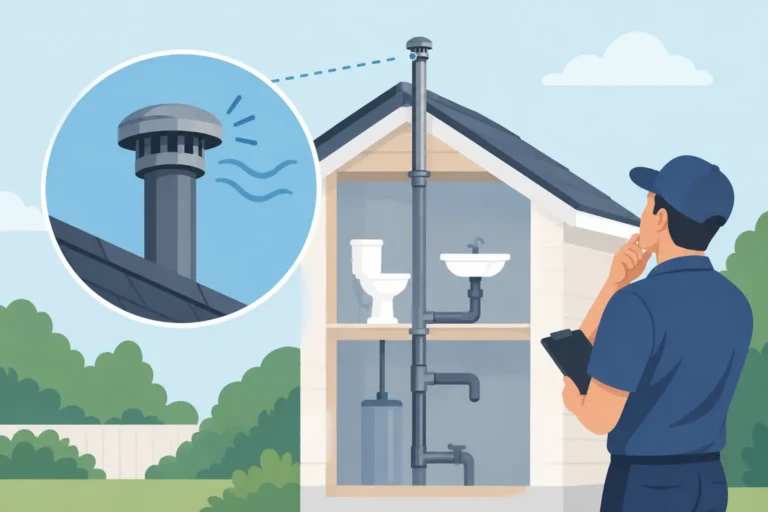
A toilet that gurgles when the washing machine drains is more than an annoying sound. It can be a clue that water is struggling to move through a shared drain line, and the right next step depends on the cause. That is where sewer scope versus plumbing diagnosis can feel confusing. One looks inside a pipe. The other determines why the problem is happening and what work, if any, will actually solve it.
For homeowners in Eustis, Mount Dora, Tavares, Leesburg, and Lady Lake, the best answer is often not choosing one service over the other. A camera scope can be part of a complete diagnosis. The key is knowing what each service can confirm, what it cannot, and why clear findings should come before major drain work.
Sewer Scope Versus Plumbing Diagnosis: The Difference
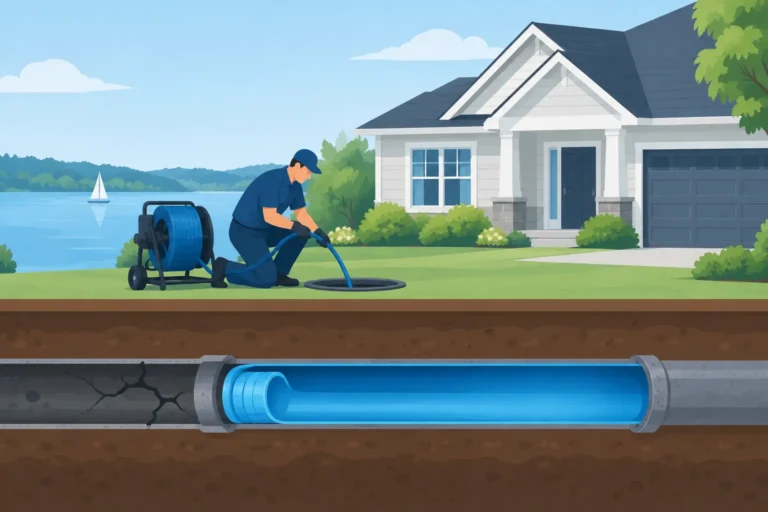
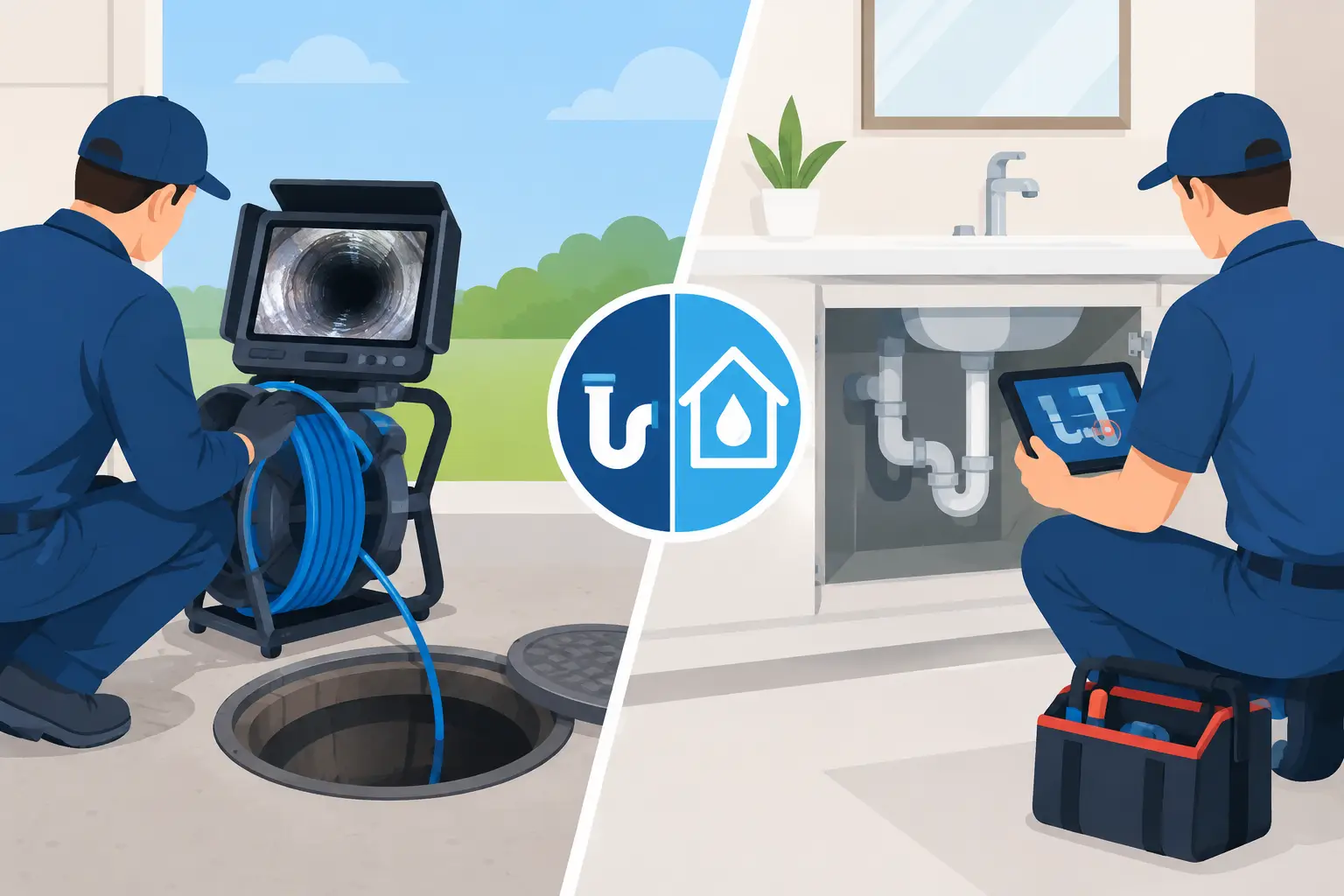
A sewer scope is a video camera inspection of a drain or sewer line. A technician feeds a flexible camera through an appropriate access point, often a cleanout, to view the inside of the pipe. The live video can show where the line is blocked, damaged, offset, invaded by roots, or holding standing water.
In residential service, people often use the term sewer scope to mean a camera inspection of the main line running from the home toward the municipal sewer connection or septic system. The same type of equipment may also inspect certain branch lines, such as a kitchen, laundry, or bathroom drain. What can be viewed depends on the pipe layout, access points, and whether the line is open enough for the camera to pass.
A plumbing diagnosis is broader. It is the process of connecting your symptoms to the source of the problem. A technician may ask which fixtures are slow, whether water backs up in a tub when a toilet flushes, how long the issue has occurred, and whether the problem gets worse after rain. They may test fixtures, check cleanouts, assess the location of a blockage, and use a camera when visual evidence is needed.
Put simply, the scope provides evidence from inside the pipe. The diagnosis explains what that evidence means for your home. A camera finding of roots, for example, may point to a damaged joint or opening in the line. A camera finding of heavy buildup may indicate that professional drain cleaning is the practical first step. The recommended work should match what is actually found.
When a Camera Scope Is the Right First Move
A sewer camera inspection is especially useful when the problem is likely in a buried or concealed drain line. You cannot make a sound repair decision by looking at water sitting in a shower pan or a toilet that will not flush. The visible symptom may be several feet away from the actual restriction.
A scope makes sense when multiple fixtures are slow or backing up, when main-line clogs keep returning, or when there is a strong sewer odor near a cleanout or yard. It can also help after a drain has been cleared. Clearing the immediate blockage restores flow, but a camera can reveal why the blockage formed in the first place.
Common camera findings include root intrusion, pipe scale, grease buildup, broken sections, separated joints, construction debris, and a low spot in the pipe where water and waste collect. In older Lake County homes, pipe condition and tree roots can be part of the picture. In any home, repeated use of chemical drain cleaners can complicate matters by failing to remove the buildup deeper in the line while adding harsh chemicals to the system.
A camera scope is also useful for homeowners considering a home purchase or planning a major renovation. It can show the condition of the accessible sewer lateral before you commit to a costly project. Still, a camera inspection should be described honestly: it assesses the portions of the line the camera can reach and clearly see. It is not a guarantee that every hidden plumbing issue has been ruled out.
When You Need a Broader Plumbing Diagnosis
Not every drainage problem starts in the main sewer line. If one bathroom sink drains slowly while every other fixture works normally, the restriction may be limited to that fixture’s trap, drain arm, or branch line. A full main-line scope may not be the first or only service needed.
The same is true when the symptoms point to a mechanical issue rather than a blockage. A toilet that runs continuously, low water pressure at one faucet, or a leaking supply line needs a different type of evaluation. A camera cannot diagnose every plumbing condition, and a trustworthy technician should say so rather than forcing every problem into a camera inspection.
A good diagnosis also considers timing. If drains back up only after several showers, loads of laundry, or a dishwasher cycle, the shared line may be partially restricted. If a floor drain, shower, or toilet backs up at the same time, the problem is more likely farther downstream. If the issue happens during heavy rain, exterior drainage, storm drains, or a damaged sewer line may need attention as well.
This is why symptom details matter. Tell the technician what backs up first, which fixtures are affected, whether the issue is recurring, and whether anyone has recently used a plunger, drain cleaner, or rented drain machine. Those details help narrow the problem before work begins and keep the service focused on the right line.
A Scope Does Not Automatically Mean Repair
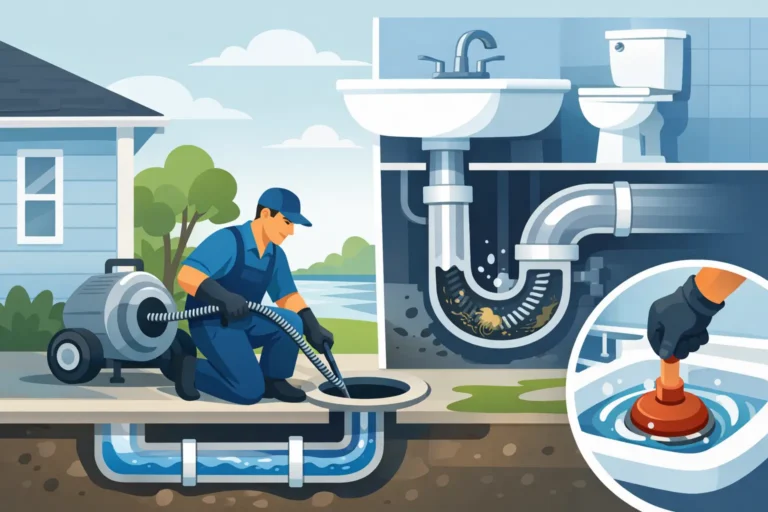
Seeing something concerning on a camera does not always mean the line needs to be replaced. A pipe coated with grease, soap residue, or mineral buildup may be a cleaning issue. High-pressure jetting can remove material along the pipe walls more thoroughly than simply opening a small path through the center of a clog.
On the other hand, roots growing through a joint, a collapsed section, or a line with severe separation may call for a repair discussion. The camera image helps distinguish between those situations. No guessing. No unnecessary work.
There are trade-offs. Cleaning may restore dependable flow when the pipe itself remains sound, but it will not correct a broken pipe. Repair addresses structural damage, but it should be based on evidence rather than a vague assumption. In some cases, a technician may need to clear the blockage first before a camera can travel through the line and reveal the full condition. That sequence is normal, as long as it is explained clearly.
Ask what line is being inspected, how far the camera can travel, what was found, and whether the findings were shown to you. You should also understand whether the recommendation is to clean, monitor, repair, or perform further testing. A plain-language explanation is more valuable than a technical description that leaves you unsure what you are paying for.
How Exterior Drain Problems Change the Diagnosis
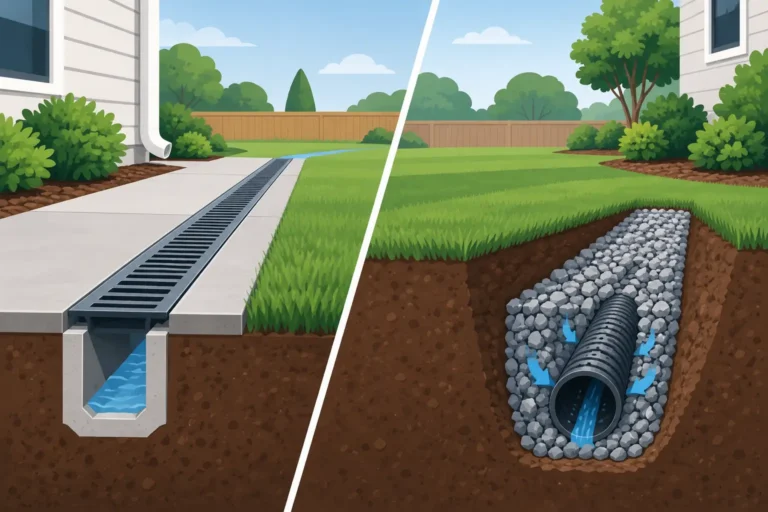
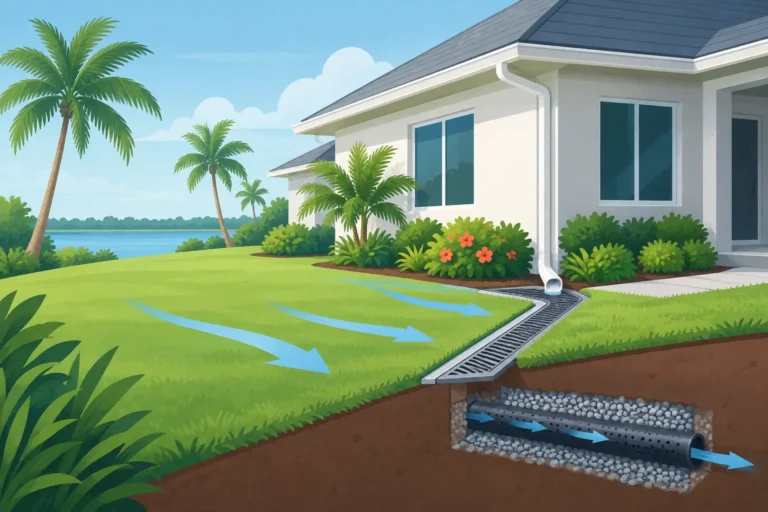
Florida rain can turn a slow exterior drain into standing water around a driveway, patio, yard, or foundation area. That is not always a sewer issue. Storm drain lines and yard drains are separate systems, and they can collect leaves, mulch, sand, roots, and other debris.
A camera inspection may help identify a blockage or damaged section in an exterior drainage line, but the diagnosis begins with where the water is pooling and where it should be flowing. If water only appears after a downpour, the capacity, slope, and condition of the exterior drain all matter. Treating a stormwater problem like an indoor plumbing clog can waste time and leave the real drainage issue in place.
What Straightforward Service Should Look Like
Whether you need a sewer scope, drain cleaning, or a broader plumbing diagnosis, the process should be easy to follow. The technician should listen to the symptoms, inspect the right area, explain the findings without jargon, and provide a clear recommendation before moving into work beyond the agreed service.
At USA Drain Cleaning, the goal is to identify the source of the issue, not sell work your home does not need. When the next heavy rain arrives or the household is running water at full pace, you deserve to know that the drain line was checked for the right reason and treated with the right solution.