Yard Drainage Problems Florida Homeowners Can Fix
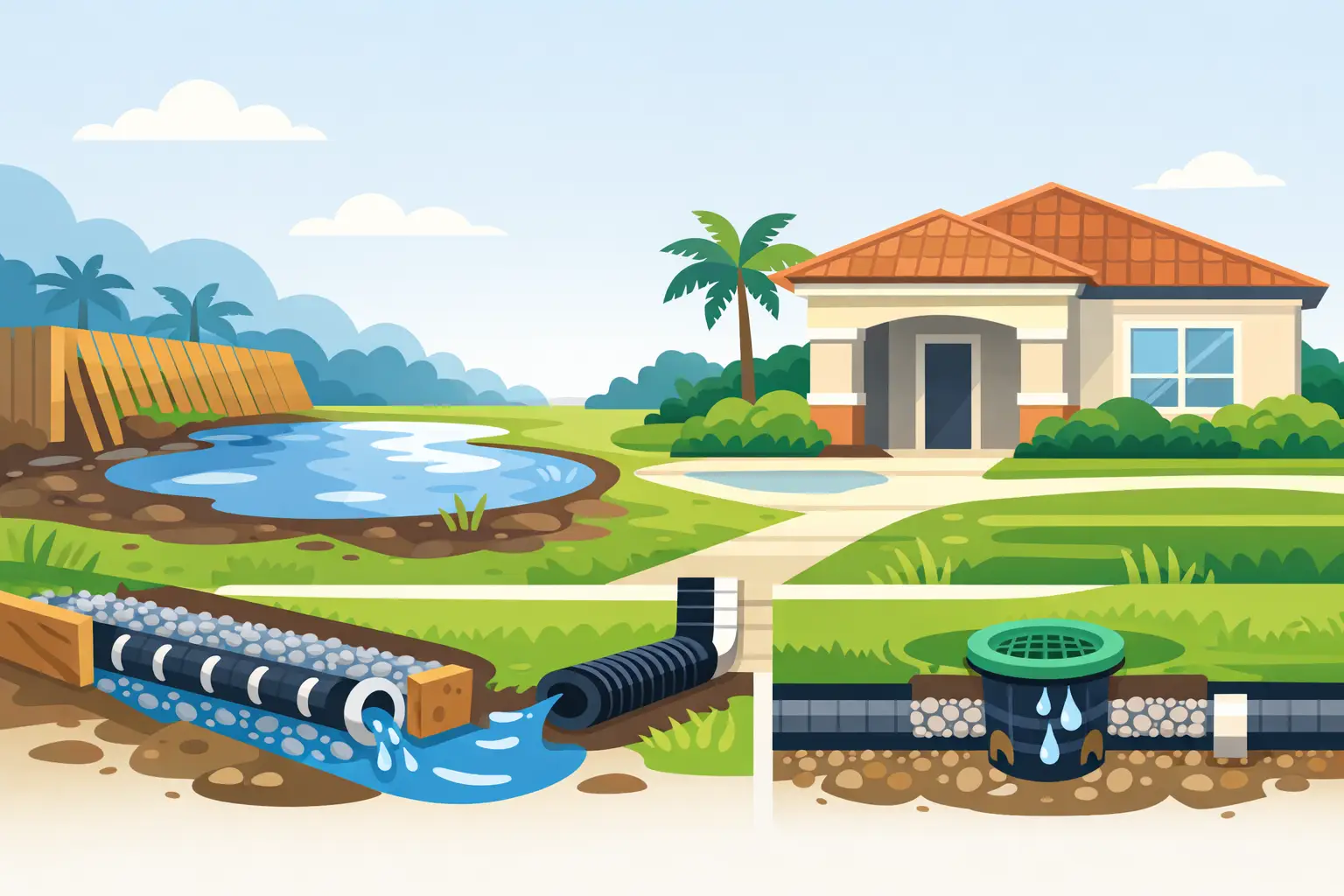
A hard Florida rain can turn a small drainage issue into standing water along the driveway, a soggy lawn, or water pushing toward the house. Yard drainage is supposed to move rainwater away from your property before it creates a bigger problem. When it stops working, the signs are usually visible – and worth taking seriously.
In Lake County, heavy rain, falling leaves, pine needles, mulch, soil runoff, and fast-growing roots can all block exterior drains. The water may disappear after the storm, but repeated pooling can damage landscaping, weaken soil around hard surfaces, and place unnecessary moisture near your foundation. The goal is not simply to make the water go away today. It is to find out why it is collecting there in the first place.
Signs Your Yard Drainage Needs Attention
The most obvious warning sign is water that remains in the same area long after rain has stopped. A low spot in the yard can hold some moisture, but puddles that linger for a day or more often point to poor grading, compacted soil, or a blocked drain line.
Pay attention to water gathering near downspouts, patio edges, driveways, pool decks, and exterior storm drain grates. These areas are designed to direct water somewhere else. If they repeatedly flood, the drain may be blocked below ground or the discharge point may not be handling the amount of water coming through.
Other signs can be less obvious. You may notice mulch washing out of beds, soil eroding around sidewalks, damp areas along the foundation, or mosquitoes gathering where water sits. A foul odor near a catch basin can also indicate decomposing debris inside the drain. If water rises through an exterior drain during a storm instead of flowing into it, treat that as a clear signal that the line needs to be checked.
What Causes Yard Drainage Problems?
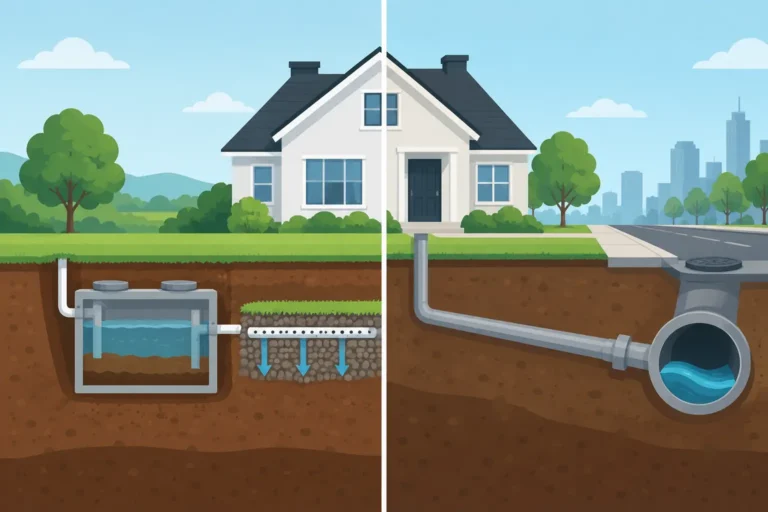
Exterior drain systems do hard work in conditions that change throughout the year. Unlike an indoor sink drain, they are exposed to rainwater, dirt, leaves, grass clippings, roof grit, insects, and roots. A small amount of debris entering a grate may not seem like much, but it can build up inside a catch basin or pipe over time.
Clogs are one common cause. Leaves and mulch can form a mat at the grate, while sediment settles farther down the line. In older systems, soil can shift around the pipe, sections can separate, or roots can enter through joints and restrict water flow. A drain that once handled normal rain may then back up during a heavy downpour.
Not every wet yard is caused by a clogged line. Sometimes the issue is grading. If the yard slopes toward the home, water will naturally travel in that direction regardless of how clean the drain is. Downspouts that empty too close to the foundation can create the same problem. A professional inspection helps separate a blockage issue from a layout or grading issue, so you are not paying for work that will not solve the real cause.
Why Florida Rain Exposes Hidden Problems
Central Florida storms often drop a large amount of water in a short period. A drainage system with a partial blockage may appear fine during light rain, then fail when a summer storm sends roof runoff, yard debris, and street-side water toward the same drain.
That is why homeowners often call after seeing water pool for the first time. The problem may not be new. The storm simply revealed that the system no longer has enough open flow to do its job. Cleaning the line before the next major rain can be far less stressful than dealing with water moving toward the garage or house during a storm.
What You Can Safely Check Before Calling
A quick visual check can sometimes identify a simple surface issue. Remove loose leaves, grass, and mulch from the drain grate. Check that downspout extensions are connected and directing water away from the house. If you have a catch basin with a removable grate, look for obvious debris near the opening.
Do not force tools, sticks, or high-pressure water into an unknown drain line. That can compact debris farther into the pipe, damage a fitting, or create a mess when backed-up water comes back out. Chemical drain cleaners are not a good answer for outdoor drainage systems either. They do not remove roots, mud, or heavy sediment, and they can create unnecessary risk around your yard and plumbing.
If water still does not drain after you clear the grate, the blockage is likely beyond the surface. That is the point where a proper diagnosis saves time and guesswork.
How Professional Yard Drainage Cleaning Works
A thorough exterior drain service begins with identifying where water is entering, where it is supposed to exit, and what is stopping it. There is no benefit in clearing a visible grate if the pipe is crushed, root-filled, disconnected, or packed with sediment farther down the line.
Camera inspection can show the inside condition of many drain lines without digging up the yard. It helps locate buildup, root intrusion, standing water, pipe damage, and problem areas that cannot be seen from the surface. The findings should be explained in plain language, along with what work is recommended and why.
For a line that is blocked by debris, mud, or buildup, professional-grade high-pressure jetting can clear the pipe walls and move material out of the system. The right method depends on the pipe condition and the source of the blockage. A line with significant root intrusion or damage may need a different solution than a line filled with storm debris.
USA Drain Cleaning approaches exterior drainage the same way it handles indoor drain problems: identify the source, explain what is found, and recommend the work that addresses the issue. No guessing. No unnecessary work. A good service call should leave you knowing whether the drain is flowing freely and whether there are conditions that need attention later.
When Standing Water Becomes a Bigger Home Concern
Standing water is not always an emergency, but it should not become normal around your home. Water that repeatedly collects near a foundation can contribute to moisture problems and wash soil away from areas that need support. It can also damage plants, create muddy walkways, and make a yard difficult to use.
Water near a driveway or patio can gradually undermine soil beneath concrete or pavers. You may eventually see settling, cracks, or uneven areas. Those repairs can cost far more than cleaning a drain or correcting a drainage path early.
Call for professional help promptly if water is entering the garage, approaching exterior doors, backing up through a storm drain, or remaining near the home after rain. The same applies when you see recurring erosion, sinkholes, or a sudden change in how a drain performs. These signs may point to a blocked or damaged underground line that needs more than surface cleanup.
Preventing Future Yard Drainage Issues
Routine attention makes a real difference, especially before the rainy season. Keep grates clear of leaves and lawn debris, and avoid piling mulch over drainage openings. After landscaping work, check that soil has not covered a catch basin or changed the slope around it.
If you have gutters, make sure downspouts are directed into a working drainage route or discharged far enough from the house to avoid concentrated runoff at the foundation. Watch where the water travels during a moderate rain. That simple observation can reveal whether a drain is keeping up or whether water is finding an unwanted path.
For homeowners who have had repeated backups, a periodic professional cleaning and camera inspection can be practical preventive maintenance. The right schedule depends on your trees, landscaping, soil conditions, and the age of the drainage system. A property with mature trees and frequent debris may need more attention than an open lot with minimal runoff.
The next time rainwater collects where it should not, take a photo, note how long it remains, and check the nearest drainage opening once conditions are safe. Clear details give a drainage professional a better starting point – and help you protect your yard before a small blockage becomes the next storm’s bigger problem.