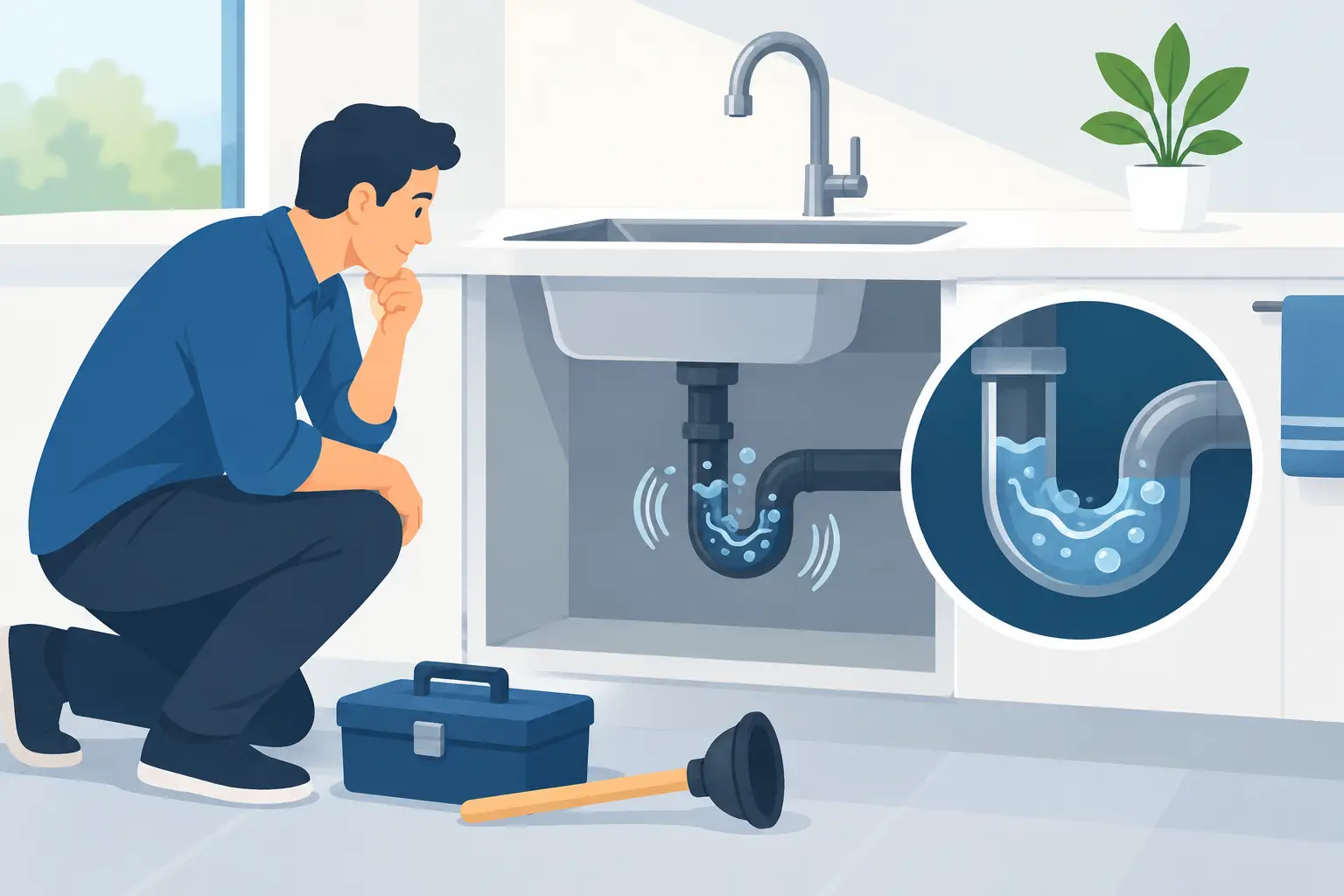
How to Fix Gurgling Drains Without Guesswork
A drain that gurgles after the sink empties or the toilet flushes is not just making an annoying sound. It is telling you that air is trapped or moving where water should flow freely. Knowing how to fix gurgling drains starts with recognizing whether you have a small fixture clog, a plumbing vent issue, or a developing blockage farther down the line.
For Lake County homeowners, it is worth paying attention early. A gurgle can be the first warning before a slow drain turns into a backup, foul odor, or water coming up through a tub or shower drain. No guessing. No unnecessary work. Start with the symptoms, take a few safe steps, and know when the problem needs a proper diagnosis.
Why Drains Gurgle in the First Place
Your home’s drain system needs two things to work together: a clear path for wastewater to leave and enough air behind it to keep water moving. Plumbing vents supply that air and help protect the water seals in your sink, tub, and toilet traps. When a clog or vent restriction disrupts that balance, air bubbles through the water and creates the gurgling sound.
Sometimes the problem is close to the fixture. Hair, soap film, toothpaste, grease, or food debris can partially block a sink or shower drain. Water squeezes past the buildup and pulls air along with it.
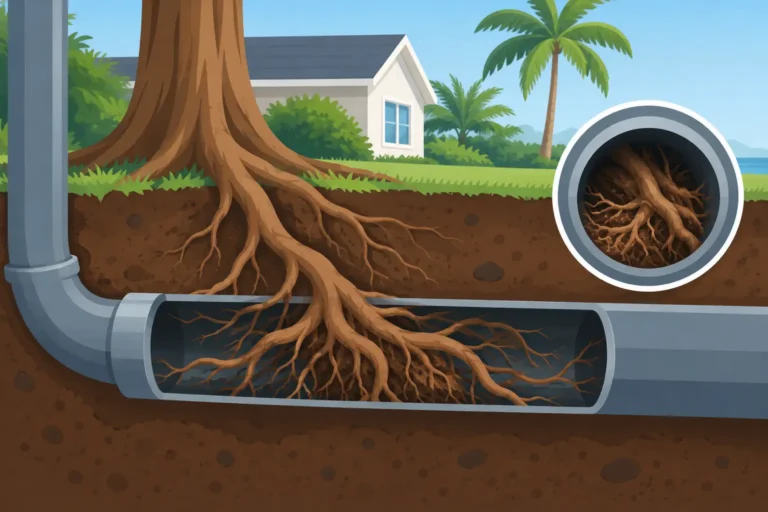
Other times, the sound points to a larger issue. A blockage in a branch line or main sewer line can affect several fixtures at once. Older pipes may have heavy buildup, a shifted connection, or root intrusion. In Florida, roots can find their way into tiny pipe openings and continue growing inside the line. The result is often a recurring restriction that a basic plunger cannot reach.
A gurgle also can happen when a roof vent is blocked by leaves, nesting material, or other debris. That is less common than a drain blockage, but it requires a different repair. Clearing a drain will not solve a vent problem, which is why identifying the source matters.
How to Fix Gurgling Drains: Start With the Clues
Before trying anything, notice which fixtures make noise and when. One gurgling bathroom sink that otherwise drains slowly is often a local clog. A toilet that gurgles when the washing machine drains, or a bathtub that bubbles when a toilet flushes, is more concerning. Those fixtures may share a branch or main drain line.
Pay close attention to these warning signs:
- More than one drain is slow, noisy, or backing up.
- Water rises in a tub or shower when you flush a toilet.
- The problem returns soon after plunging or using a store-bought drain product.
- You smell sewer gas near drains or outside around the sewer cleanout.
- The toilet water level changes or bubbles without being flushed.
If several fixtures are involved, stop using as much water as possible until the line is checked. Running the dishwasher, laundry machine, or multiple showers can force wastewater toward the lowest opening in the house. That is often a shower, tub, or floor drain.
Safe Steps for a Single Gurgling Fixture
When the issue appears limited to one sink, tub, or shower, a few homeowner-level steps may help. The goal is to remove surface debris without damaging the pipe or pushing the clog farther down.
First, remove visible hair and buildup from the drain stopper or strainer. In a bathroom sink, the stopper can usually be lifted out after releasing the pivot rod beneath the sink. Clean it, then rinse the area with hot tap water. Avoid pouring boiling water into porcelain fixtures or older piping, as sudden extreme heat can cause damage.
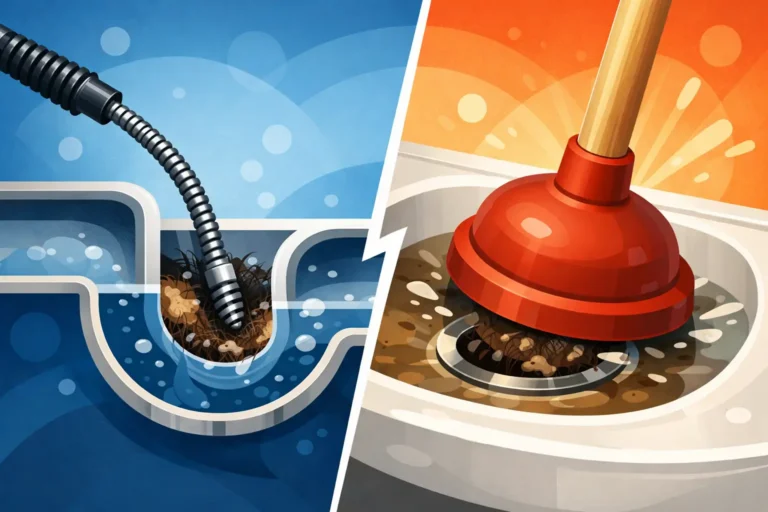
Next, use a plunger that matches the fixture. A flat-bottomed cup plunger works for sinks and tubs. Add enough water to cover the plunger cup, block the overflow opening with a wet cloth, and use several firm strokes. Blocking the overflow is important because it allows the plunger to create pressure where it is needed.
For a tub or shower, a small hand auger can remove hair clogs near the trap. Feed it carefully, without forcing it, and pull debris back out rather than trying to shove it deeper into the pipe. If the drain improves but continues to gurgle, the blockage may be beyond the reach of a small cable.
After clearing the fixture, run water for a few minutes and listen. A drain that flows normally and stays quiet may have had a minor local obstruction. If the sound comes back within days or weeks, there is likely more buildup farther along the pipe.
Skip Chemical Drain Cleaners
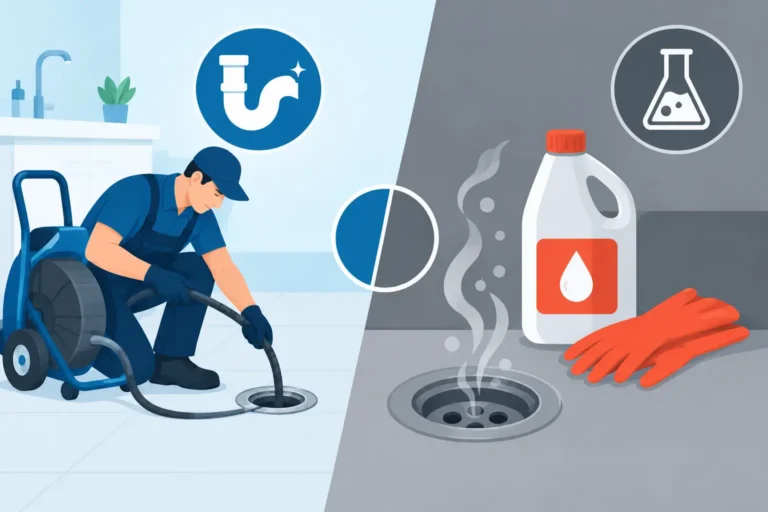
Liquid chemical cleaners can seem like a quick answer, especially when a sink is slow. The trade-off is not worth it for many gurgling drain problems. These products may only burn a narrow path through the clog, leaving the underlying buildup in place. They can also damage older pipes, harm certain finishes, and create a hazard for anyone working on the line afterward.
They do not remove roots, clear a main-line blockage, or correct a venting issue. If you have already used a chemical cleaner, tell the technician before any service begins. That helps everyone work safely around the drain.
When a Gurgle Means You Need Professional Drain Cleaning
A single clog may be manageable. A pattern of gurgling is different. If one fixture triggers noises or bubbling in another, the issue is likely beyond the trap under the sink. Professional equipment can clean the full affected section of pipe instead of treating only the opening.
A drain cable may break through certain blockages, but breaking through is not always the same as cleaning the pipe. Grease, soap scale, sludge, and roots can remain on the pipe walls and catch debris again quickly. High-pressure jetting is often a better fit when a line has widespread buildup, because it scours the interior of the pipe and flushes material out.
The right method depends on the pipe condition and what is actually inside it. For example, aggressive cleaning may not be the first choice for a damaged or severely deteriorated pipe. That is where a video camera inspection earns its place. A camera can show whether the problem is grease buildup, roots, a collapsed section, a belly holding water, or a blockage at a connection. You should be able to see what the technician finds and get a plain-language explanation of the recommended work.
Do Not Ignore Main-Line Backup Signs
Treat these symptoms as urgent: sewage or dirty water coming up through a tub, shower, floor drain, or toilet; several drains stopping at once; or wastewater pooling around an exterior cleanout. These can indicate a main sewer line blockage, and continued water use can make the mess much worse.
If that happens, stop running water in the house. Do not flush toilets, start laundry, run the dishwasher, or keep testing the sinks. Keep children and pets away from contaminated water, and arrange for professional help. Once the line is open, the next step should be understanding why it clogged so you are not facing the same backup again soon.
What About Outdoor and Storm Drains?
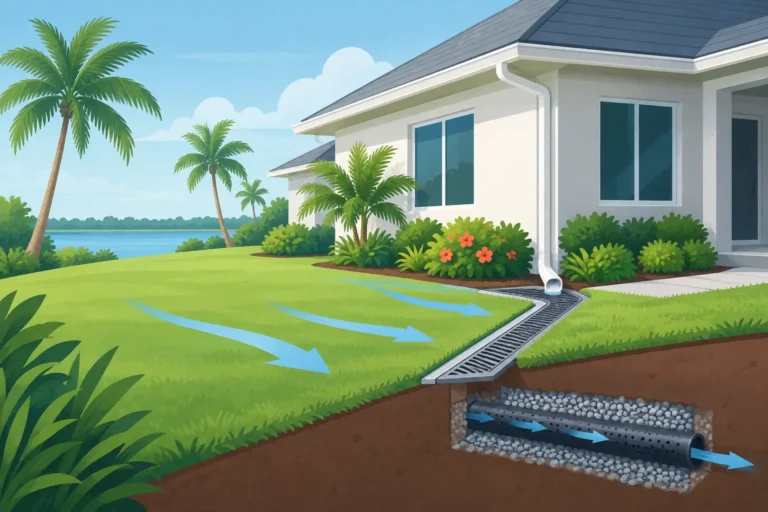
Not every gurgling or drainage concern is inside the home. In Eustis, Mount Dora, Tavares, Leesburg, and Lady Lake, heavy rain can expose an exterior drainage problem fast. If water pools near a yard drain, driveway drain, or storm inlet, leaves, mulch, sand, and roots may be blocking the system.
Exterior drains should move rainwater away from the home, not hold it near the foundation or across walkways. Cleaning visible debris from the grate is a good first step. If water still stands after the grate is clear, the buried line may need cleaning or inspection. Do not assume it will correct itself after the next dry spell.
Get the Cause Explained Before You Approve the Fix
The best repair is not automatically the biggest or most expensive one. It is the repair that matches the condition inside your pipe. Ask what is causing the gurgle, which line is affected, what method is recommended, and whether the line was inspected after cleaning. Clear answers help you decide with confidence.
USA Drain Cleaning serves Lake County homeowners with camera-based diagnostics and professional drain cleaning designed to address the blockage, not just quiet the noise for a day. A gurgling drain may be a small fix, or it may be your home’s early warning. Acting before water backs up gives you more control over the repair, your schedule, and your budget.