Chemical Cleaners Versus Professionals: Which Wins?
A kitchen sink that takes forever to empty can make a bottle of drain cleaner look like the fastest answer in the house. But chemical cleaners versus professionals is not simply a question of convenience or price. It is a question of what is actually inside the pipe, how far down the blockage sits, and whether a quick fix could create a larger problem.
For Lake County homeowners, recurring clogs, sewer odors, gurgling fixtures, and water backing up in more than one drain are signals to take seriously. The right next step depends on the symptom. A slow bathroom sink may have a simple buildup near the drain opening. A toilet that bubbles when the washing machine drains may point to a main-line issue that a store-bought product cannot reach.
What Chemical Drain Cleaners Actually Do
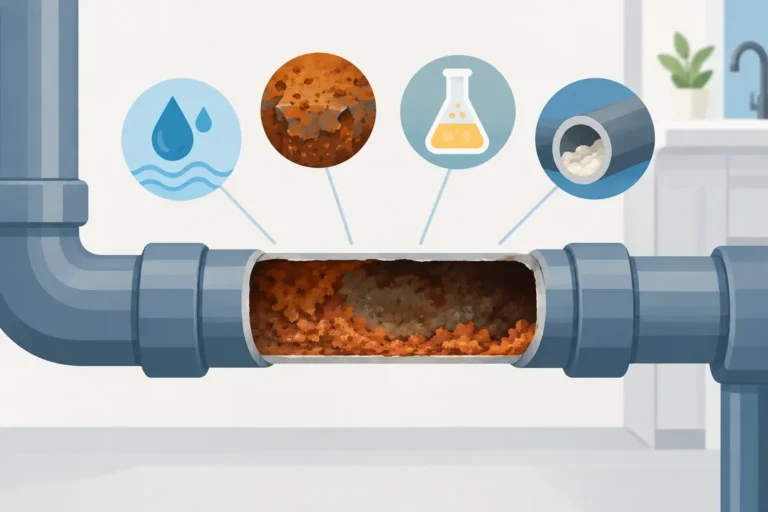
Most liquid or gel drain cleaners are designed to break down organic material such as hair, soap scum, grease, or food residue. Some use strong alkaline ingredients, while others use acidic compounds or oxidizers. When the product contacts a small, nearby clog, it may open a path for water to pass.
That limited result is why these products remain popular. They are available immediately, cost less than a service visit, and sometimes help with a minor, one-time slowdown. If a bathroom sink has gradually become sluggish from hair and toothpaste residue, a carefully used product may offer temporary relief.
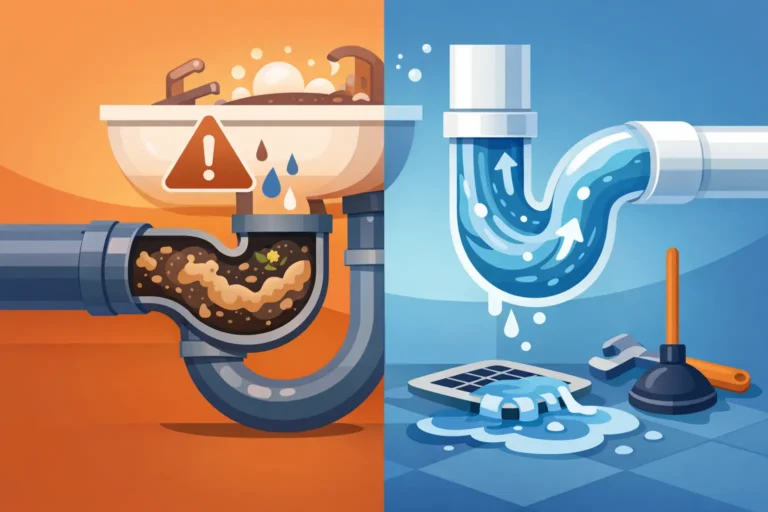
The key word is temporary. The cleaner may burn a small channel through buildup without removing the full blockage coating the pipe wall. Water starts moving again, but the material that caused the problem remains. A few weeks later, the drain slows down again, and another bottle goes in.
Chemical cleaners also cannot tell you what caused the clog. They cannot distinguish between grease buildup, a dropped object, a damaged pipe, tree roots in a sewer line, or a sagging section of pipe holding waste. They treat every problem as if it were a soft clog close to the fixture, even when it is not.
When a Chemical Cleaner Can Make Things Worse
The biggest concern with repeated chemical use is heat and corrosion. Strong products can sit in a blocked pipe longer than intended, especially when water cannot carry them away. That exposure can be hard on older metal piping, weakened joints, rubber components, and some plumbing fixtures.
A chemical cleaner can also complicate the next repair. If the drain remains blocked and a technician needs to work on it, the pipe may contain caustic liquid. That creates a safety issue for anyone opening a trap, removing a cleanout cap, or using a cable machine. Always tell a drain professional if you have recently poured a cleaner into the line.
Never mix drain cleaners or follow one product with another chemical. Do not combine them with bleach, ammonia, or other household products. Harmful fumes and violent reactions are possible. If a cleaner does not work as directed, adding more products is not a stronger solution. It is a reason to stop and identify the actual issue.
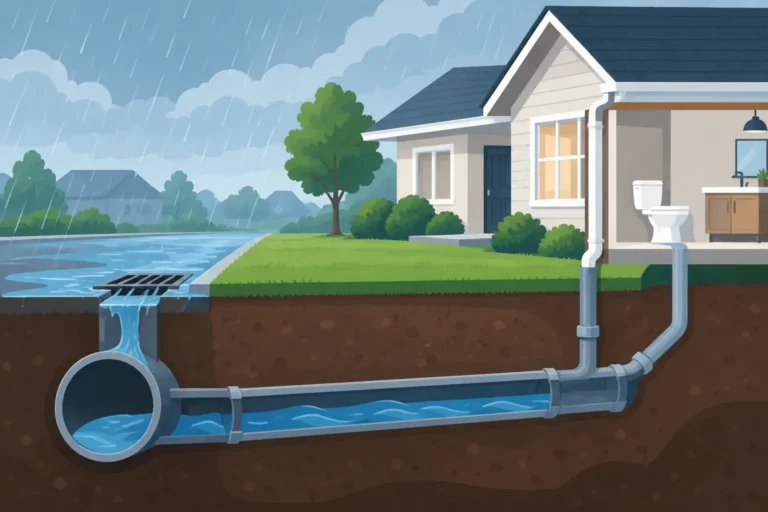
Chemical cleaners are especially poor choices for toilets, main sewer lines, garbage disposals, and exterior storm drains. A toilet has standing water that dilutes the product, and the wrong cleaner can damage components or create a dangerous splash hazard. Storm drain blockages often involve leaves, soil, mulch, roots, or standing water. A bottle of liquid cleaner will not remove that material or restore proper outdoor drainage.
Chemical Cleaners Versus Professionals: The Real Difference
The practical difference is diagnosis. A chemical product reacts with whatever it touches. A professional drain service identifies where the blockage is, what it is made of, and whether the pipe itself has a problem.
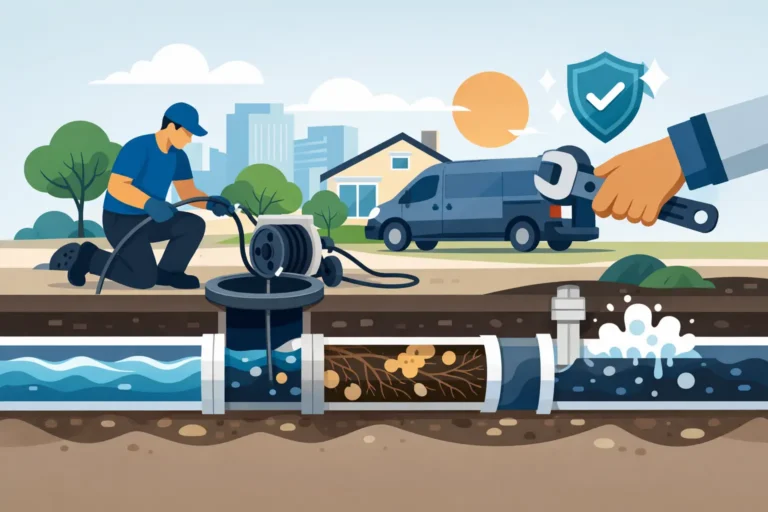
For a straightforward fixture clog, a technician may clear the line mechanically and verify that water is draining properly. For a recurring kitchen backup, the answer may be professional cleaning that removes grease and buildup farther along the line. For a main-line backup, a camera inspection can reveal roots, pipe damage, heavy scale, or another obstruction that requires a specific solution.
This approach avoids guessing. No unnecessary work. You should be able to see or understand the condition of the line, hear what caused the issue, and receive a clear explanation of the recommended repair or cleaning method.
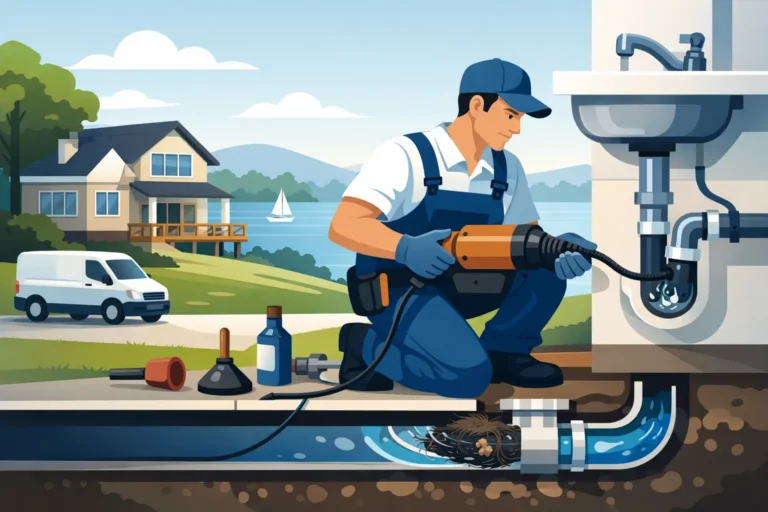
Professional equipment also works differently from chemical products. Drain cables can break through and retrieve certain obstructions. High-pressure water jetting can scour grease, sludge, and accumulated debris from pipe walls when the pipe condition is appropriate for that service. A camera inspection can confirm whether the line is clean and identify problems that cleaning alone will not solve.
That does not mean every slow drain needs the most extensive service. A trustworthy technician should recommend the work that matches the problem. Sometimes the answer is a simple drain clearing. Sometimes a camera is the sensible next step because the clog keeps returning. The value is in knowing why the drain failed before spending money on a fix that will not last.
Signs It Is Time to Skip the Bottle
A single slow drain that has never caused trouble before may not be an emergency. But certain symptoms suggest the problem is beyond a surface-level clog.
If more than one fixture drains slowly, the issue may be farther down a shared branch line or the main sewer line. If flushing a toilet makes the tub gurgle, or running the washing machine causes water to back up elsewhere, treat it as a possible main-line blockage. Using chemicals in that situation can leave you with standing water and a pipe full of harsh liquid.
Recurring clogs are another clear warning. A sink that needs attention every month is not being fully cleaned. The same is true of foul drain odors that return after cleaning, or water that pools around an exterior drain after every heavy Florida rain. Something is still restricting the flow.
Call for professional help promptly when you notice sewage backing up, water rising from a floor drain, persistent gurgling, or wet areas near a cleanout or drain line. These are not wait-and-see problems. Quick action can help limit damage to floors, cabinets, landscaping, and personal belongings.
A Better First Response for Homeowners
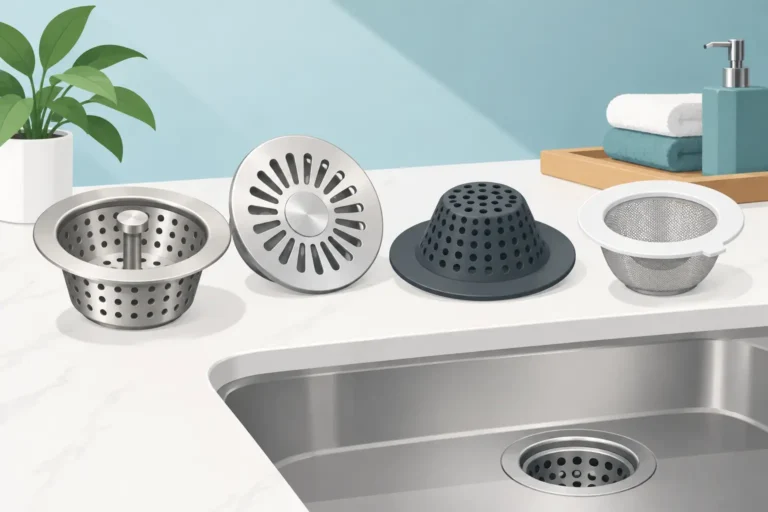
Before reaching for a chemical product, start with the safest simple checks. Remove visible hair or debris from a sink or shower drain. Check whether the stopper or drain cover is restricting flow. For a kitchen sink, avoid sending grease, coffee grounds, fibrous food scraps, or large amounts of food waste into the drain.
If water is still moving, a plunger used correctly may clear a small nearby clog. For a bathroom sink, cleaning the stopper assembly often removes the hair buildup responsible for a slow drain. Use care around older fixtures, and do not plunge after adding chemical cleaner unless you are certain the product has been flushed away according to its instructions.
When the problem returns or the water does not move, stop adding products. Repeated attempts can waste money, delay the real solution, and make the service call more hazardous. Take note of which fixtures are affected, when the problem began, and whether rain, laundry, dishwashing, or toilet flushing makes it worse. Those details help narrow down the cause.
What a Professional Visit Should Look Like
A good drain service call should not feel mysterious. The technician should listen to the symptoms, inspect the affected fixtures or access points, and explain the likely cause before beginning work. If a camera inspection is needed, you should receive a plain-language explanation of what the camera shows, not a confusing sales pitch.
At USA Drain Cleaning, the goal is to identify the source of the problem and clear it correctly, whether that means a stubborn indoor clog, buildup in a drain line, root intrusion, or a blocked storm drain. The work should leave you knowing what was found, what was done, and what maintenance steps can help reduce future trouble.
The cheapest option is not always the lowest-cost choice over time. One bottle may seem less expensive than a professional visit, but several bottles, repeated backups, damaged finishes, or a surprise sewer overflow quickly change that calculation. A lasting fix starts with an honest diagnosis.
When water is not draining as it should, choose the response that fits the problem, not just the quickest product on the shelf. A clear explanation and the right equipment can turn a recurring household headache into a drain that works the way it should.