Septic Tank Versus Sewer: Which Fits Your Home?
A slow kitchen drain is frustrating. A main-line backup that sends wastewater toward a shower, tub, or yard is a different kind of problem entirely. When homeowners compare septic tank versus sewer service, the biggest question is usually simple: where does wastewater go after it leaves the house, and who is responsible when something goes wrong?
The answer affects your maintenance routine, repair costs, and the type of help you need during a backup. In Lake County, both systems are common. Older homes, rural properties, and homes outside municipal utility areas may rely on septic systems, while many neighborhoods connect to a public sewer line. Neither setup is automatically better for every property. What matters is understanding where your responsibility begins and ends.
Septic Tank Versus Sewer: The Basic Difference
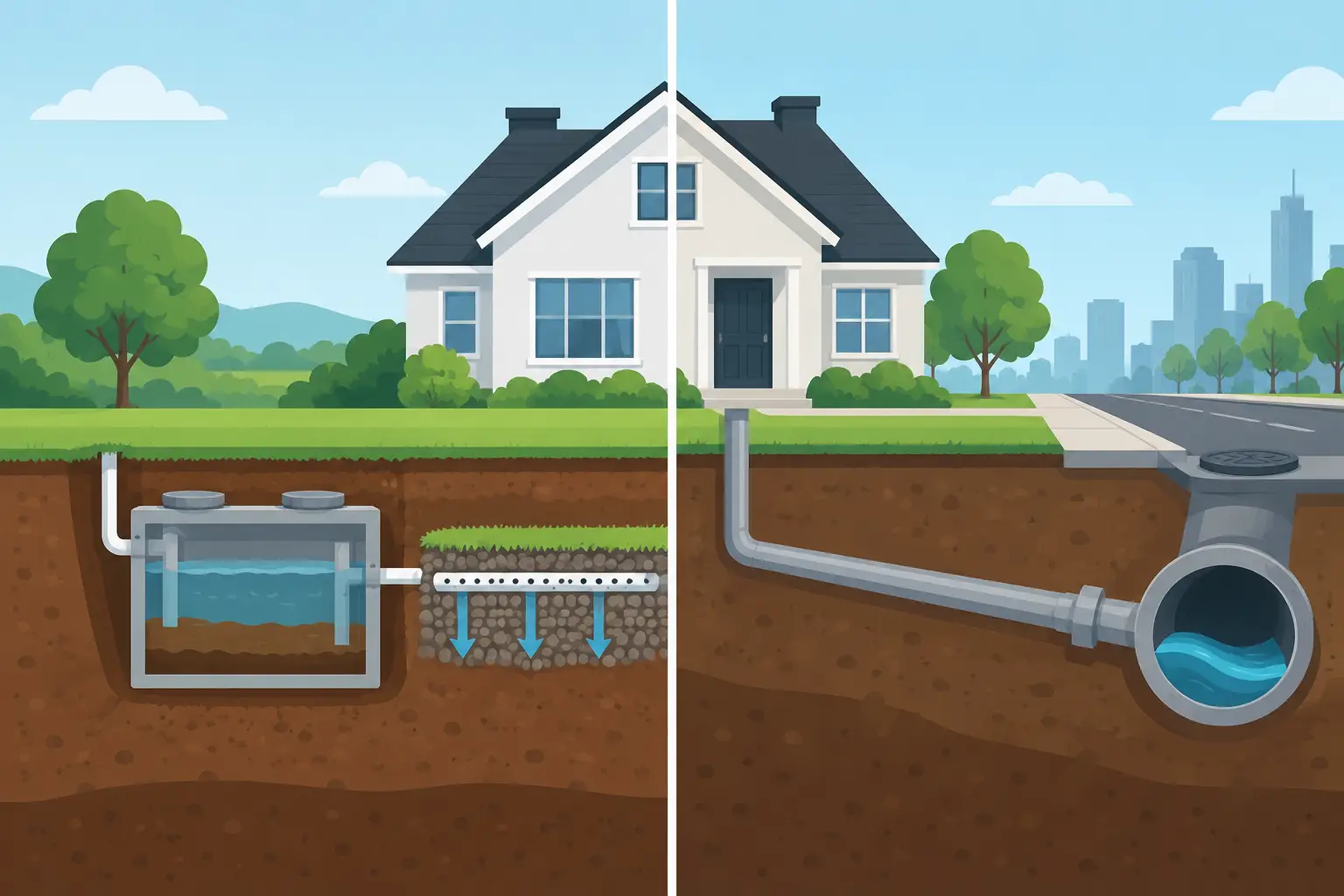
A sewer-connected home sends wastewater from toilets, sinks, tubs, washing machines, and other fixtures through the home’s drain line and into a public sewer system. The local utility owns and maintains the larger public sewer infrastructure beyond the private connection point. The homeowner is generally responsible for the plumbing inside the home and the private sewer lateral running from the house to the public connection.
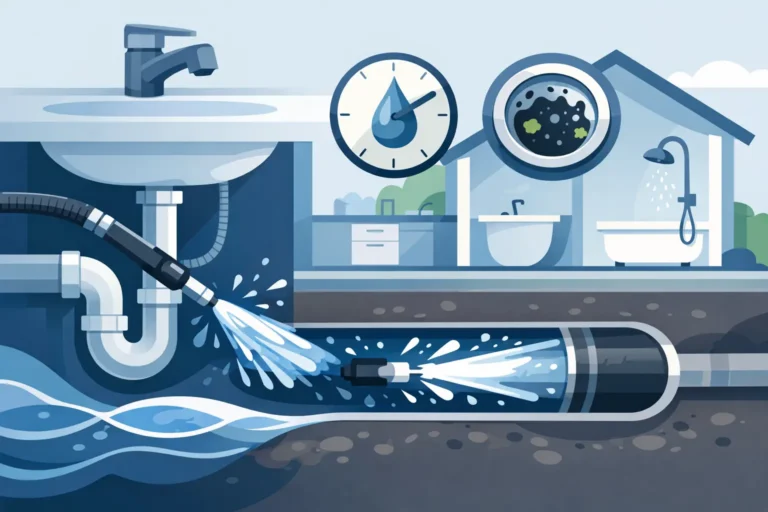
A septic system handles wastewater on the property. Wastewater flows into a buried septic tank, where solids settle and bacteria begin breaking down waste. Liquid effluent then moves to a drain field, where it is filtered through surrounding soil. The homeowner is responsible for the entire system, including the tank, drain field, and the line leading from the house.
That difference matters when a drain backs up. A sewer customer may have a blockage in a bathroom branch line, the private main line, or occasionally a public line. A septic homeowner may have a clogged house line, a full tank, a damaged baffle, or a drain field that is no longer accepting water properly. The symptoms can look similar, but the cause and solution may be very different.
How to Tell Which System Your Home Uses
If you are not sure, start with your utility bill. A recurring sewer charge usually means your home is connected to a municipal sewer system. A septic home typically will not have that charge, although it may still receive a water bill from a public utility.
You can also check your property records, prior inspection reports, or documents from when you bought the home. A septic tank may have an access lid in the yard, though it is often buried and should not be dug up without a reason. If you are buying a home, verify the wastewater setup before closing. It is a basic detail that can change your expected maintenance costs.
For existing homeowners, the location of the house main line matters just as much as the system type. A camera inspection can show whether recurring clogs are caused by grease buildup, root intrusion, cracked pipe, a low spot holding waste, or another obstruction in the private line. No guessing. No unnecessary work.
Maintenance Is Different, but Neither System Is Hands-Off
A public sewer connection removes the need to pump and maintain a private septic tank, but it does not make a home’s drains maintenance-free. Grease, soap residue, wipes, hair, scale, and foreign objects can still clog household plumbing. Roots can also enter aging sewer laterals through small cracks or loose joints.
Sewer customers should avoid treating the toilet like a trash can. Flushable wipes, paper towels, feminine products, dental floss, and cooking grease are common reasons for stubborn clogs. Even products labeled flushable can catch on buildup or roots in an older line.
Septic systems require that same care, plus regular tank pumping. The right pumping schedule depends on tank size, household size, water use, and what goes down the drain. Many homes need pumping every three to five years, but a septic professional can recommend a schedule based on the system and household.
A septic system also depends on a healthy drain field. Excessive water use, leaking fixtures, harsh chemical use, and driving or parking over the drain field can shorten its life. Florida’s heavy rain can add another concern. Saturated soil may keep a drain field from absorbing effluent as efficiently, especially if the system already has a maintenance issue.
Cost: Predictable Utility Bills or Private System Care?
With public sewer, homeowners usually pay an ongoing sewer charge through their utility bill. The trade-off is convenience: the municipality handles wastewater treatment and maintains the public system. You are still responsible for drain cleaning and repairs on your property’s private side of the connection.
With septic, there may be no monthly sewer bill, but maintenance and eventual repairs are yours to manage. Routine pumping is a planned expense. Replacing a failed drain field or repairing damaged septic components can be a much larger expense, particularly when landscaping, access, or site conditions complicate the work.
This does not mean sewer is always cheaper or septic is always more expensive. A well-maintained septic system can serve a home reliably for many years. A sewer-connected home with an old root-damaged lateral can also face a significant repair. The practical advantage comes from knowing your system, maintaining it, and responding early when warning signs appear.
Warning Signs You Should Not Ignore
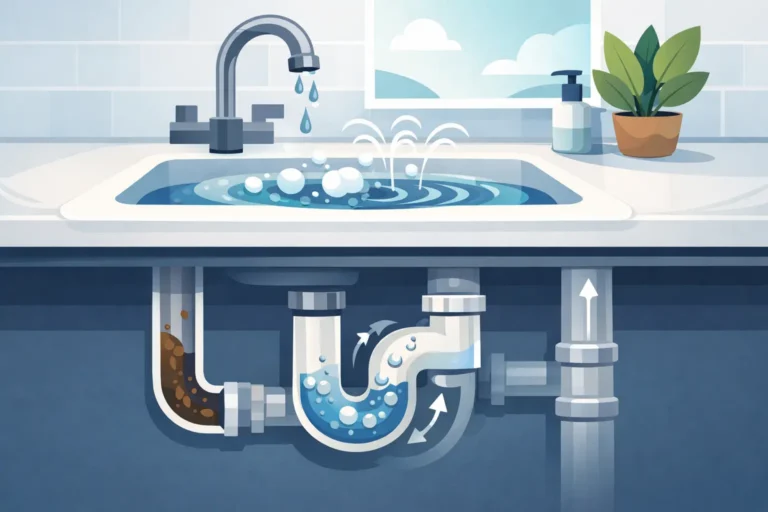
A single slow bathroom sink may be a local clog. But when multiple drains slow down at once, the issue may be farther down the system. Toilets that bubble when a shower drains, water coming up in a tub, sewage odors, or wastewater near an exterior cleanout all deserve prompt attention.
For septic homeowners, unusually green or wet areas around the tank or drain field can signal trouble. So can sewage odors outside, drains that become slow after laundry, or backups that return soon after the tank is pumped. Pumping may be necessary, but it does not automatically solve a blocked pipe or a failing drain field.
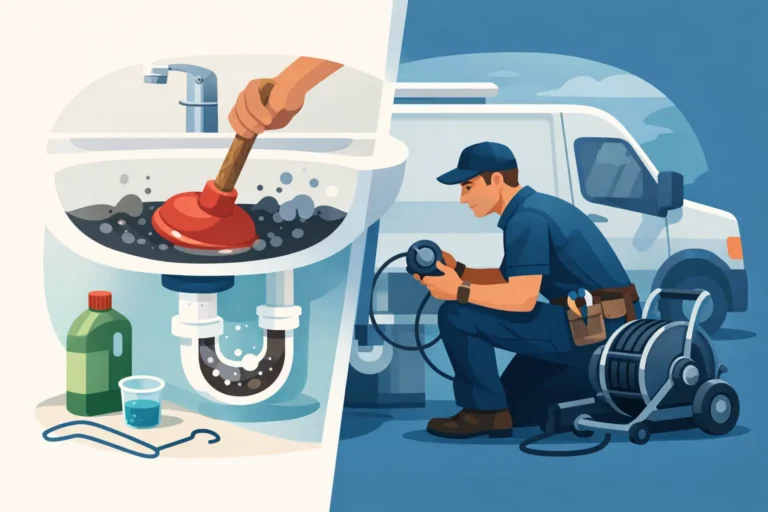
For sewer-connected homeowners, repeated main-line backups often point to buildup, roots, pipe damage, or a connection issue in the private sewer lateral. Pouring chemical drain cleaner into the line is unlikely to fix a serious main-line blockage. It can also create a tougher and less safe situation for anyone working on the drain afterward.
Why a Camera Inspection Can Save Time and Money
When the problem is beyond a simple fixture clog, a camera inspection gives you a clear look inside the line. It can identify roots, grease accumulation, broken sections, offsets, standing water, or an obstruction that ordinary snaking may only punch through temporarily.
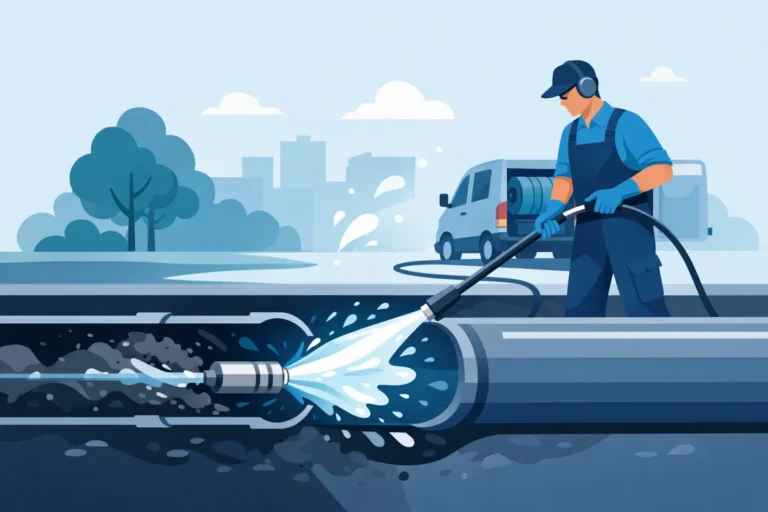
That information helps separate a drain-line problem from a septic tank or drain-field problem. For example, if the camera finds heavy roots in the house main line, professional drain cleaning or high-pressure jetting may restore proper flow. If the line is open but wastewater is not leaving a septic system as it should, the next step may involve a septic specialist rather than repeated drain cleaning.
This is the kind of distinction homeowners deserve before approving work. A clear diagnosis protects your budget and helps prevent the same backup from happening again next month.
What to Do During a Backup
Stop using water as soon as you notice sewage backing up or several fixtures draining poorly. Do not run the dishwasher, washing machine, or additional showers to see if the problem clears. Added water can turn a manageable blockage into a larger cleanup.
Keep children and pets away from affected areas, and avoid direct contact with wastewater. If the backup is contained to one fixture, you may be dealing with a local clog. If several fixtures are involved, treat it as a possible main-line or septic issue and arrange for a professional diagnosis.
USA Drain Cleaning helps Lake County homeowners identify private drain-line blockages with camera inspections and professional cleaning equipment. If the evidence points beyond the drain line to a septic tank or drain field, you will know that before spending money on work that cannot address the real problem.
Whether your home uses a septic tank or a public sewer, pay attention to the first warning signs. A drain that gurgles today is often giving you time to solve a smaller problem before it becomes a messy one.