Why Standing Water Near a Yard Drain Happens
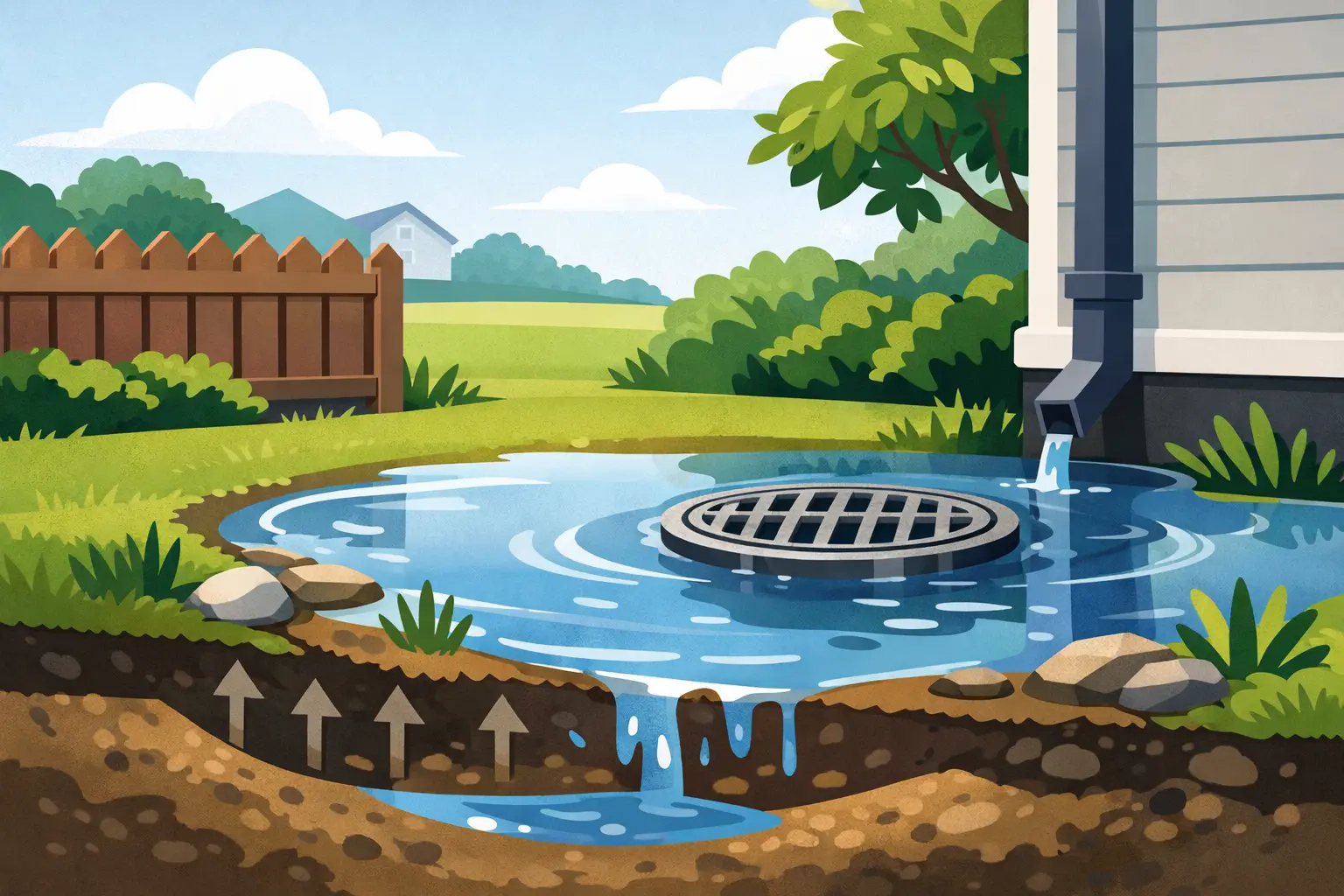
A puddle that remains hours or days after rain is more than an inconvenience. Standing water near yard drain areas can soak lawns, weaken driveway edges, attract mosquitoes, and send water toward the foundation when it should be moving safely away from the house. In Lake County, a hard Florida rain can expose an exterior drainage problem quickly.
The good news is that pooled water does not automatically mean you need to replace a drain line. It may be a surface blockage, a clogged catch basin, a buried pipe full of debris, or a grading issue that keeps water from reaching the drain in the first place. The right fix starts with identifying where the water stops moving and why.
What Standing Water Near a Yard Drain Can Mean
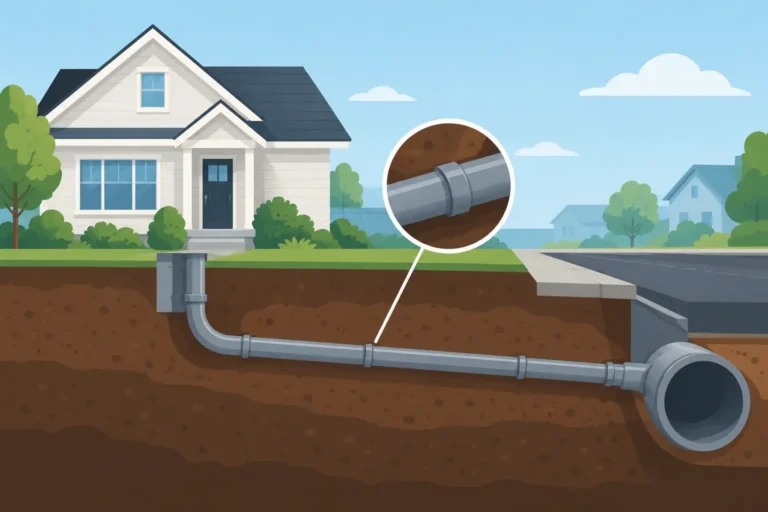
A yard drain, often called a storm drain or catch basin, is designed to collect runoff from low areas, patios, driveways, gutters, and landscaped sections of the property. Water enters through the grate and travels through an underground pipe to an approved discharge area. If any part of that path is restricted, water can collect around the drain instead of flowing through it.
The simplest cause is debris at the grate. Grass clippings, pine needles, mulch, leaves, and soil can form a dense layer over the opening. During a storm, that layer may hold water like a filter. Clearing visible debris can help, but it does not confirm that the pipe below is clear.
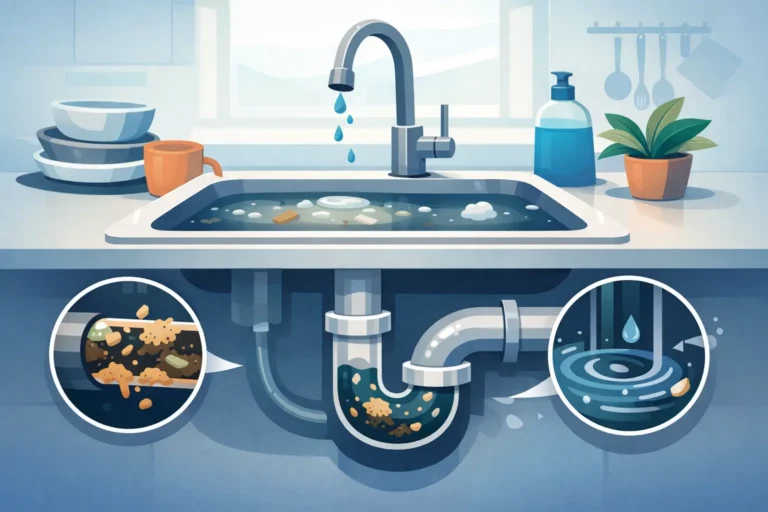
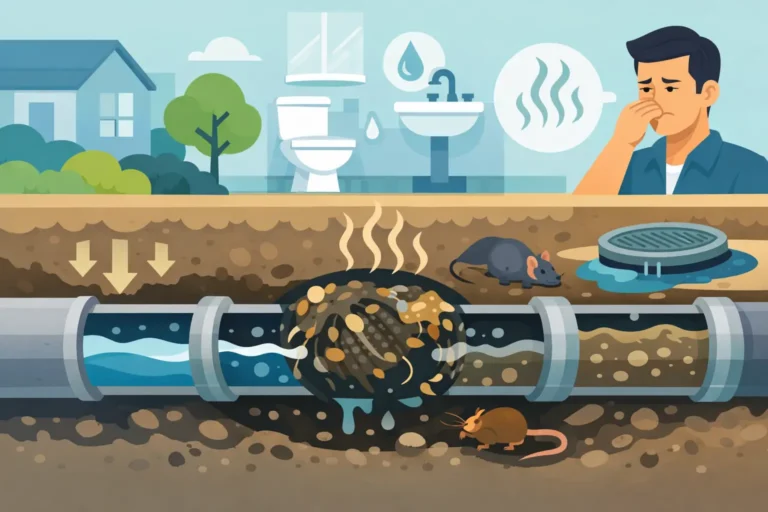
A more common hidden issue is buildup inside the drain line. Mud, sand, decomposed leaves, and roof runoff sediment settle in low spots of the pipe over time. The drain may still handle a light shower, then back up during a heavy downpour because the remaining opening is too small for the volume of water.
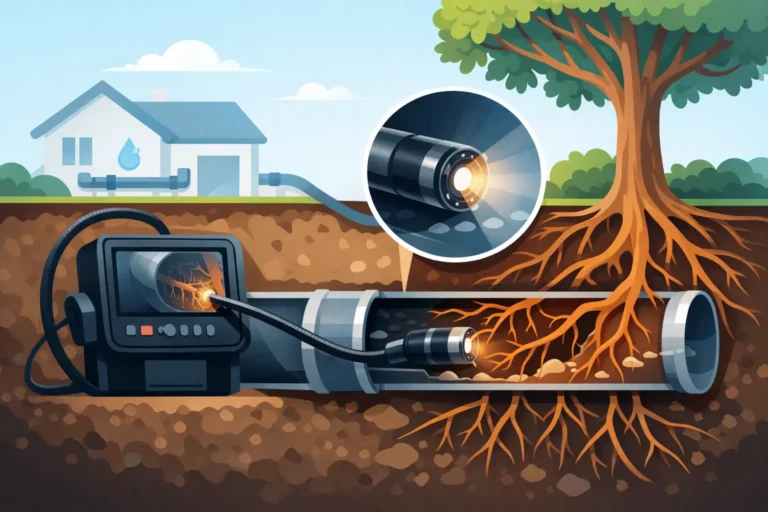
Roots can also enter damaged joints or cracked pipes, especially near mature trees and shrubs. Roots seek moisture, and a storm drain can provide it. Once inside, they catch debris and gradually create a blockage. If the problem returns after surface cleaning, root intrusion or pipe damage deserves a closer look.
Check the Pattern Before You Assume a Clog
The timing and location of the standing water provide useful clues. If water pools directly over the grate and drains slowly once the rain stops, the grate or pipe may be restricted. If the grate is clear but water sits several feet away from it, the yard may be sloped poorly or the drain may sit too high for the surrounding grade.
Notice whether the problem occurs only during major storms or after ordinary rain. A system that fails only in a downpour may be undersized for the amount of runoff it receives, particularly if new landscaping, a patio, or gutter extensions direct more water into the same area. A drain that remains backed up after a modest rain is more likely dealing with a blockage or a damaged line.
Also look for water coming back out of the drain. If the basin fills from below after rain has slowed, the downstream pipe may be obstructed. Muddy water, a foul odor, or a gurgling sound can point to a line that is holding stagnant water and debris.
Do not overlook nearby downspouts. A disconnected or crushed extension can release a large amount of roof runoff beside the drain rather than into it. That creates the appearance of a failed yard drain even when the drain itself is functioning normally.
Safe Steps Homeowners Can Take First
If conditions are dry and safe, remove leaves, mulch, and other loose debris from the drain grate. Wear gloves and avoid reaching into a basin where you cannot see what is inside. A garden hose can help you observe whether water enters the drain freely, but use a controlled flow rather than flooding the area.
If water immediately rises and stays near the opening, stop there. Forcing more water into a blocked line can push sediment farther along the pipe or cause water to surface somewhere else in the yard. Chemical drain cleaners are not a good answer for exterior storm drains. They do little for mud, roots, and packed organic debris, and they can harm landscaping and create an unsafe work area.
It is also wise to keep grass clippings and mulch away from the drain after routine yard work. Small amounts add up over a rainy season. This basic maintenance helps, but it will not correct a collapsed pipe, root growth, or an underground blockage beyond reach.
When the Problem May Be Yard Grading
Not every drainage issue is inside the pipe. Yard grading determines whether rainfall naturally moves toward a drain or away from the house. A low spot can develop as soil settles, landscape borders are added, or heavy equipment compacts part of the yard. In those cases, the drain may be open but unable to collect water because it is not at the lowest point.
Grading problems usually create broad, shallow puddles that form in the same place after nearly every rain. The water may sit beside a drain rather than above it. Adding soil can sometimes improve a minor low area, but the work needs to preserve a safe slope away from the home. Raising soil too high against siding, stucco, or foundation vents can create a different moisture problem.
A drainage professional can help determine whether the pipe is restricted before you spend money changing the landscape. There is no benefit in regrading a yard if the real issue is a storm line packed with sediment.
Why Camera Inspection Helps With Recurring Water
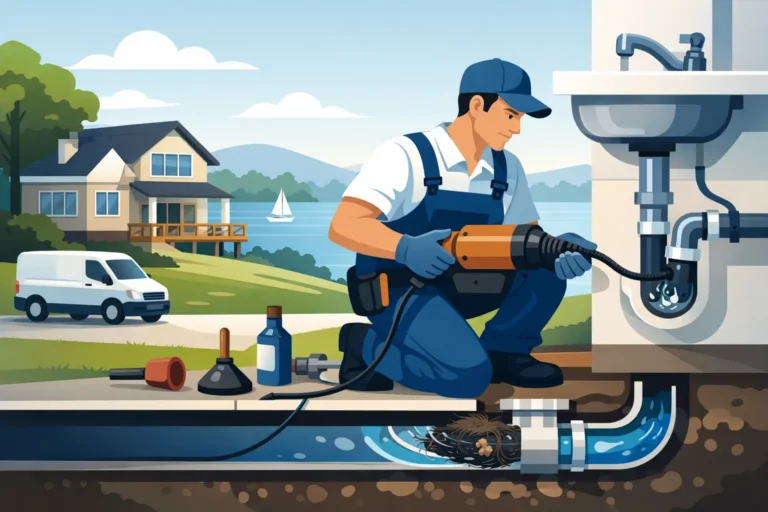
A recurring exterior drainage problem calls for more than a quick look through the grate. A video camera inspection can show the actual condition inside the line: accumulated debris, root intrusion, separated joints, sagging pipe, cracks, or a complete obstruction. It replaces guesswork with a clear view of what is happening underground.
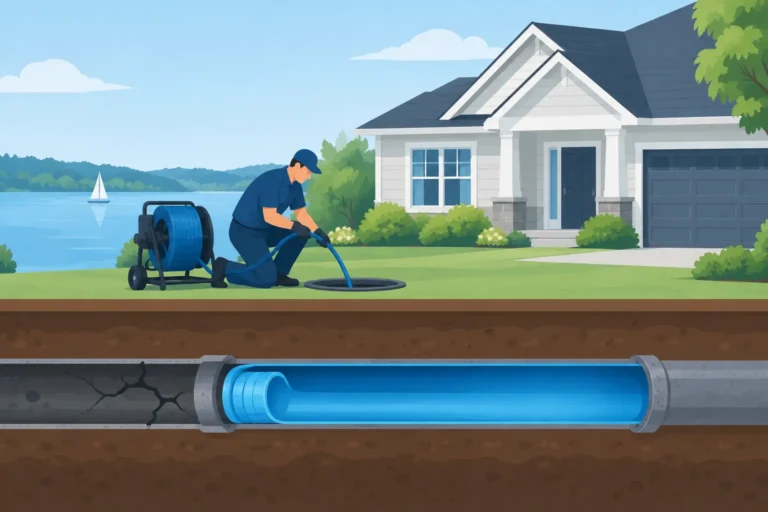
That matters because the repair approach depends on the cause. High-pressure jetting may clear compacted mud and organic buildup. Roots may require specialized removal and a discussion about the condition of the pipe. If a line has shifted or collapsed, cleaning alone may restore flow only temporarily.
At USA Drain Cleaning, the goal is to explain what the camera shows in plain language before recommending work. No guessing. No unnecessary work. Homeowners should know whether they are dealing with a cleanable blockage, a damaged line, or a drainage layout issue before approving the next step.
Signs It Is Time to Call for Storm Drain Cleaning
Call for professional help when water remains around the drain long after rain ends, especially if the puddle is getting larger or moving toward the home. It is also time to have the system checked when the same drain backs up repeatedly, water bubbles from the grate, or the area has a persistent musty or sewage-like odor.
Take standing water seriously when it is near a driveway, walkway, pool deck, or foundation. Saturated soil can shift, erode, and create slippery surfaces. In Florida’s warm weather, stagnant water can also become a mosquito concern quickly.
A professional cleaning and inspection is particularly useful before the wettest part of the season, after a major storm, or when buying a home with visible drainage concerns. Clearing the line before it becomes fully blocked is usually less disruptive than dealing with flooding during the next heavy rain.
A yard drain should quietly do its job and disappear into the background. If water keeps collecting around it, pay attention to the pattern, clear only what you can safely reach, and get a clear diagnosis before choosing a repair. A straightforward inspection now can help keep the next storm from turning a small puddle into a property-wide problem.