Drain Cleaners: When DIY Stops Being Enough
A bottle of drain cleaner can feel like the fastest answer when the kitchen sink is holding water or the shower is draining around your feet. Sometimes drain cleaners can help with a minor, fresh buildup. But when a drain keeps slowing down, smells bad, gurgles, or backs up again a few days later, the problem is usually deeper than anything a chemical can reach.
For homeowners in Lake County, knowing the difference can prevent a small inconvenience from becoming a messy backup. The goal is not just to get water moving for the moment. It is to find out what is blocking the pipe and clear it safely.
What Drain Cleaners Can and Cannot Do
Store-bought drain cleaners generally fall into a few categories: caustic products that create heat, acidic products that react aggressively with buildup, and enzyme products designed to work more slowly on organic material. They are marketed as simple fixes, but each has limits.
A mild clog close to the drain opening, such as soap residue in a bathroom sink or a small amount of grease in a kitchen line, may improve with the right product. Even then, results vary based on what is in the pipe, how far down the blockage sits, and the condition of the plumbing.
Chemical products do not remove every type of obstruction. They are unlikely to solve a drain blocked by a foreign object, compacted grease, heavy scale, tree roots, damaged pipe, or a problem in the main sewer line. If water is not draining at all, the chemical may simply sit in the pipe. That creates a more difficult and potentially hazardous situation when someone later needs to work on the drain.
Enzyme-based products are usually less harsh, but they are not an emergency solution. They may be useful for ongoing maintenance in a normally functioning drain, but they need time and cannot break through a serious blockage.
The Risks of Repeated Chemical Drain Cleaners
The bigger concern is not one carefully used application. It is the cycle many homeowners know too well: the drain slows, a product is poured in, water moves for a week, and then the clog returns. More product gets added, but the underlying obstruction remains.
Some chemical drain cleaners generate heat that can be hard on older pipes, weak joints, and certain plumbing materials. They can also damage finishes around fixtures if they splash. Mixing products, or using a cleaner after another household chemical has already gone down the drain, can create dangerous fumes or reactions.
They also make professional service more complicated. A technician needs to know if chemicals have been used before opening a trap, running a cable, or inspecting a line. That is not a reason to delay calling for help. It is simply information that helps protect everyone working around the drain.
If you have already used a chemical cleaner and the drain is still clogged, do not add a second product or try to force the blockage with more chemicals. Let the technician know what was used and when.
Signs the Clog Is Not a Simple Fixture Problem
One slow sink does not always mean there is a major plumbing issue. Hair, soap film, toothpaste residue, and food particles can collect near an individual fixture. But certain symptoms point to a blockage farther down the line.
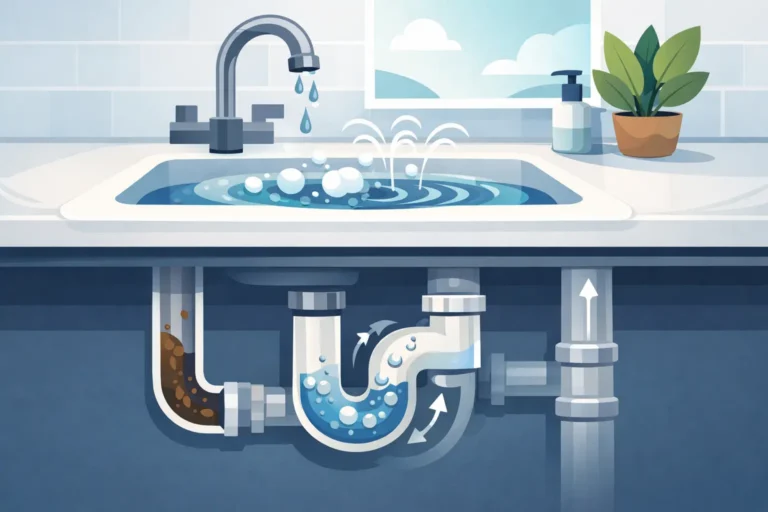
Pay attention if more than one drain is slow at the same time. A toilet that bubbles when the washing machine drains, water rising in a shower when a toilet flushes, or a sink that gurgles after the dishwasher runs can indicate a shared drain line issue. These are not good situations for another bottle of cleaner.
Recurring clogs deserve attention too. If the same bathroom sink or kitchen drain repeatedly needs treatment, there may be a buildup coating the pipe walls rather than a small plug near the opening. Grease is especially common in kitchen drains because it can cool and harden farther down the line, collecting food particles along the way.
Foul odors are another warning sign. A persistent sewer-like smell can come from trapped debris, a dry trap, a venting concern, or a drain line issue. The source needs to be identified rather than covered up with scented products.
Why a Camera Inspection Changes the Conversation
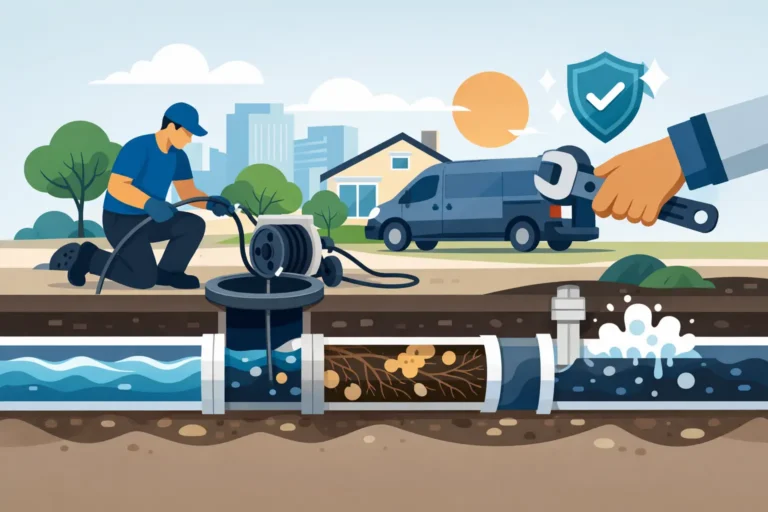
No guessing. No unnecessary work. A video camera inspection allows a technician to see inside the drain and identify what is actually causing the problem.
Instead of assuming every slow drain is hair or grease, the camera can show whether there is thick buildup, root intrusion, a separated connection, standing water in the line, or damage that needs a different repair approach. It also helps determine where the blockage is located and whether the pipe is in good condition for cleaning.
This matters because the right solution depends on the cause. A cable may remove a localized obstruction. High-pressure jetting may be the better choice for clearing grease, sludge, scale, and buildup along the inside of a pipe. If roots have entered a line, clearing them may restore flow, but the pipe condition should also be discussed so the homeowner understands the chance of recurrence.
At USA Drain Cleaning, the purpose of a camera inspection is straightforward: show the homeowner what is happening, explain the findings in plain language, and recommend only the work that makes sense for the condition of the drain.
Safer First Steps for a Slow Drain
When a drain is slow but not fully backed up, start with the simple measures that do not add risk. Remove visible hair or debris from the stopper or strainer. In a bathroom sink, the stopper assembly often catches a surprising amount of hair and soap residue.
For a kitchen sink, avoid pouring boiling water into pipes if you are unsure of the pipe material or if the sink is completely full. Warm water and a small amount of dish soap may help move fresh grease, but it will not clear hardened grease farther down the line. Do not use a plunger on a drain where harsh chemicals were recently poured.
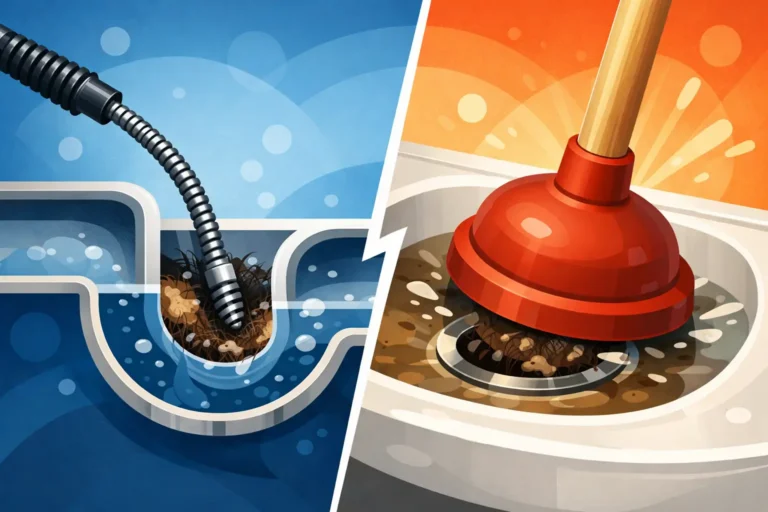
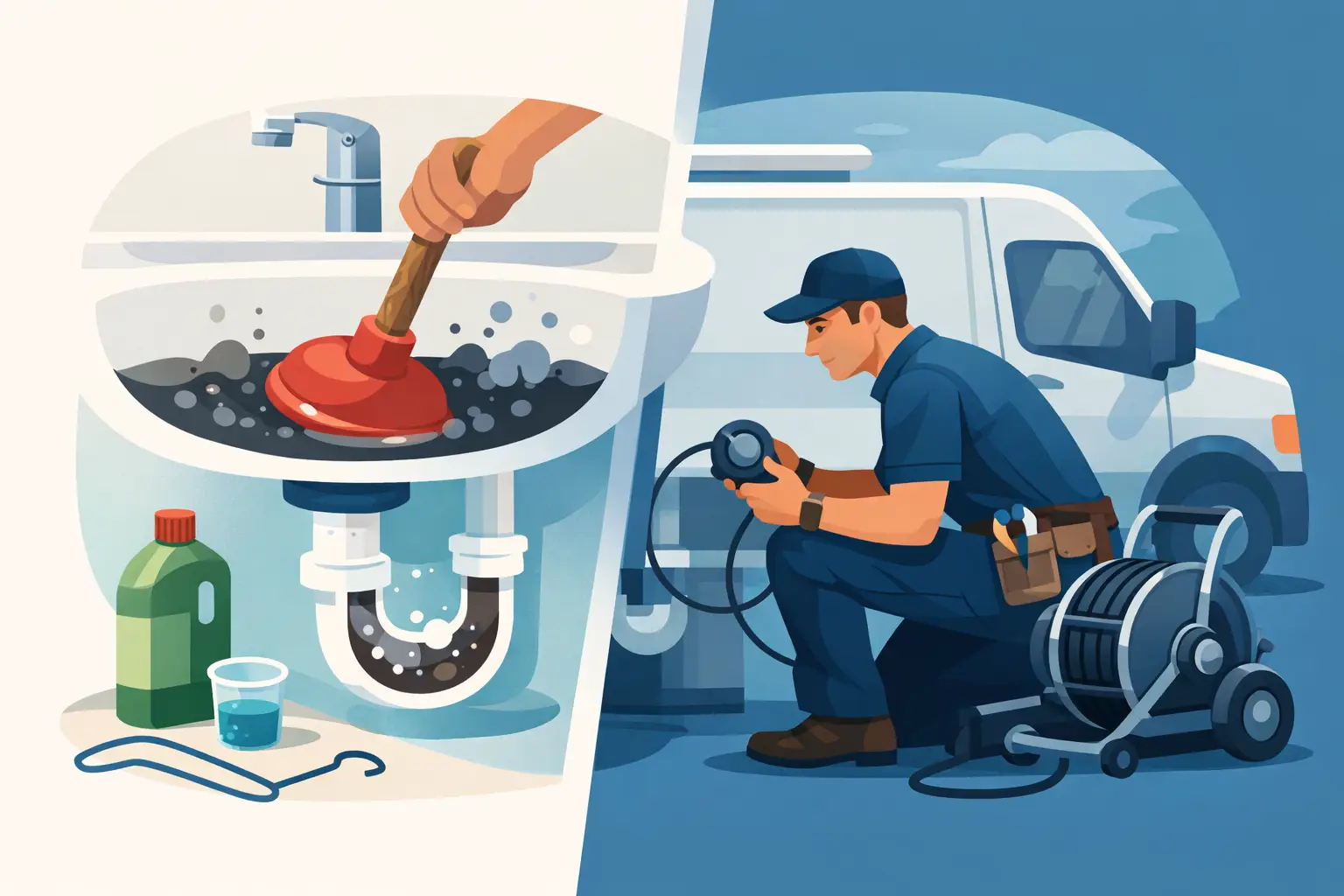
A plunger can be useful for a minor clog if used correctly. Cover the overflow opening on a sink, use enough water to seal the plunger cup, and work with steady pressure. If the drain does not improve after a few attempts, stop before turning a manageable clog into a spill or damaged fitting.
Avoid putting these common troublemakers down the drain:
- Grease, oil, and cooking fat
- Coffee grounds and food scraps
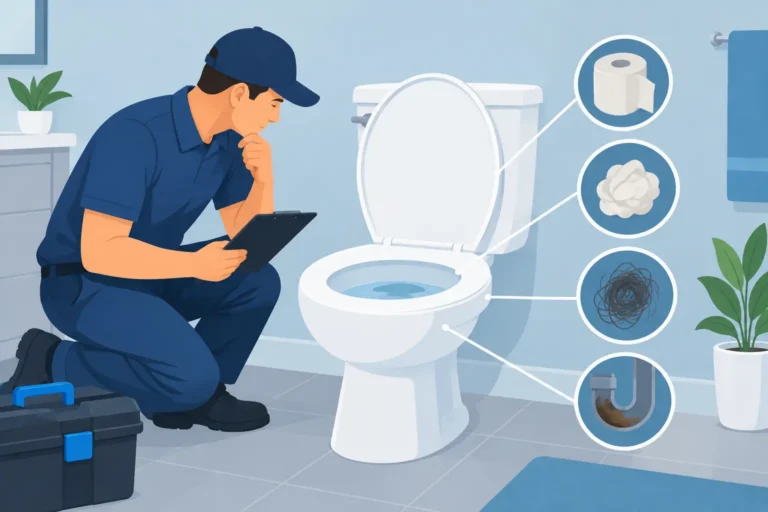
- “Flushable” wipes, paper towels, and hygiene products
- Large amounts of hair, pet fur, or dental floss
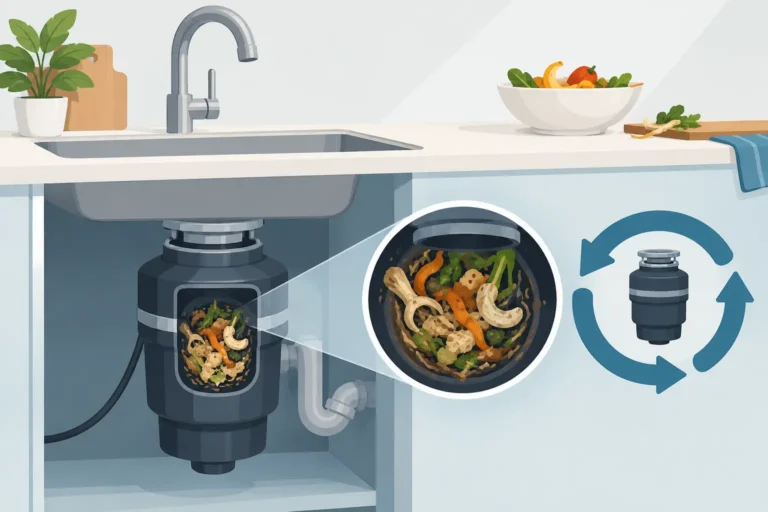
Garbage disposals are not a cure for everything, and toilets are not trash cans. Keeping those materials out of the system reduces the chance of a blockage, but it cannot correct an existing pipe issue.
When to Call for Professional Drain Cleaning
Call for professional help when water is backing up into a tub, shower, sink, or floor drain; when multiple fixtures are affected; or when a clog keeps returning after reasonable maintenance. A main-line backup can worsen quickly, particularly when toilets or washing machines are involved.
Professional equipment is designed to remove the source of the restriction, not just poke a small opening through it. High-pressure jetting can clean buildup from pipe walls, while a camera inspection can confirm whether the line is clear and reveal conditions that cleaning alone cannot fix.
Exterior drainage deserves the same attention. In Florida, a blocked storm drain, driveway drain, or yard drainage system can leave standing water around the property after heavy rain. Leaves, mulch, sediment, and roots can obstruct those systems over time. If water is pooling near your home or not moving through an exterior drain, it is worth addressing before the next hard storm.
A Clearer Way to Handle Drain Problems
The cheapest-looking solution is not always the least expensive one. Repeated bottles of chemicals, recurring service calls, and water damage from a sudden backup can add up fast. A clear diagnosis helps you spend money where it actually solves the problem.
If a drain is slow once, a careful cleanup may be all it needs. If it keeps sending the same warning signs, treat that as useful information. Having the line inspected and cleaned properly can replace the frustration of temporary fixes with an answer you can see and understand.