Why Does My Sink Gurgle? Causes and Fixes
A sink that makes a gulping or bubbling sound is not just being noisy. If you are asking, “why does my sink gurgle,” the sound usually means air is struggling to move through the drain system while water is trying to leave the fixture. That can be a small, localized clog, but it can also be an early warning that a larger drain line needs attention.
The good news is that gurgling gives you a chance to act before wastewater backs up into a sink, tub, or shower. Paying attention to when the sound happens and which fixtures are involved can help narrow down the cause.
Why Does My Sink Gurgle When It Drains?
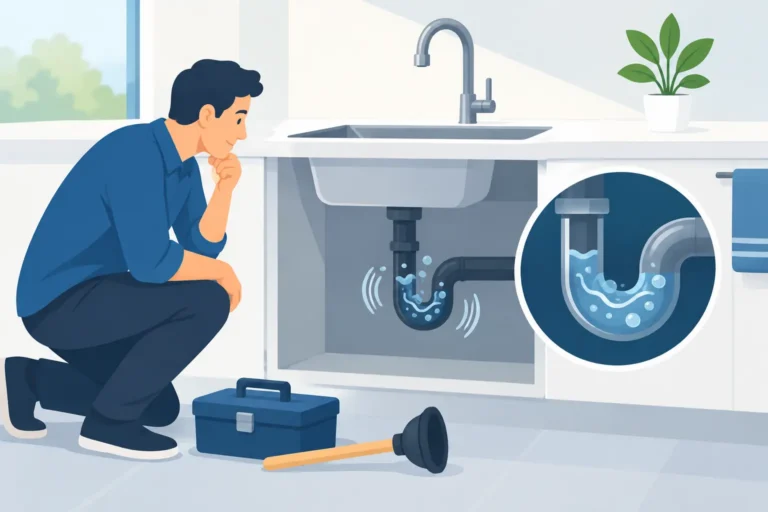
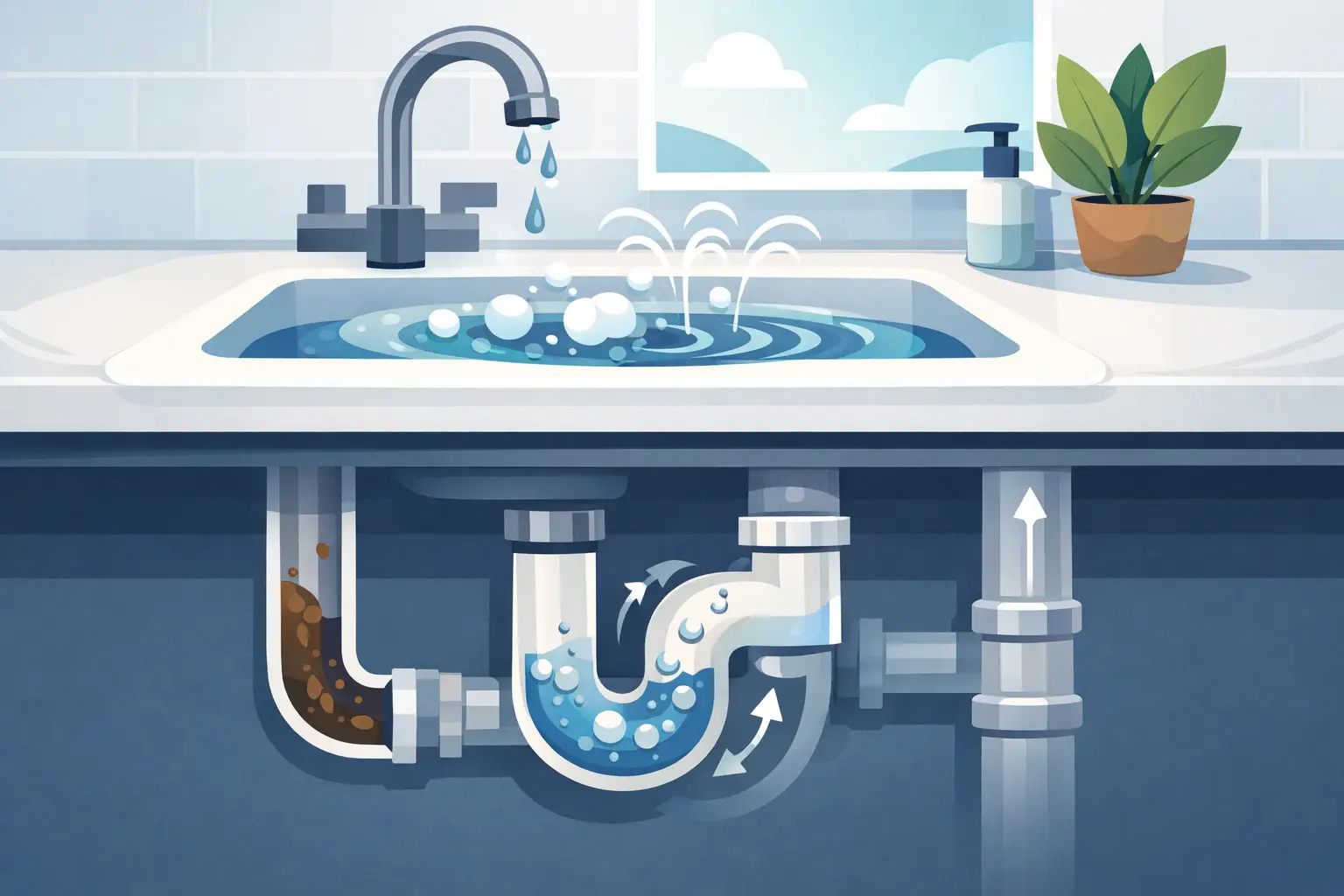
Your home’s plumbing needs both a clear path for water and a clear path for air. As water flows down a drain, air must move through the pipes and plumbing vent system to balance pressure. When a partial blockage restricts that movement, the water can pull and push trapped air through the drain. That is the gurgle you hear.
A single gurgle after running water may not mean an emergency. Repeated gurgling, slow draining, unpleasant odors, or water rising in another fixture are different. Those symptoms point to a restriction that is becoming harder for the system to handle.
In Lake County homes, buildup can develop gradually from soap residue, grease, food particles, hair, and mineral deposits. Older lines may also have cracks, offsets, or tree-root intrusion farther down the pipe. The sound alone cannot confirm which condition is present, which is why the pattern matters.
The Most Common Reasons a Sink Gurgles
A partial clog near the sink
A partial clog is the most common explanation, especially when only one kitchen or bathroom sink is affected. Water can still pass through a narrowed drain, but it does so unevenly. Air gets displaced in bursts, causing the familiar bubbling sound.
Kitchen sink clogs often contain grease, food debris, and detergent residue. Bathroom sink clogs are more likely to involve hair, toothpaste, soap film, and grooming products. A plunger may improve a minor obstruction, but recurring noise means material may still be coating the pipe farther down.
A blockage in a shared branch line
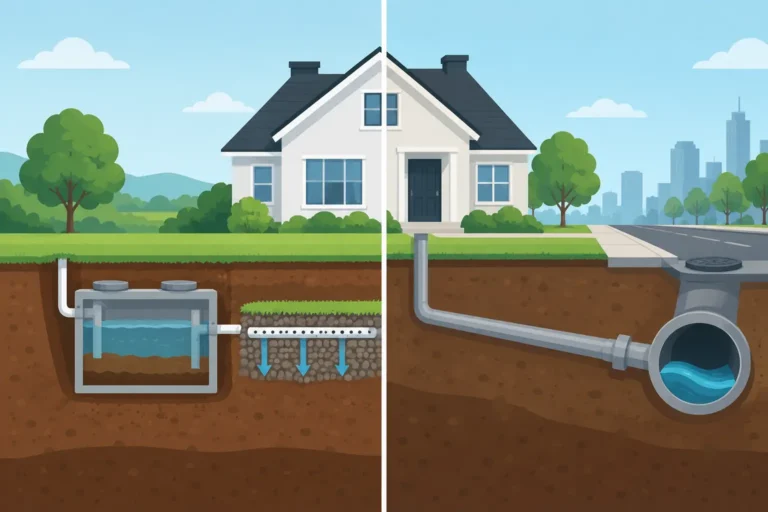
If a sink gurgles when you run the dishwasher, flush a toilet, use the washing machine, or drain a bathtub, the issue may be in a shared drain line rather than directly under the sink. Several fixtures can connect to the same branch line before that line reaches the main sewer pipe.
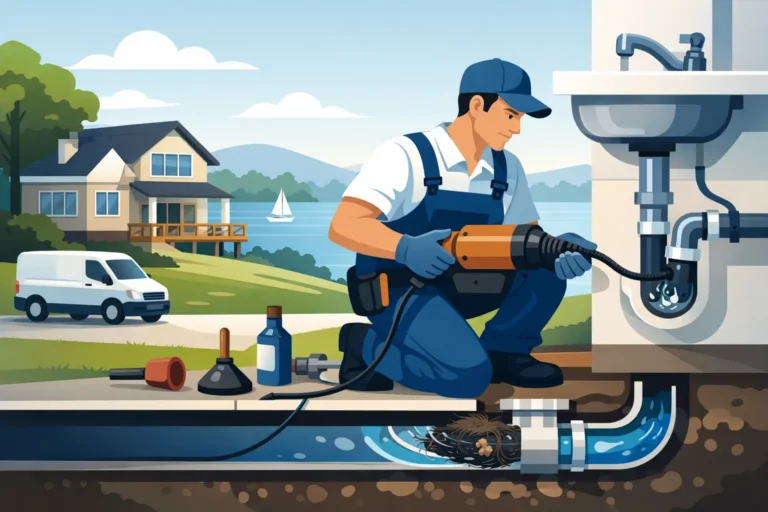
This is an important distinction. Treating only the sink drain may provide a short-lived improvement while the actual blockage remains farther along. A professional drain cleaning can clear the line where the restriction is, not just where the noise is most noticeable.
A problem with the plumbing vent
Plumbing vents extend through the roof and allow air to enter and exit the drain system. When a vent is blocked by leaves, nesting material, debris, or other obstructions, the system may not equalize pressure correctly. The result can be gurgling drains, slow fixtures, or water being pulled out of a nearby trap.
Vent issues are less common than ordinary drain clogs, but they should not be ignored. A dry trap can allow sewer odors into the home. Because roof access and vent diagnosis involve safety concerns, this is generally not a do-it-yourself job.
A developing main sewer line blockage
When more than one fixture gurgles, the concern moves beyond a single sink. You may hear the toilet bubble when the washing machine drains, notice a shower drain gurgling, or see water appear in a tub after flushing. Those are signs that wastewater may be meeting resistance in the main line.
Main-line restrictions can come from heavy buildup, a damaged pipe, shifting soil, or roots entering a crack or joint. Florida’s established trees and wet weather can make exterior pipe conditions more noticeable over time. Waiting for a complete backup usually means a messier, more urgent repair situation.
What the Gurgling Pattern Can Tell You
The timing of the sound offers useful clues. A kitchen sink that gurgles only while it drains likely has a nearby clog or branch-line restriction. A bathroom sink that gurgles after the toilet flushes may share a line with a blockage farther away.
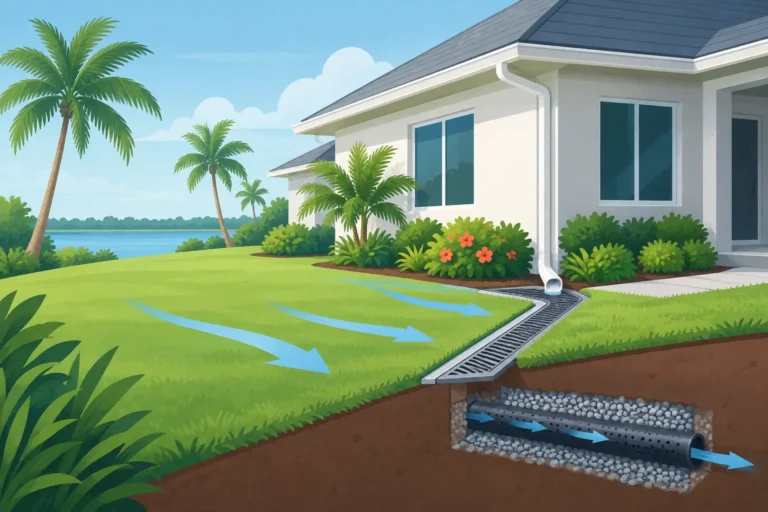
If every drain in the home seems slow or noisy, treat it as a possible main-line problem. If the sound appears after heavy rain and you also have standing water around exterior drains, the home may have more than one drainage issue. Interior plumbing drains and storm drains are separate systems, but both need a clear route for water to move away from the property.
A foul odor adds urgency. Odors can result from trapped debris, a dry plumbing trap, or sewer gas moving where it should not. Opening windows may reduce the smell temporarily, but it does not correct the drainage condition causing it.
Safe Steps to Try Before Calling for Help
For one mildly slow sink with no backup in other fixtures, start simply. Remove and clean the stopper if your sink has one, since hair and residue collect there. Then use a plunger designed for sinks, covering the overflow opening with a wet cloth if there is one. Short, firm plunges can dislodge a soft obstruction close to the drain.
You can also check the visible trap under the sink for obvious debris if you are comfortable doing so. Place a bucket underneath first, and do not force old or corroded fittings. Reassemble the trap carefully and run water to check for leaks.
Avoid relying on chemical drain cleaners. Strong chemicals can sit in a partially blocked pipe, create fumes, damage certain plumbing materials, and make later service more hazardous. They also tend to burn a narrow channel through buildup instead of removing the underlying material. If the sink improves for a few days and then starts gurgling again, the blockage was not truly cleared.
Do not use a drain snake aggressively if you are unsure where the blockage is. Small hand tools can help with a simple hair clog, but they can compact debris, miss a deeper obstruction, or damage a fixture drain when used improperly.
When a Gurgling Sink Needs Professional Drain Service
Call for professional help when the sound is recurring, multiple fixtures are involved, water backs up into another drain, or plunging does not restore normal flow. You should also act promptly if sewage appears in a tub or shower, since that indicates wastewater is unable to leave through its intended path.
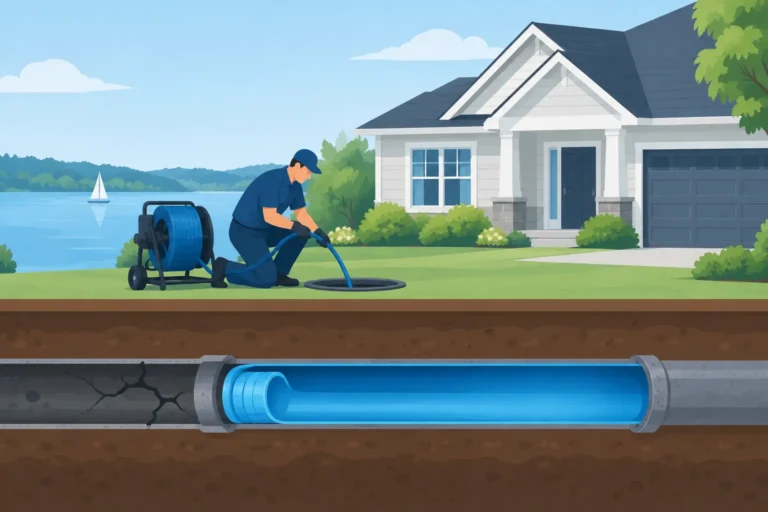
The most reliable next step depends on what is actually inside the pipe. A camera inspection can show whether the line has grease buildup, heavy scale, roots, a break, or another obstruction. That means no guessing and no unnecessary work. You can see the condition being addressed and understand why a recommended cleaning method makes sense.
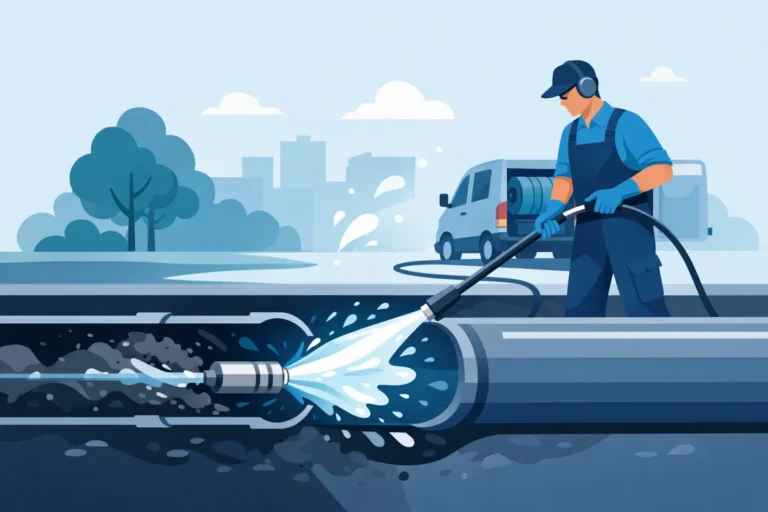
For stubborn buildup or recurring clogs, high-pressure jetting may be a better answer than repeatedly poking a small opening through the blockage. Jetting is designed to clean the interior of the pipe more thoroughly, helping remove the residue that gives new debris something to cling to. It is not the right approach for every damaged or fragile pipe, which is another reason a proper inspection matters first.
USA Drain Cleaning helps homeowners in Eustis, Mount Dora, Tavares, Leesburg, and Lady Lake identify the source of recurring drain problems with clear explanations and straightforward recommendations. The goal is to correct the restriction, not simply quiet the gurgle for a day or two.
How to Prevent the Sound From Coming Back
Prevention is mostly about keeping the materials that form clogs out of the drain. In the kitchen, let grease cool in a container and dispose of it in the trash instead of rinsing it down the sink. Use a sink strainer for food particles, even if you have a garbage disposal.
In bathrooms, clean the stopper regularly and use a hair catcher in showers and tubs. Do not flush wipes, paper towels, cotton products, or hygiene items, even when packaging suggests they are flushable. They can catch on buildup or roots and create a larger blockage farther down the line.
If your home has had repeat main-line trouble, periodic cleaning and camera checks can be less disruptive than waiting for a backup. The right schedule depends on the age and condition of the line, the number of people in the home, landscaping near buried pipes, and whether roots have been found before.
A gurgling sink is your plumbing giving you an early signal. Listen to it, note what other fixtures are doing, and address recurring noise before a small air-pressure problem turns into water where it does not belong.