When High Pressure Drain Jetting Is Worth It
A drain that clogs again a few weeks after being cleared is usually telling you something. The blockage may have been opened just enough for water to pass, while grease, scale, roots, or debris remained on the pipe walls. High pressure drain jetting is designed to clean that remaining buildup out of the line instead of simply punching a small hole through it.
For homeowners in Eustis, Mount Dora, Tavares, Leesburg, and Lady Lake, that can mean the difference between another inconvenient backup and a drain system that is properly cleaned. But jetting is not the answer to every drain problem. The right service starts with identifying what is actually inside the pipe and whether the pipe itself is in good condition.
What High Pressure Drain Jetting Does
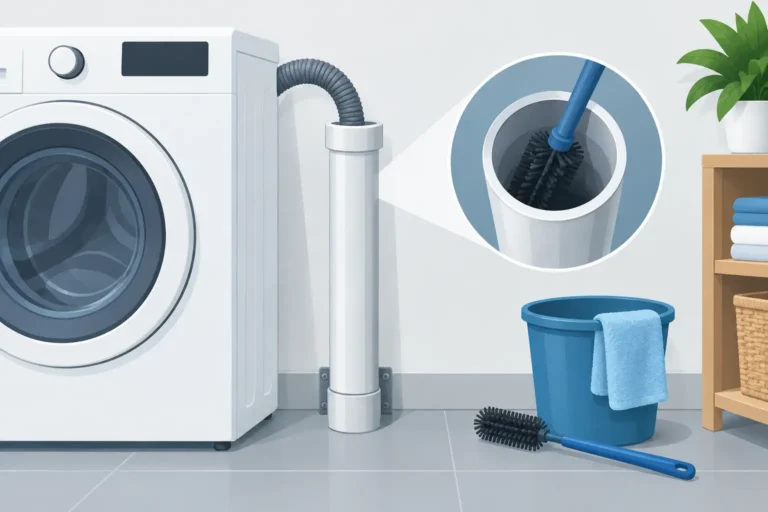
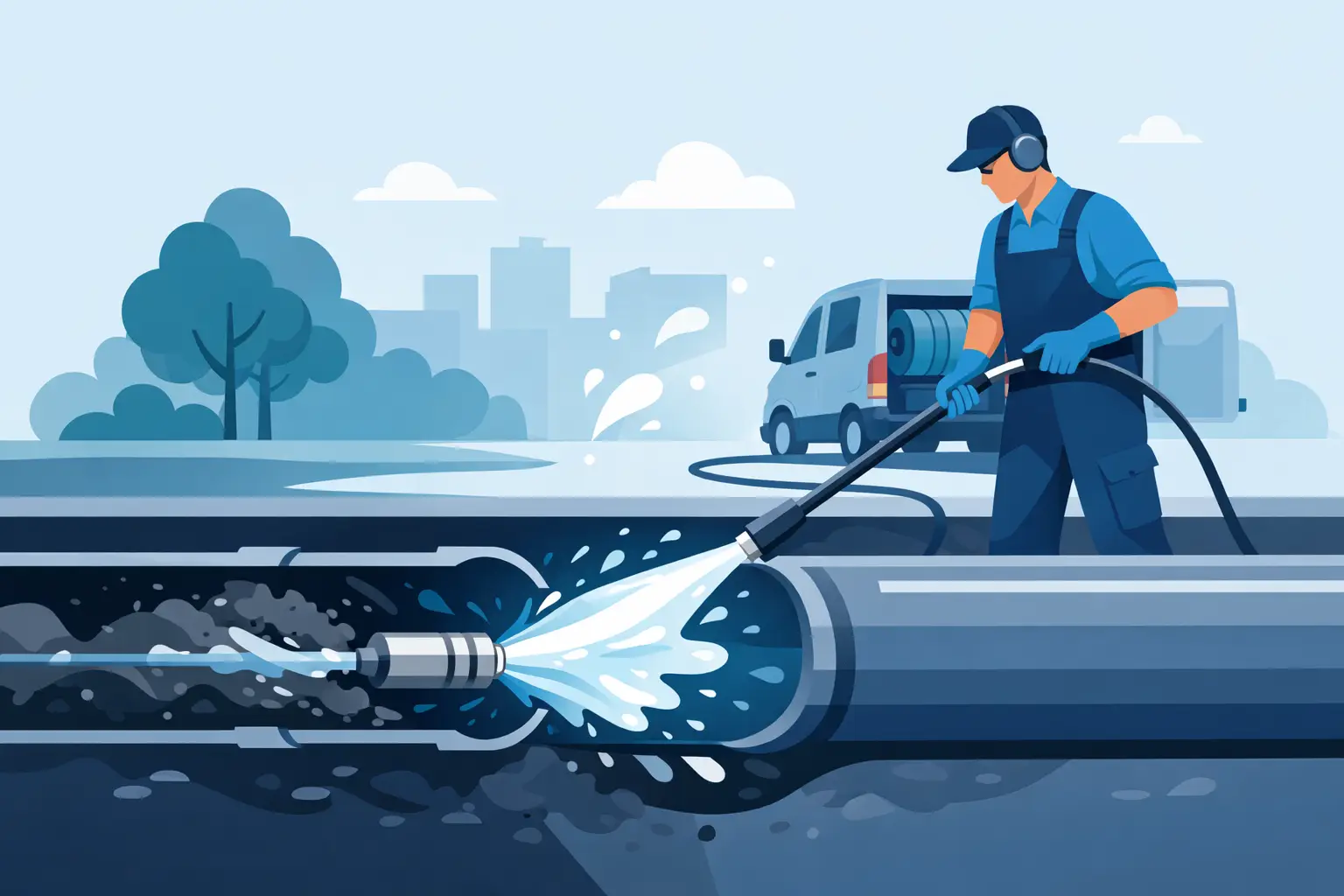
High pressure drain jetting uses a specialized hose and nozzle to send pressurized water through a drain line. As the nozzle moves through the pipe, water jets break apart and flush away heavy buildup. Depending on the nozzle and the condition of the line, it can remove grease, soap residue, sludge, mineral scale, loose roots, and debris that ordinary drain-clearing tools may leave behind.
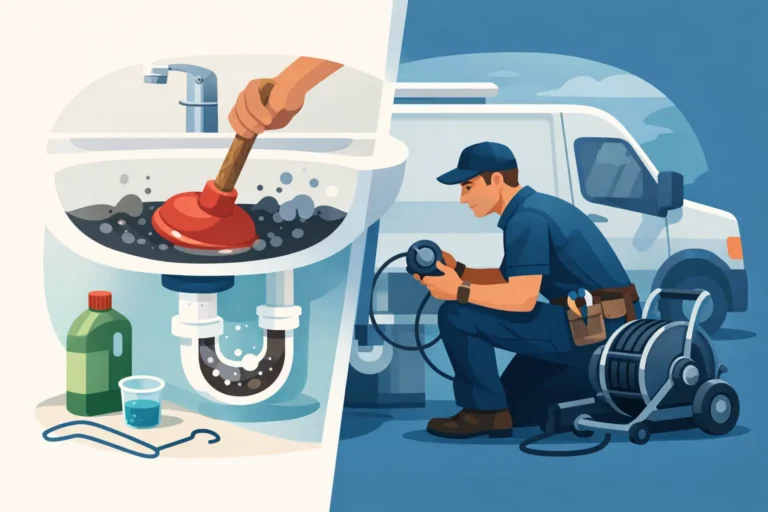
A basic cable machine, often called a drain snake, has an important role. It can cut through a blockage, pull out material, or restore flow quickly when a line is stopped. However, a cable does not always clean the full inside surface of the pipe. If grease and debris are still coating the walls, the opening can narrow again soon after the service call.
Jetting is often a better fit when the goal is to clean a long section of pipe thoroughly. It is especially useful for recurring kitchen drain clogs, main-line buildup, exterior lines carrying yard debris, and drains affected by root intrusion. The water carries loosened material downstream so it can be removed from the system rather than left sitting in the line.
Signs Your Home May Need Drain Jetting
One slow sink does not automatically mean you need high pressure drain jetting. A small, isolated clog near a bathroom sink or shower may be handled with a more targeted cleaning method. The pattern matters more than one symptom alone.
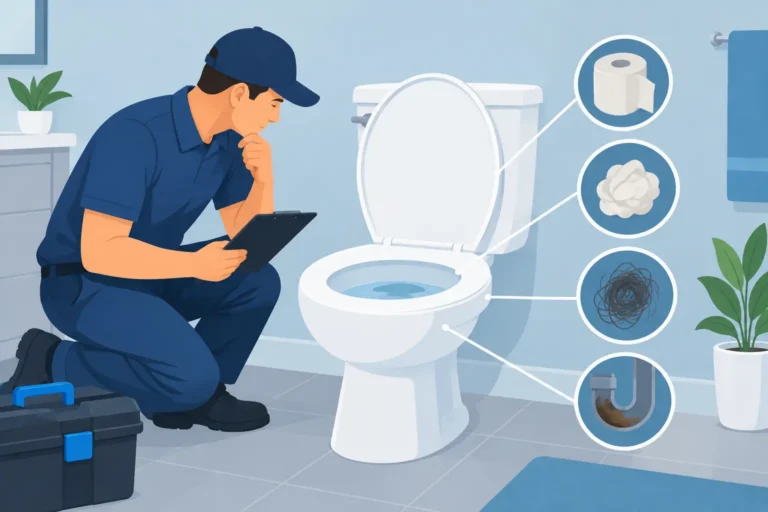
Jetting is worth discussing when clogs keep returning in the same drain, multiple fixtures drain slowly, toilets gurgle when another fixture is used, or water backs up into a tub or shower. These signs can point to a restriction farther down the branch line or main sewer line.
Kitchen drains are common candidates because cooking grease, food residue, and dish soap can build up over time. Even when homeowners avoid pouring grease directly down the sink, small amounts can collect inside the pipe and catch other debris. The result is often a drain that seems fine for a while, then slows down again without warning.
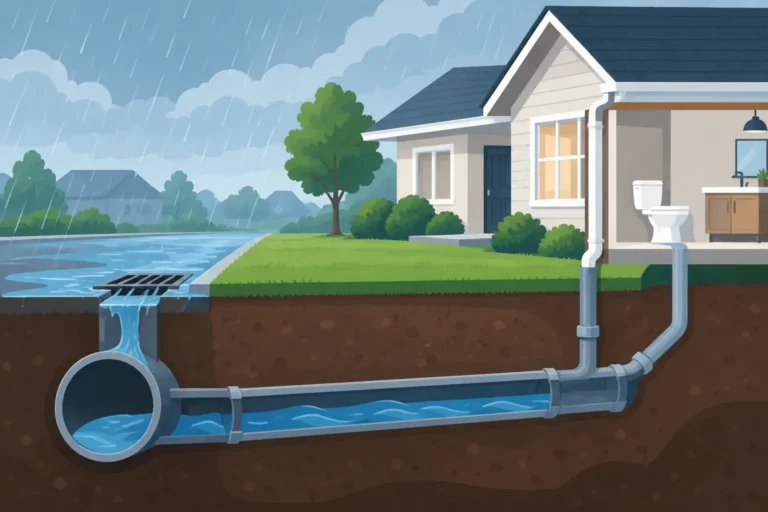
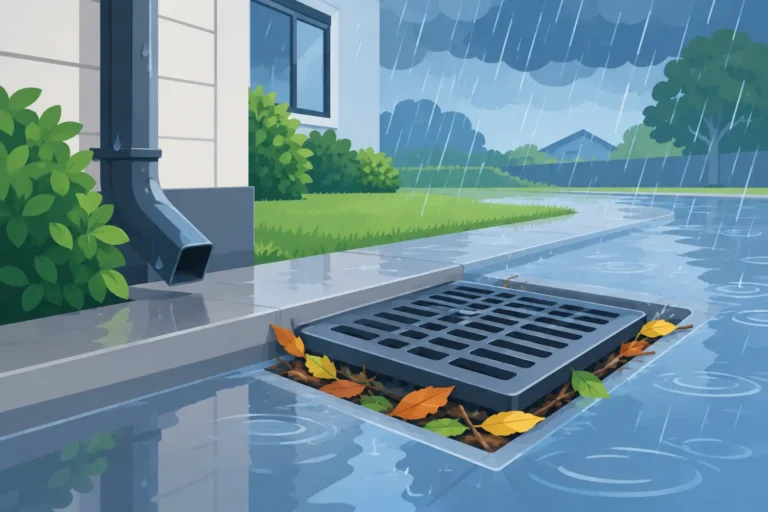
Outside drainage systems can need the same level of attention. In Lake County, heavy rain can quickly expose a blocked storm drain or yard drain. If water pools near a driveway, patio, downspout outlet, or low area of the yard, leaves, soil, mulch, and roots may be restricting the line. Cleaning the line thoroughly can help water move away from the property as intended.
Why a Camera Inspection Should Come First
No guessing. No unnecessary work. Before using high-pressure equipment in a drain line, it makes sense to see what is causing the problem and check the condition of the pipe.
A video camera inspection allows a technician to locate the blockage and look for warning signs such as root intrusion, separated joints, pipe cracks, a sagging section of line, or a collapsed pipe. These conditions matter because cleaning a damaged line is not the same as repairing it. Jetting may remove roots and restore flow temporarily, but roots can return through an opening in the pipe if the underlying entry point is not addressed.
The camera also helps avoid treating the wrong problem. A drain may appear clogged when the real issue is a damaged section holding water and waste. Or a recurring backup may be caused by heavy scale in an older pipe rather than a single object stuck in the line. Seeing the footage helps homeowners understand the recommendation in plain language and decide how to proceed.
For sound pipes with buildup, jetting can be an effective cleaning option. For severely damaged, fragile, or collapsed pipes, a different repair plan may be the more responsible choice. The goal is not to sell the biggest service. It is to identify what will solve the actual problem.
What Happens During a Jetting Service
A professional drain cleaning visit should begin with a conversation about what you have noticed. Let the technician know which fixtures are affected, when the trouble started, whether the issue comes and goes, and whether there has been a recent backup. Those details can narrow down where the issue is likely located.
After evaluating the system, the technician accesses the line through the appropriate cleanout or drain opening. The jetting hose is fed into the pipe, and the nozzle is selected for the type of material being removed. Some nozzles are made to cut through heavy grease and sludge, while others are used to work through roots or clear exterior drainage debris.
The hose sprays backward as it moves forward, which helps propel it through the pipe while washing material back toward the access point. Water flow and pressure are controlled based on the line and the job. Professional equipment and experienced handling matter here. This is not a situation for forcing a rental machine into an unknown pipe.
When the cleaning is complete, a follow-up camera inspection may be used to confirm that buildup has been removed and to check for damage that was hidden by the blockage. You should be shown what was found and told clearly whether the line is clean, whether roots remain a concern, or whether repair should be considered.
Jetting Is Powerful, but It Is Not a Repair
High pressure drain jetting can produce longer-lasting results than a surface-level drain opening, but it cannot repair a broken pipe, restore a line that has collapsed, or permanently stop roots from entering through damaged joints. It cleans what is inside the pipe. It does not change the condition of the pipe material itself.
That distinction is especially useful for older homes and properties with mature trees. Roots naturally seek moisture, and even a small opening at a pipe joint can attract them. Jetting can clear the roots and get the line flowing again, but recurring root intrusion may mean the pipe needs repair or replacement in the future.
The same is true for badly scaled or deteriorated pipes. A camera inspection helps determine whether the pipe can be cleaned safely and whether cleaning provides good value for the homeowner. A straightforward recommendation should include both the immediate solution and any condition that could create a future issue.
Avoid Temporary Fixes That Make the Problem Harder to Diagnose
When a drain is slow, it is tempting to reach for a chemical drain cleaner. These products may not reach the actual blockage, especially in a main line or a long exterior drain. They can also sit in the pipe when the drain is fully blocked, creating a safety concern for anyone who later works on the line.
Repeated chemical use may be hard on some plumbing materials, and it does not remove roots, packed debris, or heavy grease deposits effectively. If you have already used a drain cleaner, tell the technician before service begins. That simple information helps keep the work safer.
A plunger can be useful for a minor fixture clog, but recurring backups deserve a closer look. If water is coming up in a shower when the toilet flushes, or several drains are struggling at once, stop using extra water where possible. Running the dishwasher, washing machine, or another shower can turn a manageable backup into a larger cleanup.
A Cleaner Line Starts With a Clear Answer
The best drain service is not just about getting water moving before the technician leaves. It is about knowing why the line clogged, what was removed, and whether the pipe needs attention beyond cleaning.
USA Drain Cleaning approaches jetting with that practical goal in mind: inspect the line, explain the finding, recommend only the work that fits the condition, and leave the property clean. If recurring clogs, main-line backups, or standing water around an exterior drain are disrupting your home, a camera-based diagnosis can replace uncertainty with a clear next step.