How to Prevent Toilet Paper Clogs at Home
A toilet that rises instead of flushes is a fast way to disrupt a morning routine. The good news is that most homeowners can prevent toilet paper clogs with a few practical habits before a small blockage turns into an overflow, a bathroom cleanup, or a call for emergency drain help.
Toilet paper is designed to break down in water, but that does not mean every amount breaks down at the same speed. A large wad of paper, a low-flow toilet with a weak flush, or a drain line that already has buildup can create the perfect conditions for a clog. The goal is not to use as little paper as possible. It is to use the toilet and maintain the plumbing in a way that gives paper a clear path out of your home.
Use the Right Amount and Flush in Stages
The most common cause of a toilet paper clog is simple: too much paper goes down in one flush. This is especially common in homes with young children, guests, or toilets that do not produce a strong flush.
If a larger amount of toilet paper is needed, flush once before adding more. A second flush uses a little more water, but it is far easier and less expensive than dealing with a toilet that backs up onto the floor. Teach children this habit early, and keep an eye on bathrooms that get heavy use during holidays or when family is visiting.
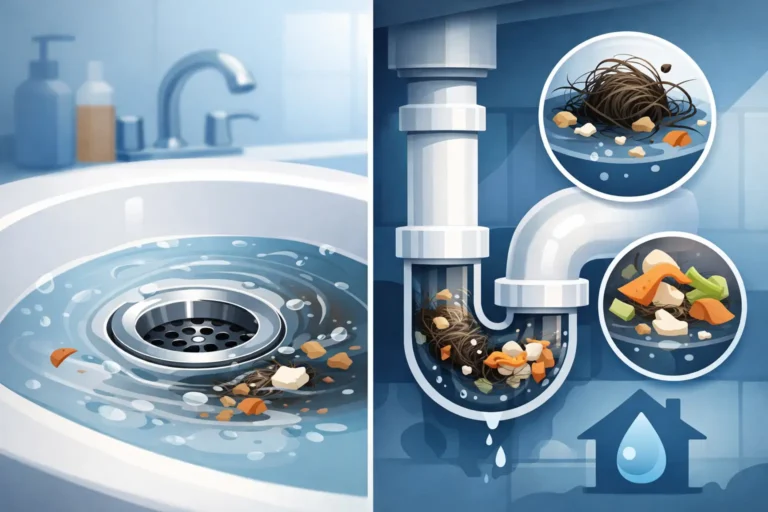
A toilet should clear the bowl quickly and refill normally. If water swirls slowly, rises higher than usual, or leaves paper behind after a flush, do not keep adding paper and flushing repeatedly. Those signs can mean there is already a partial obstruction in the toilet trap or drain line.
Choose Toilet Paper That Breaks Down Easily
Not all toilet paper behaves the same way in plumbing. Very thick, heavily quilted, or ultra-plush paper can feel comfortable, but it may take longer to break apart. In a home with older plumbing, a low-flow toilet, or a history of recurring clogs, switching to a standard septic-safe or fast-dissolving toilet paper can make a noticeable difference.
This does not mean every household needs the thinnest paper on the shelf. It depends on how well your toilet flushes and the condition of the drain line. If your current paper has never caused trouble, there may be no reason to change it. But if the same toilet clogs regularly, trying a paper that dissolves more readily is a sensible first step.
Do not assume a product is safe to flush just because the package says it is flushable. Wipes, paper towels, facial tissues, cotton products, and feminine hygiene products do not break down like toilet paper. Even wipes labeled flushable can collect in bends, snag on buildup, and contribute to a larger blockage farther down the line.
Keep Only Toilet Paper in the Toilet
A bathroom trash can is one of the simplest clog-prevention tools in the house. Place one within easy reach and make the rule clear: toilet paper and human waste are the only things that belong in the toilet.
Paper towels are built to stay strong when wet. Facial tissue can clump instead of dissolving. Dental floss, hair, cotton swabs, and wipes may seem small, but they can catch inside the toilet or combine with grease and debris in the sewer line. Once that happens, every flush adds more material to the problem.
If you have a toddler, consider using a toilet lid lock or keeping a small bathroom trash can covered. Small toys, bath items, and excessive paper are frequent causes of sudden toilet clogs in family homes.
Make Sure the Toilet Has a Strong Flush
Sometimes toilet paper is blamed when the real issue is a toilet that is not delivering enough water or flushing power. Remove the tank lid and look at the water level. It should generally sit near the marked fill line. If the tank does not fill properly, the toilet may not have enough water to push waste and paper through the trap.
Also check that the flapper opens fully when the handle is pressed. A worn flapper, loose chain, or failing fill valve can result in a weak flush that leaves material behind. Mineral buildup around the rim jets can reduce water flow as well, which can be more common in areas with hard water.
These are often manageable toilet repairs, but a stronger flush will not fix a drain line that is narrowing from scale, roots, or a stubborn obstruction. If the toilet flushes weakly despite a full tank and working parts, the problem may be beyond the fixture itself.
Watch for Signs of a Developing Drain Problem
A toilet paper clog that happens once may be a one-time overload. A toilet that clogs repeatedly is telling you something different. Plunging may get things moving for the moment, but it does not explain why the blockage keeps returning.
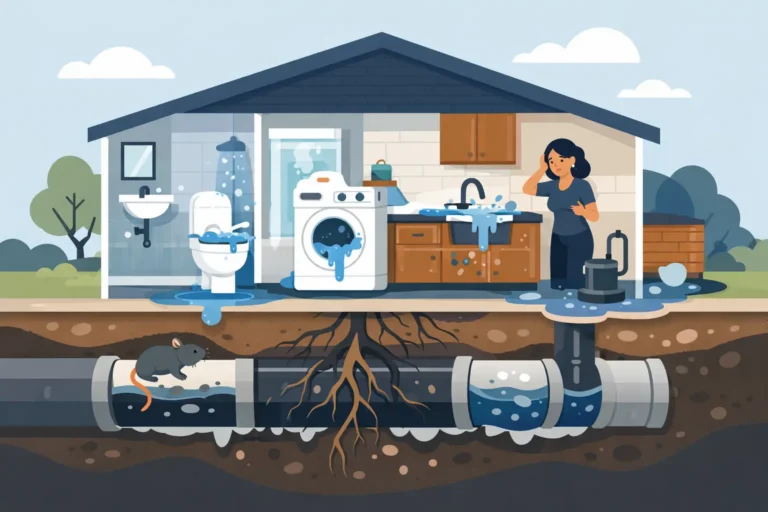
Pay attention if you notice gurgling in the toilet, bubbling in a nearby tub, slow drains in more than one bathroom, sewage odors, or water backing up into a shower when the toilet is flushed. Those symptoms can point to a blockage farther down the branch line or main sewer line. In Lake County homes, root intrusion and pipe buildup are common issues that can reduce the inside diameter of a drain over time.
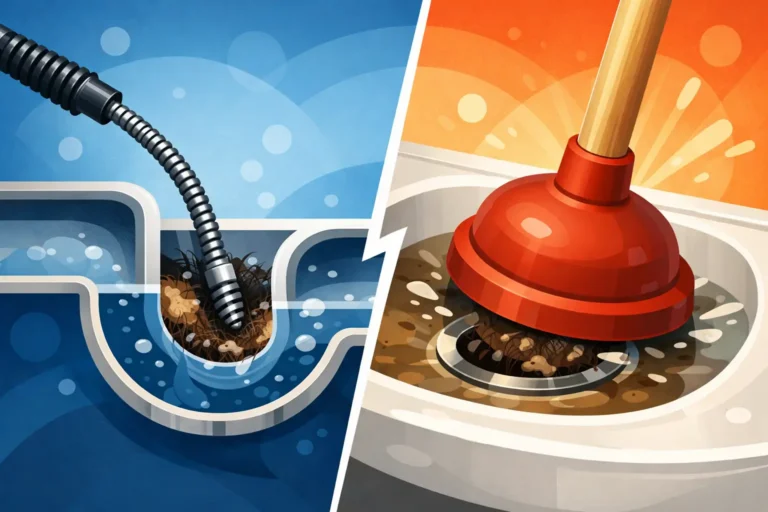
A plunger is appropriate for a simple clog, but use it correctly. Make sure there is enough water in the bowl to cover the plunger cup, create a firm seal, and use steady pushes and pulls. Avoid aggressive chemical drain cleaners. They can be hard on certain pipes, may not reach the real obstruction, and can leave hazardous chemicals in standing water for the next person working on the drain.
Prevent Toilet Paper Clogs With Routine Attention
You do not need to schedule drain cleaning every time a toilet uses more paper than usual. However, preventive attention makes sense when a home has a known history of slow drains, older pipes, or repeated backups. The right approach depends on what is actually happening inside the line.
A professional camera inspection can show whether the issue is paper caught in a toilet trap, buildup inside the pipe, a sagging section of line, or roots entering from outside. That matters because each condition needs a different solution. No guessing. No unnecessary work.
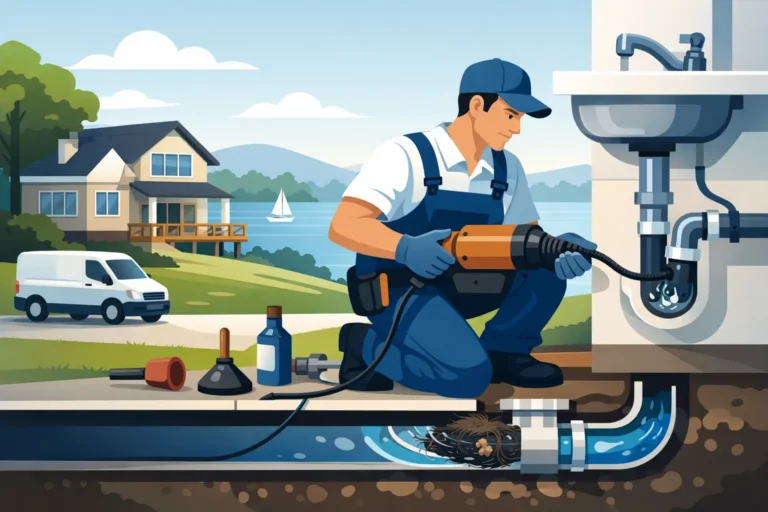
For buildup and recurring blockages, professional-grade cleaning may remove material from the pipe walls rather than simply punching a small opening through it. If roots or a damaged pipe are involved, clearing the line without identifying the cause can lead to another backup later. Seeing the condition of the pipe helps homeowners make a clear decision based on the real problem and their budget.
When to Call for Help
Call a drain professional if the toilet clogs repeatedly, the plunger does not restore a normal flush, or other fixtures react when you flush. You should also get help quickly if wastewater appears in a tub or shower, or if a toilet overflows and you cannot stop the water flow.
For homeowners in Eustis, Mount Dora, Tavares, Leesburg, and Lady Lake, USA Drain Cleaning can inspect the line, explain what the camera shows in plain language, and recommend work based on the source of the issue. A clear diagnosis helps avoid paying for a temporary fix when the real blockage is farther down the pipe.
A small change in flushing habits can protect your toilet every day. When the warning signs keep returning, treat them as a reason to find the cause while the problem is still manageable, not after a backup has made its way across the bathroom floor.