Sewer Line Maintenance That Prevents Backups
A sewer backup rarely starts with a dramatic flood. More often, it begins with a toilet that bubbles when the washer drains, a tub that empties slowly, or a kitchen sink clog that keeps returning. Regular sewer line maintenance gives homeowners a chance to address those early warnings before wastewater comes back into the house.
For homes in Eustis, Mount Dora, Tavares, Leesburg, and Lady Lake, the goal is not to clean a drain just because the calendar says so. It is to watch for changes, avoid habits that feed clogs, and use a clear diagnosis when symptoms point to a problem farther down the line. No guessing. No unnecessary work.
What Your Sewer Line Actually Handles
Your main sewer line carries wastewater from the sinks, showers, toilets, laundry, and other plumbing fixtures out of the home. A blockage in one fixture may be limited to that drain. A problem in the main line usually affects more than one area of the house.
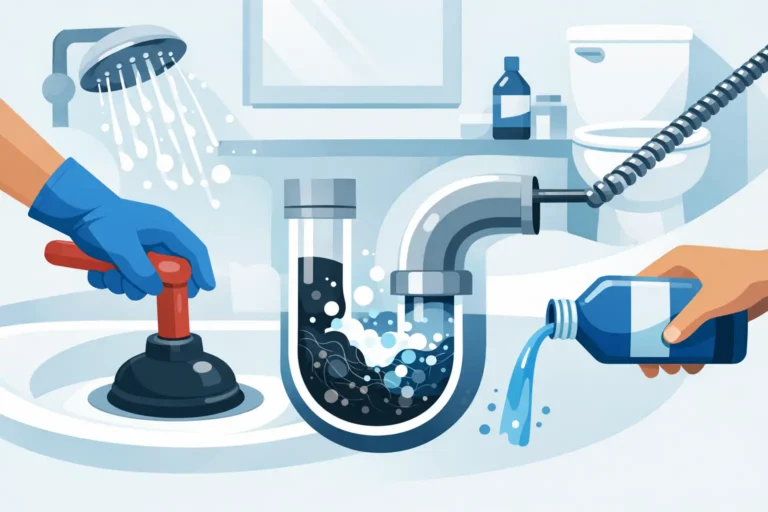
That distinction matters. Pouring a chemical cleaner into a slow bathroom sink may do nothing for a partial blockage in the sewer line. In some cases, harsh chemicals can damage certain pipes, create a safety issue for whoever works on the drain next, and leave the actual cause untouched.
Common causes of main-line trouble include grease buildup, wipes and paper products that do not break down, scale inside aging pipes, shifted or damaged pipe sections, and tree roots entering through small joints or cracks. In Lake County, mature landscaping and older homes can make root intrusion a very real concern. Roots do not need a large opening to get started. Once they find moisture inside a pipe, they can trap debris and steadily narrow the passage.
Signs Sewer Line Maintenance Is Due
A single slow drain does not automatically mean the sewer line is blocked. Hair and soap buildup near a shower drain, for example, are common and usually local to that fixture. But several symptoms happening together deserve prompt attention.
Watch for these warning signs:
- Multiple drains running slowly at the same time, especially on the lowest floor
- Gurgling sounds from toilets or drains when another fixture is used
- Water rising in a shower, tub, or floor drain after flushing a toilet
- Recurring clogs that return soon after plunging or basic drain cleaning
- Sewage odors indoors or around the yard
- Wastewater backing up through a tub, shower, or floor drain
A backup is not the time for trial and error. Stop using water-heavy fixtures if sewage or dirty water is coming up through a drain. Running the dishwasher, washing machine, or additional showers can add more water behind the blockage. A professional inspection can identify whether the issue is buildup, roots, pipe damage, or a blockage farther down the line.
Good Habits That Protect the Main Line
The best maintenance is simple, consistent, and realistic. Most sewer line problems are not caused by one ordinary shower or one load of laundry. They develop as debris builds over time or as a pipe condition worsens below ground.
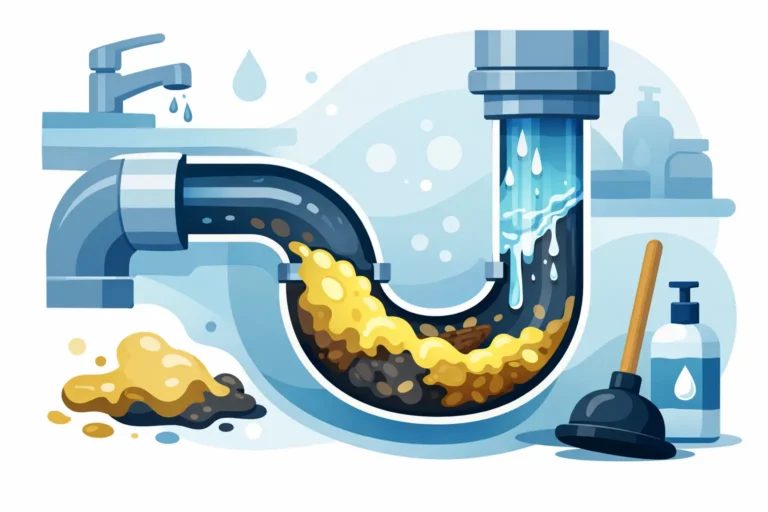
Keep grease, cooking oil, and food scraps out of kitchen drains. Grease may look liquid when it goes down the sink, but it cools and sticks to pipe walls. Over time, it catches food particles and other debris. Wipe grease into a container or paper towel and throw it away instead.
Treat the toilet as a toilet, not a trash can. Only human waste and toilet paper belong there. “Flushable” wipes, paper towels, cotton products, dental floss, feminine hygiene products, and small household items can snag in the line or combine with grease and roots to form a stubborn clog.
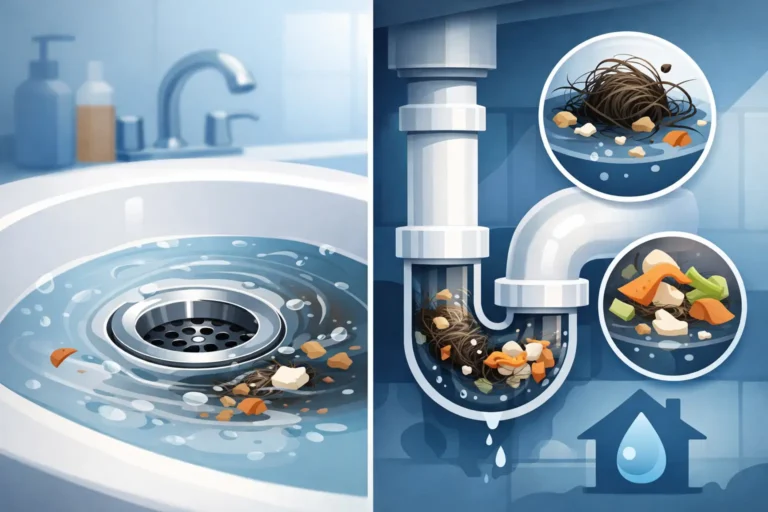
Use drain strainers in showers and bathroom sinks to catch hair before it enters the plumbing. They will not prevent every sewer issue, but they reduce the amount of material that moves through your household drains.
Be thoughtful about landscaping near the route of the sewer line. You do not always need to remove a healthy, established tree, and roots alone do not prove a pipe needs replacement. A camera inspection can show whether roots are present, how extensive they are, and whether the pipe has cracks, separated joints, or other damage that lets roots back in.
Why a Camera Inspection Changes the Conversation
When a main line has recurring trouble, the right answer is not always more cleaning. The line needs to be seen.
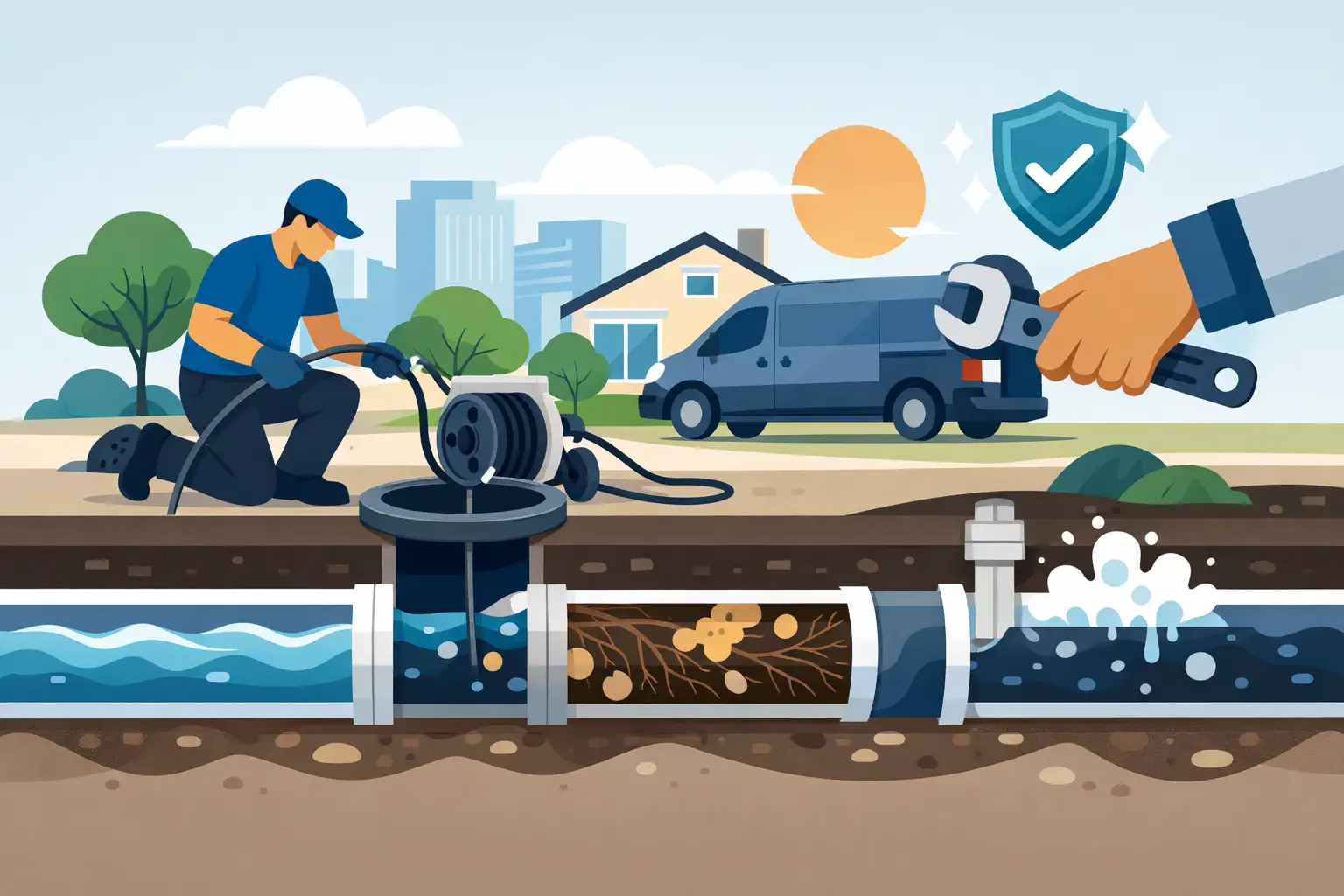
A video camera inspection allows a technician to locate the blockage and evaluate the pipe’s condition from the inside. It can show grease buildup, root intrusion, standing water, broken sections, offsets, or a line that has begun to sag. That information helps determine whether professional cleaning is likely to restore flow or whether a repair should be considered.
This is especially useful when a home has a history of repeat backups. If the same line clogs every few months, the issue may be deeper than ordinary debris. Clearing the opening may bring short-term relief, but it does not explain why the blockage keeps forming.
A clear inspection also protects your budget. You should be able to understand what was found, what work is recommended, and why. A good diagnosis separates a one-time cleaning need from a pipe condition that deserves more planning.
Choosing the Right Cleaning Method
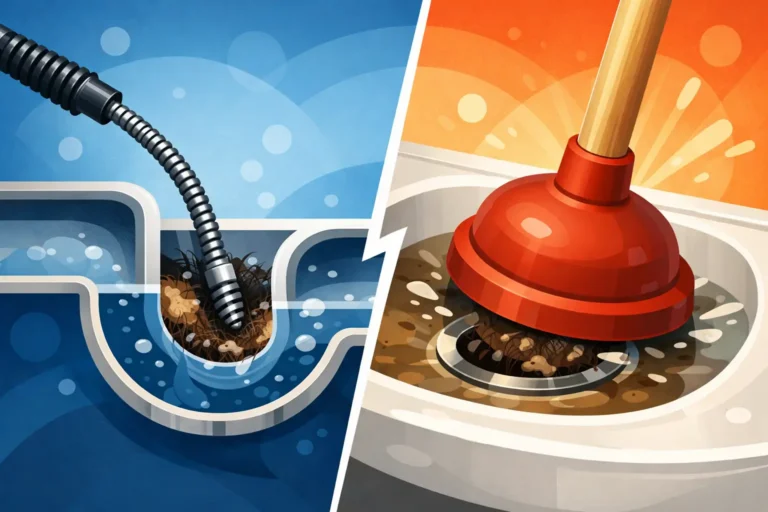
The cleaning method should match what is inside the pipe and the pipe’s overall condition. A cable machine can break through many localized clogs, including some root masses. It can restore flow quickly, but it may not fully remove greasy buildup from the pipe walls.
High-pressure water jetting is often a better option when heavy buildup is the issue. The water stream clears debris and cleans more of the pipe interior, helping remove the material that causes repeat clogs. It is not a one-size-fits-all service, though. A severely damaged or fragile pipe may need to be inspected before high-pressure cleaning is used.
That is why diagnosis comes first. The best solution is the one that addresses the actual condition of the line, not the one that sounds most aggressive.
Set a Maintenance Schedule Based on Your Home
There is no universal schedule for sewer line cleaning. A newer home with no history of slow drains may only need attention when symptoms appear. A home with large trees near the line, older piping, frequent visitors, or a past root issue may benefit from a more proactive inspection and cleaning plan.
As a practical rule, homeowners with recurring clogs or known root intrusion should not wait for another backup to investigate. Scheduling service before a busy holiday weekend, a move-in, or a major home gathering can prevent an inconvenient surprise.
If you have recently purchased an older home and do not know the plumbing history, a camera inspection can provide a useful baseline. It is not about looking for problems that are not there. It is about knowing the condition of a system you rely on every day.
Do Not Confuse Sewer Problems With Storm Drain Problems
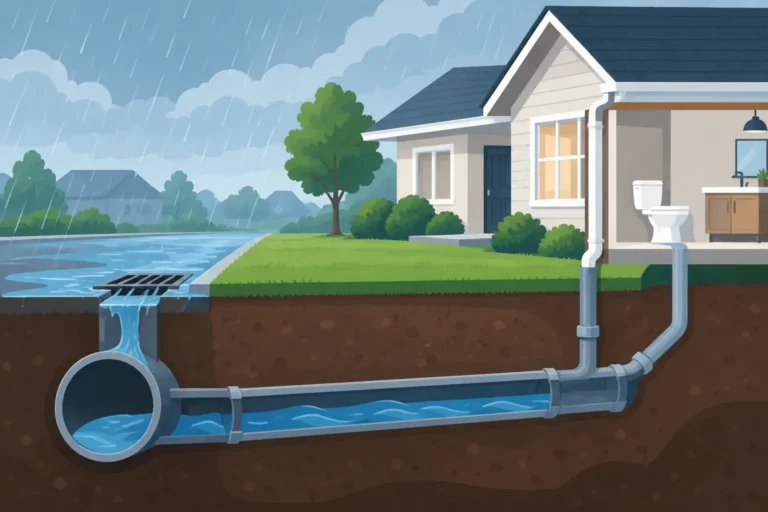
Florida rain can create drainage issues that look alarming but involve a separate system. Water pooling near a driveway, yard drain, or exterior catch basin may point to a blocked storm drain, leaves and sediment, or a grading issue. It is not the same as a sewer line backup, although both can damage property and both deserve timely attention.
Keep exterior drain grates clear of leaves, mulch, pine needles, and yard debris. During periods of heavy rain, check that water is moving toward the intended drain rather than collecting near the foundation, garage, or walkways. If water remains standing after the rain has stopped, professional storm drain cleaning may be needed.
When to Call for Professional Help
Call promptly when wastewater backs up, several fixtures are affected, or a clog returns after basic efforts to clear it. Those are signs that the issue may be in the main line, where homeowners cannot see the cause or safely reach it with household tools.
USA Drain Cleaning approaches these calls with straightforward diagnostics: identify the issue, explain what the camera or cleaning process shows, recommend only the work that fits the condition, and leave the property clean. That matters when you are trying to protect your home without paying for a temporary fix.
A slow drain may give you time to plan. Gurgling, odors, and water coming up through a tub are your cue to act sooner. Paying attention to those small changes can keep a manageable sewer line issue from becoming a messy day inside your home.