Drain Cleaning Cost for Lake County Homes
A slow kitchen sink can feel like a small inconvenience until the bathroom starts gurgling, the tub will not drain, or wastewater backs up where it should not. Drain cleaning cost is a fair question at that point, especially when you need an answer quickly and do not want to pay for work you do not need.
The honest answer is that the cost depends on what is blocking the line, where the blockage is, and what it takes to remove it correctly. A simple fixture clog is not the same job as roots in a main sewer line or a storm drain full of leaves, mud, and yard debris. A trustworthy drain professional should explain that difference before recommending a service.
What Affects Drain Cleaning Cost?
The biggest factor is the location of the clog. A blockage near the opening of a bathroom sink or shower drain may be caused by hair, soap residue, or a small buildup close to the fixture. When the issue is limited to one drain and access is straightforward, the work is usually more direct than clearing a blockage farther down the plumbing system.
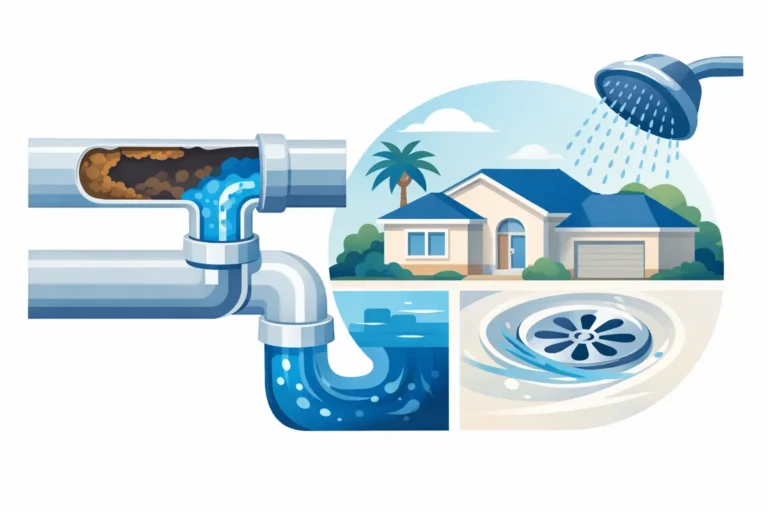
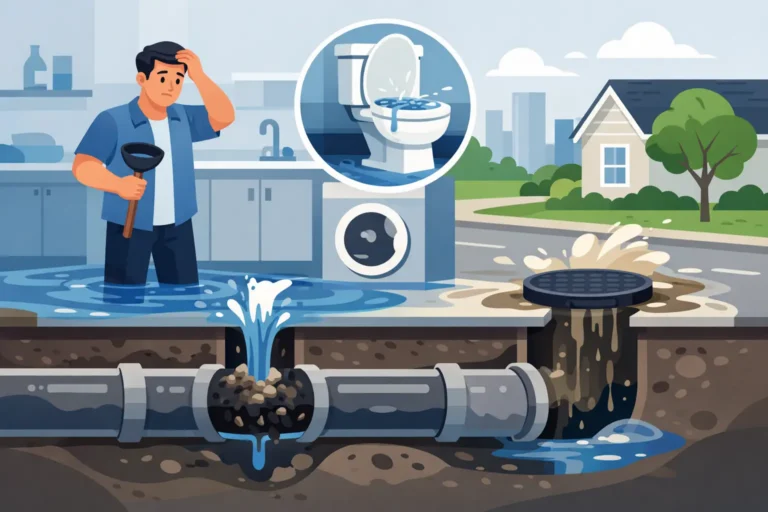
A main-line clog is a different situation. If several drains are slow, toilets bubble when water runs, or water backs up into a tub or shower, the problem may be in the line serving the home rather than one individual fixture. Main-line work often requires heavier equipment, more time, and a closer look at the pipe condition.
Access also matters. A cleanout that is easy to reach allows a technician to work efficiently. A line that is difficult to access, affected by landscaping, or located under a slab may require additional diagnostic work. The goal is not to make the job sound more complicated than it is. It is to identify the actual problem before choosing the right method.
The cause of the clog can change the price as well. Common causes include grease buildup, wipes, paper products, hair, scale inside aging pipes, tree roots, and broken or shifted pipe sections. A cable machine may clear some clogs effectively. Heavy buildup or recurring blockage can call for high-pressure jetting that cleans more thoroughly along the inside of the pipe.
Simple Clog or Larger Drain Problem?
It helps to pay attention to the symptoms before requesting service. One slow sink is often a localized issue. A whole-home drainage problem usually gives more than one warning sign.
If water is backing up in a shower when the washing machine drains, if toilets gurgle, or if more than one fixture is slow, do not treat it as a minor sink clog. Those symptoms can point to a restriction in the main drain line. Repeatedly using store-bought chemical cleaners may not solve the issue and can be hard on certain pipes. They also do not tell you whether roots, a damaged pipe, or heavy scale is causing the blockage.
Recurring clogs deserve special attention. Clearing the same bathroom drain every few months may mean there is a deeper buildup in the line. If a main line has been snaked repeatedly but keeps backing up, the blockage may be returning because the underlying condition was never identified. No guessing. No unnecessary work. The right next step is to find out why the drain keeps failing.
Why Camera Inspections Can Save Money
A camera inspection can add to the scope of a service call, but it can also prevent money from being spent on the wrong solution. It gives the technician and homeowner a view inside the line rather than relying only on symptoms.
For example, a camera may show grease and scale coating the inside of a kitchen line. In that case, high-pressure jetting may offer a longer-lasting result than simply punching a small opening through the buildup. In another home, the camera may reveal root intrusion, a cracked pipe, or a section that has shifted. Clearing roots can restore flow, but a damaged line may eventually need repair. Knowing the condition upfront helps you make a practical decision based on the facts.
Camera inspections are especially useful after a recurring main-line backup. They can show whether the line is clear after cleaning and whether there are conditions likely to cause another problem. A clear explanation of what the camera shows should be part of the process. You should not have to approve extra work without understanding the reason for it.
The Difference Between Snaking and Jetting
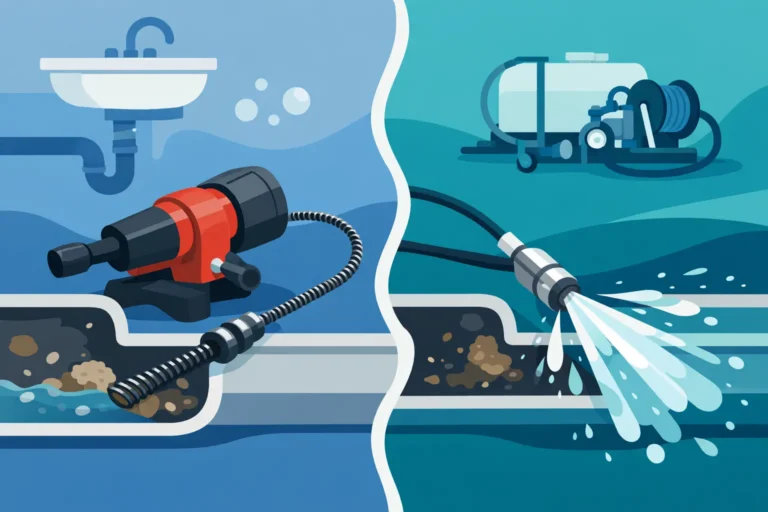
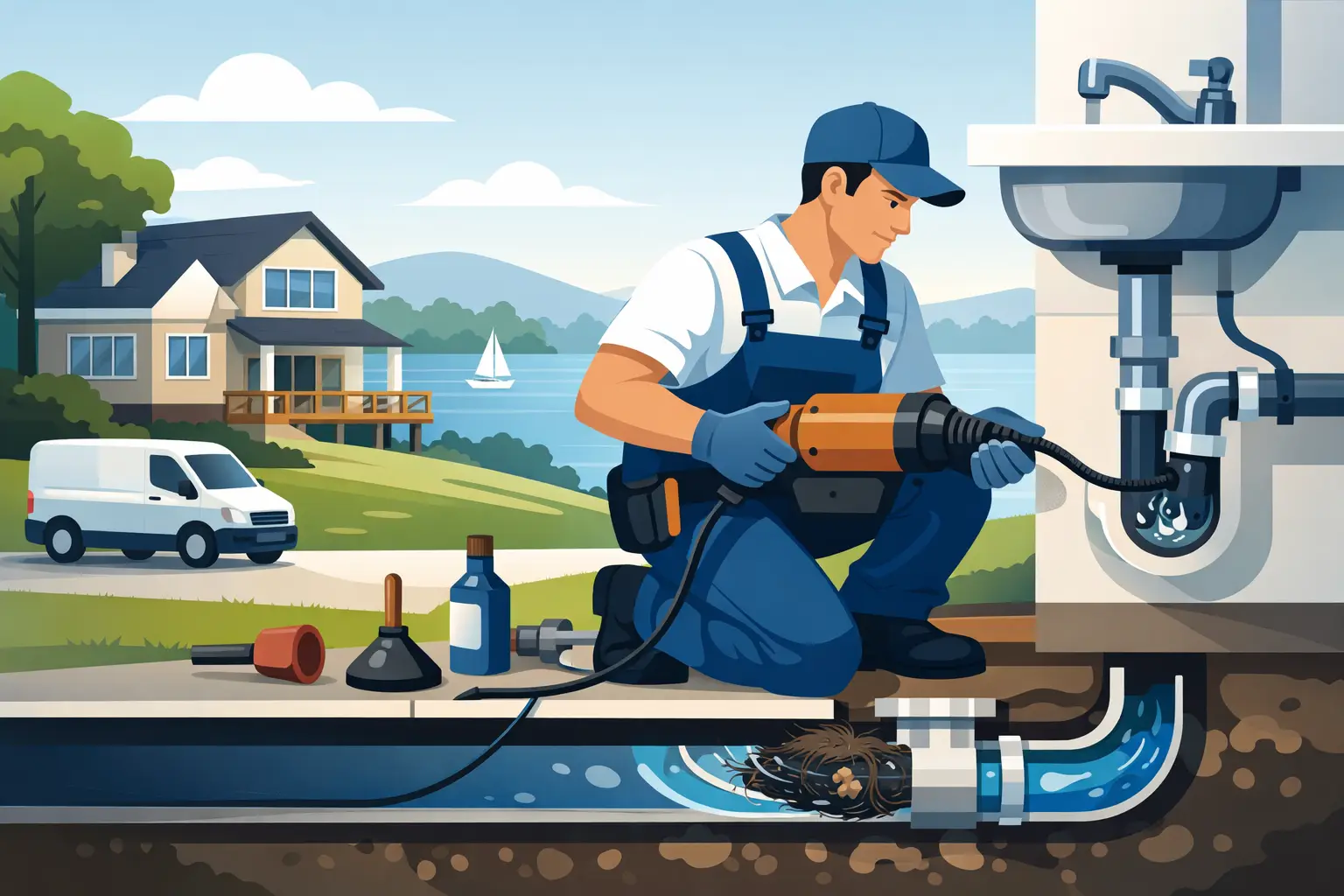
Drain cleaning methods are not interchangeable, and that can affect drain cleaning cost. Mechanical cabling, often called snaking, is commonly used to break apart or retrieve a blockage. It can be a good fit for certain localized clogs and may restore drainage quickly.
Jetting uses high-pressure water to cut through buildup and flush debris from the pipe walls. It is often a stronger option for grease, sludge, scale, and recurring buildup in lines that are otherwise in serviceable condition. Because it uses specialized equipment and may require more setup, jetting can cost more than a basic cable service. The trade-off is that it is designed to clean the line more fully, not just make a small path through the obstruction.
The best choice depends on the pipe material, the type of blockage, and what a proper inspection reveals. A reliable technician will not automatically recommend the most expensive method. They should explain what they found, what service fits the condition, and what result you can reasonably expect.
Storm Drain Cleaning Has Its Own Cost Factors
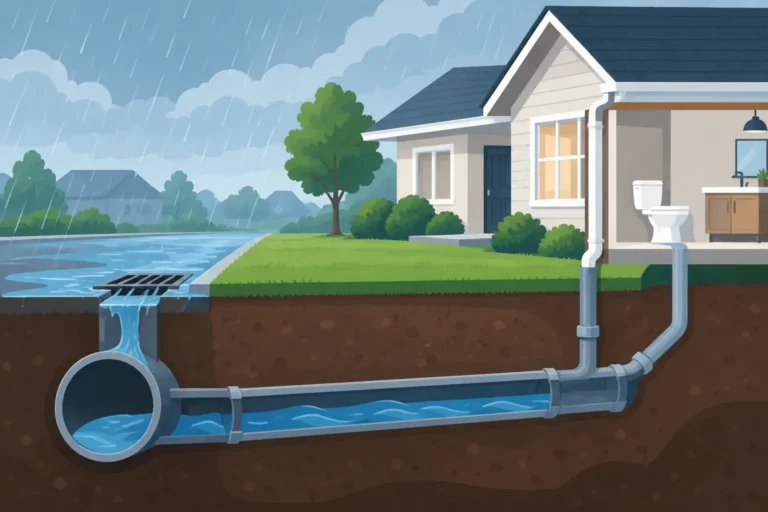
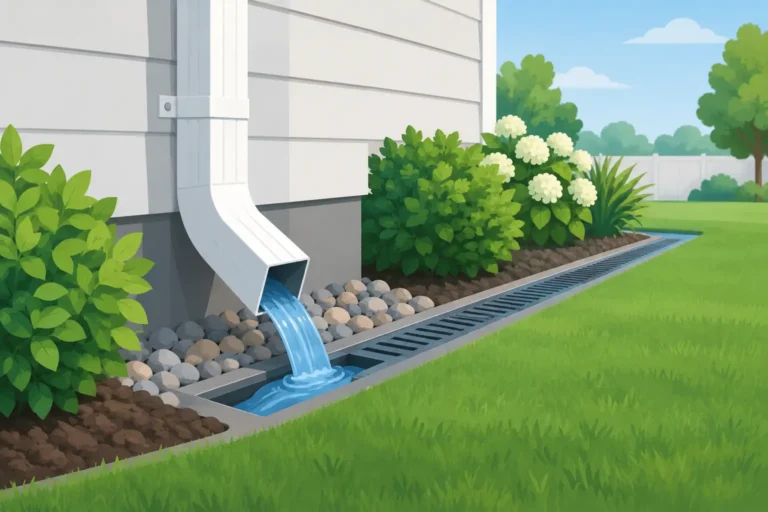
For Lake County homeowners, exterior drainage can become urgent during Florida’s heavy rain. Water pooling near a driveway, patio, or yard drain is more than an eyesore when a storm is moving in. Leaves, pine needles, mulch, silt, and landscape debris can block storm drains and underground exterior lines.
Storm drain cleaning cost depends on where the blockage sits and how much material has accumulated. A visible grate covered with debris may be easy to clear. A buried line that is packed with mud or has a blockage farther from the drain opening may need specialized cleaning and inspection. If water has been standing for a while, a camera can help determine whether the line is blocked, collapsed, or draining in the wrong direction.
Keeping exterior drains clear before the rainy season can be less stressful than dealing with flooding after a downpour. If an area has a history of pooling water, do not wait until the next storm to find out whether the drainage system is working.
How to Get a Clear, Honest Quote
When you call for drain service, share the symptoms you are seeing. Mention whether one fixture is affected or several, how long the problem has been happening, and whether there has been any backup. If you have tried a plunger, a drain cleaner, or another repair, say so. That information helps the technician arrive prepared and assess the situation faster.
A useful quote conversation should cover the service being recommended, why it is needed, and whether a camera inspection is advisable. Ask whether the price covers the initial clearing only or includes a more thorough cleaning method. If a damaged pipe or root intrusion is found, ask what is urgent, what can be monitored, and what options are available.
At USA Drain Cleaning, the focus is on showing homeowners what is happening inside the line and explaining the practical next step in plain language. A drain problem is frustrating enough without vague answers or surprise recommendations.
When Calling Sooner Can Cost Less
Waiting does not always save money. A slow drain can become a full backup, and a blocked storm drain can become standing water near the home after a hard rain. Early service may keep a smaller blockage from turning into a larger cleanup, property damage, or repeated emergency call.
If your drains are slowing down, gurgling, smelling unpleasant, or backing up in more than one room, get the cause checked before the problem takes over your day. You deserve a straightforward explanation, a quote that matches the work, and a drain that is cleaned for a lasting result.