Pipe Scale Removal for Florida Home Drains
A drain can seem clean at the surface and still be narrowing inside the pipe. That is often the problem behind a bathroom sink that drains slowly, a shower that keeps clogging, or a kitchen line that needs attention again only weeks after it was cleared. Pipe scale removal addresses the hard, mineral-like buildup that sticks to pipe walls and gives debris a place to catch.
For Lake County homeowners, the goal is not simply to make water go down for the day. It is to find out what is reducing the pipe’s opening, remove it safely, and confirm the line is in good working condition. No guessing. No unnecessary work.
What Pipe Scale Is and Why It Causes Clogs
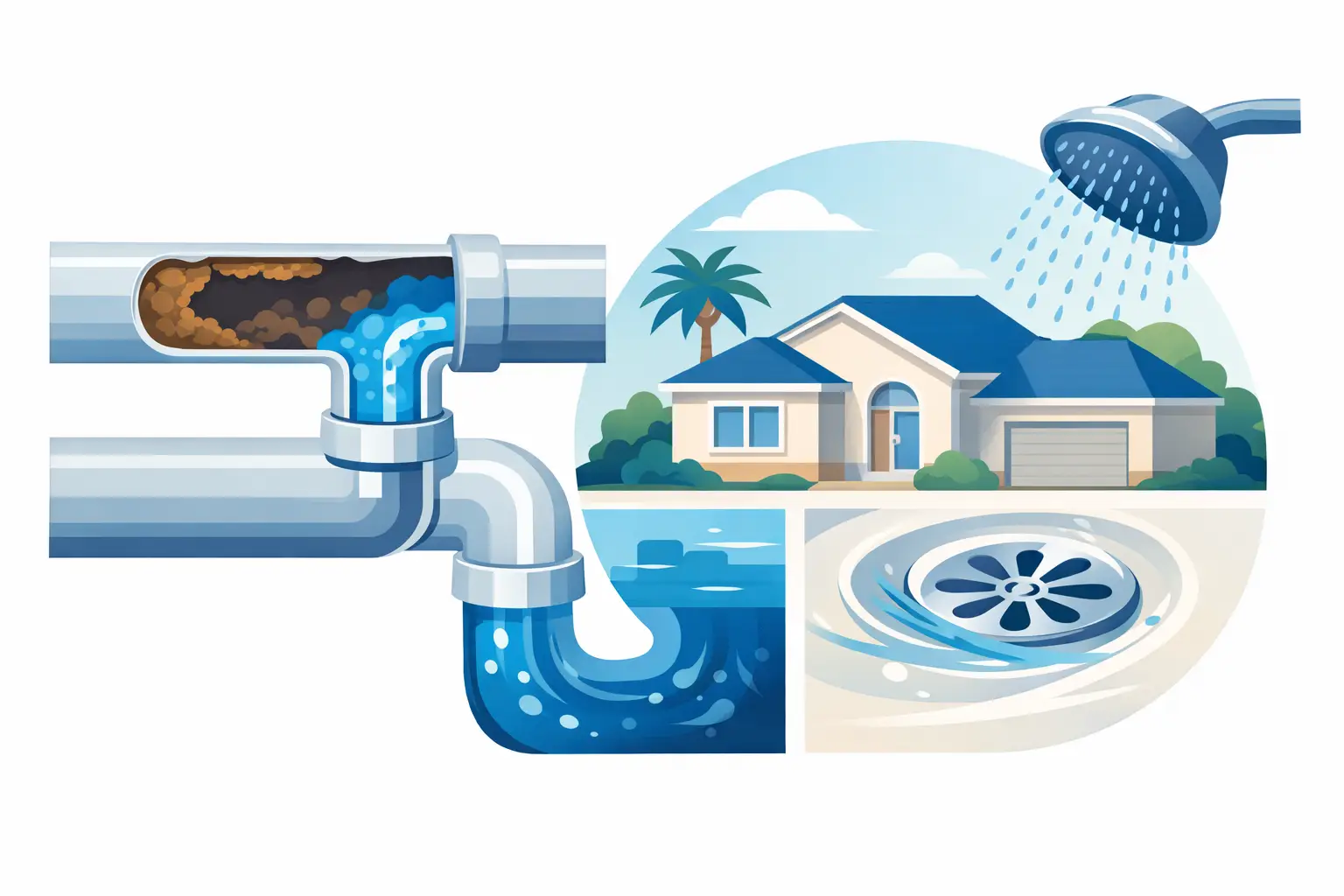
Pipe scale is a crusty buildup that can form inside plumbing pipes over time. Minerals in water can contribute to it, especially where water has a higher mineral content. In older pipes, corrosion can create rough interior surfaces that collect more buildup. Soap residue, hair, grease, food particles, and other household debris then stick to those rough spots instead of moving through the drain.
The result is gradual rather than dramatic at first. Water begins taking longer to drain. You may notice gurgling after a sink empties or an odor coming from a rarely used fixture. Eventually, a smaller amount of ordinary debris can create a full blockage because the pipe no longer has its original open diameter.
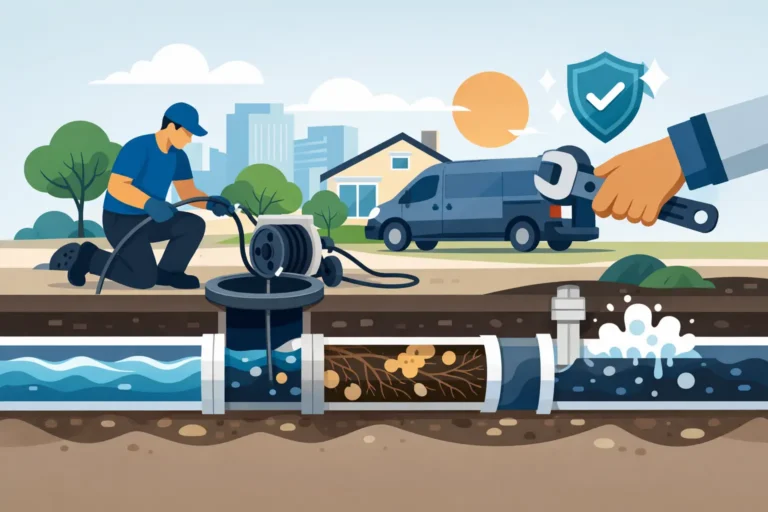
Scale is not always the only issue. A kitchen drain may have grease layered over mineral deposits. A main sewer line may have buildup in one area and roots entering through a damaged joint somewhere else. That is why treating every recurring clog as a simple clog can waste time and money.
Signs Your Home May Need Pipe Scale Removal
A single slow drain can be caused by a local hair or soap clog near the fixture. When the same drain repeatedly slows down, scale or buildup farther down the line becomes more likely. Multiple affected fixtures point to a larger concern, often in a branch line or main drain.
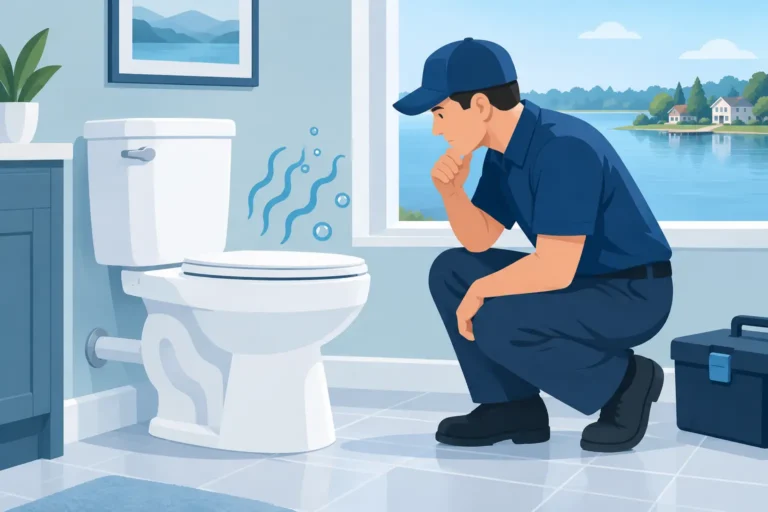
Watch for drains that improve after plunging but quickly slow again, toilets that bubble when another fixture runs, recurring sewer-like odors, or water backing up in a tub or shower when the washing machine drains. Kitchen sinks that clog even with careful use can also signal a narrowed pipe instead of a one-time food blockage.
Older homes deserve particular attention. Cast iron and galvanized pipes can corrode internally as they age. The pipe may look fine from the outside while its interior has become rough, scaled, or partially obstructed. The only responsible way to tell the difference between buildup, a broken section, root intrusion, and a simple clog is to inspect the line.
Why a Camera Inspection Comes First
Pipe scale removal works best when it is based on what is actually inside the drain. A video camera inspection lets a technician view the pipe walls, locate the buildup, and check how far the condition extends. It can also reveal conditions cleaning alone will not solve, such as a collapsed pipe, separated joint, severe corrosion, or invading roots.
This step protects homeowners from paying for the wrong service. If a camera shows heavy scale but the pipe is structurally sound, professional cleaning may restore much of the flow. If it shows a failing pipe, aggressive cleaning may not be the right answer. You deserve a plain-language explanation of what the camera sees and what the practical options are.
Camera findings also create a useful baseline. After cleaning, another look can show whether the buildup has been removed and whether water has a clear path through the line. That confirmation matters more than assuming the job is complete because the drain happens to be flowing at the moment.
How Professional Pipe Scale Removal Works
The right method depends on the pipe material, its age, the amount of buildup, and the source of the obstruction. A professional drain service may use a cable machine with the appropriate cutting head to break through compacted material. For many lines, high-pressure water jetting is an effective way to scour buildup from the pipe walls and carry loosened debris out of the system.
Jetting is not a one-size-fits-all solution. Water pressure must be matched to the condition of the pipe. A deteriorated or damaged line needs careful evaluation before cleaning begins. The objective is to remove the underlying buildup without creating a new problem in a pipe that is already compromised.
A proper service call should include more than running equipment until the water moves. The technician should identify the issue, explain the recommended work, complete the cleaning with the right equipment, and verify the result. At USA Drain Cleaning, that straightforward process helps homeowners understand what was done and why.
What Chemical Drain Cleaners Can and Cannot Do
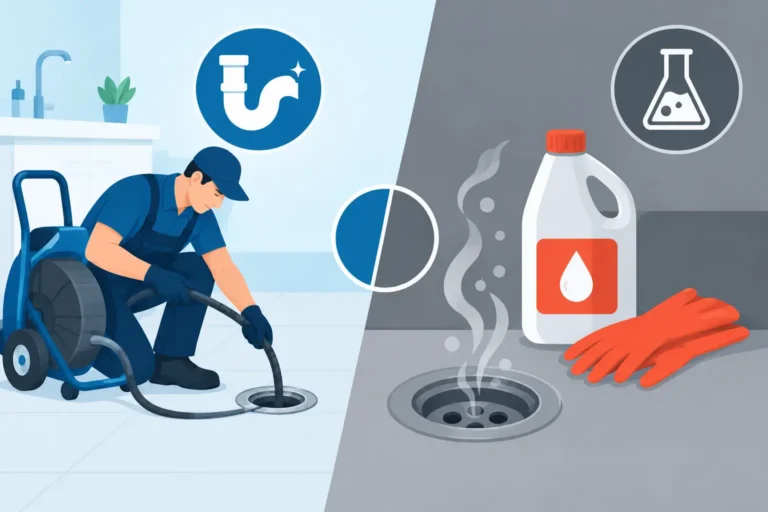
Store-bought drain cleaners may appear to offer an easy fix, but they are rarely a dependable answer for scale. Many are designed to react with organic clogs such as hair or soap residue. They do not remove thick mineral deposits or correct pipe corrosion. If the drain opens temporarily, the rough buildup can remain in place and catch debris again.
Repeated chemical use also comes with trade-offs. Harsh products can create fumes, damage certain pipe materials, and leave caustic liquid sitting in a line that is still blocked. That creates a safety concern for anyone who later works on the drain. Mixing products or adding another chemical after the first one fails can be especially dangerous.
A plunger or hand auger may be reasonable for a minor, isolated fixture clog. Stop and call a professional when the drain keeps returning to the same condition, several fixtures are involved, or wastewater backs up into the home. Those are signs that the issue is likely beyond the trap under a sink.
Keeping Buildup From Returning So Quickly
No drain stays perfectly clean forever, and maintenance needs vary from home to home. A household with long hair, frequent cooking, a garbage disposal, or older pipes will usually need more attention than a lightly used newer system. After pipe scale removal, small habits can make a real difference.
Keep grease, cooking oil, coffee grounds, and fibrous food scraps out of kitchen drains. Use a drain screen in showers and bathroom sinks to catch hair before it enters the pipe. Run enough water when using a disposal, but do not rely on hot water alone to solve grease issues. It can move grease farther down the line, where it cools and sticks.
If your home has a known history of recurring buildup, ask about a maintenance schedule based on the camera inspection results rather than a generic calendar. Some homes benefit from periodic professional cleaning. Others only need monitoring until symptoms return. The condition of your specific pipes should guide the decision.
When Cleaning Is Not the Long-Term Fix
Pipe scale removal can improve flow significantly when the pipe is intact and buildup is the main restriction. It cannot restore pipe material that has rusted away, fix a line that has shifted underground, or permanently stop roots from entering through a broken connection. In those cases, cleaning may still provide short-term relief, but repair or replacement may be the more durable investment.
That does not mean every old pipe needs replacement. It means the recommendation should match the evidence. A camera inspection provides the information needed to compare cleaning, targeted repair, and replacement without pressure or unnecessary upsells.
If your drains are slowing down, gurgling, or backing up more than once, do not wait for the next busy morning or heavy rain to turn it into a larger mess. Getting a clear look inside the line now can help you make a calm, informed decision before a small restriction becomes a full backup.