What to Do When a Main Sewer Backup Starts
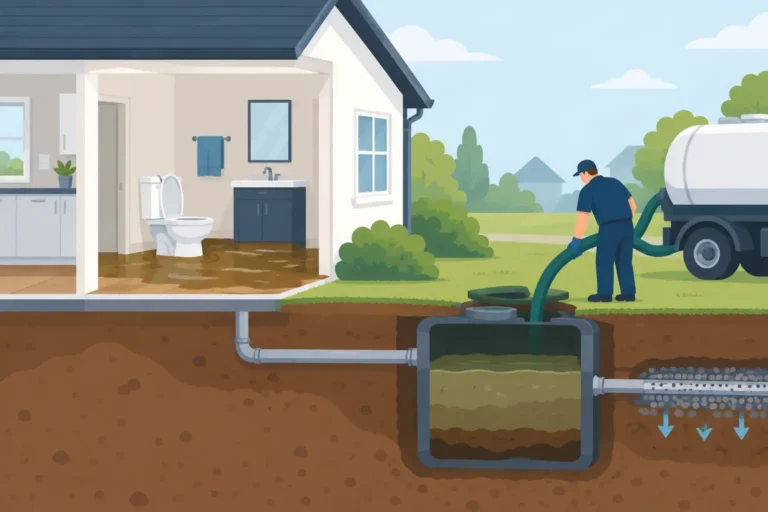
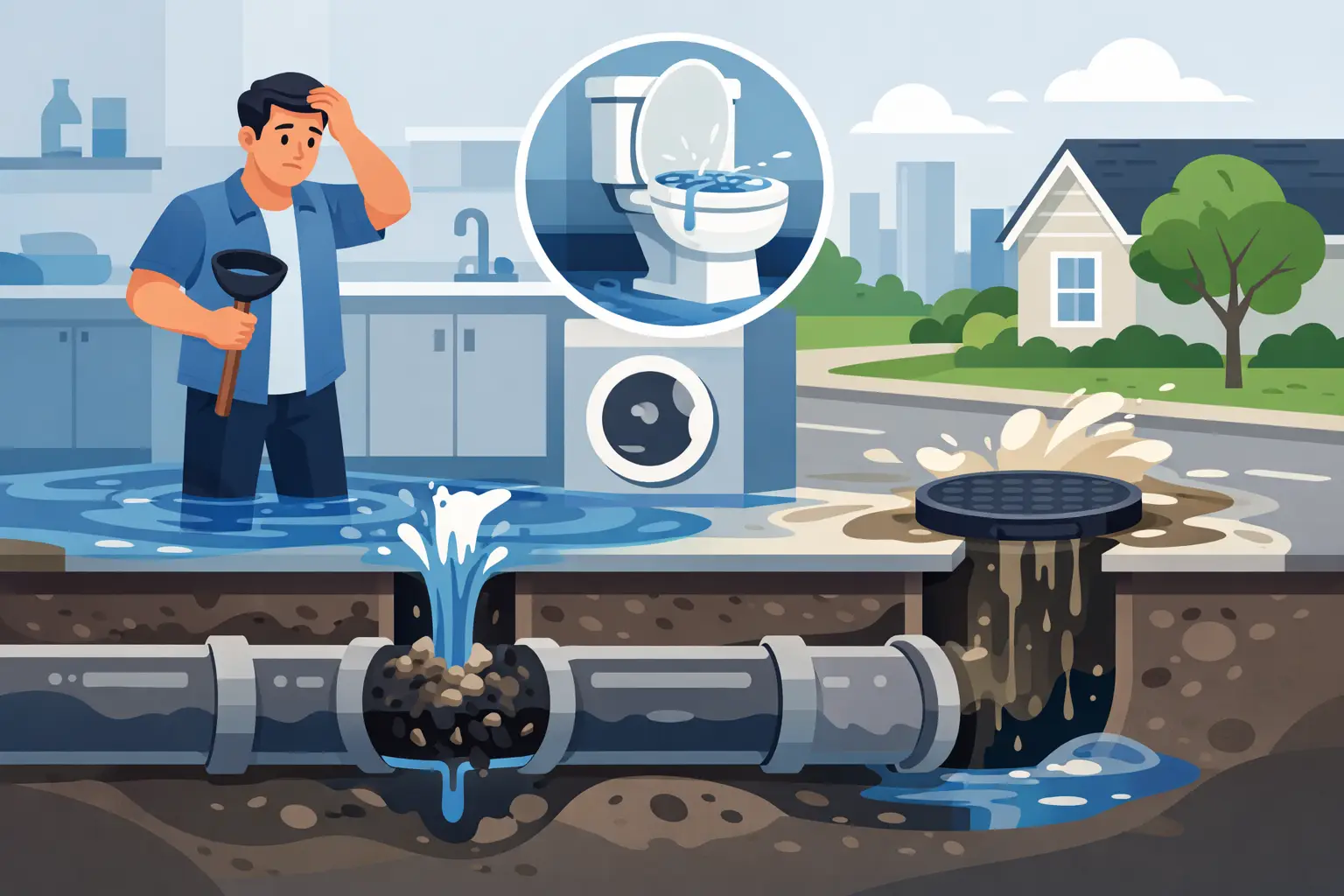
A main sewer backup is not the kind of clog to wait out. When wastewater starts coming up through a shower, tub, floor drain, or toilet, every additional flush or load of laundry can make the mess worse. The goal is simple: stop adding water to the system, protect your home, and identify what is blocking the line.
For homeowners in Eustis, Mount Dora, Tavares, Leesburg, Lady Lake, and nearby Lake County communities, the cause may be years of buildup, invasive roots, a damaged pipe, or a blockage that has formed farther down the sewer line. The visible water is the urgent problem. Finding the reason it backed up is what prevents another emergency a few weeks or months from now.
Signs You May Have a Main Sewer Backup
A single slow sink does not always point to the main line. Hair, soap residue, and food debris can clog an individual fixture drain. A main-line problem usually affects more than one area of the house because all of those drains eventually connect to the same sewer line.
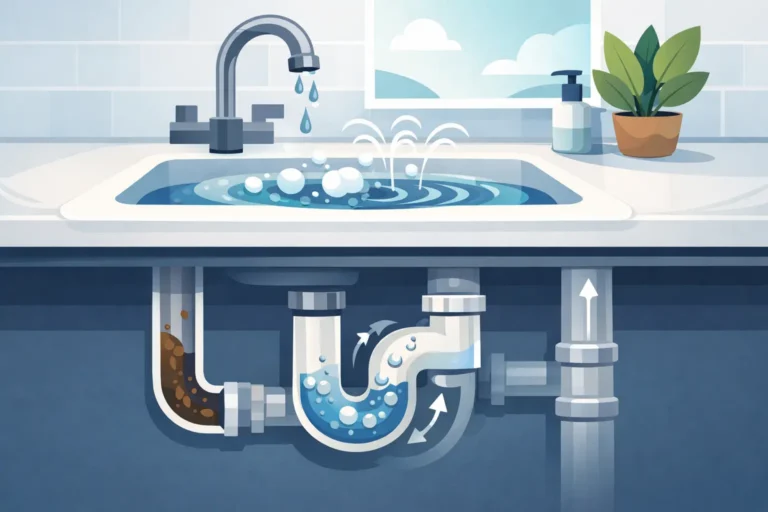
Pay attention when a toilet bubbles while the washing machine drains, or when running the kitchen sink causes water to rise in a nearby tub. You may also hear gurgling from drains, notice sewer odors indoors, or find wastewater coming up at the lowest drain in the home. In many houses, that lowest point is a first-floor shower, bathtub, or floor drain.
Recurring clogs are another warning sign. If a drain is cleared and then quickly slows down again, the blockage may not be near the fixture at all. It could be farther along in the main sewer line, where basic plunging and store-bought chemicals cannot reach or solve the issue.
What to Do Right Away
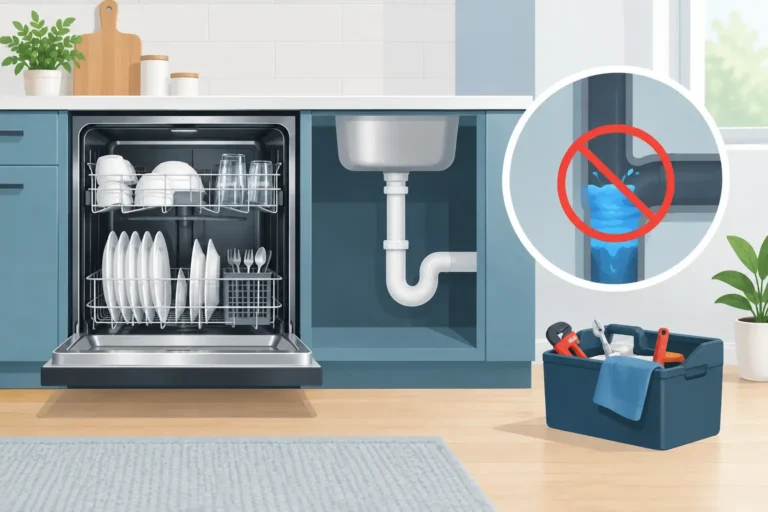
First, stop using water throughout the house. Do not flush toilets, run faucets, start the dishwasher, or use the washing machine. Water entering the plumbing system has nowhere to go if the main line is blocked, so it may return through the lowest available drain.
Keep children and pets away from the affected area. Sewage can contain harmful bacteria and contaminants, even if the water looks relatively clear. If wastewater has reached flooring, personal belongings, or finished areas of the home, avoid walking through it unnecessarily and do not try to clean it without proper protective equipment.
If you have a cleanout outside, resist the urge to open it unless you know exactly how to do so safely. A pressurized, blocked line can release wastewater quickly. The better next step is to call a drain professional who can assess the situation, locate the obstruction, and explain what is needed before work begins.
Do Not Rely on Chemical Drain Cleaners
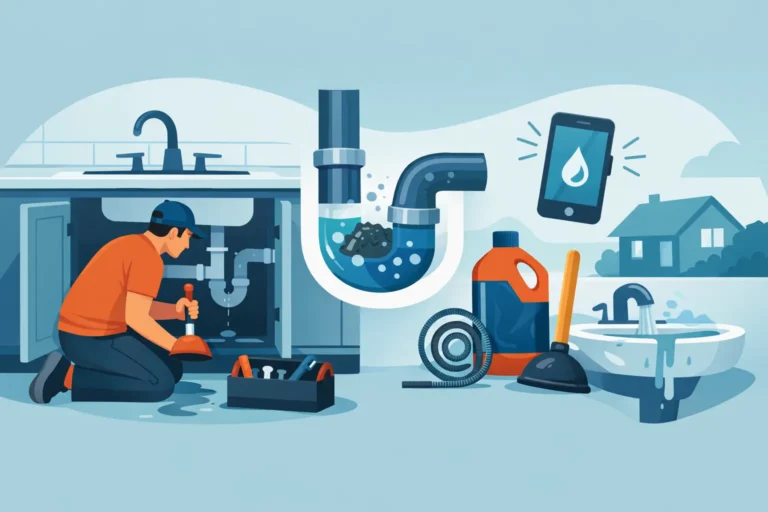
Chemical drain openers are not a reliable response to a sewer backup. They rarely reach a heavy main-line blockage, especially one caused by roots, grease buildup, or a collapsed pipe. They can also sit in the pipe and create a hazard for anyone working on the drain later.
A plunger may help a toilet with a localized clog, but it will not remove an obstruction farther down the main line. If multiple fixtures are involved, treating each drain separately can waste time while the real blockage remains in place.
What Causes a Main Sewer Backup?
The cause matters because the right repair depends on the condition of the line. Clearing a blockage is often necessary, but a clear pipe is not automatically a healthy pipe.
Root intrusion
Tree and shrub roots naturally seek moisture. Even a small opening at a pipe joint or crack can attract roots, which grow inside the line and catch toilet paper, grease, and other debris. Central Florida yards can have mature landscaping and active root systems, making this a common reason for recurring sewer problems.
Roots can sometimes be cut and flushed from the line. But if the pipe has open joints, breaks, or repeated root intrusion, it may need further evaluation. Simply clearing roots without looking at the pipe condition can lead to another backup.
Grease, scale, and everyday buildup
Cooking grease, soap residue, paper products, and mineral scale can narrow a sewer pipe gradually. The drain may seem fine for a long time, then suddenly stop moving water when one more layer of debris catches in the restricted area.
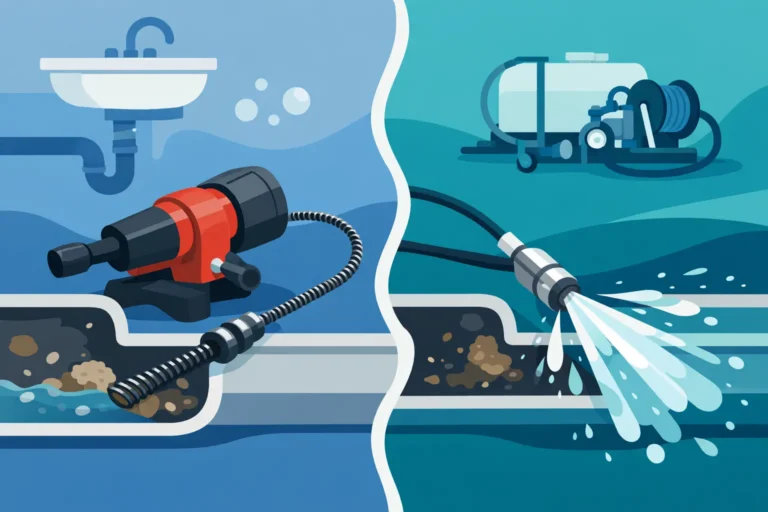
This type of blockage is often a good candidate for professional high-pressure jetting. The purpose is not just to punch a small hole through the clog. Proper cleaning removes buildup from the pipe walls so wastewater can move through the line more freely.
Pipe damage or shifting
Older sewer pipes may crack, sag, separate at joints, or deteriorate over time. Ground movement, age, and previous repairs can all affect how well a line drains. A sagging section, sometimes called a belly, holds water and waste instead of carrying it away. That creates a spot where debris collects repeatedly.
If pipe damage is the issue, clearing the line may restore flow temporarily, but it will not correct the underlying defect. This is where a camera inspection is especially useful.
An outside issue instead of a home sewer issue
Not every wastewater backup originates on the homeowner’s property. In some cases, a blockage or issue may be in the municipal sewer system. Your service professional can inspect the home’s line and explain what they see. If the problem appears to be beyond your private line, you may need to contact the local utility provider.
It depends on where the blockage is located and how your property connects to the public system. Clear documentation of the line condition helps make that next conversation easier.
Why a Camera Inspection Makes a Difference
When water is backing up, it is tempting to focus only on getting it moving again. Restoring flow is necessary, but guessing at the cause creates a risk of repeat problems and unnecessary expense.
A video camera inspection allows a technician to look inside the sewer line after or during the clearing process. Instead of assuming the issue was grease, roots, or a broken pipe, you can see the condition of the line and receive an explanation in plain language.
The inspection can show whether there is remaining buildup, root intrusion, standing water, separated pipe sections, or a damaged area that needs attention. It also helps determine whether high-pressure jetting is appropriate or whether the line requires a different solution. No guessing. No unnecessary work.
For a homeowner, that transparency matters. You should know whether the work addressed a one-time blockage or revealed a condition that could cause future backups. A good drain service will explain the findings, provide a straightforward quote for any recommended work, and let you make an informed decision.
How to Reduce the Risk of Another Backup
Some sewer backups cannot be prevented completely, particularly if a pipe is damaged or roots have found a way inside. Still, good habits and timely maintenance reduce the chance of an unexpected blockage.
Keep grease out of sinks. Let cooking oil and grease cool in a container, then dispose of it in the trash rather than rinsing it down the drain. Use toilet paper only in toilets, and do not flush wipes, paper towels, feminine products, or so-called flushable products. These materials can catch on roots, buildup, or rough pipe surfaces.
If your home has experienced a backup before, do not wait for another emergency to have the line checked. A planned camera inspection gives you information when the situation is calm, not when wastewater is coming up through a bathroom drain. Homes with mature trees, older plumbing, or a history of slow drains may benefit from periodic professional cleaning based on the line’s actual condition.
Outdoor drainage deserves attention too, especially during Lake County’s heavy rain. A blocked storm drain can cause standing water near driveways, yards, and foundations, but it is a separate system from your home’s sanitary sewer in most properties. Both problems need prompt attention, but they require the right diagnosis and cleaning method.
Get the Right Answer Before the Problem Grows
A main sewer backup can feel overwhelming, but the response does not have to be complicated: stop using water, keep the area clear, and have the line inspected by a qualified drain professional. USA Drain Cleaning uses professional cleaning equipment and camera inspections to identify what is in the line, explain the findings clearly, and address the source of the problem without unnecessary upsells.
The most helpful move is often the earliest one. When several drains are slow, gurgling, or backing up together, treat it as a warning before it becomes a cleanup job.