Drain Cleaning Eustis Homeowners Can Count On
A kitchen sink that drains eventually can still be a problem. The same goes for a shower that leaves water around your feet or a toilet that gurgles after it flushes. Drain cleaning Eustis homeowners can count on starts by taking those early warning signs seriously, before a slow fixture turns into a messy backup.
A plunger or store-bought drain product may provide short-term relief, especially when a small clog is close to the drain opening. But recurring trouble usually means something farther down the line needs attention. No guessing. No unnecessary work. The goal is to find what is restricting the pipe, remove it thoroughly, and explain what was found.
When a Slow Drain Needs More Than a Quick Fix
Most drains do not stop working all at once. They gradually collect material that narrows the pipe and slows water flow. In kitchen drains, grease, food residue, and soap can build up along the walls. Bathroom drains often collect hair, soap scum, toothpaste, and personal-care products. Over time, the opening through the pipe becomes smaller, and the same habits that once caused no trouble start creating clogs.
A single slow sink may be a local blockage near that fixture. When several drains are slow, or when flushing a toilet causes water to rise in a shower or tub, the problem may be in the main sewer line. That difference matters. Clearing only the visible symptom can leave a deeper obstruction in place.
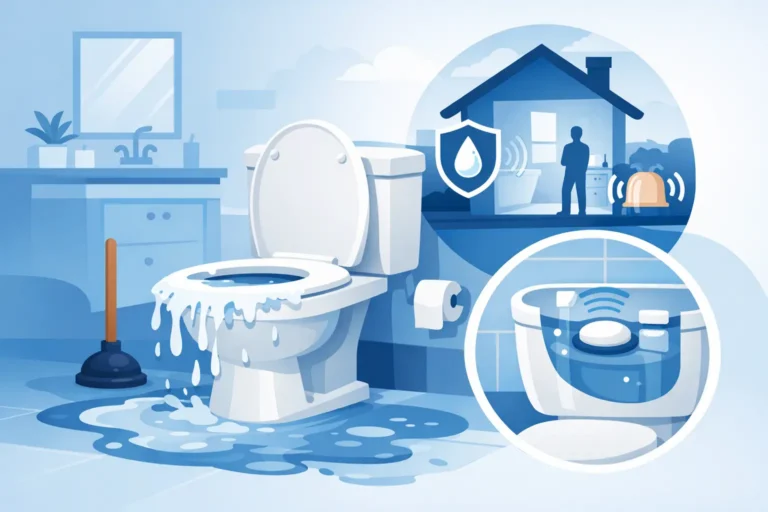
Watch for drain issues that keep returning after you clear them, gurgling sounds from pipes, foul odors near drains, water backing up into a tub or shower, and toilets that seem to flush weakly or inconsistently. These are not always emergencies, but they are good reasons to schedule a professional evaluation before wastewater reaches the floor.
Why Recurring Clogs Keep Coming Back
A recurring clog is frustrating because it often feels like the same repair is being done twice. Usually, it is not the same exact clog. It is a restriction that was never fully removed, allowing new debris to catch in the same place.
Grease buildup is a common example. Hot grease may look liquid when it goes down the sink, but it cools as it moves through the pipes. It can cling to the pipe interior and trap food particles. Chemical drain cleaners rarely remove that buildup from the full length of the line. They may also be hard on certain pipes and connections when used repeatedly.
Older pipes can create a different challenge. Rough interior surfaces, shifted joints, cracks, and scale buildup make it easier for waste to catch. In Lake County, tree roots can also work their way into damaged or separated underground sewer lines. Roots are drawn to moisture. Once they enter a pipe, they can keep growing and collect paper and debris until the line repeatedly backs up.
The right solution depends on the cause. A bathroom hair clog and a root intrusion are not handled the same way. This is why a professional should diagnose the condition rather than simply push a cable through the line and hope the issue is gone.
Camera Inspections Replace Guesswork
A video camera inspection allows a technician to see inside the drain line and identify the source of the restriction. It can show whether the issue is grease, packed debris, roots, a broken section of pipe, standing water in the line, or another condition that requires a different approach.
For homeowners, the value is clarity. Instead of hearing that there is “probably” a clog somewhere underground, you can see what is happening and receive a plain-language explanation of the options. Camera work can also confirm whether a line is clear after cleaning, which is especially useful when a main drain has backed up more than once.
At USA Drain Cleaning, that diagnostic step supports a straightforward service call: identify the issue, explain the findings, complete the appropriate work, and leave the area clean. You should know what is being recommended and why before moving forward.
Professional Drain Cleaning in Eustis Gets to the Source
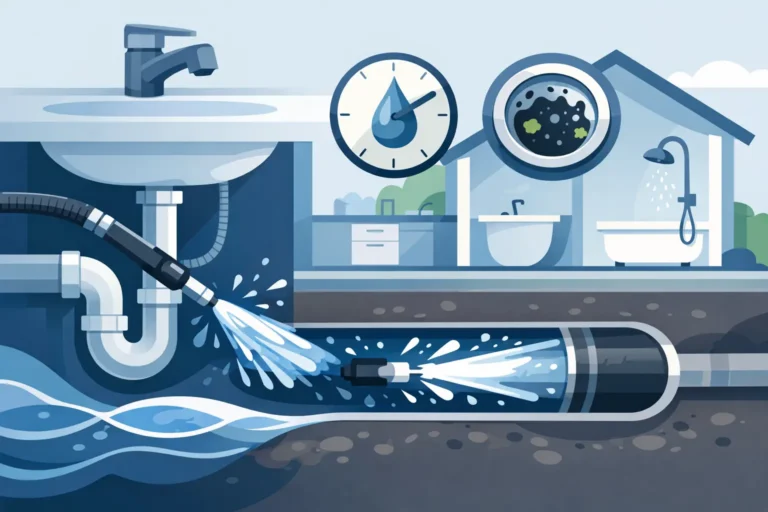
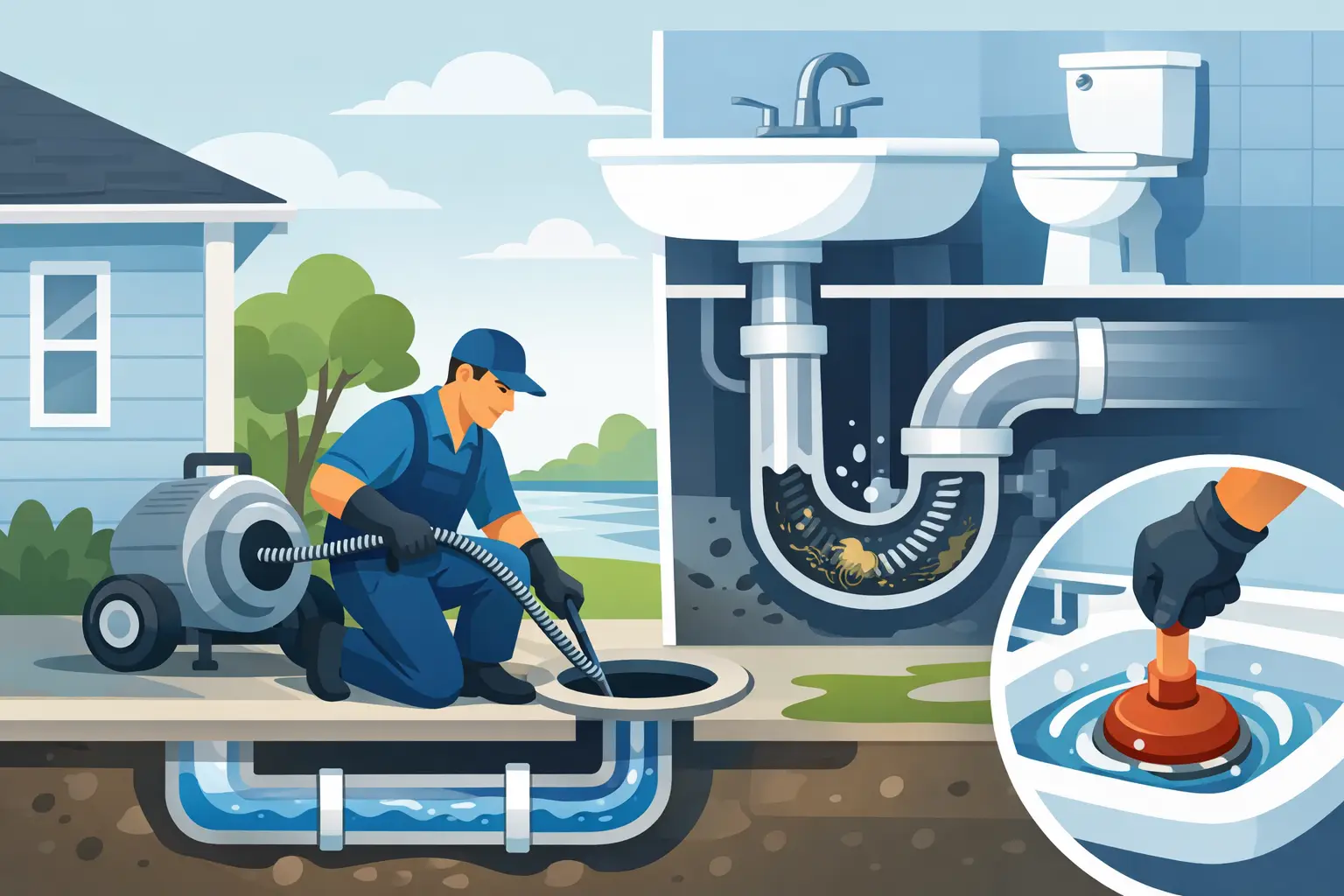
Professional equipment is designed to clean more than the small opening at the top of a drain. Depending on the problem, a technician may use drain cabling to break through a concentrated blockage or high-pressure water jetting to scour buildup from the interior of the pipe.
Jetting is often useful for grease, sludge, soap residue, and other material that has coated the line. Rather than only creating a narrow path through the debris, properly used high-pressure water can remove more of what is attached to the pipe walls. That can provide a longer-lasting result when buildup is the underlying issue.
There are trade-offs. Jetting is not automatically the best choice for every line. A camera inspection can help determine the pipe’s condition first, particularly in older homes or when there is reason to suspect damage. If a pipe is cracked, severely deteriorated, or displaced, cleaning alone may not solve the problem for long. An honest diagnosis helps avoid spending money on a temporary answer when repair is the more sensible next step.
Do Not Forget Exterior and Storm Drains
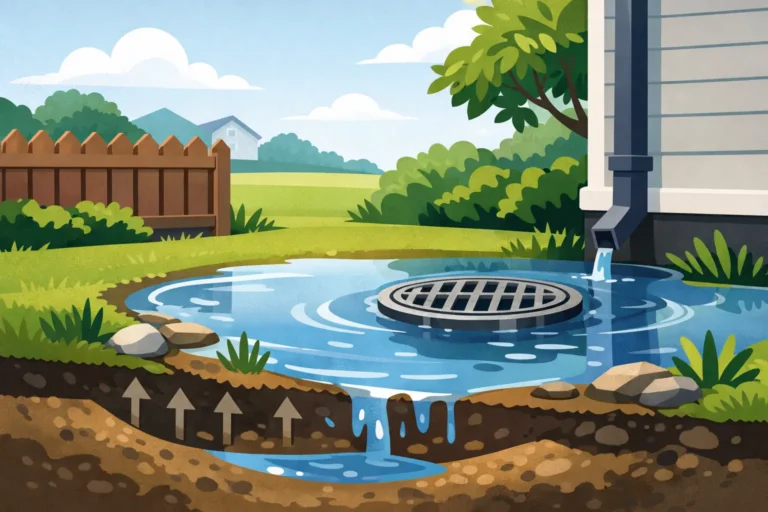
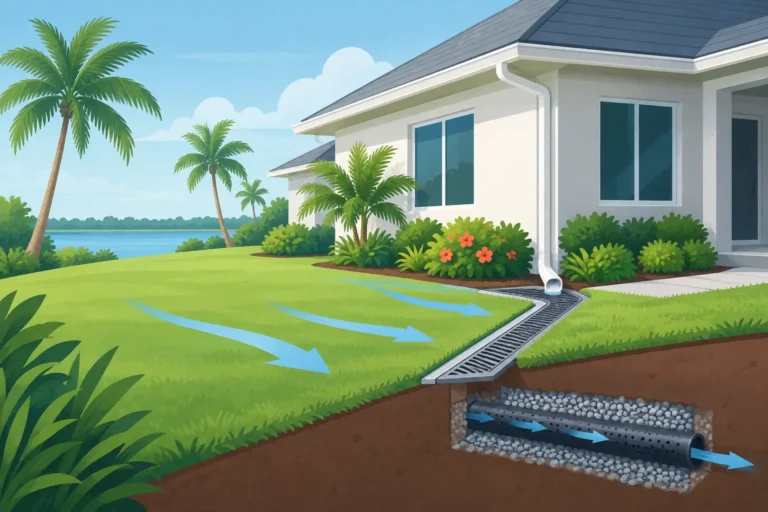
Interior plumbing is not the only drainage system around a home. Eustis homeowners also deal with heavy rain, leaf litter, mulch, soil, and yard debris that can block exterior drains. When storm drains cannot move water away as designed, it may pool near driveways, patios, walkways, garages, or low spots in the yard.
Standing water is more than an inconvenience. It can make surfaces slippery, affect landscaping, attract pests, and send water toward areas where you do not want it. If drainage problems appear only during storms, the issue may be an obstructed exterior drain rather than an indoor plumbing line.
Homeowners can help by keeping visible grates free of leaves and by avoiding the habit of sweeping grass clippings or soil toward drains. But if the system still holds water after the surface is clear, the blockage may be deeper in the line. Professional storm drain cleaning can remove compacted debris and help restore proper water flow.
What to Do Before the Drain Problem Gets Worse
When a drain is slow but not overflowing, stop adding materials that make the clog worse. Avoid pouring grease down kitchen sinks, and do not rely on repeated chemical cleaner applications. If more than one fixture is affected, limit water use until the source is checked. Running the dishwasher, washing machine, or multiple showers can force a main-line backup to show up in the lowest drain in the home.
For a simple sink or tub clog, a plunger may be reasonable if used carefully and the fixture is not already backing up elsewhere. A drain screen can also catch hair and food particles before they enter the line. These small habits help, but they do not correct root intrusion, pipe damage, or years of buildup farther down the system.
Call for help promptly if wastewater is coming up through a drain, a toilet will not flush normally, water is pooling around an exterior drain, or the same clog has returned after previous attempts to clear it. Fast attention can reduce cleanup, protect flooring, and prevent a small drainage issue from disrupting the whole household.
A good drain service should leave you with more than water that happens to be moving again. You should understand what caused the issue, what was done to address it, and whether there is anything to watch for next. When your drains start sending warning signs, acting early gives you more options and a better chance of keeping a manageable problem from becoming an emergency.