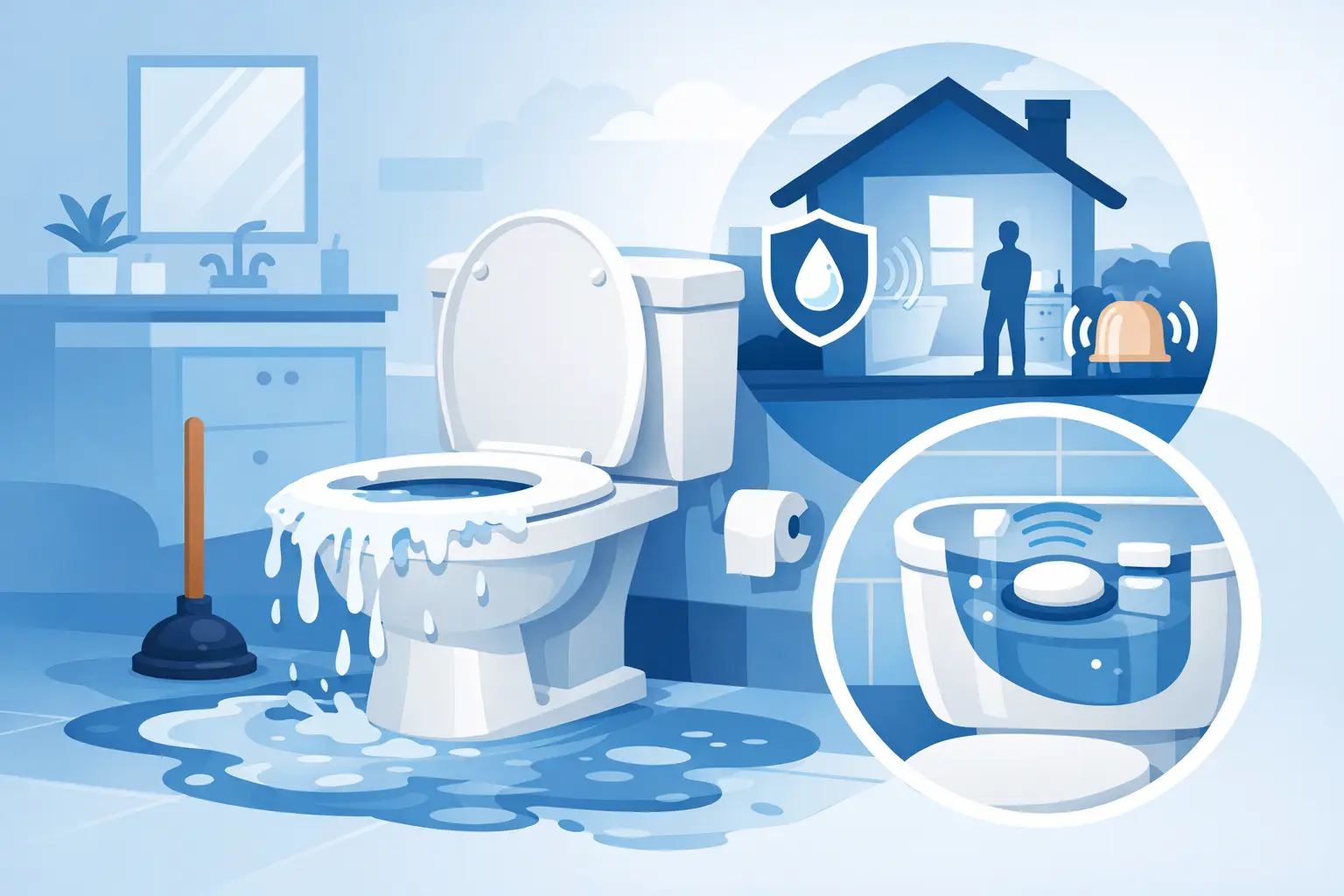
A Homeowner’s Case for Toilet Overflow Prevention
A strong toilet overflow prevention case begins before water reaches the bathroom floor. Most overflows give homeowners a warning first: a toilet that flushes slowly, water that rises higher than usual, gurgling from a nearby tub, or a clog that keeps returning. Paying attention to those signs can protect your flooring, walls, and household routine from a messy emergency.
A plunger can clear a simple blockage, but it cannot tell you why the problem happened. When the same toilet clogs again, multiple drains act up, or the bowl threatens to overflow, the goal should be finding the cause rather than forcing another temporary fix.
Why toilets overflow
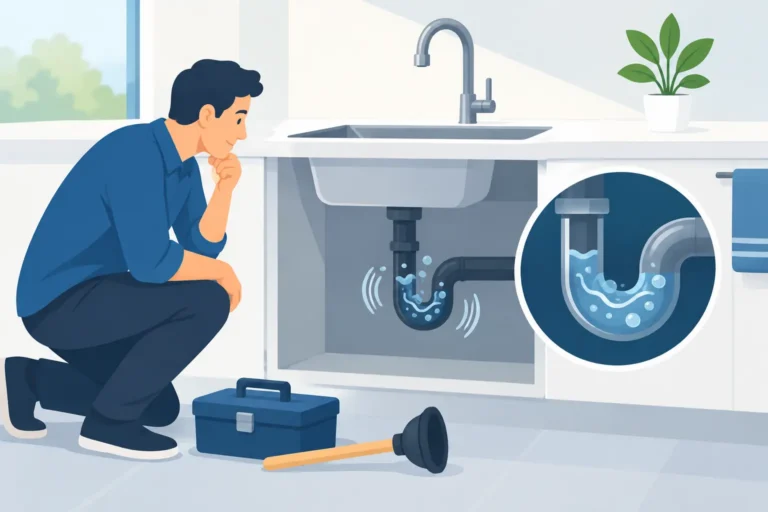
A toilet overflows when water enters the bowl faster than it can move through the trap and drain line. Sometimes the cause is close to the fixture, such as too much paper, a flushed object, or buildup in the toilet trap. Other times, the toilet is simply the first fixture to show a larger problem farther down the line.
That distinction matters. A single toilet that only has trouble after a specific item is flushed may have a local clog. If the toilet gurgles when the shower drains, backs up after laundry, or is joined by slow sinks and tubs, the issue may be in a branch line or the main sewer line. In that situation, repeated plunging can delay the right repair and raise the risk of wastewater coming back into the home.
Lake County homes can also face drainage issues from pipe age, scale buildup, shifting soil, and roots finding their way into damaged or separated sewer lines. The right solution depends on what is actually in the pipe. No guessing. No unnecessary work.
Toilet overflow prevention starts with early action
The best time to address a toilet problem is when it is still inconvenient, not when it is an emergency. A slow flush or occasional gurgle may seem minor, but those symptoms are useful information. They can point to a restriction that is getting worse each time the fixture is used.
Watch for warning signs such as a bowl that fills unusually high before draining, frequent need for a plunger, bubbling water, sewage odors, or water appearing in a tub or shower when the toilet flushes. These are not normal parts of owning a home. They deserve attention, especially if they occur more than once.
A toilet that has overflowed before also needs more than a quick cleanup and a hopeful flush. If the underlying blockage remains, the next backup may happen without warning, often when the household is using the most water.
Keep the wrong items out of the drain
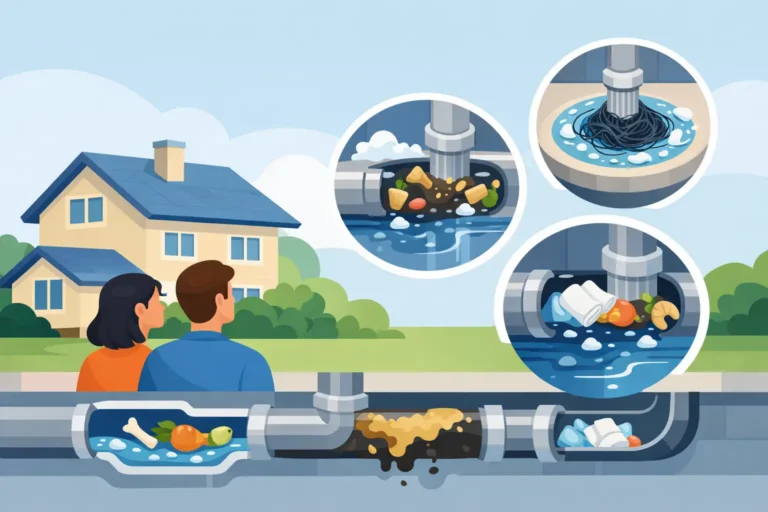
The toilet is built for human waste and toilet paper. Products labeled “flushable” can still create problems, particularly in older pipes or lines with existing buildup. Wipes, paper towels, feminine hygiene products, cotton swabs, dental floss, diapers, and small toys do not break down like toilet paper. They can lodge in the toilet trap or collect farther down the line.
Use only a reasonable amount of toilet paper per flush. This does not mean a household must be overly cautious about normal use. It means recognizing that extra-thick paper, large amounts at once, and non-flushable products can turn a marginal drain line into a clog.
Do not treat chemical cleaner as prevention
Liquid chemical drain products are not a reliable way to prevent a toilet overflow. They may not reach or remove the actual obstruction, and they can leave harsh chemicals sitting in the fixture or pipe. That creates a safety concern for anyone who later needs to plunge, snake, or inspect the drain.
Chemical products can also be hard on certain plumbing materials when used repeatedly. A professional cleaning method is more useful when there is a real blockage, because it is designed to remove buildup or debris rather than mask a slow drain for a short time.
What to do when the bowl starts rising
Fast action can keep a near-overflow from becoming a cleanup project. If the water level rises after flushing, do not flush again to see whether it improves. Remove the tank lid and push the flapper closed if water is still flowing from the tank into the bowl. The flapper is the rubber valve at the bottom of the tank.
Then turn the shutoff valve behind or beside the toilet clockwise to stop the water supply. If the bowl is close to the rim, wait for the water level to settle before attempting anything else. Keep children and pets out of the area, and place towels around the base only if you can do so safely without spreading contaminated water.
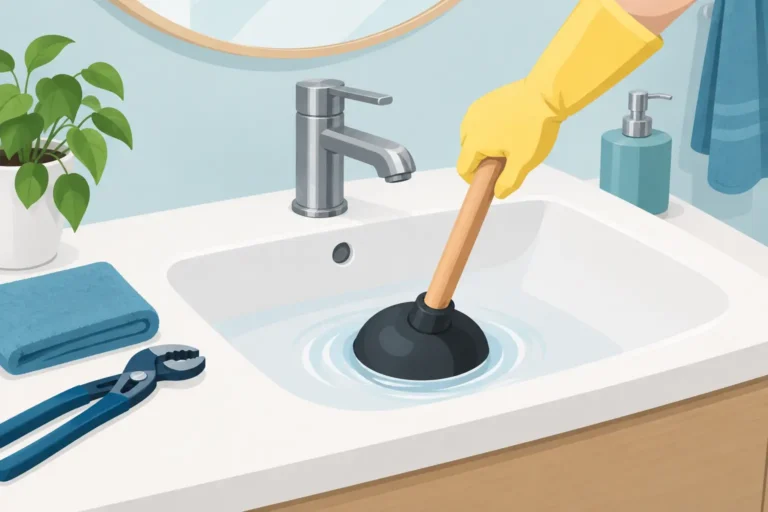
If you believe the clog is simple and the bowl has room, use a flange-style toilet plunger with a firm seal. Make several controlled plunges rather than splashing aggressively. If the water does not drain normally, stop. Repeated force can push an object farther into the line or cause an already full drain to back up elsewhere.
Avoid using a wire hanger or improvised tool in the bowl. It can scratch the porcelain, damage the toilet trap, and fail to reach the actual blockage.
When the problem is likely beyond the toilet
A local toilet clog is often manageable. A broader drainage problem requires a closer look. Call for professional drain service when the toilet repeatedly clogs, plunging does not restore a normal flush, or you see symptoms at more than one fixture.
The most concerning signs are sewage backing up into a tub or shower, toilets bubbling when other fixtures run, drains throughout the home moving slowly, or water coming up through a floor drain. These conditions can indicate a main-line restriction. Using more water may make the backup worse, so pause laundry, dishwasher use, showers, and unnecessary flushing until the line is evaluated.
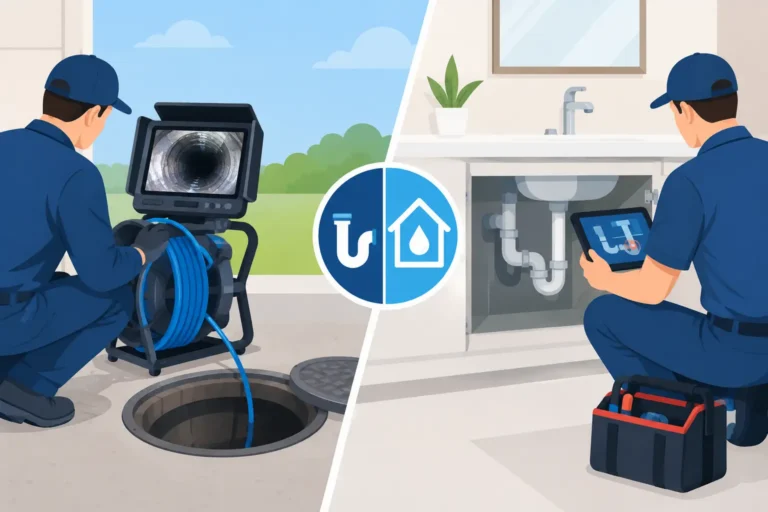
A camera inspection is especially helpful for recurring issues. It allows a technician to see whether the line contains roots, heavy buildup, a broken section, a belly that holds water, or a lodged object. That gives the homeowner a clear explanation of the condition and helps determine whether professional cable cleaning, high-pressure jetting, or another repair is appropriate.
The trade-off is straightforward: a basic drain clearing may restore flow when the blockage is simple, while a camera inspection can provide more certainty when the problem keeps returning. For a first-time minor clog, inspection may not be necessary. For repeat backups, it can prevent spending money on the same short-term fix again and again.
Protect the bathroom after any overflow
Even a small overflow should be cleaned carefully because toilet water can contaminate nearby surfaces. Wear gloves, remove standing water, and clean and disinfect the floor, toilet exterior, baseboards, and any affected items. Wash reusable towels separately on a hot cycle if they can be safely laundered.
If water reached drywall, cabinets, carpet, or flooring seams, watch for swelling, staining, lingering odor, or soft materials. Those signs may require further cleanup to avoid moisture damage. Take photos before cleanup if there is significant damage and you may need to document the incident.
Once the area is clean, do not assume the issue is resolved simply because the toilet flushes once. Use the fixture cautiously. If it remains slow, gurgles, or affects another drain, arrange an evaluation before the next busy morning or family gathering puts more water through the system.
A practical plan for Lake County homeowners
Toilet overflow prevention is mostly about recognizing patterns and acting before the drain fails completely. Keep non-flushable items out of the toilet, do not rely on chemicals for recurring clogs, and stop using water when multiple fixtures show backup symptoms. Keep the toilet shutoff valve accessible and make sure household members know where it is.
For homeowners in Eustis, Mount Dora, Tavares, Leesburg, and Lady Lake, USA Drain Cleaning can inspect the line, explain what the camera shows in plain language, and clean the blockage with the method that fits the condition. The focus is on identifying the source of the problem, not selling work the pipe does not need.
A toilet should flush, clear, and stay quiet. When yours starts telling you otherwise, addressing it early is one of the simplest ways to protect your home from an avoidable overflow.