When to Replace Drain Pipes: 8 Clear Signs
A drain that clogs once may only need cleaning. A drain that clogs again after cleaning, smells foul, gurgles, or backs up into the home may be telling you something bigger. Knowing when to replace drain pipes can save Lake County homeowners from repeated service calls, damaged floors, and the stress of a sewage backup.
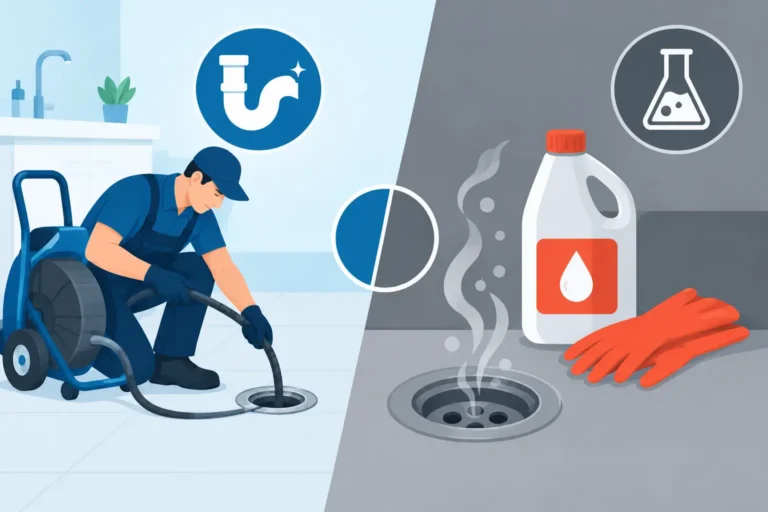
Replacement is not the automatic answer to every slow drain. Many problems come from grease buildup, wipes, heavy paper products, roots, or debris that professional cleaning can remove. The key is identifying what is actually happening inside the line before paying for work you do not need. No guessing. No unnecessary work.
1. The Same Drain Problem Keeps Returning
If a sink, tub, toilet, or main sewer line keeps clogging shortly after it has been cleared, the pipe may have a condition that cleaning alone cannot solve. A recurring clog can point to a crack, sagging section of pipe, severe corrosion, a bad connection, or roots growing through damaged joints.
A professional drain cleaning should restore normal flow when buildup is the issue. If the problem returns within weeks or a few months, it is time to look beyond the surface blockage. A camera inspection can show whether the line is still structurally sound or whether the clog is catching on a damaged area inside the pipe.
2. Multiple Fixtures Back Up at the Same Time
One slow bathroom sink often means a localized blockage. When the toilet bubbles while the shower drains, or water comes up in the tub when the washing machine empties, the issue is more likely in a shared branch line or the main sewer line.
This does not always mean replacement is necessary. A main line can be blocked by roots, grease, or an object that high-pressure jetting can remove. But repeated multi-fixture backups are a strong reason to have the pipe inspected. If the camera shows a collapsed section, major offset, or extensive root damage, repair or replacement may be the lasting solution.
3. A Camera Shows Cracks, Collapsed Pipe, or Severe Offsets
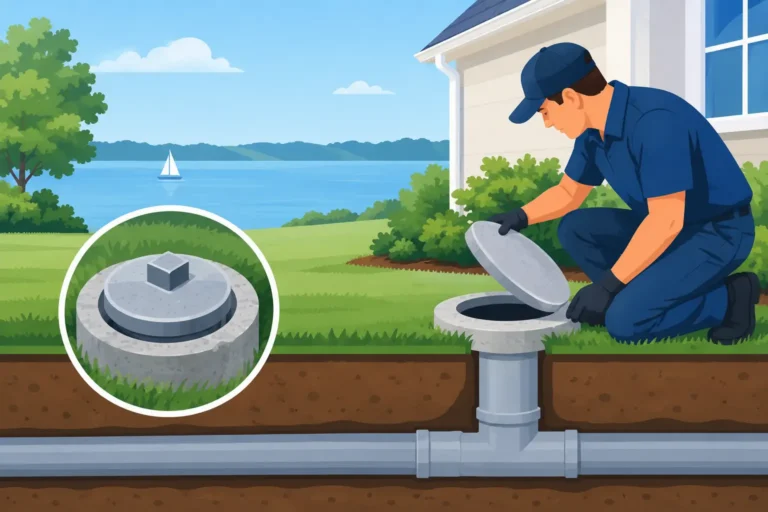
The most reliable way to decide whether a drain pipe needs replacement is to see its condition. A video camera inspection lets a technician follow the pipe from the cleanout or drain opening and identify the exact location of a problem.
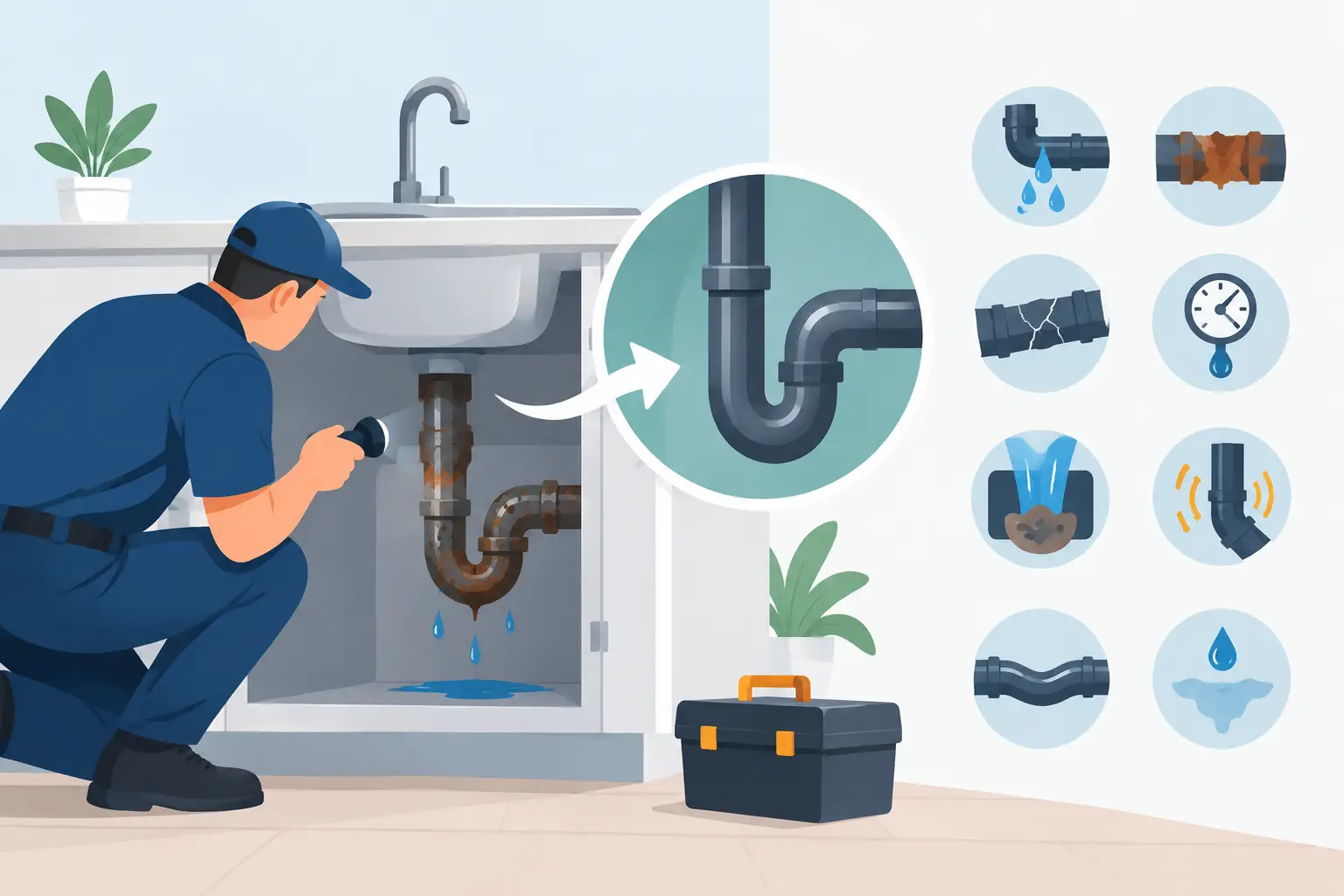
Cracks can allow wastewater to leak into the soil and give roots an easy path into the line. A collapse can stop flow almost completely. An offset happens when sections of pipe separate or shift out of alignment, creating a ledge where paper and waste collect. These are physical defects, not ordinary clogs.
In some cases, a short damaged section can be repaired instead of replacing an entire line. The right option depends on the pipe material, the location of the damage, how much of the line is affected, and whether other sections are nearing failure. A clear camera inspection gives you the information needed to make that decision with confidence.
4. Tree Roots Keep Invading the Sewer Line
Roots are common in Florida yards, especially around older pipe joints or lines with small cracks. They are drawn to the moisture and nutrients inside a sewer pipe. At first, roots may cause a slow drain or occasional backup. Over time, they can fill the pipe, break joints apart, and trap debris.
Root cutting and jetting can restore flow, and that may be the sensible choice if the pipe is otherwise in good condition. But if roots repeatedly return to the same area, the pipe has an opening that needs attention. Replacing or repairing the damaged section can prevent the cycle of clearing roots, waiting, and dealing with another backup.
5. Your Drains Have Persistent Odors or Gurgling Sounds
A brief odor from a rarely used drain can be as simple as a dry trap. Persistent sewage odor is different. It may indicate a cracked drain line, a failed connection, or waste sitting in a low spot where the pipe no longer drains correctly.
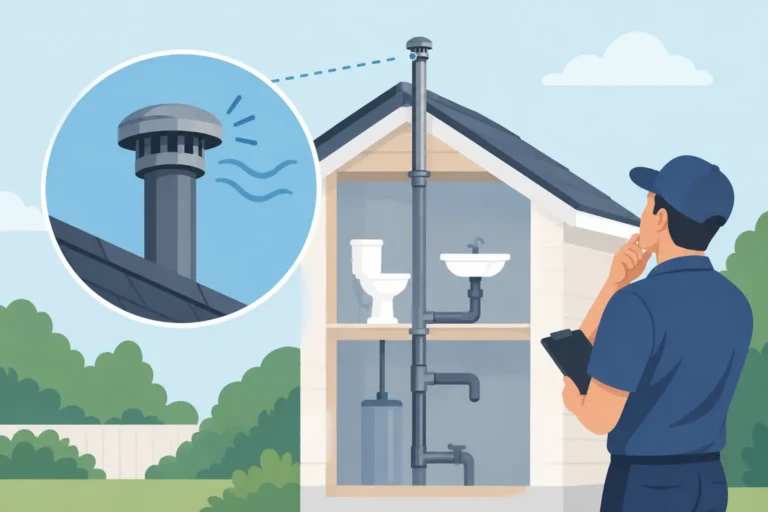
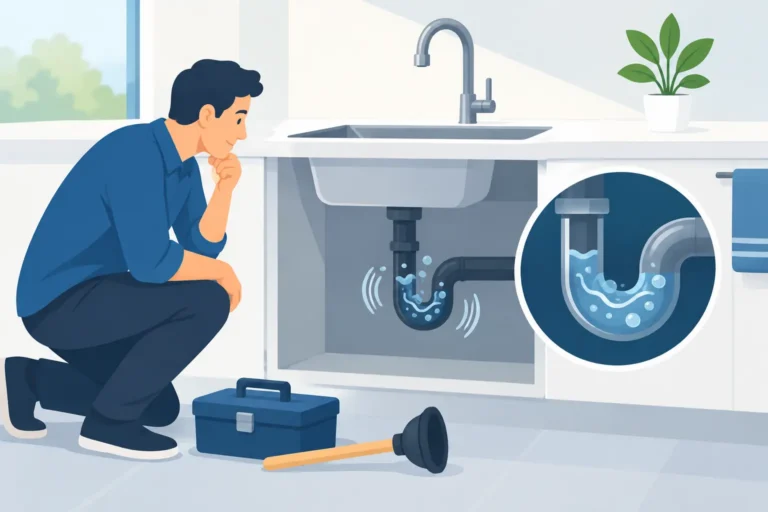
Gurgling is another warning sign. It happens when air cannot move properly through the drainage system and gets forced back through water in a sink, tub, or toilet. A blockage can cause it, but so can a damaged or poorly sloped pipe. If cleaning does not stop the noises and odors, an inspection can determine whether replacement is warranted.
6. You Have Older Cast-Iron or Orangeburg Drain Pipes
The age and material of your pipes matter. Many older homes have cast-iron drain lines, which can corrode from the inside over time. As the interior roughens and flakes, waste and paper catch more easily. Eventually, the pipe wall can thin, crack, or develop holes.
Some older properties may also have Orangeburg pipe, a compressed fiber material used decades ago. Orangeburg can deform, blister, or collapse as it ages. It is not something that can be restored through routine cleaning.
Age alone does not require immediate replacement. A camera inspection may show that an older line is still functioning well. However, if an aging pipe has recurring clogs, corrosion, root intrusion, or visible defects, replacement becomes a more practical investment than continuing to pay for temporary clearing.
7. Wet Spots, Sinkholes, or Unusually Green Grass Appear Outside
A damaged underground sewer line can leak below the yard before it causes an obvious indoor backup. Watch for persistently wet soil during dry weather, foul smells outdoors, soft spots, small depressions, or patches of grass that are much greener than the surrounding lawn.
These signs do not prove a sewer leak on their own. Irrigation problems and stormwater issues can create similar symptoms. Still, they should be checked promptly. Water escaping from a broken line can wash away soil, attract roots, and create larger repair needs if left alone.
For exterior drainage, standing water near a storm drain after normal rainfall may mean the drain is blocked with leaves, sand, mulch, or yard debris. Storm drain cleaning may solve that issue without replacing any pipe. If the system is cracked, crushed, or poorly draining because of a structural failure, then repair becomes part of the conversation.
8. Cleaning No Longer Produces a Lasting Result
Drain cleaning is valuable when it removes the underlying obstruction. Professional-grade equipment can cut through roots, scour heavy buildup, and clear lines that household products cannot handle. But no cleaning method can permanently correct a collapsed pipe, a severe belly, or a line that has separated underground.
A good rule is to consider replacement when you have a documented pipe defect and repeated cleaning is only buying short periods of relief. It is also reasonable to compare costs. One targeted repair may cost more than a single cleaning, but it can be less expensive and far less disruptive than multiple emergency calls and water damage.
What to Do Before Replacing Drain Pipes
Do not make a replacement decision based only on symptoms or a quick glance at a drain opening. Ask for a camera inspection and a plain-language explanation of what the footage shows. You should know where the damage is, how serious it is, whether cleaning or repair is still an option, and what work is being recommended.
For homeowners in Eustis, Mount Dora, Tavares, Leesburg, and Lady Lake, USA Drain Cleaning uses camera inspections to locate the actual cause before recommending next steps. The goal is simple: clear a cleanable blockage, identify a damaged pipe honestly, and help you avoid paying for work that does not solve the problem.
If your drains are slowing down, gurgling, or backing up more than once, do not wait for the next busy morning or heavy rain to force the issue. A clear look inside the line can turn an uncertain problem into a practical plan – and help protect your home before a small warning becomes a messy repair.