Emergency Drain Cleaning: What Homeowners Do First
A drain emergency rarely starts with a dramatic flood. More often, it begins with a toilet that will not flush, water rising in the shower, a kitchen sink backing up when the dishwasher runs, or a bad odor that suddenly gets worse. Emergency drain cleaning is needed when water is no longer moving where it should and there is a real risk of overflow, property damage, or a sewage backup inside the home.
For homeowners in Eustis, Mount Dora, Tavares, Leesburg, Lady Lake, and across Lake County, quick action can limit the mess. The goal is not to force water through at any cost. It is to stop the backup, protect your home, and identify what is blocking the line so the problem does not return next week.
When Emergency Drain Cleaning Cannot Wait
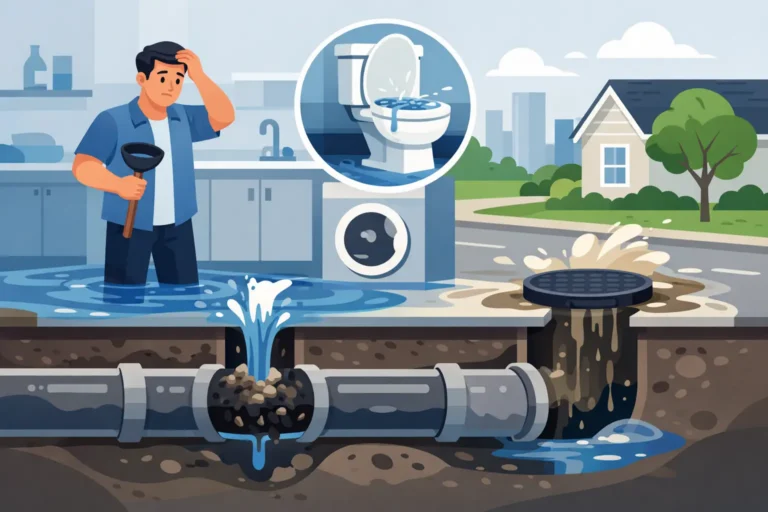
A single slow bathroom sink can often be scheduled as a routine service call. A backup affecting multiple fixtures is different. When flushing a toilet makes water rise in the tub, or running the washing machine causes a utility sink to overflow, the issue may be in a shared branch line or the main sewer line. That is not a wait-and-see situation.
Call for professional help promptly if sewage or dirty water is coming up through a drain, if a toilet is overflowing and will not clear, or if several drains are gurgling and draining slowly at once. Water pooling around an exterior drain before or during heavy rain also deserves quick attention. In Florida, a blocked storm drain can send water toward the garage, driveway, foundation, or landscaped areas when the next storm arrives.
A foul odor is another warning sign, especially when it is paired with slow drains or bubbling fixtures. Odors can come from standing wastewater, buildup inside the pipe, or a blockage that is preventing the plumbing system from draining properly. The smell may be unpleasant, but it can also be useful information for diagnosing where the problem is located.
What to Do Before Help Arrives
The right first steps can prevent an inconvenient clog from becoming a larger cleanup job. Do not keep testing fixtures to see whether the line has cleared. Each flush, load of laundry, or sinkful of water can add more water to a blocked pipe.
- Stop using water in the affected area. If several fixtures are involved, avoid using toilets, showers, sinks, dishwashers, and washing machines until the line is checked.
- Turn off the water supply to an overflowing toilet if you can safely reach the shutoff valve behind or beside it. Turn it clockwise until the water stops.
- Keep children and pets away from standing wastewater. Wear gloves if you must move nearby items, and avoid direct contact with contaminated water.
- Protect belongings near the overflow by moving rugs, boxes, towels, and furniture away from the area. Do not place valuables on the floor in an adjacent room.
- Skip chemical drain cleaners. They often fail against a serious blockage, can damage certain pipes, and may leave harsh chemicals in the line for anyone working on it.
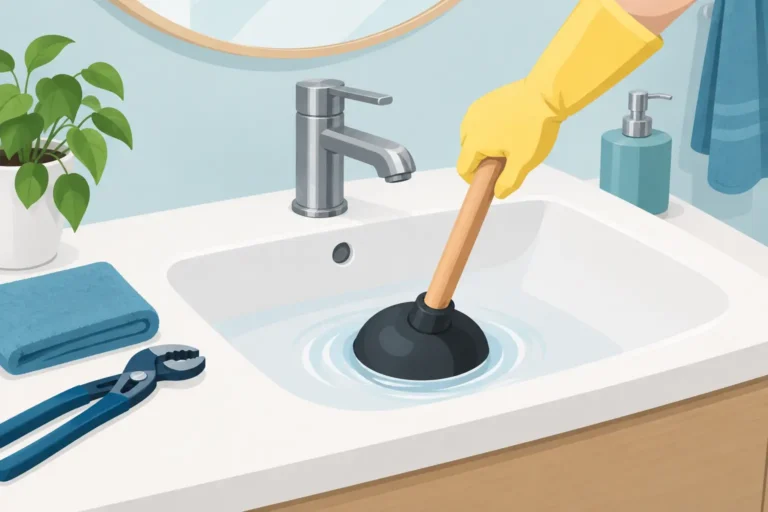
A plunger can be reasonable for one toilet or one sink that has just started draining slowly. Stop if the fixture continues to back up, if water appears in another drain, or if the clog keeps returning. Repeated plunging will not remove tree roots, heavy grease buildup, a collapsed pipe, or a main-line obstruction.
The Difference Between a Simple Clog and a Line Problem
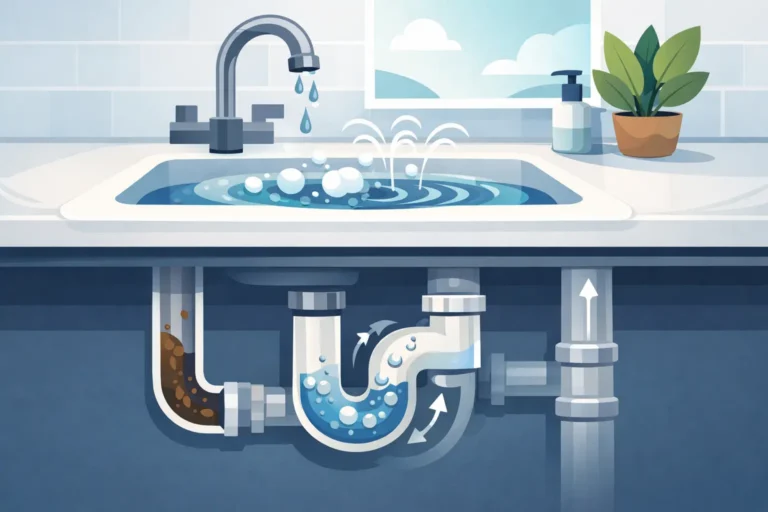
The location of the symptoms matters. One slow sink usually points to a local blockage near that fixture, often from soap residue, hair, toothpaste, or everyday buildup. A shower that holds water after every use may have a similar issue in its drain trap or branch line.
When more than one fixture acts up, the blockage is often farther down the system. For example, a downstairs shower backing up when the toilet flushes can signal a problem in the line they share. If every drain in the home is sluggish, or sewage appears at the lowest drain in the house, the main sewer line becomes a stronger possibility.
Outside conditions can offer clues too. In Lake County, roots may grow into small openings at pipe joints and gradually catch debris. Older lines can develop scale, cracks, or sections that no longer drain at the right slope. Grease from kitchen use can harden along pipe walls, narrowing the passage until a normal amount of water is enough to trigger a backup.
There is no single fix for all of these conditions. A cable machine may clear some blockages effectively. High-pressure jetting can be a better option when pipe walls are coated with grease, sludge, scale, or accumulated debris. If a camera inspection shows root intrusion or pipe damage, clearing the line is still useful, but it may not be the final answer. The condition of the pipe should guide the next step.
What Professional Emergency Drain Cleaning Should Include
An emergency visit should not be a guessing game. A technician should start by listening to what happened, which fixtures are affected, and whether the problem has occurred before. Those details help narrow down whether the issue is local, in a branch line, in the main line, or outside at a storm drain.
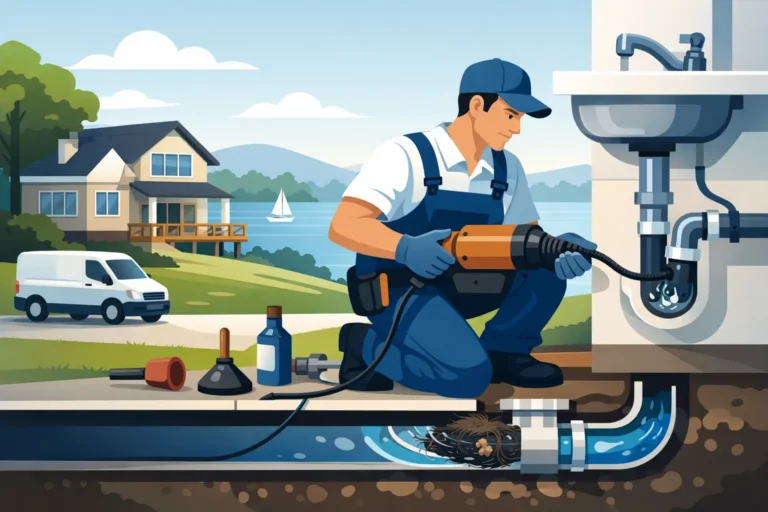
The work should focus on removing the actual obstruction rather than simply getting a little water moving again. Professional equipment reaches farther and works more thoroughly than a store-bought snake. For stubborn buildup and recurring clogs, high-pressure jetting can wash debris from the pipe walls instead of punching a small opening through the middle of it.
Camera inspection adds another level of certainty. Once access is available, a drain camera can show the inside of the line and help locate roots, buildup, standing water, damaged pipe, or an object causing the blockage. It also gives homeowners a plain-language explanation of what was found. No guessing. No unnecessary work.
A clear estimate should come before work that goes beyond the immediate diagnosis or agreed-upon cleaning. If the inspection reveals a damaged line, the homeowner should understand what is urgent, what can be monitored, and what options are available. A good service call leaves you with answers, not pressure.
Do Not Forget Exterior and Storm Drains
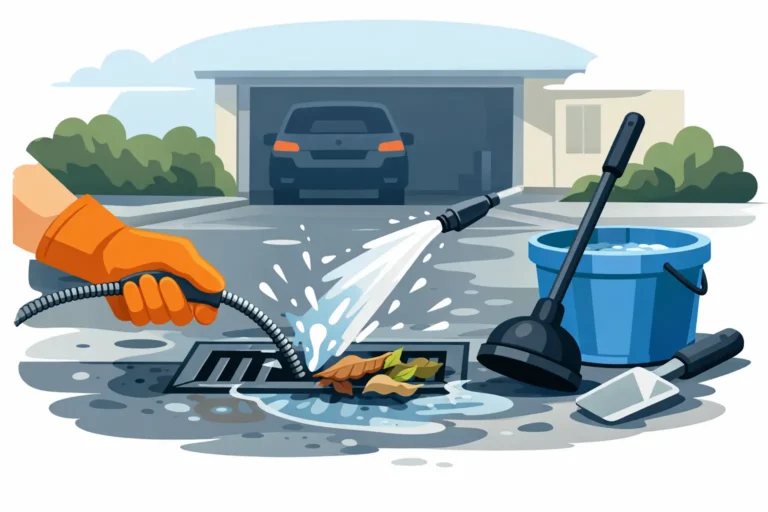
Emergency drainage problems are not limited to plumbing inside the house. A blocked yard drain, catch basin, or driveway drain can become an urgent issue when heavy rain is in the forecast. Leaves, mulch, soil, roof runoff debris, and broken grates can all restrict water flow.
If water is pooling near a foundation, garage door, walkway, or low area of the yard, avoid pushing debris farther into the drain opening. Remove loose leaves and surface debris only if it is safe to do so. If the drain remains full or water is not moving, professional storm drain cleaning can clear the system and help determine whether the issue is surface buildup, a buried obstruction, or a damaged drainage pipe.
Exterior drainage is especially worth addressing before the next major rain event. Waiting until water is already entering the garage or collecting against the home leaves fewer good options and more cleanup afterward.
How to Reduce the Chance of Another Backup
Some drain emergencies cannot be predicted, particularly when roots or hidden pipe damage are involved. Still, recurring problems usually leave warning signs. A drain that slows down every few months, toilets that gurgle occasionally, or water that stands near the same exterior drain after rain should be checked before it turns into an overflow.
Avoid treating repeated clogs with chemical products or frequent quick fixes. Those approaches can mask a developing issue while leaving buildup in place. A proper cleaning, followed by camera inspection when needed, helps establish whether the line is simply dirty or whether there is a condition that needs repair or ongoing maintenance.
When a drain emergency disrupts your home, focus on stopping water use and getting a clear diagnosis. USA Drain Cleaning helps Lake County homeowners find the source, clean the line properly, and understand what was done before the equipment is packed up. The best next step is the one that protects your home now and gives you a realistic plan for keeping the problem from coming back.