Camera Inspection Savings Example for Homeowners
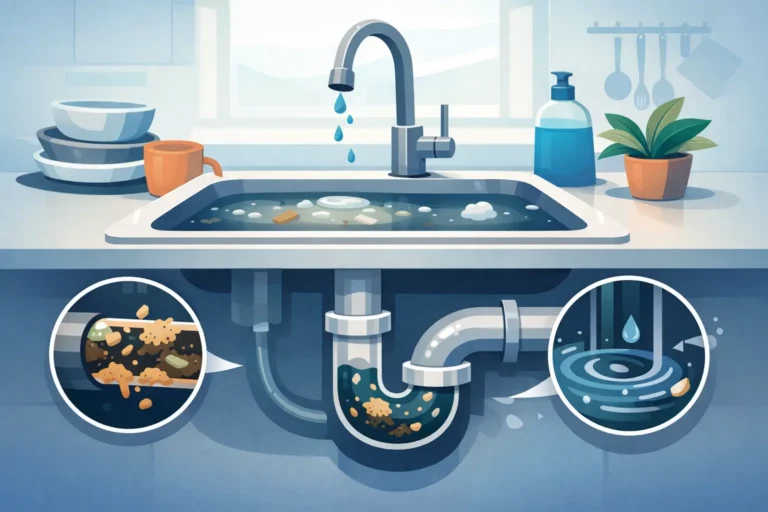
A kitchen sink that backs up every few months can seem like a simple clog – until another service visit, another drain treatment, and another day of inconvenience add up. This camera inspection savings example shows why seeing the inside of a drain line can cost less than repeated guessing, especially when the real issue is farther down the pipe.
For homeowners in Lake County, recurring drain trouble is rarely just about the water sitting in the sink. It can mean roots entering an outdoor line, heavy grease buildup, a sagging pipe section, or a damaged connection underground. A video camera inspection identifies the condition before money is spent on work that will not solve the underlying problem.
A Camera Inspection Savings Example: Repeated Clogs vs. a Clear Diagnosis
Consider a homeowner with a main-line backup that has happened twice in one year. On the first visit, the line is cleared and everything drains again. A few months later, the toilets gurgle, the tub drains slowly, and wastewater begins to rise in a shower. The homeowner pays for another basic clearing because the immediate goal is to get the drains moving.
That choice is understandable. When water is backing up into the house, relief matters. But if the blockage keeps returning, clearing the line without seeing inside it may only remove enough material to restore flow for the moment.
In this example, the homeowner spends $250 for an initial clearing and $250 for a second clearing. The drain works temporarily, but the problem comes back. After $500 in repeat service, a camera inspection finally shows roots entering through a joint in the sewer line. The roots are catching paper and debris each time the line is used.
Had the line been camera-inspected after the recurring issue appeared, the homeowner could have seen the root intrusion sooner. The next step might have been targeted root removal and a discussion of the pipe’s condition, rather than another blind clearing. The savings are not always a single dramatic number. They can come from avoiding repeated visits, preventing an indoor backup cleanup, and planning a repair before a small pipe opening becomes a complete blockage.
A camera does not make the roots disappear, and it does not automatically mean the pipe needs replacement. What it does is replace assumptions with evidence. No guessing. No unnecessary work.
Where the Savings Actually Come From
The value of a drain camera inspection is usually tied to better decisions. When a technician can see the issue, you can choose the right level of service instead of paying for the same short-term solution again.
Avoiding repeat drain clearing
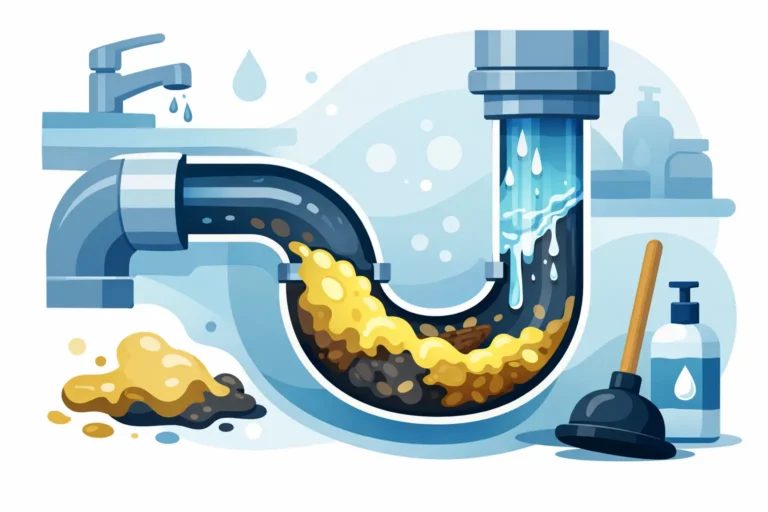
A drain cable can be effective for many ordinary clogs. Hair near a bathroom drain, a small blockage in a branch line, or debris close to a fixture may not require a camera at all. But a clog that returns in the same location is different. Repeated clearing charges can surpass the cost of diagnosing why the line keeps closing up.
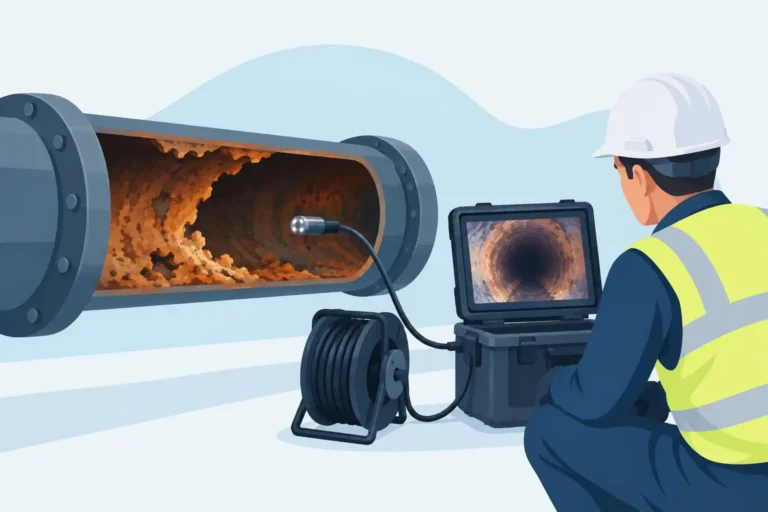
A camera may reveal grease scale along a kitchen line, roots in a main line, or an offset pipe connection that catches debris. With that information, the work can be directed at the actual cause. In some cases, high-pressure jetting is a better fit than simply punching a narrow opening through buildup.
Preventing water damage and cleanup costs
The most expensive drain problem is often the one that spills into the home. A main-line backup can affect showers, tubs, toilets, and low floor drains with little warning. Beyond the drain service itself, homeowners may face cleanup, damaged flooring, odors, and time away from normal household routines.
A camera inspection cannot predict every backup. However, it can identify warning signs after recurring clogs or slow drainage have already appeared. Finding heavy buildup, root intrusion, or pipe damage before the next major blockage gives a homeowner time to act on a schedule instead of during an emergency.
Keeping yard work focused
When an underground pipe is suspected of being broken, it is easy to worry that the yard or driveway will need to be dug up. A camera helps narrow down what is happening and where. If a visible crack, collapse, separation, or root entry point is found, the homeowner has a clearer basis for discussing targeted repair options.
That matters because excavation should be based on evidence, not a hunch. Sometimes the camera shows that cleaning is the appropriate next step. Other times, it confirms that a damaged section needs attention. Either way, the homeowner can see why the recommendation is being made.
When a Camera Inspection Makes the Most Sense
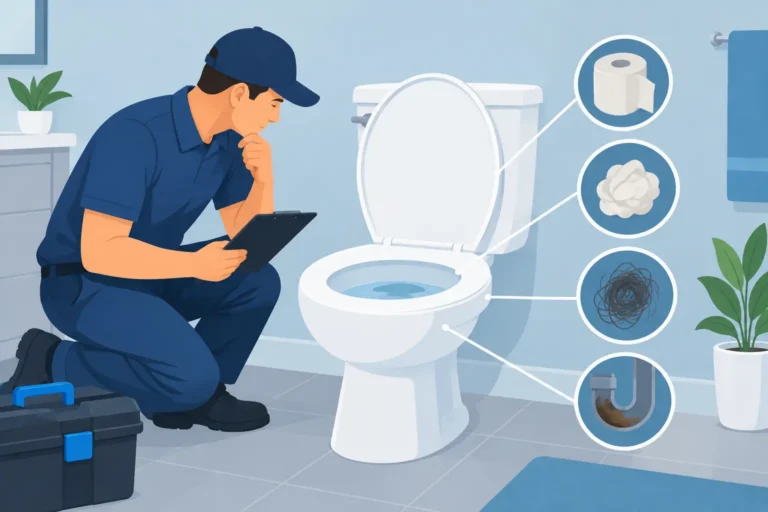
Not every slow drain needs a camera immediately. If one bathroom sink is draining slowly because of hair near the stopper, a straightforward cleaning may solve it. Spending money on a full line inspection for every minor fixture clog would not be practical.
A camera becomes more useful when the symptoms point to a deeper or recurring issue. Pay attention when multiple drains slow down at once, toilets gurgle after water runs elsewhere in the home, sewage backs up into a tub or shower, or the same drain needs frequent service. Foul odors and water pooling near an exterior drain can also justify a closer look.
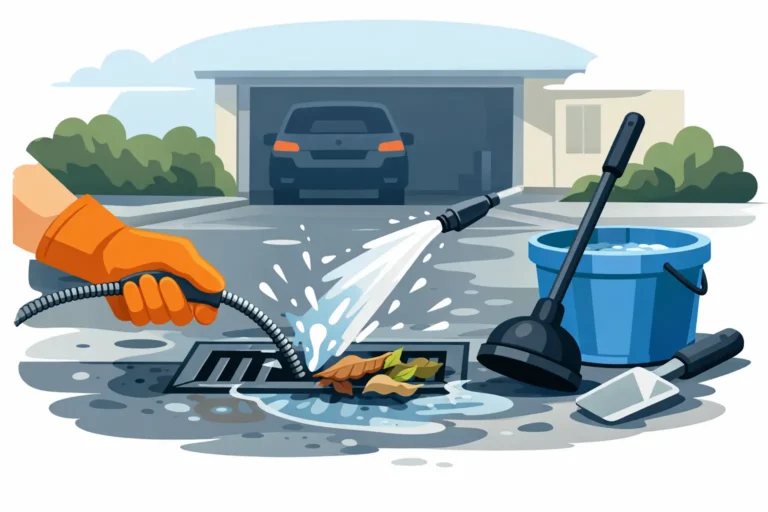
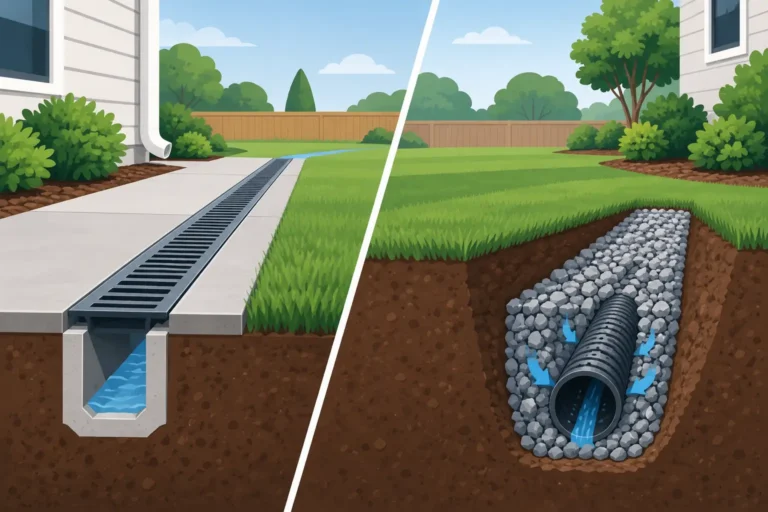
For Florida homeowners, exterior drainage deserves the same attention. Heavy rain can expose a blocked storm drain quickly. If water stands near a driveway, patio, foundation area, or yard drain long after a storm, a camera can help determine whether leaves, sediment, roots, or a damaged drain pipe are interfering with flow.
What You Should Expect During the Inspection
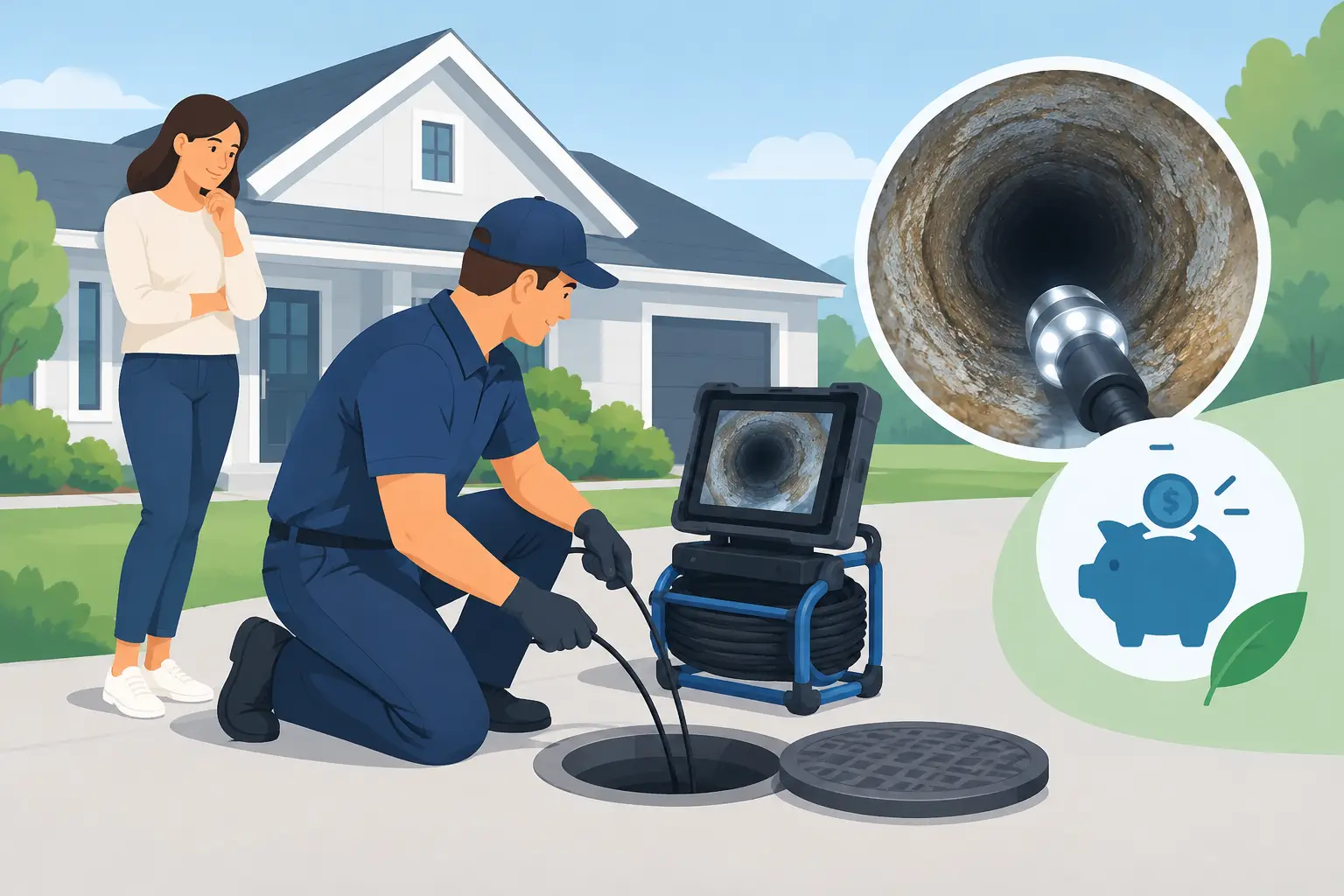
A professional camera inspection is not about creating a bigger repair bill. It should be a straightforward diagnostic step. The technician accesses the line through an appropriate opening, feeds a camera through the pipe, and watches the live view to locate buildup, roots, damage, or other restrictions.
You should be shown the findings in plain language. If the line is clear, that is useful information. If there is a problem, the explanation should distinguish between what needs attention now and what can be monitored or planned for later. A good recommendation connects the condition in the pipe to the symptoms you have been experiencing.
There are limits. A camera may not travel through a completely blocked line until it has been opened first. Dirty water, heavy scale, or a pipe full of roots can also limit visibility. In those cases, cleaning may be needed before the full condition can be confirmed. That is not a reason to skip diagnostics – it is a reason to understand the proper order of work.
How to Compare the Cost of Guessing
When deciding whether to add a camera inspection, do not compare only the inspection charge to the cost of a single basic drain clearing. Compare it to the likely cost of repeating the problem.
Ask yourself whether the drain has clogged before, whether more than one fixture is affected, and whether a backup could damage finished areas of the home. Also consider whether a temporary opening is enough for your situation or whether you need to know the condition of an older underground line.
A homeowner may decide that a one-time clog does not justify a camera, and that can be reasonable. But after a second backup, recurring gurgling, or evidence of outdoor drainage failure, the cost of not knowing usually rises. A clear diagnosis can prevent money from being spent in the wrong place.
USA Drain Cleaning approaches camera work as a way to show homeowners what is actually happening inside the line. The goal is simple: identify the issue, explain the options, complete the right work, and leave the property clean.
If a drain keeps giving you the same warning, treat that pattern as useful information. Getting a look inside the pipe may be the practical step that turns a frustrating repeat problem into a planned, lasting fix.