Five Signs of Pipe Corrosion in Your Home
A drain that suddenly slows down, a rusty-looking stain under the sink, or water that no longer runs as strongly as it used to can point to more than an ordinary clog. Knowing the five signs of pipe corrosion can help you act before a small pipe issue turns into water damage, a backup, or an unexpected repair.
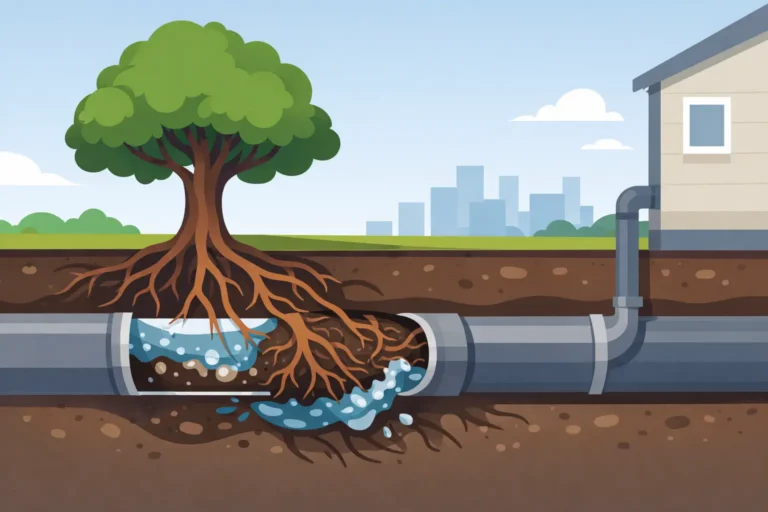
Corrosion happens when pipe material breaks down over time. Age, water chemistry, mineral buildup, moisture, and the condition of the pipe all play a role. In Lake County homes, the symptoms can be easy to overlook because they often start gradually. The key is not to guess at the cause. A clear inspection can show whether you are dealing with buildup, a blockage, root intrusion, a damaged line, or a pipe that is deteriorating from the inside.
Five Signs of Pipe Corrosion to Watch For
1. Discolored water from faucets
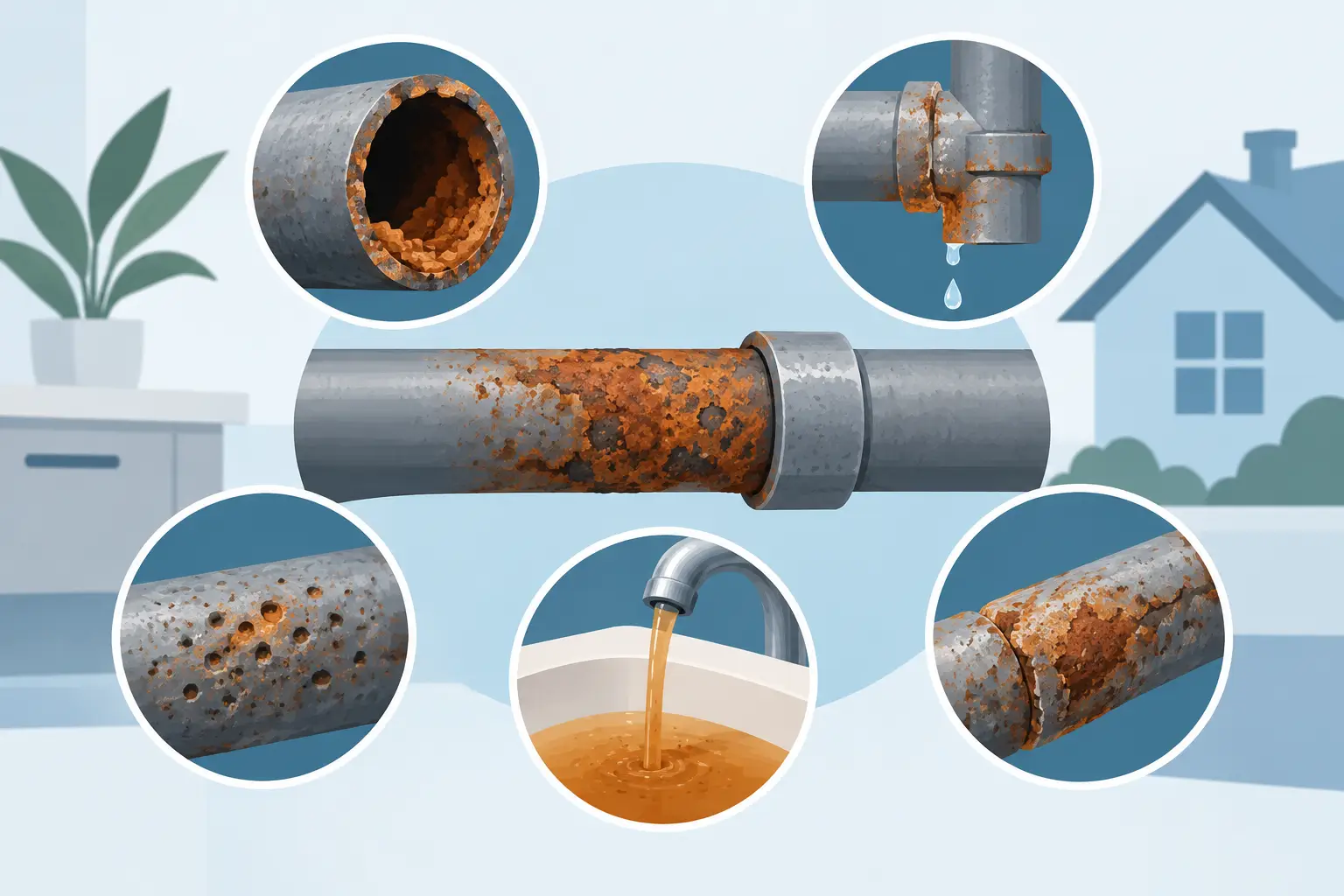
Brown, yellow, orange, or reddish water can be one of the clearest signs that metal supply pipes are corroding. Rust particles may break loose inside aging galvanized steel or iron pipes and travel through the water line. You might notice the discoloration when you first turn on a faucet after water has been sitting in the pipes, then see it clear after a few minutes.
Not every color change means your home has corroded plumbing. Work on a nearby water line or sediment in the water supply can also temporarily affect water color. But if the problem keeps returning at one fixture or throughout the house, it deserves attention. Avoid treating recurring discoloration as a cosmetic issue, especially when it comes with reduced water flow or visible stains in sinks and tubs.
2. Slow drains and recurring clogs
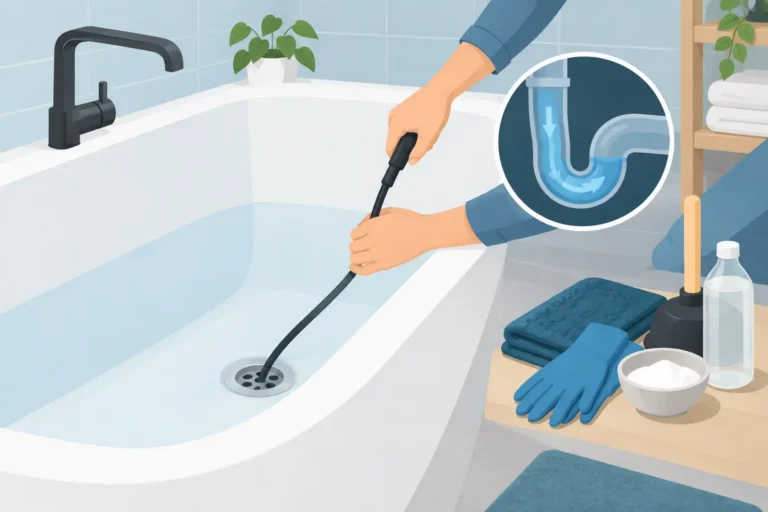
A slow drain is often caused by soap residue, grease, hair, or other everyday buildup. However, corrosion inside older drain pipes can create a rough surface that catches debris much more easily. Instead of moving freely through a smooth pipe, waste and buildup cling to the corroded interior. That can lead to clogs that return soon after a basic drain treatment.
This is where the pattern matters. One slow bathroom sink may need routine cleaning. Multiple fixtures that drain slowly, frequent main-line backups, or a clog that returns after being cleared may point to a deeper issue in the line. Chemical drain cleaners can sometimes make matters worse by sitting in the pipe and damaging already weakened material.
A video camera inspection provides a direct look at the pipe interior. It can show whether the line is coated with buildup, narrowed by scale, cracked, invaded by roots, or visibly deteriorated. No guessing. No unnecessary work.
3. Low water pressure that keeps getting worse
If water pressure has dropped throughout the home, corrosion may be narrowing the inside of supply pipes. Mineral deposits and rust buildup take up space within the pipe, leaving less room for water to flow. The change is usually gradual, which is why homeowners often adapt to it before realizing how much pressure they have lost.
Low pressure at just one faucet can be a simpler problem, such as a clogged aerator or a failing fixture. Low pressure at several faucets is different. It may involve a pressure regulator, a supply issue, or aging pipes that need a closer look.
Pay attention to whether the pressure changes when more than one fixture is running. A shower that weakens when the washing machine starts, for example, can be a sign that the plumbing system is struggling to move enough water. A licensed plumbing professional can evaluate supply-side concerns, while a drain inspection can help rule out related drain-line issues when slow fixtures and backups are part of the problem.
4. Leaks, damp spots, or unexplained water stains
Corrosion weakens pipe walls over time. Eventually, small holes can form, often called pinhole leaks. These leaks may start behind walls, beneath flooring, under cabinets, or in other places that are not immediately visible. By the time a homeowner sees a stain, peeling paint, warped cabinet base, or musty smell, moisture may have been present for a while.
Look for water around exposed connections under sinks, near water heaters, and around laundry hookups. Also watch for stains that grow after plumbing is used, soft spots in flooring, or mildew that returns despite cleaning. A higher water bill without a clear reason can be another clue that water is escaping somewhere it should not.
A visible leak needs prompt repair, but the repair should also address why it happened. If a pipe has corroded in one area, nearby sections may be in similar condition. Fixing only the obvious spot can be appropriate in some cases, but it depends on the age, material, and overall condition of the line.
5. Rust flakes, green residue, or corroded pipe fittings
Sometimes pipe corrosion is visible before it creates a major leak. Check accessible pipes beneath sinks, around shutoff valves, at exterior hose connections, and near the water heater. Flaking rust on iron or steel pipes, white mineral crust around fittings, or greenish-blue staining on copper can indicate a moisture or corrosion problem.
Green residue on copper does not always mean a pipe is about to fail. Small amounts can occur naturally over time. But heavy buildup, wetness around the fitting, or recurring stains are signs that the connection should be checked. Corrosion at joints can develop where different metals meet, where a connection was poorly sealed, or where moisture repeatedly collects.
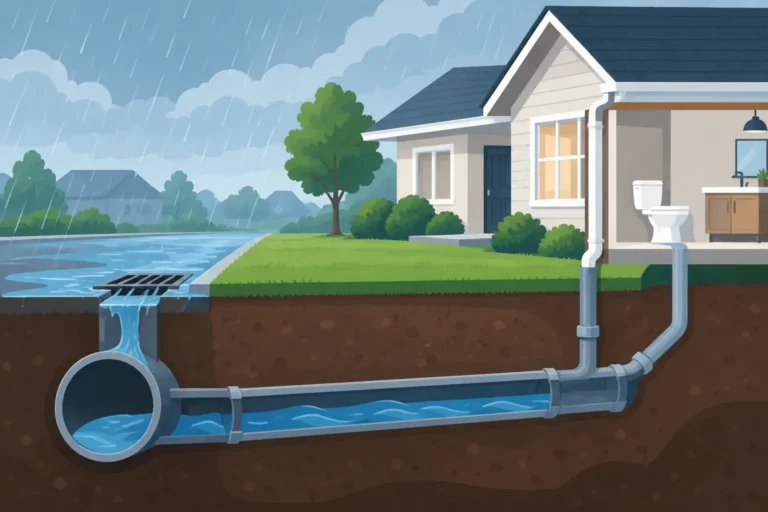
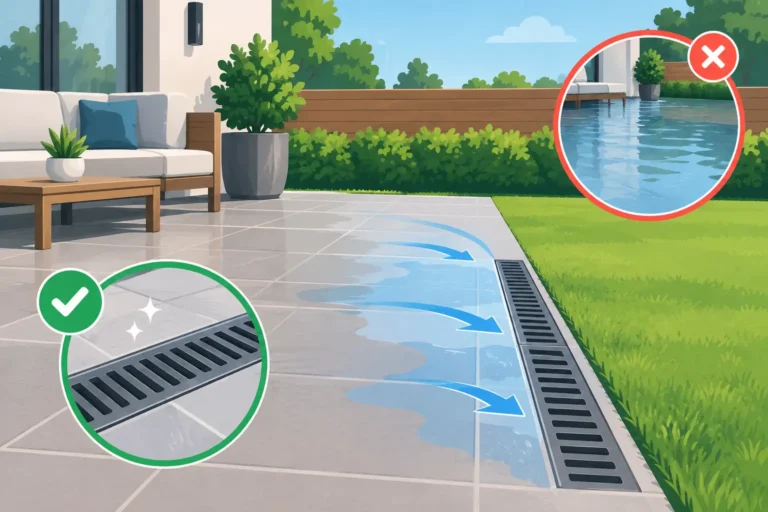
Exterior plumbing components deserve attention too. Florida humidity and heavy rain can keep certain areas damp, while blocked storm drains can leave standing water near foundations, patios, and driveways. Those conditions do not directly prove a pipe is corroding, but moisture problems around the property should not be ignored.
Why an Accurate Diagnosis Matters
Pipe corrosion and a standard drain clog can cause similar symptoms, especially when water is slow to move through an older plumbing system. That does not mean every slow drain requires pipe replacement. In many cases, professional drain cleaning or high-pressure jetting can remove heavy buildup and restore flow. In other cases, cleaning reveals that the pipe itself is cracked, severely scaled, or too deteriorated for a lasting repair.
The difference is what you can see inside the line. A camera inspection helps identify the actual condition of drain piping before anyone recommends more work. It also creates a clearer conversation about your options. You can see where the problem is, understand what is causing it, and decide on the next step with useful information instead of a vague diagnosis.
For supply-pipe concerns such as discolored water, reduced pressure, or a suspected hidden leak, the right professional may use additional testing to locate the issue. The goal is still the same: find the source first, then repair what needs repair without piling unnecessary work onto the job.
What to Do When You Notice a Warning Sign
Do not wait for a small symptom to become a full backup or a leak behind the wall. Take note of where the problem occurs, how often it happens, and whether it affects one fixture or several. Avoid repeated chemical cleaner use, particularly if the drain is slow but not fully blocked. Those products may provide a short-term change while exposing aging pipes to harsh chemicals.
If you have recurring drain trouble, USA Drain Cleaning can inspect the line with a camera, explain what the footage shows in plain language, and clean the blockage when cleaning is the right answer. If the inspection points to pipe damage or corrosion beyond drain service, you will have a clearer picture to take to the appropriate repair professional.
A little attention now can protect your home from the kind of plumbing surprise that never arrives at a convenient time. When a drain keeps acting up or a pipe shows visible wear, get a clear answer before the problem has a chance to spread.