Unclogging Bathroom Drains Without Making It Worse
A bathroom sink that takes longer to empty each week is usually giving you a warning before it becomes a full backup. Unclogging bathroom drains can be straightforward when the blockage is close to the drain opening, but the wrong fix can push debris deeper, damage pipes, or hide a larger problem.
For homeowners in Eustis, Mount Dora, Tavares, Leesburg, and Lady Lake, the goal is not just to get water moving for the afternoon. It is to identify whether you have a simple hair clog, buildup inside the pipe, or a drainage issue that needs professional attention. No guessing. No unnecessary work.
What Usually Clogs a Bathroom Drain?
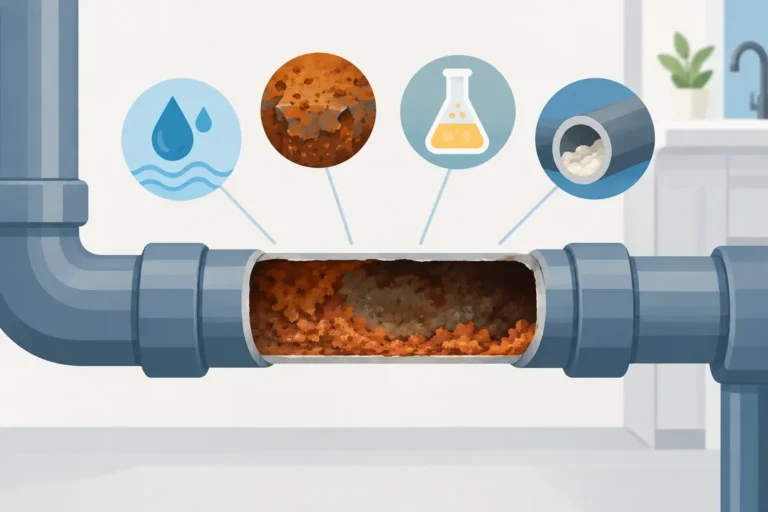
Bathroom drains handle more than water. In sink drains, toothpaste, soap residue, shaving cream, cosmetics, and hair collect along the pipe walls. These materials can form a sticky coating that traps even more debris over time. A sink may still drain, but slower than it should.
Shower and tub drains commonly clog with hair mixed with soap and body oils. That combination can create a dense mat around the stopper or just below it. In homes with several people using the same bathroom, a shower drain can go from slow to stopped surprisingly quickly.
A toilet clog is different. Toilets are designed for waste and toilet paper only. Flushing wipes, cotton swabs, dental floss, paper towels, feminine hygiene products, or small objects can lodge in the trap or farther down the line. Even products labeled “flushable” do not always break down well enough to move through a residential plumbing system.
If multiple bathroom fixtures are draining slowly, gurgling, or backing up at the same time, the trouble may be beyond one fixture. That calls for a closer look at the branch line or main sewer line.
Start With a Safe Check Before Unclogging Bathroom Drains
Before reaching for a product or tool, look at what you can safely see. Remove hair from the sink or tub stopper, and check whether visible debris is sitting at the drain opening. Put on gloves and have a small container or trash bag nearby. This simple step often improves drainage without putting anything into the pipes.
For a bathroom sink, lift out the stopper if it is designed to be removed. Hair and residue frequently collect on the stopper rod. In a tub or shower, remove the drain cover if you can do so without forcing it. Pull out reachable hair with a plastic drain-cleaning strip or a small hooked tool made for drains.
Do not use a wire coat hanger. It can scratch the fixture, damage the drain opening, or break off inside the pipe. It also tends to poke a hole through a clog rather than remove it.
After clearing visible debris, run hot tap water for a minute or two. The water should be hot but not boiling. Boiling water can be a poor choice for some fixtures, seals, and plastic piping. If the drain now runs normally, you may have solved a surface-level blockage. If it improves only briefly, buildup is likely still inside the line.
Use a Plunger the Right Way
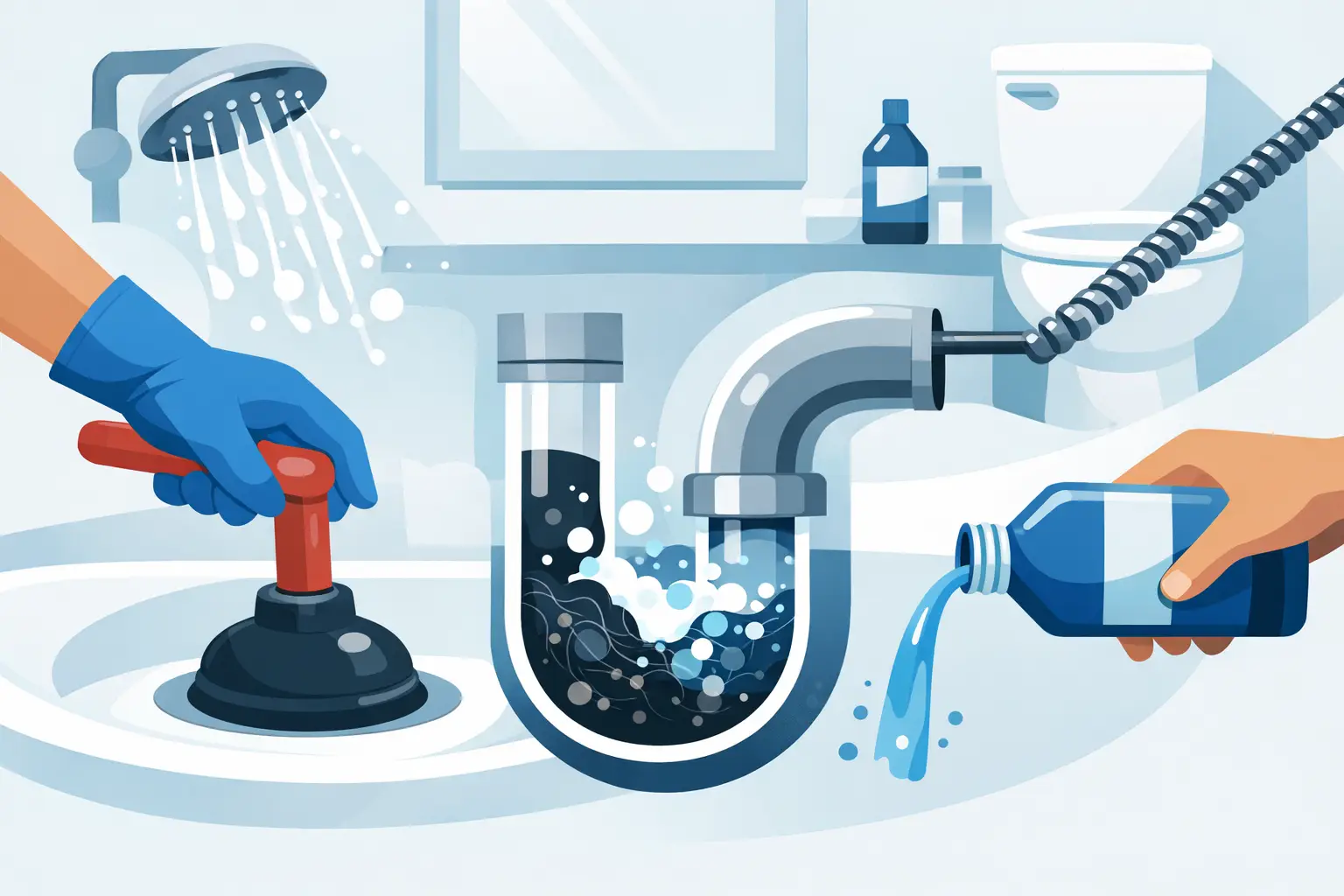
A plunger can work well on a sink, tub, or toilet, but each fixture needs the right approach. For a sink, cover the overflow opening with a wet cloth before plunging. Without that seal, pressure escapes through the overflow instead of working on the clog.
Add enough water to cover the plunger cup, then use several firm, controlled strokes. Check the drain after each round. Avoid aggressive plunging if you have already poured chemical drain cleaner into the fixture. Splashes from those products can cause burns.
For toilets, use a flange plunger rather than a flat sink plunger. If the bowl is close to overflowing, do not keep flushing. Shut off the water supply valve behind the toilet if necessary, wait for the water level to drop, and then plunge carefully.
Why Chemical Drain Cleaners Can Create More Problems
Chemical drain cleaners are tempting because they promise a quick result. Sometimes they clear a light clog, but they do not tell you what caused it or whether the pipe is fully open. A partial opening may let water pass for a few days, only for the same drain to clog again.
The larger concern is safety. Strong chemical cleaners can sit in a blocked pipe, create heat, damage older plumbing components, and leave hazardous liquid behind for anyone who later opens the drain or removes the trap. Mixing products, including combining a cleaner with bleach or another household chemical, can create dangerous fumes.
If you have already used a chemical cleaner and the drain remains blocked, tell the drain technician before work begins. That information helps protect everyone working around the fixture. Do not add a second product in hopes of making the first one work better.
When a Simple Clog Is Not So Simple
Recurring clogs are one of the clearest signs that a quick fix is not reaching the real issue. You may pull hair from the drain, use a plunger, and see improvement, yet the slow drainage returns every month. That pattern often points to buildup farther down the pipe, not just debris at the stopper.
Watch for these signs that it is time to stop experimenting and have the line checked:
- Water backs up into the tub or shower when a nearby sink is running.
- Drains make gurgling sounds or release persistent sewer-like odors.
- Several fixtures slow down at once, especially bathrooms on the same side of the house.
- A toilet clogs repeatedly despite normal use and careful plunging.
- You see dirty water coming up through a tub, shower, or floor drain.
A single slow sink may be a small, local clog. Multiple symptoms usually mean the problem is farther along the drainage system. Waiting can turn an inconvenient slow drain into a messy backup inside the home.
The Value of Seeing What Is Inside the Pipe
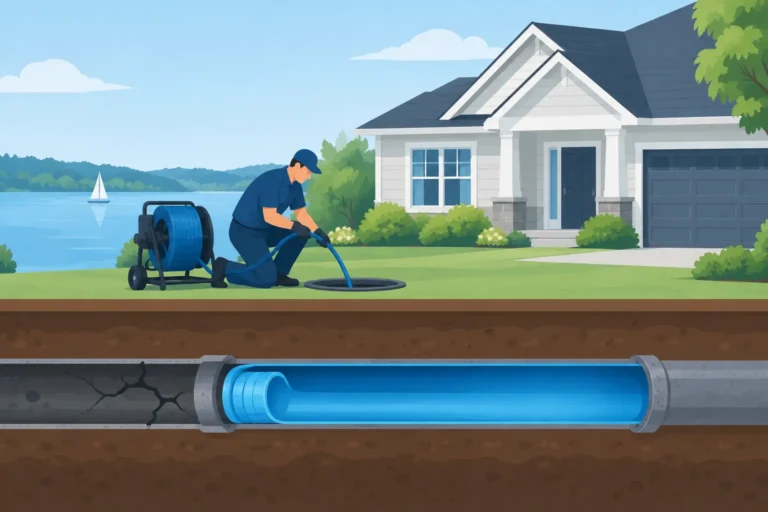
When a clog keeps returning, clearing it without diagnosing the line can be a temporary fix. A video camera inspection allows a technician to see the inside condition of the pipe and identify what is actually restricting flow. The issue may be heavy buildup, an object caught in the line, a damaged section of pipe, or root intrusion farther out in the sewer line.
That matters because the right solution depends on the cause. A professional cable machine may remove a localized clog. High-pressure jetting can clean stubborn buildup from pipe walls when the line condition supports it. If the camera shows damage or roots, repeated surface-level cleaning will not correct the underlying issue.
For Lake County homeowners, a clear explanation is part of the service. USA Drain Cleaning uses camera findings to show what is going on, explain the available options in plain language, and recommend only the work the drain needs. You should know why a drain is clogging before approving a larger repair.
Prevent the Next Bathroom Drain Clog
Good drain habits will not prevent every plumbing issue, but they can reduce the common clogs caused by daily use. Use a hair catcher in showers and tubs, and clean it regularly instead of waiting until water starts pooling around your feet. Keep toothbrush heads, floss, cotton swabs, and small grooming items away from open drains.
At the sink, wipe heavy makeup, lotions, and shaving residue into the trash when possible. Run water after brushing teeth or shaving so residue does not settle immediately inside the drain. For toilets, keep the rule simple: only toilet paper and human waste belong there.
If your household has long hair, frequent guests, or children who use a bathroom heavily, plan to clean the stopper and hair catcher on a routine schedule. A few minutes of maintenance can prevent a weekend clog, but routine cleaning does not replace service when the drain is already slow or repeatedly backing up.
A bathroom drain should empty quickly and quietly. If yours does not, handle the visible debris safely, avoid harsh chemical guesswork, and pay attention to recurring symptoms. Getting the real cause identified early is usually cleaner, less stressful, and less expensive than waiting for wastewater to come back into the bathroom.