Outdoor Flooding Causes Around Your Florida Home
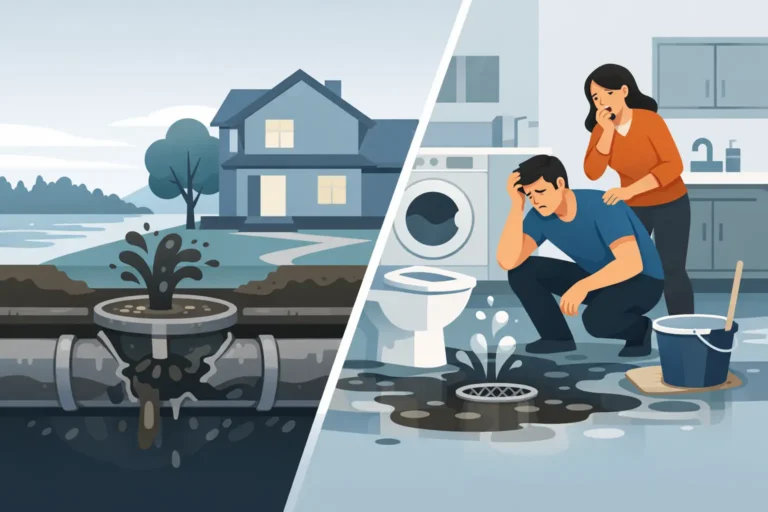
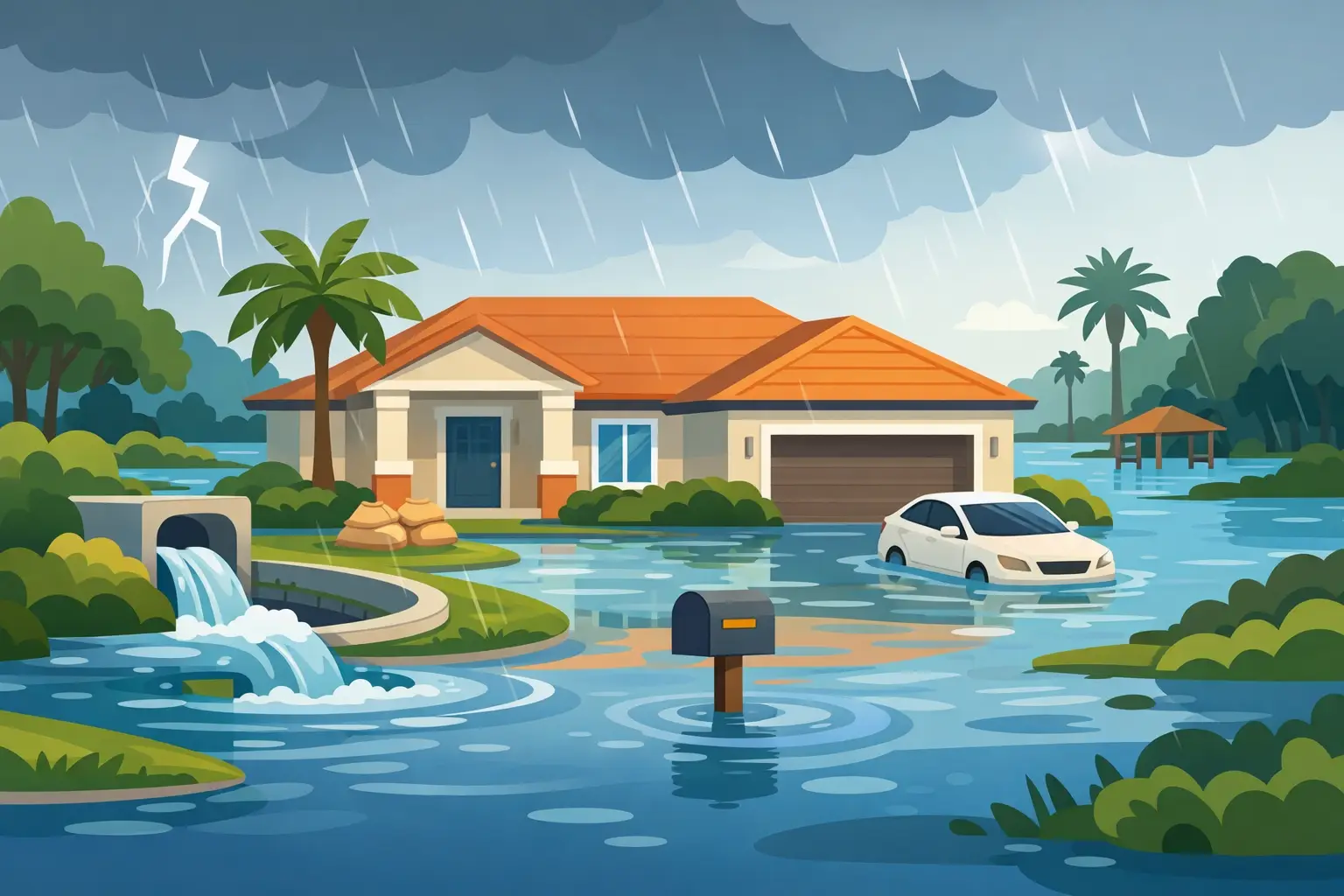
Water climbing across a driveway after a hard Lake County rain is more than a yard problem. It can enter a garage, soften the ground near a foundation, wash mulch into drains, and leave mosquitoes behind. Understanding outdoor flooding causes helps you tell the difference between a one-time downpour and a drainage problem that needs attention before the next storm.
Florida rain can arrive fast and fall hard. A drainage system that seems fine during normal weather may fail when leaves, sand, pine needles, roof runoff, and years of buildup reduce the space water has to move. The good news is that most exterior flooding has recognizable warning signs, and finding the real cause is better than repeatedly pushing water away after every storm.
The Most Common Outdoor Flooding Causes
Blocked storm drains and catch basins
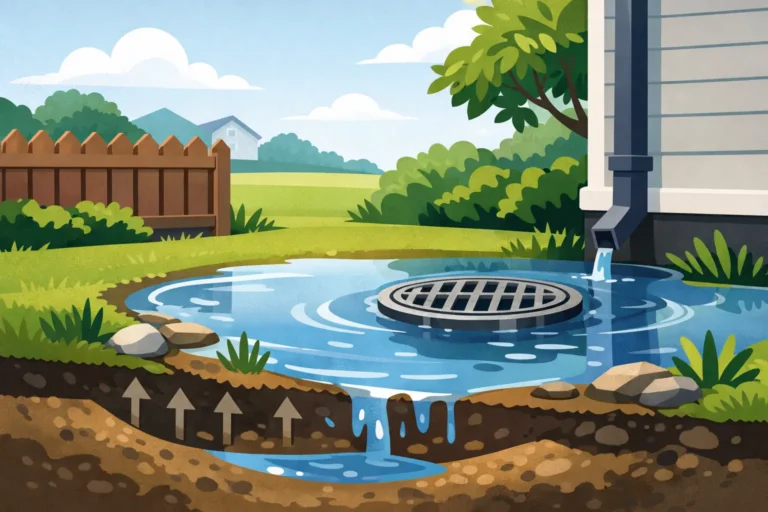
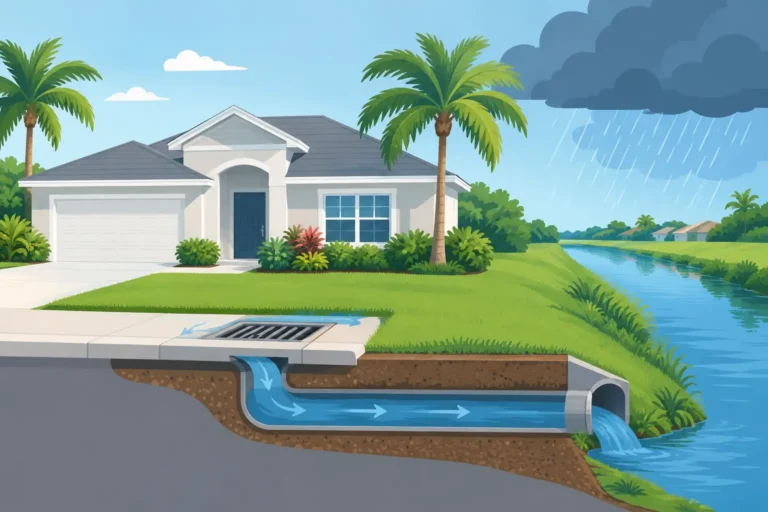
A storm drain, yard drain, or catch basin is meant to collect surface water and carry it away from low areas around your home. When the grate is covered by leaves or mulch, water may pool right over it. When the pipe below the grate is clogged with mud, roots, debris, or compacted organic material, the drain can look clear from the surface while doing very little.
This is a common issue near driveways, patios, pool decks, and low spots in landscaped yards. You may notice water standing near the drain long after rain stops, a drain that bubbles during a storm, or water backing out of the grate instead of flowing in. Clearing visible debris can help, but it will not remove a blockage farther down the line.
A professional camera inspection can show whether the pipe is blocked, crushed, separated, invaded by roots, or simply holding heavy buildup. No guessing. No unnecessary work.
Poor yard grading
Water follows the lowest available path. If the ground slopes toward your house, garage, patio, or driveway, even an open storm drain may not collect water quickly enough. Grading problems can develop gradually as soil settles, landscaping changes, edging is installed, or new mulch beds raise the level of the yard.
Look for repeated puddling in the same area, erosion channels after rain, or water collecting against the foundation. A properly graded yard should generally guide water away from the home and toward an appropriate drainage area. The right correction depends on the layout of the property. In some cases, adding or improving a drain is appropriate. In others, the ground itself needs to be reshaped so water reaches the drain rather than bypassing it.
Do not assume every wet area means your entire yard needs major work. A localized low spot can sometimes be the issue. The key is observing where the water begins, where it travels, and where it finally stops.
Roof runoff with nowhere to go
Your roof sheds a surprising amount of water during a Florida storm. Gutters and downspouts concentrate that water into a few exit points, which is useful only if those points discharge far enough from the home and into an area that can handle the flow.
A clogged gutter can spill water directly beside the foundation. A short downspout can dump a strong stream onto a walkway or flower bed, creating erosion and pooling. Even a clean gutter system can contribute to flooding if the discharge area is flat, compacted, or already saturated.
Check downspouts during a moderate rain, not just on a dry day. If water pours over gutter edges, shoots backward from a downspout, or creates a trench in the soil, the runoff path needs attention. Keep roof runoff separate from any sanitary sewer or plumbing drain. Exterior stormwater belongs in a properly designed drainage route, not in the home’s wastewater system.
Clogged or damaged underground drain pipes
Many homes have buried pipes that move water from yard drains, downspouts, or driveway channels toward a swale, ditch, retention area, or approved discharge point. Because the pipe is underground, problems can continue for months before they become obvious.
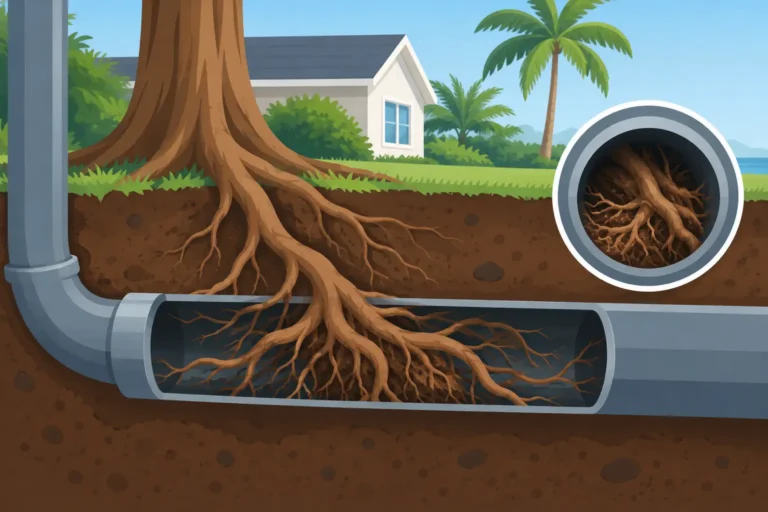
Roots may enter through small joints and grow inside the line. Soil can wash into a damaged section. Old pipe can crack, sag, or separate, leaving a low area where sediment collects. In some cases, construction debris or landscaping material was left in the pipe years earlier and gradually became a full blockage.
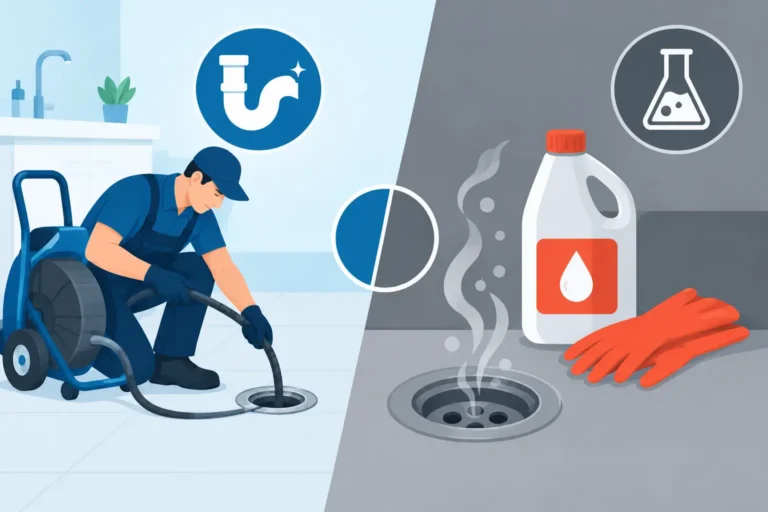
The symptom is often recurring: the same drain overflows in nearly every heavy rain, even after the grate has been cleaned. High-pressure jetting may remove sludge, roots, and debris, while a camera inspection helps confirm whether the pipe is structurally sound afterward. Cleaning is a durable solution when buildup is the problem. If a pipe is broken or improperly sloped, cleaning alone may not solve it.
Driveway and patio drainage failures
Channel drains at the bottom of a sloped driveway and drains around patios are easy to overlook until water heads toward the garage or back door. Their narrow grates catch sand, grass clippings, mulch, and leaves. The connected pipe can also clog, especially if it receives runoff from a large paved area.
When a channel drain fails, water may sheet across the concrete instead of entering the drain. It can seep under garage doors, run toward a pool deck, or carry debris into landscaping. Since paved surfaces do not absorb water, even a small blockage can create a fast-moving problem.
Remove surface debris regularly, but pay attention to how the drain performs. If it repeatedly fills or drains slowly despite a clean grate, the line needs to be inspected below ground. Avoid forcing tools into a drain pipe without knowing its condition. Older or damaged pipe can be made worse by aggressive DIY attempts.
Soil compaction and landscape changes
Healthy soil absorbs some rainfall, but compacted soil sheds water like pavement. Heavy foot traffic, parked vehicles, construction activity, and certain landscaping projects can compress the ground and reduce its ability to take in water. Thick thatch, dense clay pockets, and ground covered with hardscape can contribute as well.
Landscape changes can also accidentally block drainage routes. A new garden border may act like a small dam. Fresh mulch can wash toward a grate. Decorative stone, sod, or a raised planting bed can redirect runoff toward the home. These changes may look minor during dry weather but become clear during the first major storm.
If flooding began after a landscaping project, compare the current water path with the original layout. The solution may be as simple as reopening a drainage swale or moving material away from a catch basin. It may also reveal that a buried drain was covered, damaged, or disconnected during the work.
When Outdoor Flooding May Point to a Plumbing Problem
Not all water outside is stormwater. If water appears around a cleanout, near an exterior plumbing connection, or in the yard during dry weather, treat it differently. A sewer line backup, leaking water line, or failed drain connection may be involved.
Watch for foul odors, unusually green or soggy patches, gurgling fixtures inside the home, toilets that bubble, or water appearing when appliances drain. Those signs call for a prompt diagnosis. Running a hose into an outdoor drain to test it is one thing. Releasing wastewater or assuming a sewer backup is just rainwater can create a bigger problem.
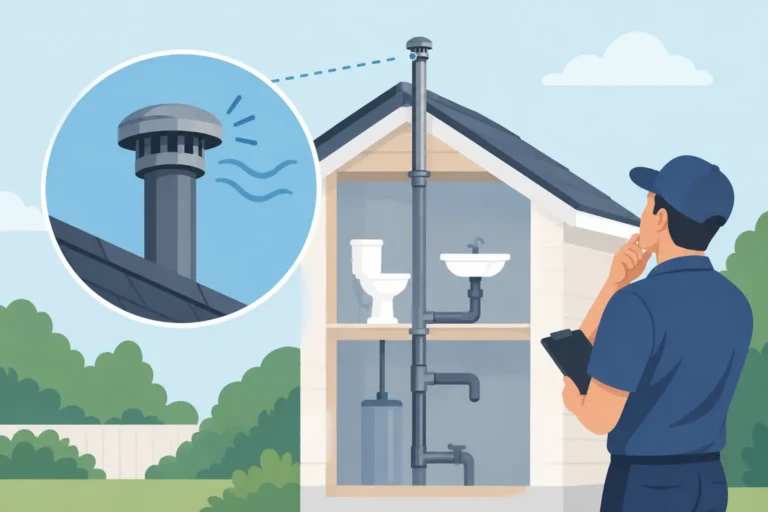
A camera inspection is especially useful when symptoms overlap. It can help determine whether the issue is in a storm drainage line, a main sewer line, or another buried pipe. That distinction matters because the repair approach, urgency, and responsible system are not the same.
What Homeowners Can Do Before the Next Storm
Start with the simple, visible checks. Keep storm drain grates, driveway channels, gutters, and downspout outlets free of leaves, mulch, and lawn debris. Make sure yard drains are not buried beneath landscape fabric, stones, or overgrown plants. After rain, take photos of where water pools and note how long it remains there. That information makes the source easier to identify.
Do not use chemical drain cleaners in exterior drainage pipes. They are not designed to remove roots, mud, or heavy storm debris, and they can create safety concerns without restoring flow. A shop vacuum may remove loose debris at a grate, but it will not correct a collapsed pipe, a root-filled line, or poor grading.
If water is approaching the house, garage, or electrical equipment, focus first on safety. Keep people and pets away from standing water of unknown origin, especially if it may contain wastewater or be near electrical outlets. Move valuables from low areas if it is safe to do so, and arrange for professional help when the immediate storm conditions allow.
Get a Clear Answer Before Water Becomes Damage
Recurring outdoor flooding is rarely something to ignore in Central Florida. The longer a blocked drain or bad water path remains in place, the more likely it is to cause erosion, foundation moisture, damaged landscaping, and water intrusion where it does not belong.
USA Drain Cleaning helps Lake County homeowners identify what is actually happening below the surface. With camera inspections and professional drain cleaning, the goal is straightforward: find the blockage or pipe condition, explain it plainly, and address the problem without unnecessary work. A clear diagnosis now can make the next hard rain far less stressful.