When a Drain Inspection Finds the Real Problem
A drain that clogs once may be a simple nuisance. A drain that slows down again two weeks after being cleared is telling you something else is going on. A professional drain inspection takes the guesswork out of recurring plumbing problems by showing what is actually inside the pipe – buildup, a damaged section, tree roots, a shifted joint, or a blockage farther down the line.
For homeowners in Eustis, Mount Dora, Tavares, Leesburg, and Lady Lake, that clarity matters. You should not have to keep paying for temporary drain clearing without knowing why the problem returns. No guessing. No unnecessary work. The goal is to identify the condition of the line, explain what is found in plain language, and recommend the work that fits the problem.
What Happens During a Drain Inspection?
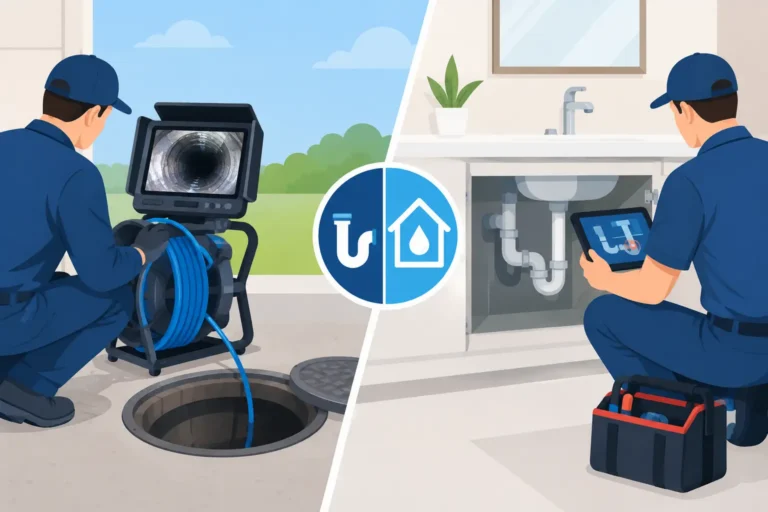
Most professional drain inspections use a small waterproof video camera attached to a flexible cable. The technician feeds the camera through an accessible drain opening, cleanout, or sewer line entry point. A live video feed shows the inside of the pipe as the camera moves through it.
This is not the same as simply running a cable through a clog. A cable may restore flow by punching through a blockage, but it cannot tell you whether grease is coating the pipe walls, roots are entering through a joint, or a section of pipe has cracked or collapsed. The camera provides a visual answer.
During the inspection, the technician looks at the pipe’s interior, checks where water is holding or moving slowly, and identifies the location and type of obstruction. If there is a problem, you should be shown the findings and given a clear explanation of what they mean for your home. Some issues need cleaning. Others may need repair. A good inspection helps separate those two situations.
Signs You May Need a Drain Inspection
A slow sink alone does not always require a camera. Hair, soap residue, or food debris close to the fixture can often be removed with professional drain cleaning. But certain patterns point to a deeper issue that should be investigated before more money is spent on repeat service calls.
Consider a drain inspection when you notice:
- Clogs that return after plunging, snaking, or using store-bought drain products
- Several fixtures draining slowly or gurgling at the same time
- Water backing up in a tub or shower when a toilet is flushed or a washing machine drains
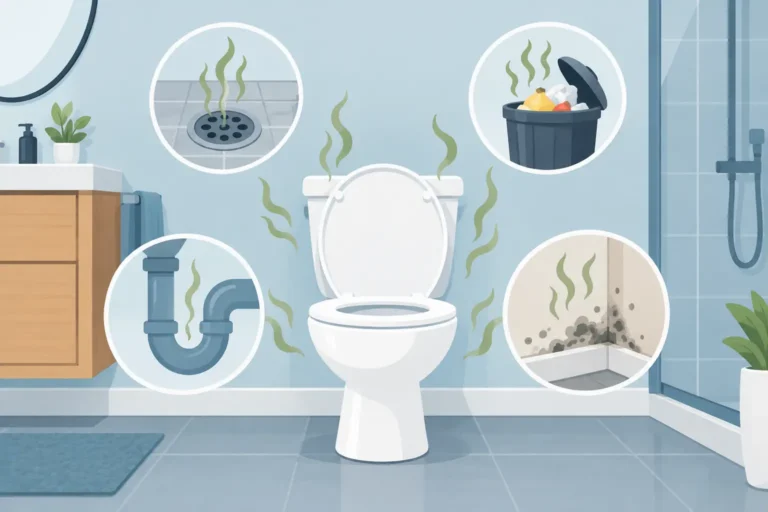
- Sewage odors, wet areas in the yard, or unexplained water near an exterior drain
- Standing water around a storm drain after rain has stopped
The more than one fixture is involved, the more likely the problem is in a shared branch line or the main line. Gurgling is also worth taking seriously. It can happen when trapped air is being forced back through a fixture because water cannot move freely through the pipe.
A backup is more urgent. If wastewater is coming up through a shower, tub, or floor drain, avoid running more water until the line is checked. Continued use can add to the overflow and create a harder cleanup problem.
What a Camera Can Find Inside Your Pipes
The cause of a blocked drain is not always obvious from the fixture where symptoms appear. A kitchen sink may be slow because of grease buildup several feet away. A toilet backup can begin with roots entering the main sewer line outside the house. A camera inspection helps pinpoint the source rather than treating the visible symptom.
Pipe Buildup and Heavy Residue
Grease, soap, minerals, food particles, and paper products can gradually reduce the open space inside a pipe. Water may still pass through for a while, but it moves more slowly and catches debris more easily. This is one reason a drain can seem fine one day and clog the next.
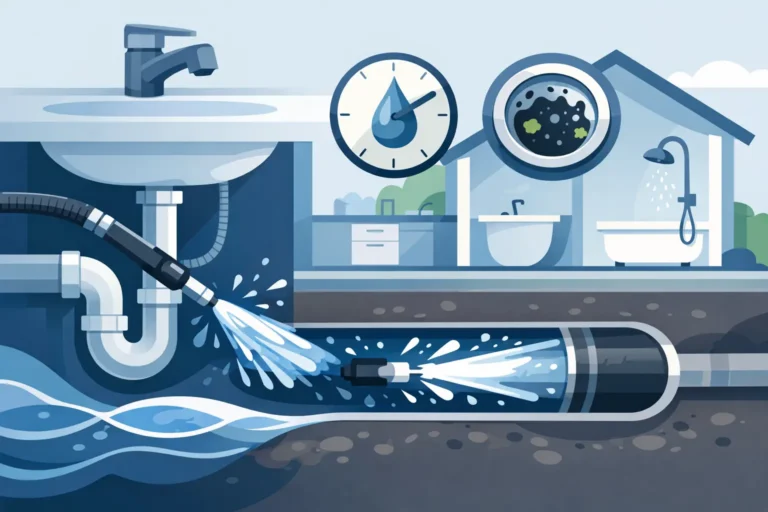
When buildup is the issue, professional-grade cleaning may be the right solution. High-pressure jetting can remove material from the pipe walls more thoroughly than a basic surface-level clearing. The right method depends on the pipe material, its condition, and the kind of blockage found.
Tree Root Intrusion
Tree roots naturally seek moisture. Small roots can work their way into tiny openings at pipe joints or cracks, then continue growing inside the line. Once roots catch toilet paper and other debris, backups often become more frequent.
Root removal can restore flow, but it is important to understand the condition of the pipe afterward. If the camera shows damaged joints or a compromised section, repeated root cutting may only be a short-term answer. The inspection makes that trade-off visible before you decide what to do next.
Cracked, Offset, or Collapsed Pipe Sections
Older lines, shifting soil, and previous repairs can leave a pipe misaligned or damaged. An offset joint creates a lip that catches debris. A belly, or low section in the line, can hold water and waste. A collapse can stop flow almost completely.
These conditions cannot be corrected by drain cleaning alone, although cleaning may be needed first to make the line usable and allow the camera to see clearly. If repair is recommended, you should know exactly where the issue is and why cleaning will not provide a lasting fix.
Foreign Objects and Flushable Product Problems
Many items labeled flushable do not break down like toilet paper. Wipes, hygiene products, paper towels, and small objects can lodge in bends or snag on buildup. In homes with young children, cameras sometimes reveal items that would be impossible to identify from the surface.
The solution may be straightforward once the object is located. The important part is avoiding repeated attempts that push the material farther into the system or damage the pipe.
Drain Inspection for Exterior and Storm Drains
Florida rain can turn a blocked exterior drain into a yard or driveway problem quickly. If water pools near a storm drain, patio drain, downspout connection, or driveway channel, leaves and soil may be part of the blockage. But buried drain lines can also have crushed sections, root intrusion, or separated connections.
A camera inspection helps determine whether the obstruction is near the grate or farther along the drainage path. That distinction matters because clearing leaves at the surface will not solve a damaged underground line. For Lake County homeowners, checking exterior drainage before the heaviest rain is often easier than dealing with standing water after a storm.
Why Chemical Drain Cleaners Can Make the Problem Harder to Diagnose
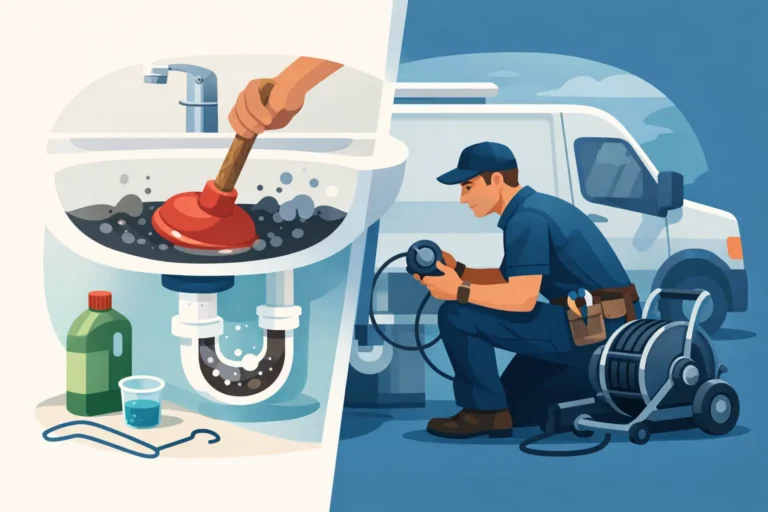
Chemical cleaners are tempting when water is not moving. They are easy to buy and promise a quick fix. The problem is that they often do little against roots, foreign objects, heavy grease, or a damaged pipe. They can also sit in a blocked line, create fumes, and expose anyone working on the drain afterward to harsh chemicals.
A plunger is reasonable for a minor, one-time clog. Chemical products are a less reliable choice when the issue keeps returning. If a drain has already been cleared and the same symptoms come back, a camera inspection is usually a better use of your time and budget than another round of chemicals.
What to Expect From a Straightforward Recommendation
The best result of a drain inspection is not always a major repair. Sometimes the camera confirms that the pipe is structurally sound and simply needs a thorough cleaning. That is useful information. It means you can address the actual buildup without paying for work the line does not need.
Other times, the inspection shows a condition that cleaning cannot permanently correct. In that case, the recommendation should explain the issue, the available options, and what may happen if it is left alone. Homeowners deserve a quote based on what is visible in the line, not an assumption.
USA Drain Cleaning approaches inspections this way: identify the issue, show you what was found, explain the practical next step, and keep the work area clean. A camera is a diagnostic tool, not a reason to sell unnecessary repairs.
When a drain keeps demanding attention, the most helpful next step is often to stop treating the symptom. Seeing inside the line gives you a solid place to make a decision – whether that means cleaning, repair, or simply the confidence that the problem has been handled correctly.