8 Warning Signs Pipe Buildup Is Blocking Drains
A shower that takes longer to drain may seem like a small annoyance. But when that slow drain is joined by sink odors, gurgling toilets, or clogs that keep returning, it may be one of the warning signs pipe buildup is narrowing the inside of your drain line. The sooner you identify the pattern, the better chance you have of clearing the line before wastewater backs up into the home.
Pipe buildup rarely appears overnight. It develops gradually as soap residue, grease, hair, food particles, paper products, mineral scale, and other material stick to pipe walls. Each use adds another layer. Eventually, water can no longer move through the line as freely as it should.
What Pipe Buildup Looks Like Inside a Drain Line
Many homeowners picture a clog as one solid object caught in a pipe. That does happen, especially when wipes, excessive toilet paper, or foreign objects enter the drain. Buildup is different. It is often a thick coating that reduces the usable opening inside the pipe.
In kitchen lines, grease and food waste are frequent contributors. Grease may go down warm and liquid, then cool and cling to the pipe farther along. Bathroom lines commonly collect hair, soap scum, toothpaste residue, and skin oils. Main sewer lines can collect material from every fixture in the house, which is why symptoms there tend to affect more than one drain.
A plunger or store-bought drain product may create a little temporary movement, but it often does not remove the material lining the pipe. The drain may appear fixed for a few days or weeks, then slow down again because the underlying restriction remains.
8 Warning Signs of Pipe Buildup
1. Drains are getting slower, not suddenly clogged
A gradual change is one of the clearest signs of buildup. You may notice the tub holding water around your feet, the bathroom sink taking longer to empty, or the kitchen sink draining slowly after washing dishes. A sudden, complete blockage can be caused by a single obstruction. A drain that has been slowing down over months often points to material accumulating inside the line.
One slow fixture may mean the issue is limited to that fixture’s branch line. Multiple slow fixtures deserve more attention, especially if they are on the same side of the home or located near one another.
2. The same drain clogs again and again
A recurring clog is not a normal maintenance issue when it keeps returning after you have cleared it. It usually means the obstruction was pushed through temporarily, only part of the buildup was removed, or there is a larger problem deeper in the line.
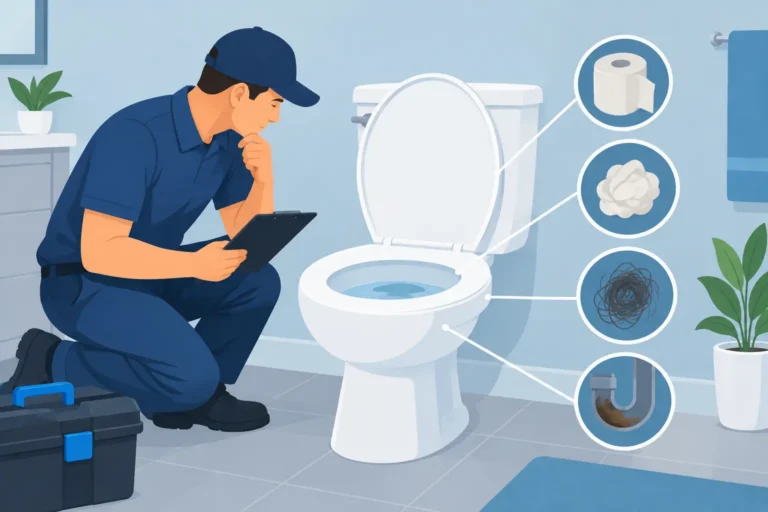
For example, a kitchen sink that backs up every few weeks may have grease buildup beyond the trap. A toilet that repeatedly needs plunging may be dealing with a restricted drain line, not just an occasional paper clog. Repeated symptoms are a good reason to stop guessing and find out what is actually in the pipe.
3. You smell drain odors near sinks, tubs, or showers
Persistent drain odors can happen when decomposing material is trapped in the line. Grease, food residue, hair, and soap buildup give bacteria a place to collect, and the smell can travel back through the drain opening.
A dry drain trap can also create an odor, particularly in an infrequently used bathroom. Running water in that fixture may solve the problem. But if the odor returns quickly or comes with slow drainage, pipe buildup is a more likely concern.
4. Your toilet gurgles when another fixture drains
Gurgling is your plumbing system telling you that air is struggling to move properly. When water passes through a narrowed drain line, it can pull or push air in unusual ways. You may hear bubbling from the toilet when the washing machine empties, or hear a sink gurgle after someone showers.
This does not always mean a main-line blockage, but it should not be ignored. Gurgling can be an early sign that a restriction is forming farther down the system.
5. Water backs up in a lower fixture
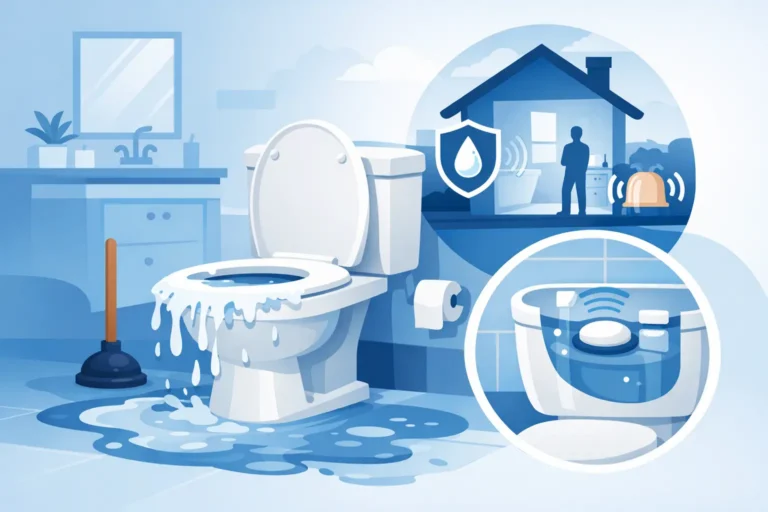
If running the washing machine causes water to rise in a nearby shower or tub, the drain line is likely restricted downstream from both fixtures. Water follows the easiest available path. When the pipe cannot carry the flow away, it may come up through the lowest opening.
This is more urgent than a single slow sink. Stop using water-heavy appliances until the line is checked. Continued use can turn a manageable cleaning job into a messy indoor backup.
6. Plunging works, but only for a short time
A plunger can be useful for a minor, localized clog. It is not designed to strip grease, scale, or heavy debris from the length of a pipe. If you need to plunge the same toilet or sink regularly, you are treating the symptom rather than the cause.
Be careful with repeated chemical drain cleaners as well. They may not reach or dissolve the full restriction, and harsh products can create safety concerns for anyone working on the line later. They are especially unhelpful when the real issue is a heavy coating, root intrusion, or a damaged pipe.
7. Several fixtures have problems at once
When a kitchen sink, bathroom sink, tub, and toilet all show drainage problems, the issue may be in a shared line or the main sewer line. This is one of the warning signs pipe buildup has moved beyond a simple fixture-level clog.
The exact pattern matters. A slow bathroom sink and shower may share a branch line. A toilet that gurgles while the kitchen sink drains may point farther downstream. A professional inspection can trace the problem without unnecessary work inside your home.
8. You see wastewater at a cleanout or outside drain area
A sewer cleanout is an access point to the drain line, often located outside the home. If wastewater appears around it, or if you notice soggy ground and unusual sewer odors near the line, contact a drain professional promptly. Do not open a cleanout cap if you suspect a backup, since pressurized wastewater can spill out.
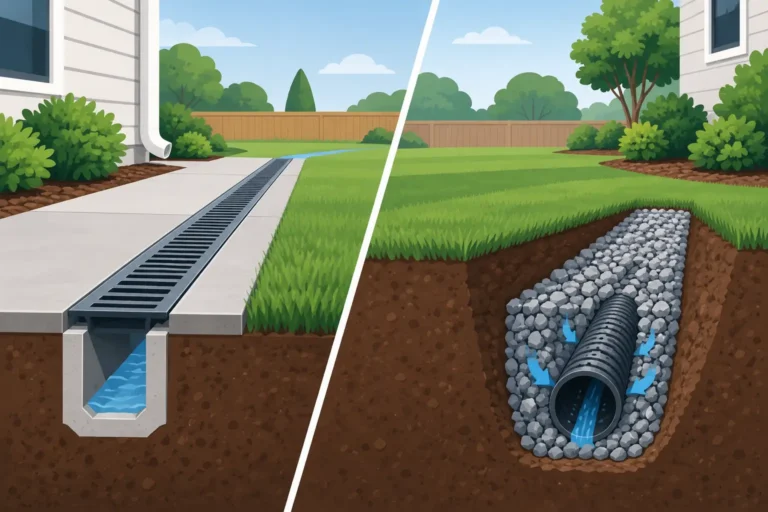
Exterior standing water after heavy rain can be a separate storm drainage problem rather than indoor pipe buildup. Still, it needs attention. In Lake County, a blocked yard or driveway drain can leave water with nowhere to go during a strong Florida downpour.
Why the Right Diagnosis Matters
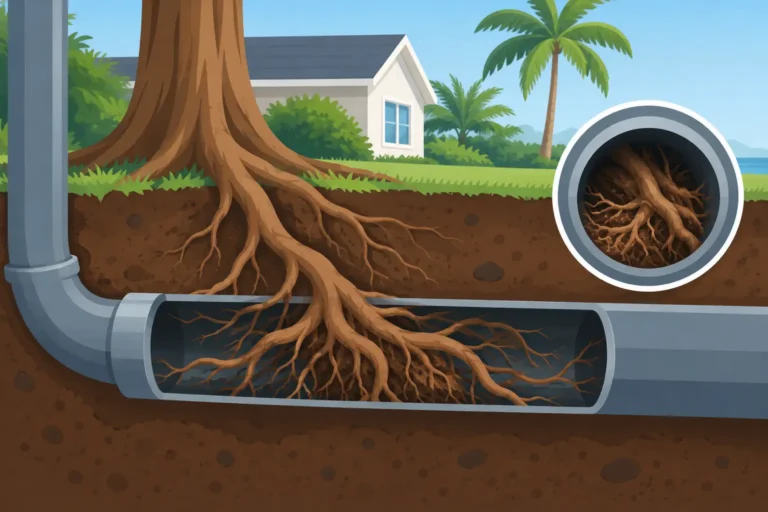
Pipe buildup can look similar to other drainage issues. Tree roots can enter a sewer line through cracks or joints. A pipe may have a low spot where debris settles. Older lines can be damaged, shifted, or partially collapsed. A foreign object may be caught in the line. Each problem calls for a different solution.
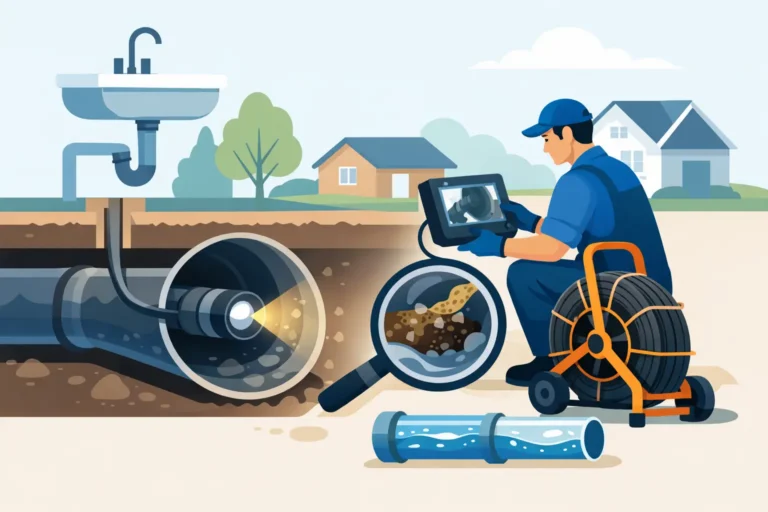
That is why a camera inspection is often the sensible next step when clogs recur or several fixtures are involved. A technician can see the pipe condition, locate the restriction, and explain what is causing the trouble in plain language. No guessing. No unnecessary work.
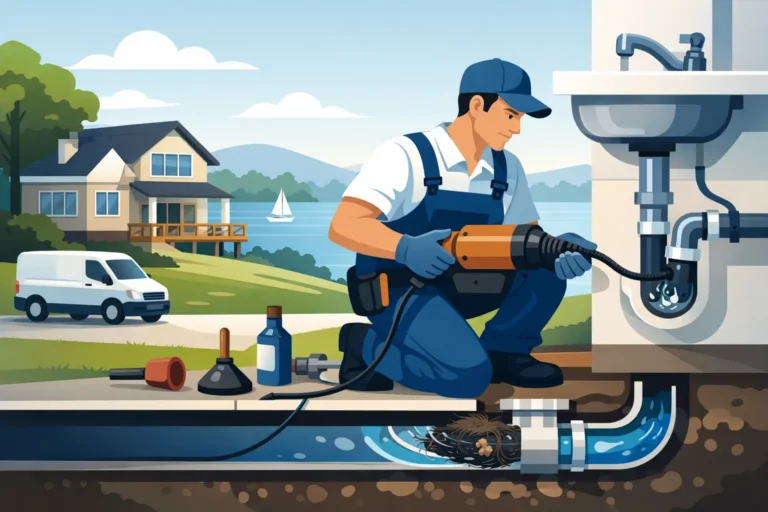
If the camera shows grease, scale, or accumulated debris, professional high-pressure jetting may be the right approach. It is designed to clean the pipe wall and flush loosened material out of the line, rather than simply punching a small opening through the blockage. If the camera shows root damage or a broken section of pipe, cleaning alone may not deliver a lasting result. Knowing that before work begins helps protect your budget.
What You Can Do Before a Drain Problem Gets Worse
A few habits can slow buildup, although no home is completely immune to it. Keep cooking grease out of the kitchen sink, use strainers to catch food scraps and hair, and flush only toilet paper and human waste. Avoid treating the garbage disposal as a catch-all for fibrous foods, coffee grounds, or large amounts of food waste.
Pay attention to changes instead of waiting for a full backup. If one drain starts slowing, addressing it early is usually easier than waiting until the entire line is restricted. For homes with a history of recurring clogs, a planned drain cleaning can be less disruptive than an emergency call after hours of water use.
When your drains are sending repeated signals, a clear diagnosis is worth more than another temporary fix. USA Drain Cleaning can inspect the line, show you what is happening, and recommend work based on the actual condition of your pipes. A clean, freely flowing drain line gives you one less thing to worry about when the next busy morning or heavy rain arrives.