How to Clear Bathtub Clogs Without Damaging Pipes
A bathtub that drains slowly can turn a normal shower into a few inches of murky standing water. The good news is that many homeowner clogs are close to the drain opening. Knowing how to clear bathtub clogs safely can save time and help you avoid damaging pipes, seals, or finishes with the wrong tool or chemical.
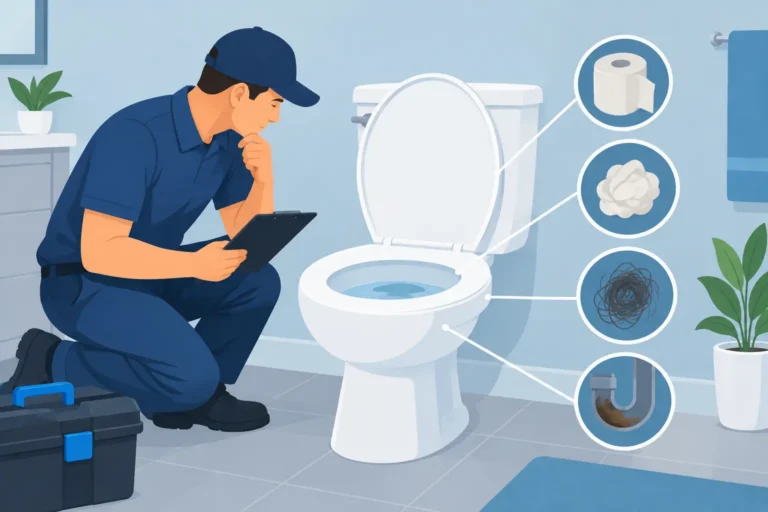
Most tub clogs are caused by a mix of hair, soap residue, body oils, and shampoo products. In Lake County homes, the issue can also be made worse by mineral buildup or an older drain line with rough interior walls that catch debris. Start with the simplest method, pay attention to how the tub responds, and stop if the symptoms point to a blockage farther down the line.
Start by Checking the Stopper and Drain Opening
Before reaching for a drain cleaner, remove any visible hair and buildup around the stopper. This is often the fastest fix, especially if the tub has been draining more slowly over time rather than stopping all at once.
Many bathtub stoppers lift out by hand. Others need to be turned or loosened with a small screwdriver. Put a towel in the tub so a screw cannot disappear down the drain, then clean the stopper and the area just below it. A bent wire hook or plastic drain-cleaning tool can pull out hair that is sitting close to the surface.
Work gently. You are trying to remove the clog, not push it deeper. If you pull out a wad of hair and water begins moving normally, run warm water for several minutes to rinse away loose residue.
Do not force a metal coat hanger into the drain. It can scratch the tub, damage the stopper assembly, or snag inside the pipe. A purpose-made plastic hair-removal tool is a better choice for a shallow clog.
How to Clear Bathtub Clogs With a Plunger
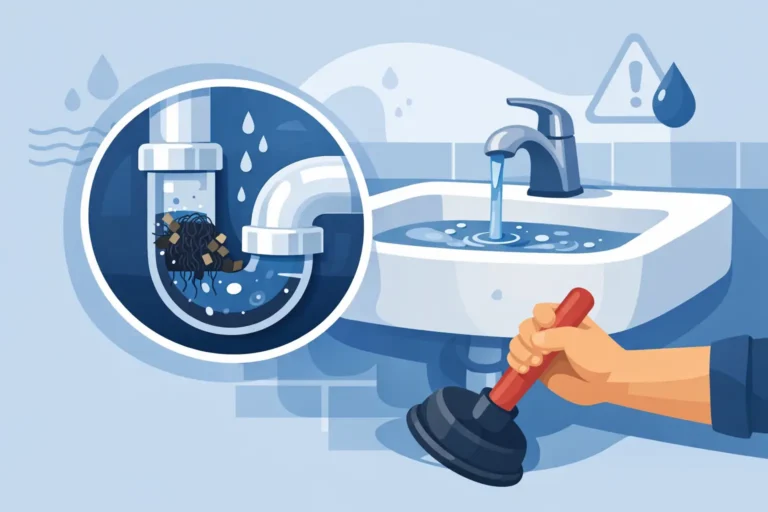
If cleaning the stopper does not solve the problem, a plunger is usually the next sensible step. Use a clean cup-style plunger reserved for sinks and tubs, not the flange plunger typically used for toilets.
Bathtubs have an overflow opening located beneath the faucet. That opening lets air escape, which reduces the suction a plunger needs to move a clog. Cover the overflow with a wet washcloth held firmly in place, or tape plastic over it temporarily. Add enough water to cover the plunger cup, place it over the drain, and make several steady plunges.
Keep the motion controlled rather than aggressive. Five to ten firm strokes, followed by a check of the water flow, is usually enough to tell whether the clog is moving. Repeat once or twice if the water improves but does not fully clear.
If plunging makes water rise in another fixture, causes gurgling, or sends dirty water back into the tub, stop. Those signs can mean the blockage is beyond the bathtub branch line and may affect a larger section of the plumbing system.
Use a Drain Snake Carefully
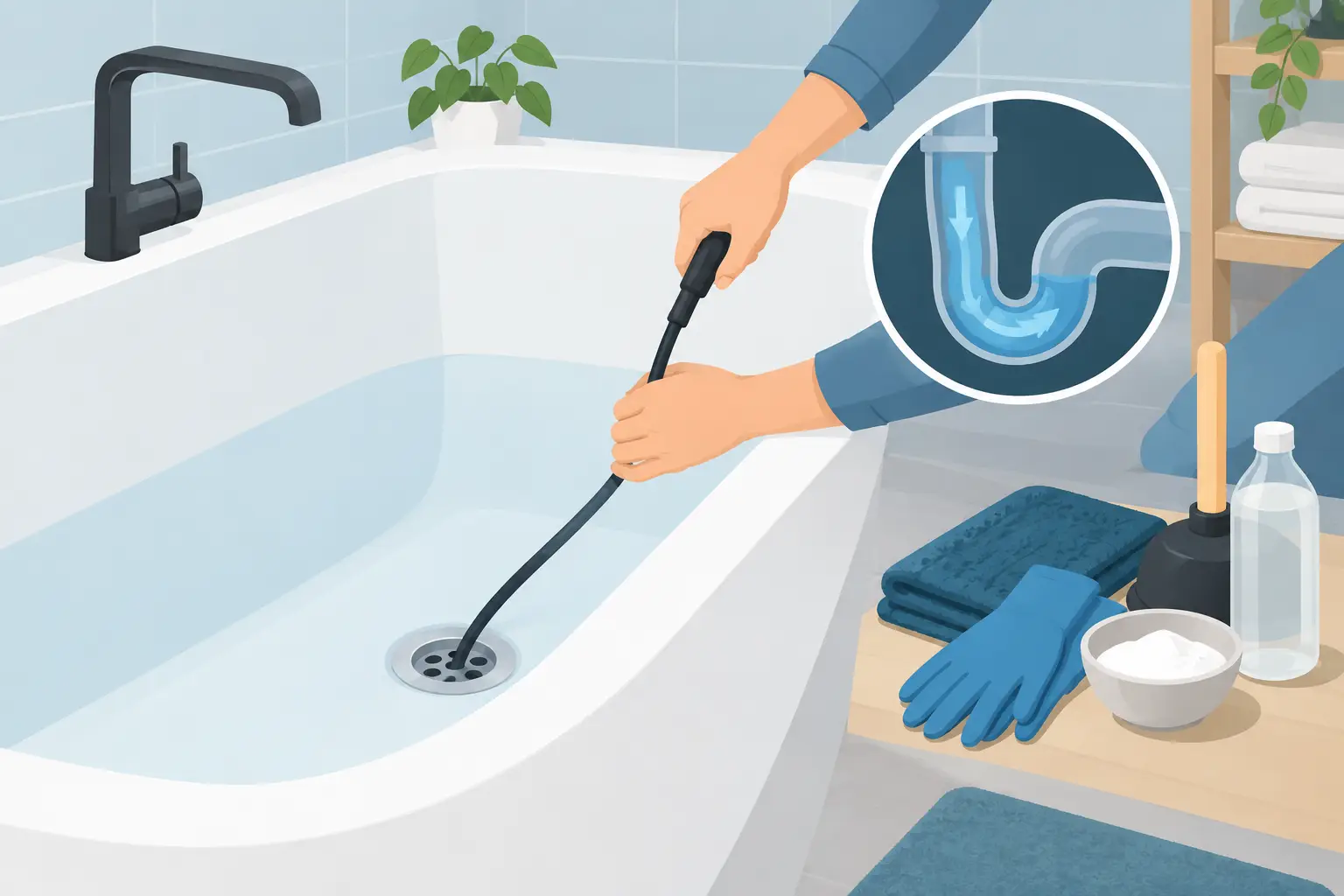
A hand-crank drain snake can reach farther than a plastic hair tool, but it requires more care. For many tubs, the best access point is through the overflow opening rather than directly through the drain. This avoids the stopper mechanism and allows the cable to follow the drain path more naturally.
Remove the overflow cover, feed the cable slowly, and turn the handle only when you feel resistance. You may be meeting a hair-and-soap blockage, but you could also be at a bend in the pipe. Forcing the cable can damage older piping or leave the tool stuck.
Once you feel the cable grab debris, pull it back slowly and clean it off. Then test the tub with warm water. If it still drains slowly, do not keep feeding the snake farther and farther without knowing what is in the line. A recurring clog may be caused by buildup, a damaged pipe, or an obstruction beyond the reach of a small hand tool.
Be Careful With Chemical Drain Cleaners
Store-bought chemical drain cleaners may seem like the easiest answer, but they come with trade-offs. Caustic products can create heat inside the pipe and may damage certain plumbing materials, weaken old fittings, or harm the finish of a tub if they splash. They are also dangerous if they sit in standing water or mix with another cleaner.
Never combine drain products, bleach, vinegar, or other household chemicals. Mixing cleaners can release harmful fumes or create a hazardous reaction. If you already poured a chemical into the drain, do not plunge or snake it without protecting yourself from splashes. Let a drain professional know exactly what product was used before service begins.
Hot water alone is not a reliable solution either. Very hot water can help rinse softened soap residue after you remove a shallow clog, but it will not dissolve a heavy hair blockage. Avoid pouring boiling water into an acrylic or fiberglass tub, since extreme heat can damage the surface.
Signs the Bathtub Clog Is Deeper Than the Drain
A simple clog generally affects one fixture and improves after the stopper is cleaned or the drain is plunged. A deeper problem tends to repeat, worsen, or involve other drains. Pay attention to what the rest of the house is doing.
You may need professional drain cleaning if you notice any of these warning signs:
- The bathtub drains slowly again within days or weeks of clearing it.
- Water backs up into the tub when the toilet flushes or the washing machine drains.
- Nearby sinks or showers gurgle, drain slowly, or produce sewer-like odors.
- Plunging does not change the water level, or water returns after briefly draining.
- The home has older pipes, frequent clogs, or a history of root intrusion.
These symptoms do not automatically mean a main-line backup, but they are not problems to ignore. Repeated do-it-yourself attempts can compact debris, expose you to chemicals, or delay finding the actual cause.
Why Recurring Tub Clogs Need a Clear Diagnosis
The right repair depends on where the obstruction is and what caused it. Hair near the drain calls for a different solution than hardened buildup farther down the line. A cracked pipe, shifted connection, or root intrusion requires a different response again.
That is why a camera inspection can be valuable when a bathtub keeps clogging. It shows the condition inside the pipe instead of relying on guesswork. A technician can explain whether the line needs targeted cleaning, high-pressure jetting to remove buildup, or a repair evaluation.
For homeowners in Eustis, Mount Dora, Tavares, Leesburg, and Lady Lake, USA Drain Cleaning takes that diagnostic approach seriously. The goal is not to sell unnecessary work. It is to identify the blockage, explain what was found in plain language, and clear the line correctly so you are not dealing with the same bathtub backup again next week.
Keep the Tub Drain Clear After the Fix
Once water is moving freely, a few simple habits can reduce future clogs. Use a hair catcher that fits securely over the drain and clean it after each shower or bath. Wipe soap residue from the tub instead of rinsing thick product buildup toward the drain. If household members have long hair or the tub is heavily used, check the stopper every few weeks before a slow drain becomes a full blockage.
Avoid treating the drain as a place to rinse paint, oils, bath salts, or large amounts of thick bath products. Those materials can cling to pipe walls and give hair something to catch on.
A bathtub that has begun to drain slowly is giving you an early warning. Take care of the easy surface buildup promptly, but if the problem returns or other fixtures join in, getting a clear look at the line can protect your home, your schedule, and your budget.