How to Unblock a Bathroom Sink Without Damage
A bathroom sink that drains slowly can turn a normal morning into a frustrating mess. Water pools around the stopper, toothpaste foam lingers, and an unpleasant odor may start coming from the drain. Many homeowners can unblock a bathroom sink with a few careful steps, but the right approach matters. A rushed fix or harsh chemical can damage finishes, create a safety issue, or leave the real blockage behind.
Most bathroom sink clogs begin close to the drain opening. Hair, soap residue, shaving cream, skincare products, and toothpaste collect around the stopper and inside the drain trap. That makes this a reasonable place to start with simple hands-on cleaning. If the clog keeps returning, affects more than one fixture, or refuses to clear, the problem may be farther down the line.
Start With the Simple Checks
Before taking anything apart, remove any standing water from the basin with a cup. Put on gloves, then lift out the sink stopper if it comes out easily. Many pop-up stoppers collect a surprisingly thick layer of hair and residue underneath, where it cannot be seen from above.
Clean the stopper and the drain opening with a small brush or an old toothbrush. A straightened plastic drain tool can also pull out hair sitting just below the opening. Work slowly. You want to remove the material, not push it deeper into the pipe.
Once the visible buildup is gone, run warm water for a minute or two. For a mild soap-based clog, this may be enough to get the sink moving again. Avoid pouring boiling water into the drain, especially if you have older plumbing or plastic pipes. Very hot water can stress some fittings, and it will not solve a solid hair clog.
How to Unblock a Bathroom Sink With a Plunger
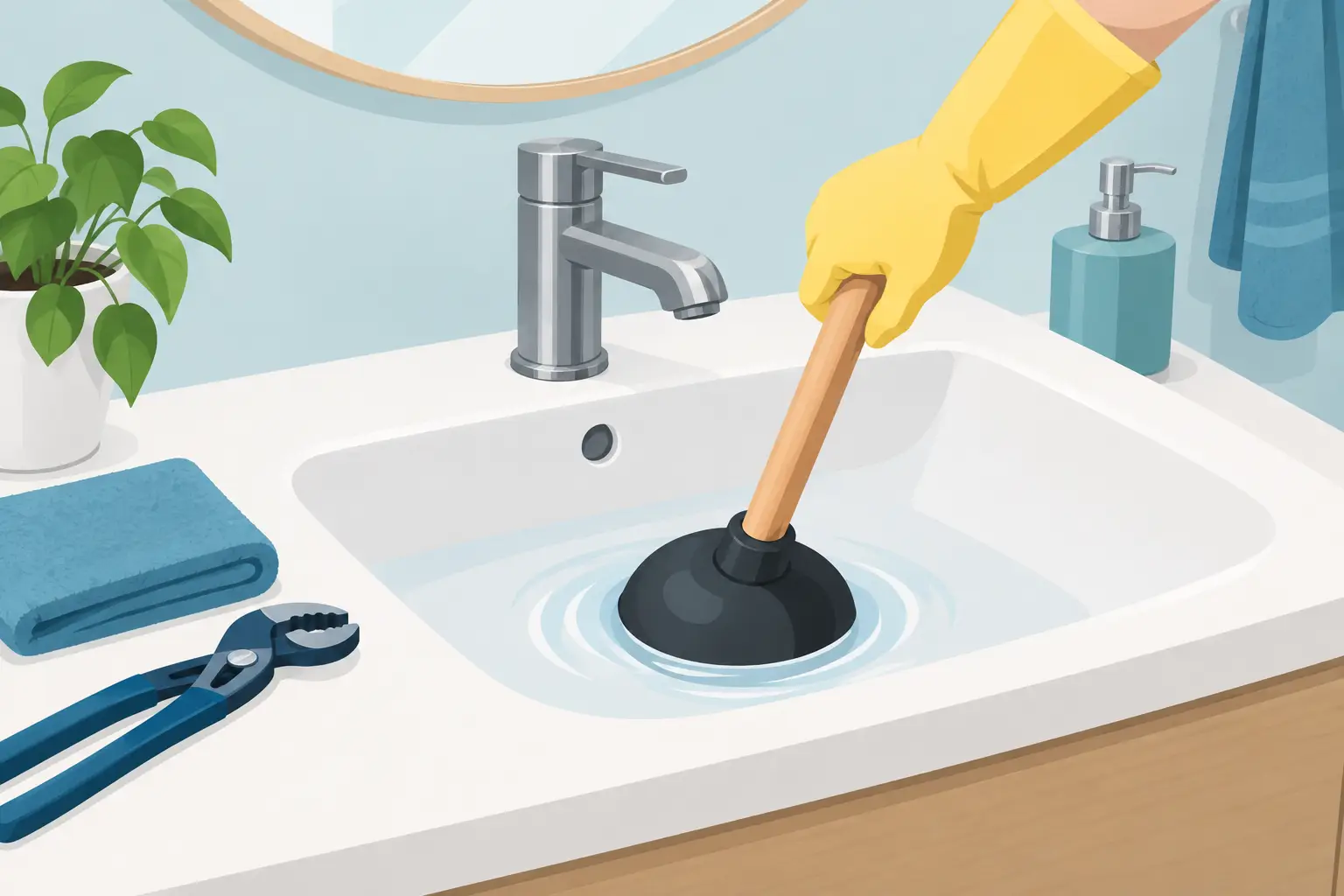
If cleaning the stopper does not restore flow, a small cup plunger is often the next sensible step. A sink plunger is different from the flange-style plunger commonly used for toilets. The flat cup should seal over the bathroom sink drain.
First, block the overflow opening near the top of the basin with a damp rag. That opening allows air to escape, which can prevent the plunger from building enough pressure. Add enough water to cover the plunger cup, press it firmly over the drain, and make several controlled pumps. Keep the seal in place as you pull upward after the final push.
Check the drain by running water. If it begins to move but still drains slowly, repeat the process once or twice. Do not keep plunging aggressively for long periods. If there is no change at all, the clog may be packed into the trap or farther into the drain line.
Clean the P-Trap Carefully
The curved section of pipe below the sink is called the P-trap. Its job is to hold a small amount of water that blocks sewer odors from entering the bathroom. It is also a common place for hair, toothpaste residue, and small objects such as jewelry backs to collect.
Place a bucket and a few towels under the trap before loosening anything. Water and debris will come out. Most modern sink traps have slip nuts that can be removed by hand, though older connections may need gentle help from adjustable pliers.
Remove the trap, empty it into the bucket, and clean it thoroughly. Look through the pipe leading into the wall as well. If you can see a wad of buildup within reach, a small drain snake may remove it. Reassemble the trap carefully, making sure the washers are seated properly, then run water while checking for leaks.
This is a good stopping point if the connections are corroded, difficult to loosen, or made from fragile older material. Forcing a stuck fitting can turn a simple drain call into a pipe repair.
Be Careful With Chemical Drain Cleaners
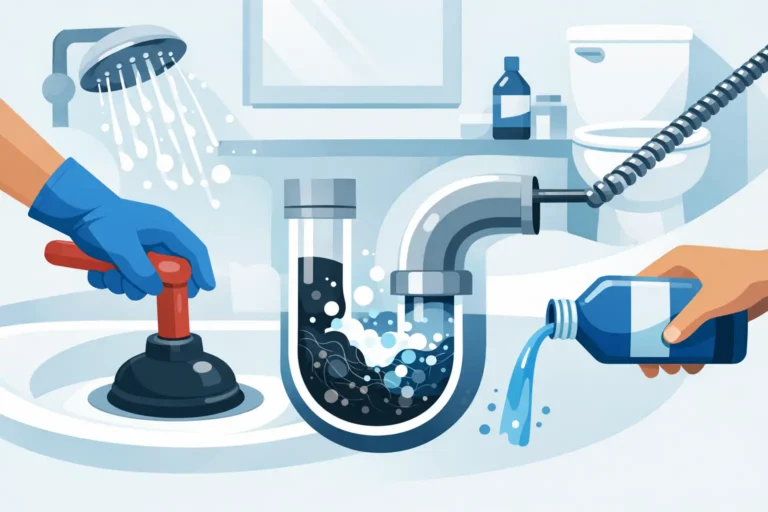
Store-bought drain cleaners promise a quick fix, but they are not always the best choice for a bathroom sink. Strong chemical products can sit in the trap when a drain is fully blocked, creating heat and fumes. They can irritate skin and eyes, damage certain pipes or finishes, and make later hands-on work dangerous.
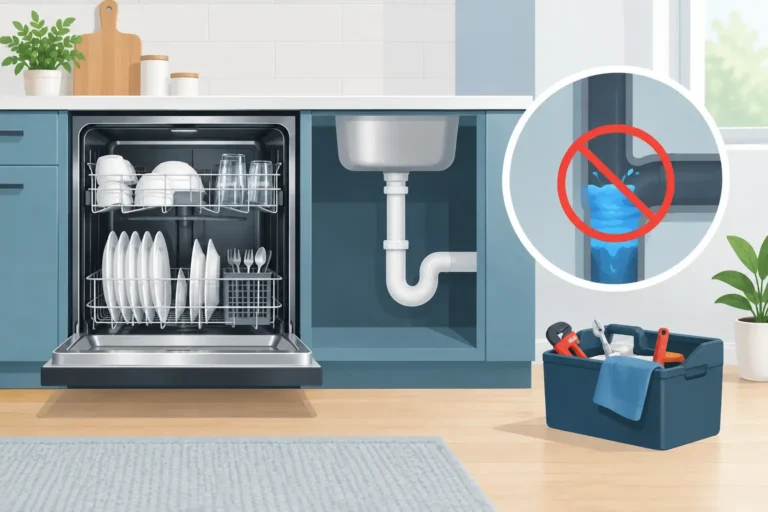
They also tend to provide a surface-level result when the real issue is a thick buildup of hair and soap farther down the line. If a chemical cleaner does not work, do not add a second product or mix products. Never plunge a drain after adding chemicals, since splashing can cause serious injury.
For many minor clogs, physical removal with a drain tool, plunger, or cleaned trap is safer and more effective. If the blockage is beyond reach, professional equipment can clear the line without guessing at what is inside it.
Signs the Sink Clog Is More Than a Simple Buildup
A one-time slow sink may be a routine stopper or trap cleaning. Recurring problems deserve a closer look. A drain that clears briefly and then clogs again may have buildup farther down the branch line, a damaged section of pipe, or an obstruction that basic tools cannot reach.
Pay attention if you notice gurgling sounds, foul odors that return after cleaning, water backing up when another fixture drains, or slow drainage in more than one bathroom. These signs can point to a larger drainage issue rather than a clog limited to the sink.
Lake County homes can have a range of plumbing conditions, from newer PVC drain lines to older systems with corrosion, scale, or aging connections. The right solution depends on the actual condition of the line. No guessing. No unnecessary work.
When to Call for Professional Drain Cleaning
Call a drain professional when the clog will not clear after basic cleaning, when it returns frequently, or when you suspect the issue is beyond the P-trap. You should also call if water backs up into the sink from another fixture, if you smell sewage, or if you have already used a chemical product and need help handling the drain safely.
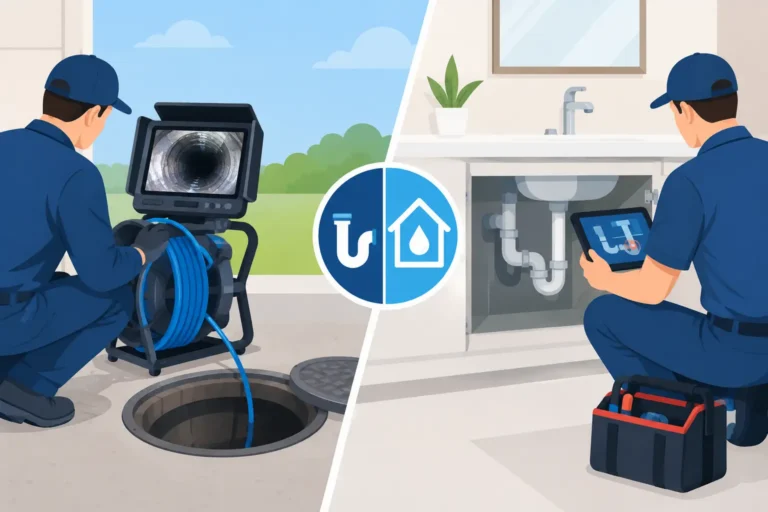
A professional drain cleaning visit should begin with identifying the source of the problem, not immediately recommending the most expensive service. For stubborn or recurring clogs, a video camera inspection can show whether the line has heavy buildup, a damaged pipe, a foreign object, or another condition that needs attention. Seeing the issue helps homeowners understand what work is needed and what is not.
At USA Drain Cleaning, the goal is to explain the findings in plain language and clear the underlying blockage with the right equipment. In some cases, high-pressure jetting is a better fit than a quick cable pass because it removes buildup from the pipe walls instead of only punching a small opening through it. The best method depends on the pipe material, the location of the blockage, and what the inspection shows.
Keep Your Bathroom Sink Draining Freely
A little prevention can reduce the chance of another clogged sink. Clean hair from the stopper regularly, especially in bathrooms used by several people. Wipe excess shaving cream, thick skincare products, and heavy toothpaste residue from the basin rather than rinsing large amounts down at once.
It also helps to run warm water for several seconds after brushing teeth or washing up. That will not prevent every clog, but it helps move ordinary residue through the trap before it has time to build up. If the sink begins draining more slowly again, deal with it early instead of waiting for a complete backup.
A bathroom sink should drain quietly and reliably, without odors, gurgling, or water sitting in the basin. If yours is telling you otherwise, a careful first check can solve a small problem. When the signs point to something deeper, getting a clear diagnosis protects your home, your schedule, and your budget.