Pipe Lining Review for Lake County Homes
A pipe lining review should start with one question: what is actually wrong with the pipe? If your home has recurring backups, roots showing up in the line, slow drains throughout the house, or a sewer pipe that has failed before, pipe lining may sound like the easier answer. In some situations, it is. In others, it can be the wrong repair for the condition underground.
For homeowners in Eustis, Mount Dora, Tavares, Leesburg, and Lady Lake, the best decision is not based on a sales pitch or the fastest-sounding option. It is based on a clear camera inspection, an honest explanation of what the pipe looks like, and a repair plan that fits the damage and your budget. No guessing. No unnecessary work.
What Pipe Lining Is and What It Repairs
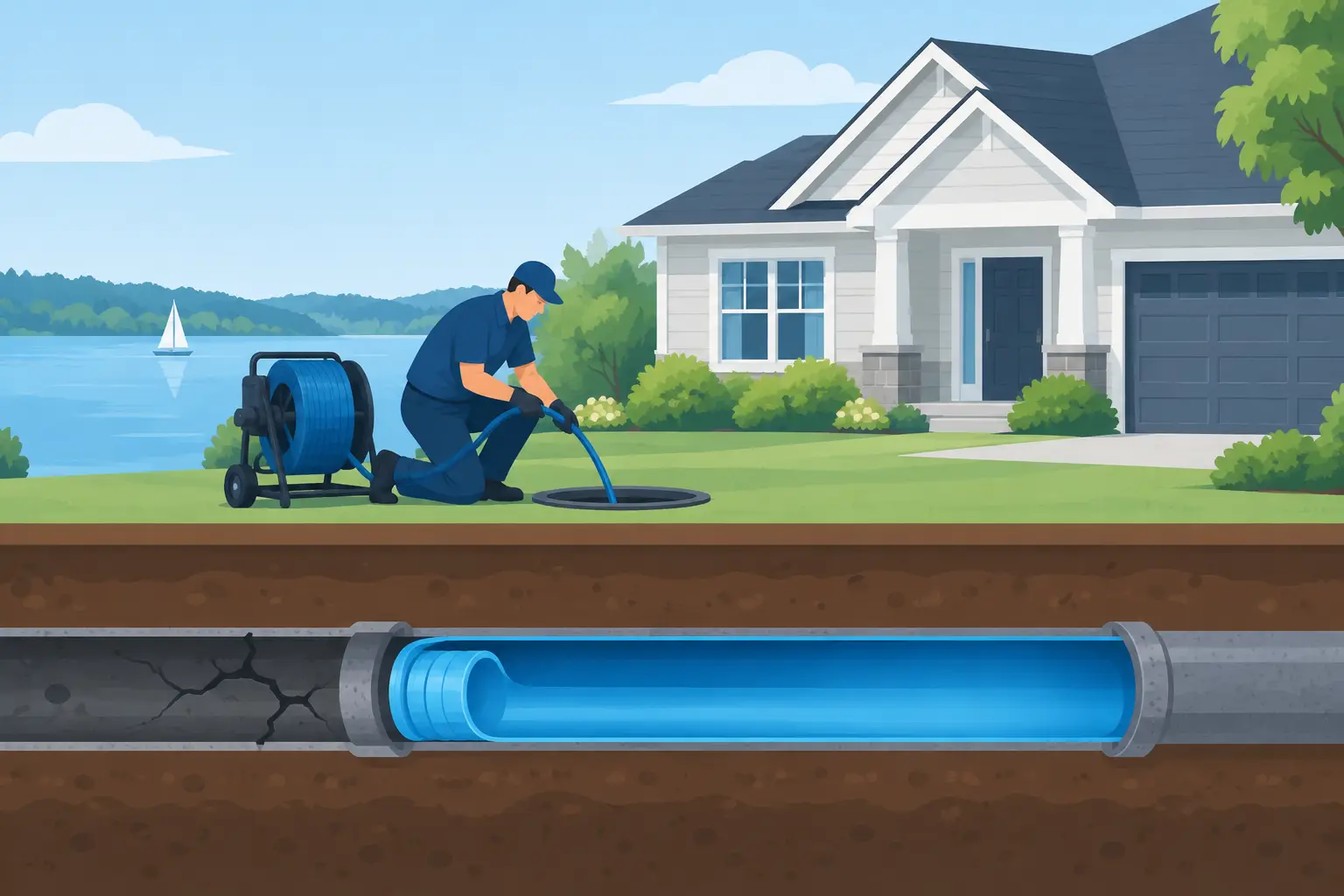
Pipe lining, often called cured-in-place pipe lining, repairs an existing pipe from the inside. A technician cleans the damaged line, inserts a resin-saturated liner, and cures it in place. The liner hardens into a new pipe wall inside the old pipe.
The appeal is easy to understand. Rather than digging up a yard, driveway, landscaping, or slab to replace a damaged section, lining can often be completed through existing access points. It can seal small cracks, cover joints where roots have entered, and create a smooth interior that is less likely to catch debris.
That does not mean every troubled drain or sewer line is a lining candidate. Pipe lining is a repair method, not a universal cure for every backup. A blockage may only need professional cleaning. A severely collapsed pipe may need excavation and replacement. The camera findings matter more than the name of the repair.
Pipe Lining Review: When It Makes Sense
Lining can be a practical option when the existing pipe still has enough shape and strength to support a liner. It is commonly considered when a sewer line has cracks, minor joint separation, repeated root intrusion, or aging pipe materials that are beginning to leak but have not fully collapsed.
It may also make sense when digging would cause major disruption. A line under a driveway, mature landscaping, patio, or interior floor can be expensive to reach through excavation. If the pipe is structurally suitable, lining may reduce restoration work and shorten the overall disruption to your property.
A homeowner should still ask for specifics. Is the issue a single damaged section or the full length of the line? Are roots entering at joints, or has the pipe shifted? Is the line holding water because of a low area? Does the pipe have enough internal diameter for a liner without affecting flow? A good recommendation explains these details in plain language.
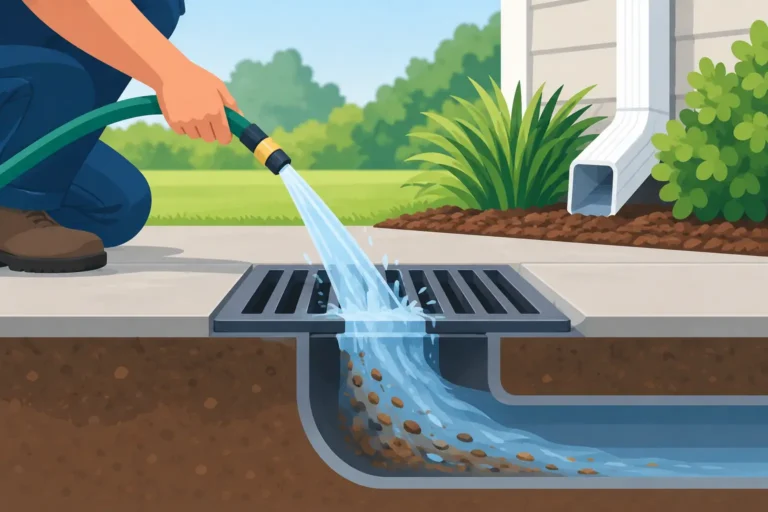
In Florida, roots and wet soil conditions can expose weaknesses in older sewer and drain lines. Heavy rain can also reveal drainage issues that were less obvious during dry weather. But exterior storm drain problems and sewer pipe damage are not the same thing. Cleaning an obstructed storm drain may restore water flow without any pipe repair at all.
When Pipe Lining Is Not the Right Fix
The biggest limitation is simple: a liner needs a pipe path to line. If the pipe is crushed, badly offset, flattened, or missing sections, there may not be a usable shape for the liner to follow. Trying to line a pipe with a serious collapse does not restore the original slope or correct major structural failure.
A belly in the line is another concern. This is a low section where water and waste collect instead of moving downhill. Lining may seal cracks in that area, but it generally does not lift the pipe or correct the grade. If standing water remains in the line after cleaning, the repair plan should address why it is there.
The same goes for an active blockage. Grease, scale, roots, wipes, and accumulated debris must be removed before anyone can accurately assess the pipe or prepare it for lining. A liner installed in a poorly cleaned pipe can reduce the usable diameter further and leave the underlying flow problem unresolved.
There are also access and layout issues. Pipes with sharp turns, certain branch connections, or complicated configurations may require a different repair approach. Depending on the pipe and local requirements, permits and inspections may also apply. A responsible contractor should discuss these factors before presenting lining as the answer.
Why a Camera Inspection Comes First
A camera inspection removes the uncertainty from a pipe lining review. It shows the inside of the line in real time, allowing the technician and homeowner to see roots, buildup, cracks, separations, standing water, or collapse instead of assuming the cause from a symptom.
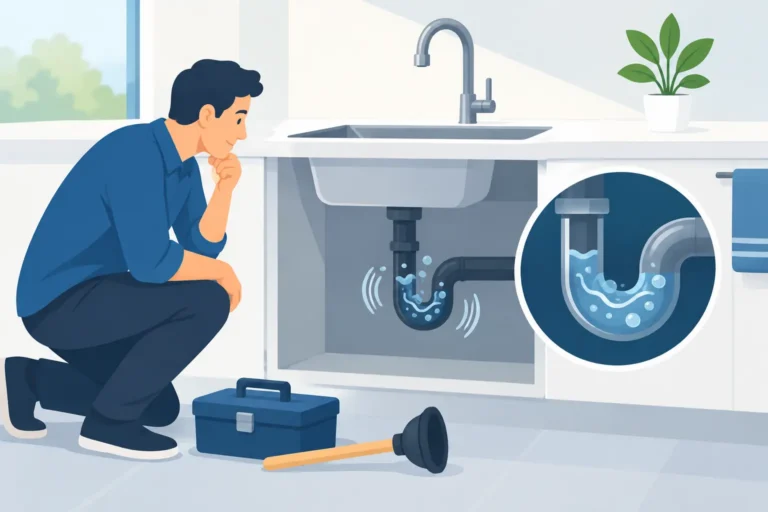
For example, a toilet that gurgles and a shower that drains slowly could point to a main-line obstruction. But the source might be roots at a joint, heavy paper buildup, grease, a damaged fitting, or a partially collapsed section. These conditions can feel similar from inside the home, yet they call for different solutions.
Camera work should also include locating the problem where possible. Knowing that there is damage is helpful. Knowing whether it is under the lawn, driveway, or near the house helps you compare repair options realistically.
At USA Drain Cleaning, the goal of a camera inspection is straightforward: identify the problem, show you what was found, and explain the next sensible step. If professional jetting or drain cleaning clears the line and the pipe is otherwise sound, there is no reason to push a larger repair. If the camera shows structural damage, you should have that information before deciding how to move forward.
Questions to Ask Before Approving Lining
Before agreeing to pipe lining, ask the contractor to show you the camera footage and point out the exact damage. You should understand whether the recommendation covers the full pipe or only a damaged section, and why that scope was chosen.
Ask whether the pipe has a belly, major offset, collapse, or missing pieces. Those conditions can change the recommendation. Also ask how the line will be cleaned before lining, how branch connections will be handled, and whether the work affects the pipe’s usable diameter.
Price matters, but a quote should be clear enough to compare. Find out what preparation, access, permits if required, restoration, and post-repair verification are included. A low initial number can become less appealing if the work leaves important steps undefined.
Finally, ask what evidence you will receive when the job is finished. A post-repair camera inspection is one of the clearest ways to confirm the repaired section is open, continuous, and free of leftover debris. You should not be left wondering what happened beneath your property.
Cleaning, Lining, or Replacement?
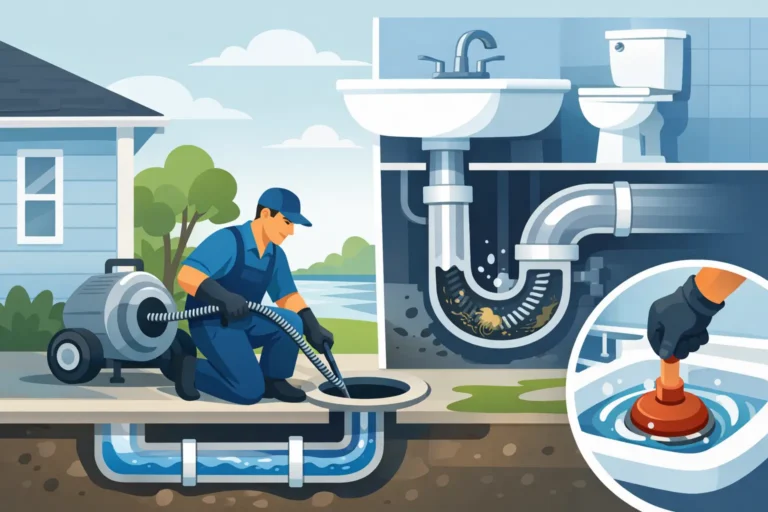
These options solve different problems. Drain cleaning removes an obstruction. High-pressure jetting can clear roots, sludge, scale, and buildup from a pipe that still has good structure. It is often the right first step for recurring clogs, especially when a camera shows no significant break or collapse.
Pipe lining repairs certain internal defects while avoiding some excavation. It can be a strong middle option for a pipe that is damaged but still structurally suitable.
Excavation and replacement are more disruptive, but they are sometimes the most durable and honest answer. If a pipe has lost its shape, has poor slope, or is repeatedly failing in a way lining cannot correct, replacement may prevent repeated service calls and continued backups.
The right choice depends on the condition of your line, not on which service sounds least disruptive. A clear diagnosis protects your property and helps you spend money where it will make a real difference.
If you are dealing with recurring clogs, sewage backups, foul odors, or a drain that only works after repeated quick fixes, start by seeing inside the pipe. Once the cause is visible, the next step becomes far less stressful: clean what can be cleaned, repair what can be repaired, and replace only what truly needs replacement.