Sewer Camera Inspection for Cracks at Home
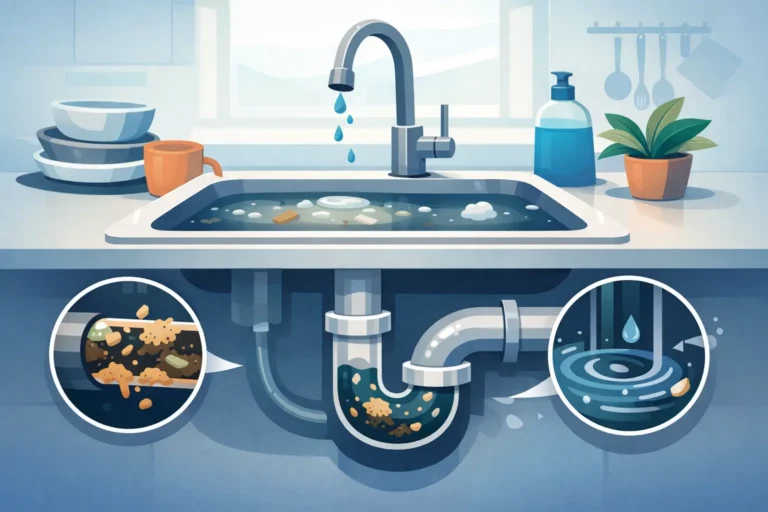
A recurring clog can look like a simple drain-cleaning problem until it comes back a few weeks later. If toilets gurgle, several fixtures drain slowly, sewage backs up, or roots keep finding their way into the line, a sewer camera inspection for cracks can replace guesswork with a clear look inside the pipe.
For Lake County homeowners, that matters. Older sewer lines, shifting soil, tree roots, and years of buildup can all affect an underground pipe that cannot be checked from the surface. A camera lets a technician see the condition of the line, explain what is happening in plain language, and recommend work that matches the actual problem. No guessing. No unnecessary work.
What a Sewer Camera Inspection for Cracks Can Show
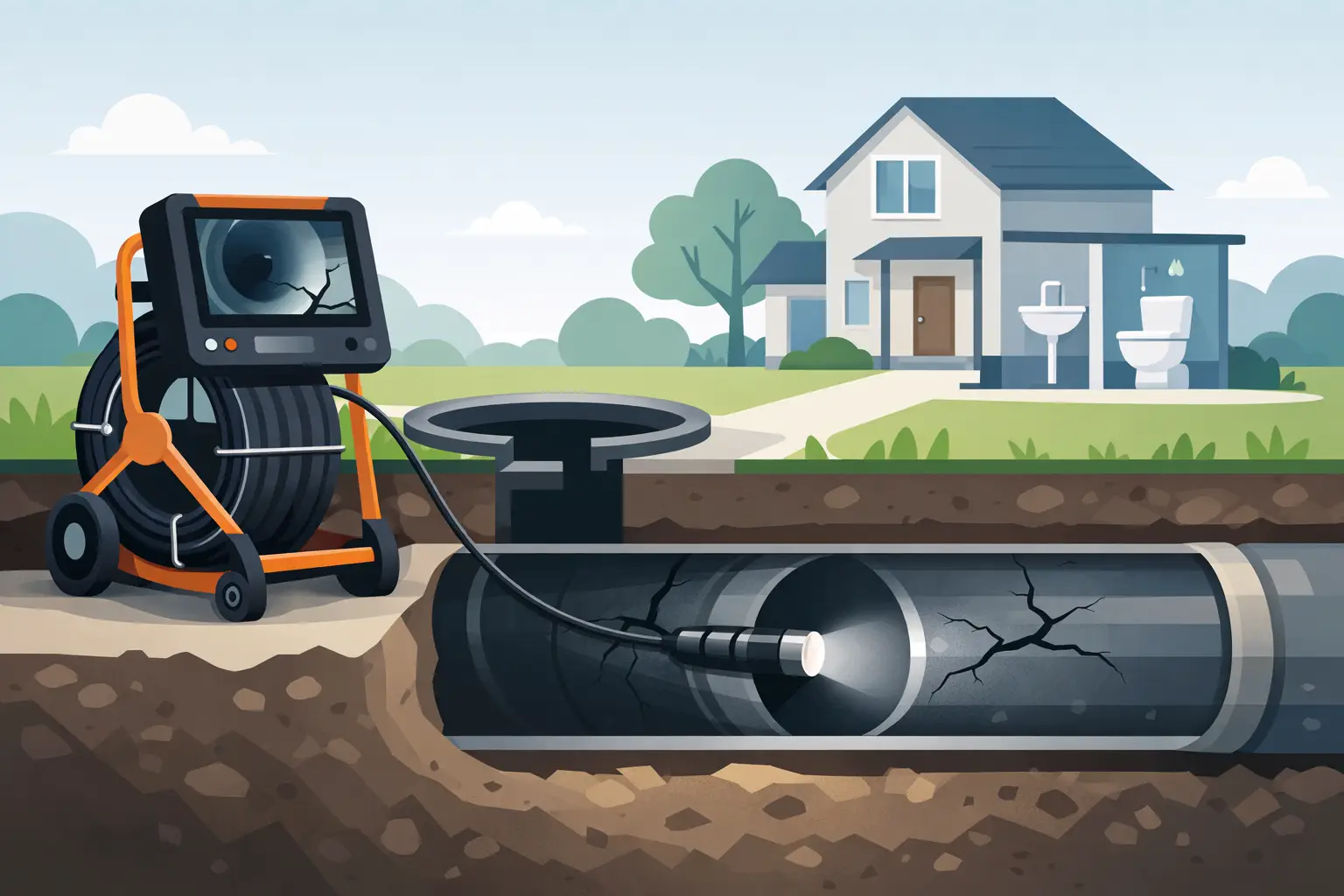
A video camera inspection involves feeding a flexible, waterproof camera through an accessible drain cleanout or another suitable entry point. The camera sends live video from inside the pipe, allowing the technician to inspect the line from the house toward the connection point.
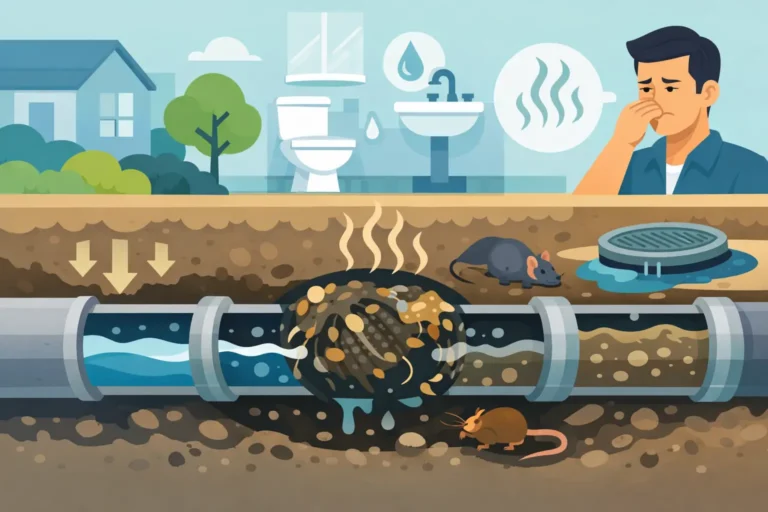
When a crack is visible, the camera can help show its location, length, and condition. Some cracks are small and isolated. Others have widened enough to let soil, roots, or debris enter the pipe. A damaged section may also have separated at a joint, shifted out of alignment, or begun to sag.
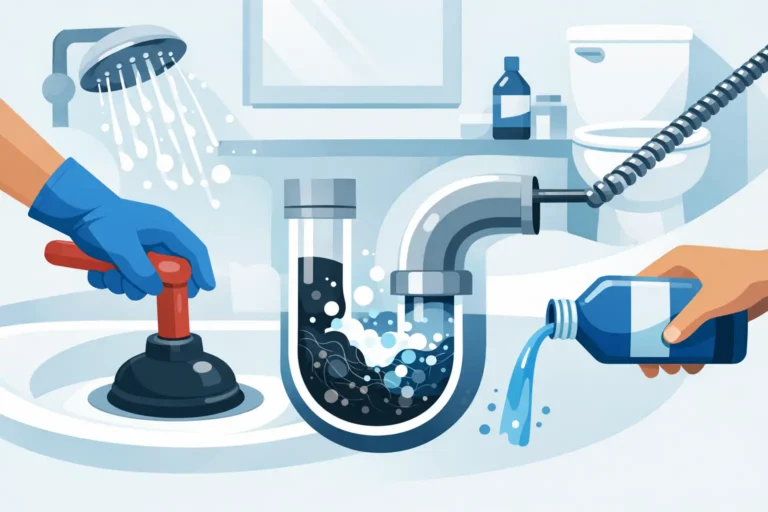
The video is useful because a slow or backed-up drain does not always mean the same thing. A clog from grease, wipes, or buildup may be cleared with professional drain cleaning or high-pressure jetting. But if the pipe wall is broken or roots are entering through a crack, removing the immediate blockage alone may not prevent the problem from returning.
A good inspection also helps distinguish a crack from other pipe conditions that can cause similar symptoms, including:
- Root intrusion through joints or damaged pipe walls
- Offset pipe sections where connections have shifted
- Heavy scale, grease, or sludge buildup narrowing the pipe
- A sagging section of pipe that holds water and debris
- A collapsed or severely deteriorated portion of the line
The goal is not to make every drain issue sound like a major repair. It is to identify what is actually inside the line before deciding what to do next.
Warning Signs That May Point to a Cracked Sewer Line
A crack itself is underground, so homeowners usually notice the effects before they know the cause. Repeated main-line clogs are one of the most common signs. If plunging, snaking, or store-bought drain products provide only short-term relief, something deeper in the line may be catching debris or allowing roots to grow inward.
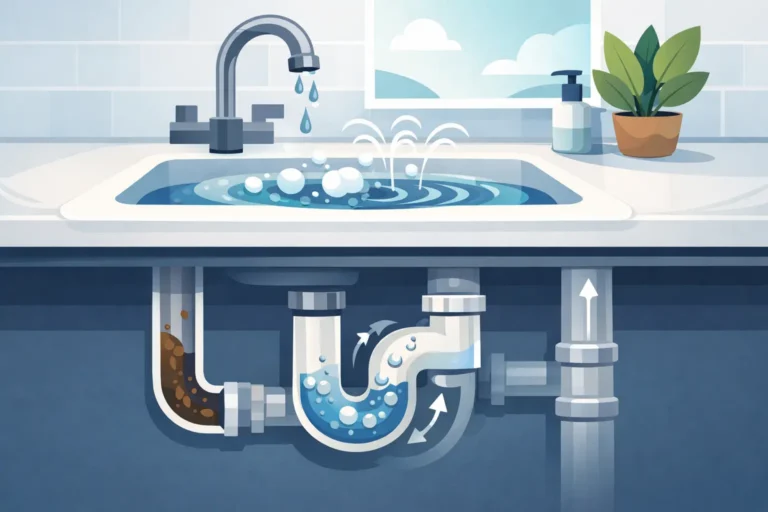
Pay attention when more than one fixture is affected. A slow kitchen sink by itself could be a local kitchen-drain clog. But a toilet that bubbles when the shower runs, water rising in a tub after flushing, or several slow drains at once often points to a problem farther down the main sewer line.
Foul odors can be another clue. A cracked sewer pipe may allow sewer gas to escape into the soil or, in some cases, around the home. Wet or unusually green patches in the yard can also deserve a closer look, especially when there has been no obvious reason for extra moisture.
These symptoms do not prove that the line is cracked. They do tell you that repeated clearing without a proper diagnosis may waste time and money.
Why Cracks Develop in Residential Sewer Pipes
Not every damaged pipe fails for the same reason. In Central Florida, roots are a frequent concern because they naturally seek moisture. Even a small opening around a joint or crack can attract fine roots. Once inside, those roots grow, catch toilet paper and debris, and eventually create a recurring blockage.
Pipe age and material also matter. Older lines can deteriorate over time, while certain pipe materials may become brittle, corroded, or more prone to separation. Ground movement, settling, traffic over a buried line, and past construction can put pressure on pipe connections as well.
A crack can begin as a minor opening and remain manageable for a while. The trade-off is that waiting may allow roots, soil, and debris to make the condition worse. On the other hand, not every visible imperfection calls for immediate excavation. The right response depends on whether the damage is affecting flow, allowing intrusion, or showing signs of worsening.
What Happens During the Inspection
A professional inspection starts with the symptoms you have noticed: how often the drain backs up, which fixtures are affected, whether roots have been found before, and whether the issue worsens after heavy water use. That information helps determine the most useful access point and whether the line needs to be cleared before the camera can travel through it.
In some cases, heavy buildup or a blockage prevents the camera from passing. The technician may need to clear the obstruction first using the appropriate drain-cleaning equipment. This is not an upsell. A camera cannot provide a useful view through a pipe that is completely blocked with debris.
Once the camera is moving through the line, the technician watches for cracks, separated joints, roots, standing water, buildup, and changes in pipe condition. A locating device can often help identify where a concern sits beneath the yard or slab, which is valuable if repair becomes necessary.
You should not be left to interpret unclear footage on your own. The useful part of a camera inspection is the explanation: what the camera found, whether it is likely causing the current issue, and what options make sense for your home and budget.
Camera Findings Do Not Always Mean Immediate Replacement
Seeing a crack on camera can be concerning, but the recommended next step should fit the severity of the finding. A small crack with no root entry and no restriction to flow may call for monitoring, especially if the line is otherwise functioning well. A technician should be honest about that.
If roots are entering through the damaged area, cleaning may restore flow and provide temporary relief. High-pressure jetting can remove root mass and buildup more thoroughly than a quick surface-level clearing. However, roots can return if the opening in the pipe remains. The camera inspection helps make that limitation clear.
A larger crack, separated section, collapsed pipe, or severe offset may require repair or replacement of the affected area. The exact approach depends on pipe material, depth, access, local conditions, and how much of the line is damaged. The important thing is that the repair recommendation is based on what was found, not on assumptions.
When to Schedule an Inspection
It makes sense to schedule a camera inspection after a main-line backup, when clogs keep returning, or before spending money on repeated drain clearing that has not solved the issue. It can also be helpful when buying an older home or after roots have been removed from a sewer line, since the inspection can show how they got in.
Do not wait for a small symptom to become a messy backup if you are seeing multiple warning signs. Early diagnosis may give you more options and help avoid damage inside the home.
USA Drain Cleaning uses camera inspections to show homeowners what is happening in their drains and sewer lines before recommending the next step. Whether the answer is professional cleaning, root removal, or a repair conversation, you deserve a straightforward explanation and a clean work area when the job is done.
A sewer line is out of sight, but it should not stay out of the conversation. If recurring drainage trouble is disrupting your home, a clear camera view can turn uncertainty into a practical plan.