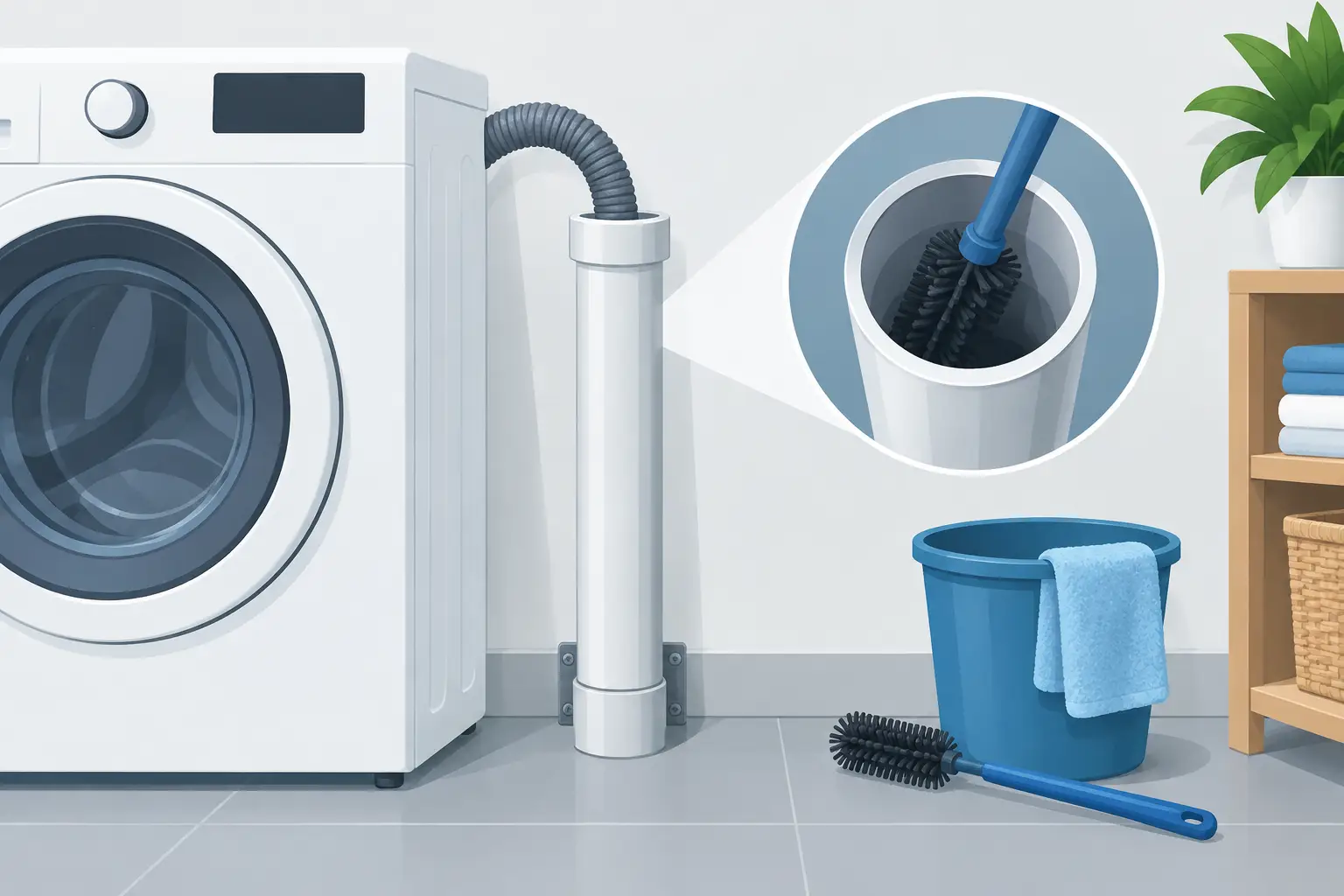
How to Maintain Washing Machine Standpipe
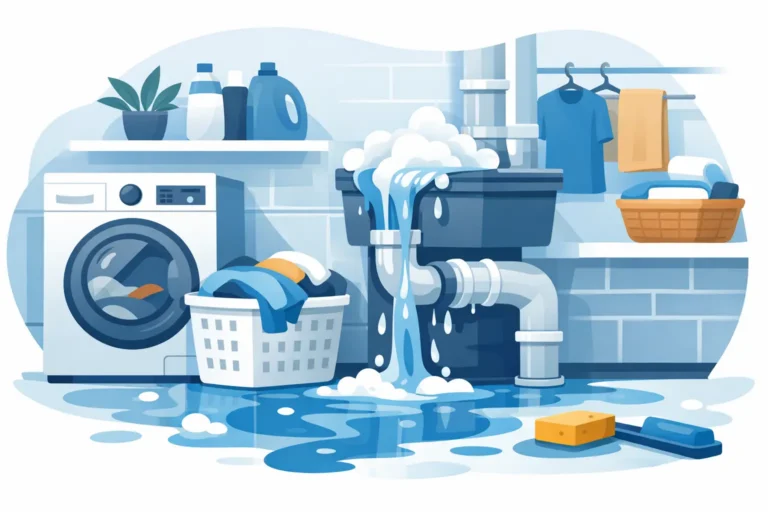
A washing machine can empty a full tub of water in less than a minute. When the drain line cannot keep up, the first sign may be water spilling across the laundry-room floor. Learning to maintain washing machine standpipe helps prevent that mess, protects nearby flooring and walls, and gives you a better chance of catching a developing drain problem before it becomes a backup.
The standpipe is the open vertical pipe behind or beside the washer where the drain hose discharges. It is connected to a trap and branch drain line, which carry wastewater away from the home. It needs enough open pipe capacity to handle a fast surge of lint-filled wash water. A line that seems fine at the bathroom sink can still struggle when the washing machine drains.
Why washing machine standpipes clog
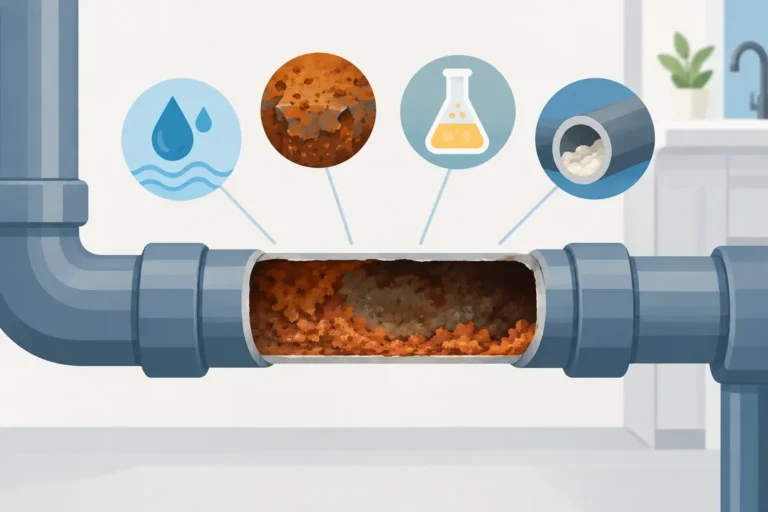
Laundry water carries more than water and detergent. Over time, lint, pet hair, fabric fibers, soap residue, body oils, and minerals can collect inside the trap and drain line. Liquid fabric softener can also leave a sticky coating that gives debris something to cling to.
In older homes, the problem may extend beyond the laundry connection. Scale inside aging pipes, a partially blocked main line, or roots entering an underground sewer line can slow drainage throughout the system. In Lake County, a heavy rain can also make homeowners more aware of drainage problems around the property, but a washing machine backup is usually an interior plumbing issue that needs its own diagnosis.
A temporary slowdown is not always a major repair. Sometimes the drain hose is pushed too far into the standpipe or sealed too tightly around the opening, interfering with proper airflow. Other times, the pipe is simply beginning to collect buildup. The key is not to assume. Repeated overflows deserve a closer look.
Warning signs your laundry drain needs attention
A washing machine standpipe rarely goes from clear to completely blocked without giving some warning. Pay attention when the washer enters its drain cycle, especially if you have recently changed detergent, added a larger-capacity washer, or noticed slow drains elsewhere in the house.
Common signs include:
- Water rising in the standpipe or spilling onto the floor while the washer drains.
- Gurgling sounds from the laundry drain, nearby sink, tub, or toilet.
- A musty or sewer-like odor near the washer or drain opening.
- A drain that works after plunging or cleaning but clogs again within a few weeks.
- Water backing up in another fixture when the washing machine empties.
One overflow is enough reason to stop using the machine until you understand the cause. Continuing to run loads can send more water onto the floor and into walls, cabinets, or adjacent rooms. If several fixtures are draining slowly or backing up, the restriction may be farther down the line than the standpipe itself.
How to maintain a washing machine standpipe safely
Regular care is simple, but it works best when paired with realistic expectations. Maintenance can reduce lint and residue entering the drain. It cannot remove roots, repair a damaged pipe, or clear a heavy obstruction deep in the system.
Keep the drain hose positioned correctly
The washer drain hose should rest in the standpipe without being forced down too far or taped airtight around the opening. It needs an air gap to prevent drainage and siphoning problems. Check your washer manufacturer’s instructions for the recommended insertion depth, since hose requirements can vary by model.
Make sure the hose is not kinked, crushed behind the washer, or loose enough to jump out during discharge. Pull the washer forward carefully once or twice a year to inspect the hose, supply lines, wall area, and floor for moisture or staining. A small leak behind the appliance can go unnoticed for a long time.
Reduce lint before it enters the pipe
Some washers have lint filters or screens that need regular cleaning. If yours does, follow the manufacturer’s directions. Even without a dedicated filter, cleaning the washer drum and checking pockets before a load can reduce the amount of debris moving into the drain.
Use the recommended amount of high-efficiency detergent if you have an HE machine. More detergent does not mean cleaner clothes. Excess suds and residue can travel into the drain line, where they contribute to buildup. Fabric softener should also be used as directed rather than poured heavily into every load.
Clean around the standpipe opening
Dust, lint, and residue often gather around the standpipe opening and behind the washer. Wipe the exterior area clean so you can spot fresh moisture quickly. If you can safely see lint at the top of the pipe, remove it by hand while wearing gloves. Do not push rags, wire hangers, or improvised tools down the drain. They can pack debris farther into the line or damage the pipe.
Avoid relying on chemical drain cleaners. Their results are often short-lived in a laundry line with heavy buildup, and harsh products can create fumes, damage some plumbing materials, or make later service more hazardous. If a drain is slow, a professional cleaning method that physically removes the blockage is the more dependable approach.
Run a simple drainage check
Every few months, stay nearby when a normal load reaches the drain cycle. Look and listen for water rising in the standpipe, slow draining, or gurgling. This takes only a few minutes and can reveal a restriction before it turns into an emergency.
If the standpipe has overflowed before, do not treat one normal cycle as proof that the issue is gone. Partial blockages can shift and allow a few loads through before catching lint again. Recurring trouble is a reason to identify what is inside the line and where it is located.
Why repeated standpipe clogs need a real diagnosis
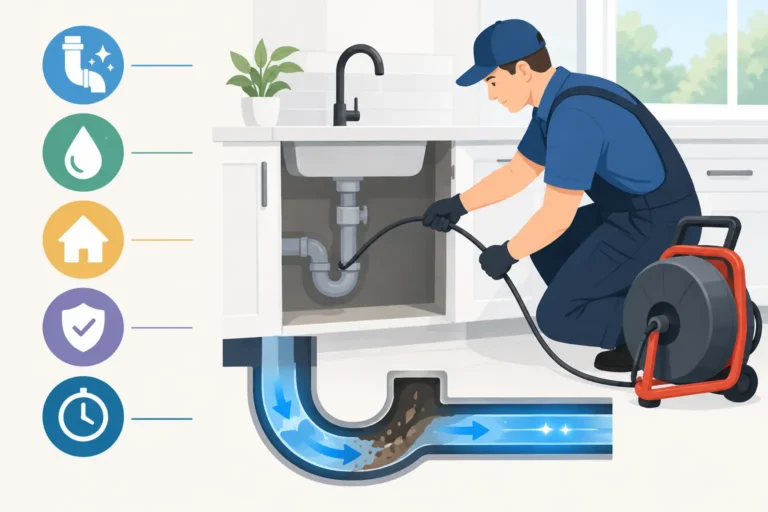
A drain snake can be useful for certain soft clogs close to the opening, but it is not always the complete answer. It may punch a small path through buildup without cleaning the pipe walls. That can leave enough residue behind for lint and soap to collect again soon after.
For recurring washing machine backups, a camera inspection can show whether the problem is concentrated in the laundry branch line or farther down the drain system. It can also reveal heavy buildup, pipe damage, separation, or root intrusion. No guessing. No unnecessary work. Seeing the condition of the line makes it easier to choose the right repair or cleaning method.
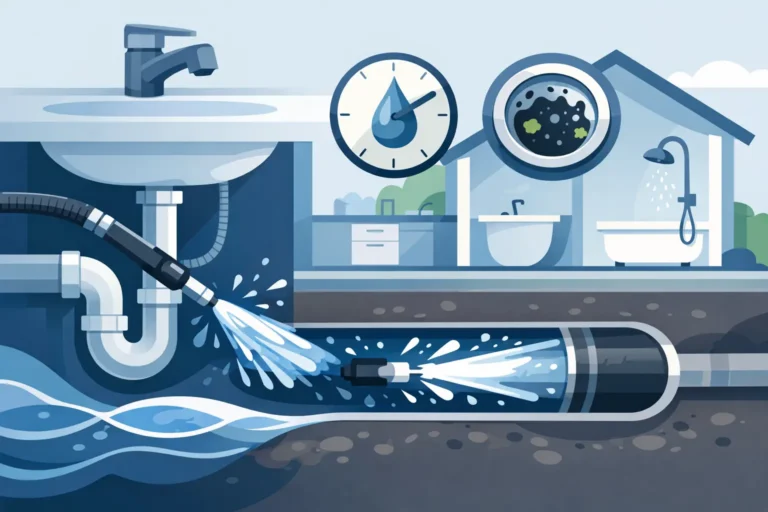
When buildup is the issue, professional-grade drain cleaning or high-pressure jetting may remove the material more thoroughly than a temporary surface-level opening. The right method depends on the pipe material, the location of the blockage, and the condition of the line. A responsible technician should explain what was found, what work is recommended, and why.
When to call for professional drain cleaning
Call for help promptly if water is coming out of the standpipe, if the washer causes another fixture to back up, or if you smell sewage near the laundry area. These conditions can point to a larger drain restriction, and repeated washing can make the damage worse.
It is also wise to schedule service when clogs keep returning despite careful use, when a previous quick fix did not last, or when you are unsure whether the issue is in the washer hose, the standpipe, or the main drain line. USA Drain Cleaning serves Lake County homeowners with clear explanations and camera-based diagnostics when the situation calls for more than a guess.
A clean, properly draining standpipe is easy to overlook until it fails. Give it a quick check during laundry day, act on early warning signs, and do not wait for the next load to test a drain that has already shown you it is struggling.