Why Do Drains Keep Clogging in Your Home?
A drain that clogs once can be frustrating. A drain that repeatedly slows down, gurgles, smells bad, or backs up is telling you there is a bigger issue below the surface. Why do drains keep clogging when you have already used a plunger or store-bought cleaner? Usually, the original blockage was never fully removed, or something in the pipe is causing debris to collect again.
For homeowners in Eustis, Mount Dora, Tavares, Leesburg, Lady Lake, and throughout Lake County, recurring drain trouble is not something to ignore. A quick fix may get water moving for a few days, but it cannot correct pipe buildup, root intrusion, a damaged line, or a blockage farther down the system. Finding the actual cause is how you avoid spending money on the same problem over and over.
Why Do Drains Keep Clogging? The Blockage May Still Be There
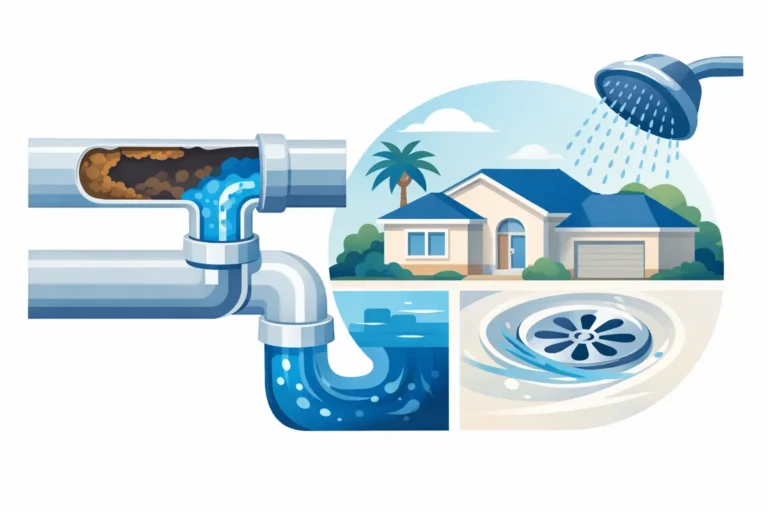
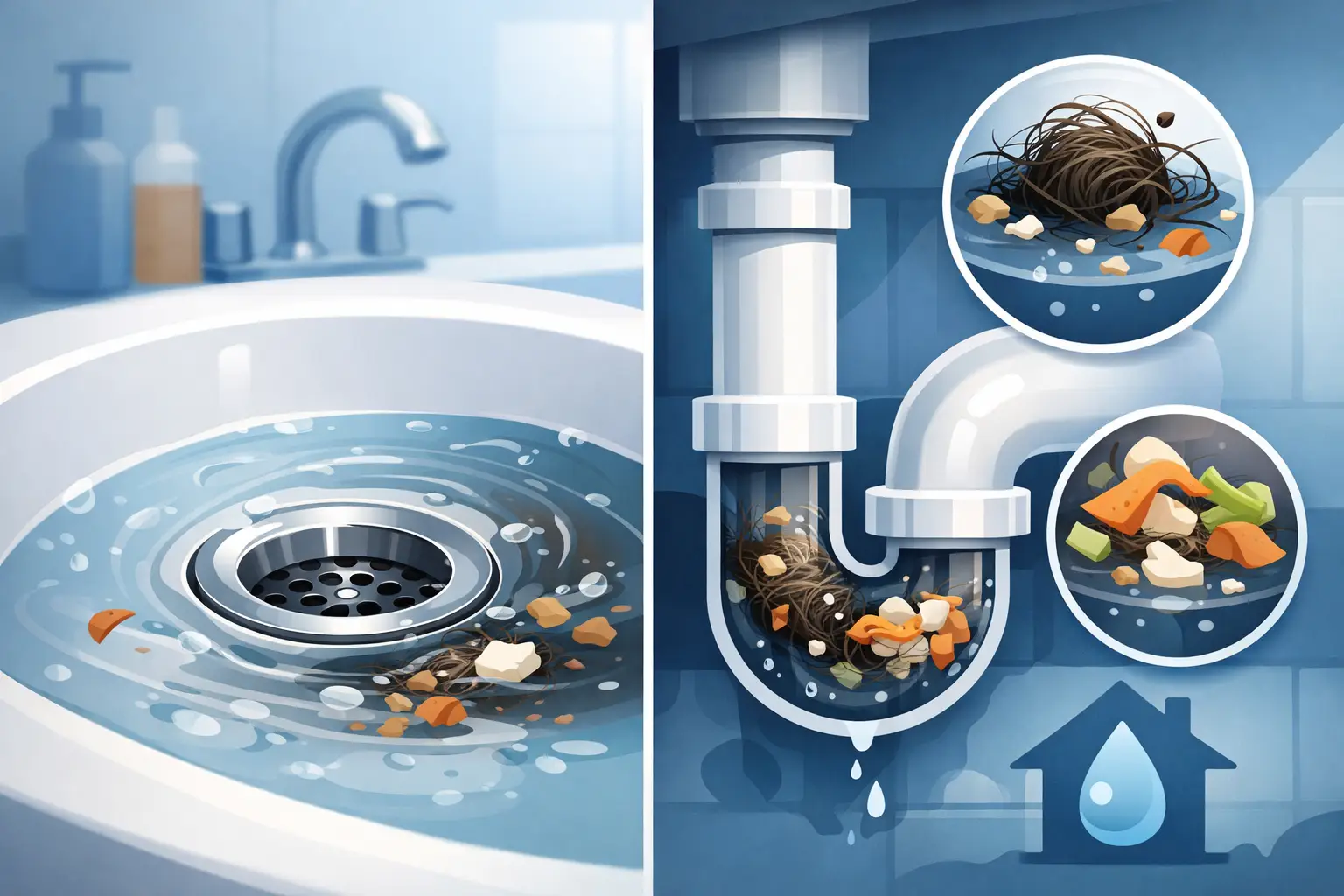
Many clogs are not solid plugs sitting near the drain opening. They are layers of material coating the inside of the pipe. Water can still pass through a small opening in that buildup, which makes the drain seem fixed after plunging or using a chemical product. Then more soap residue, grease, hair, food particles, or paper catches on the rough surface and the problem returns.
Kitchen drains often develop this pattern from cooking grease and food debris. Even when grease looks liquid going down the sink, it can cool inside the line and stick to pipe walls. Over time, it creates a sticky layer that catches everything behind it.
Bathroom drains have different troublemakers. Hair, soap scum, toothpaste, shaving products, and mineral residue can create a dense blockage in sink, tub, and shower lines. Removing hair near the stopper may improve flow, but it will not always clear buildup farther down the pipe.
Toilet clogs can also recur when too much paper, wipes, feminine products, cotton items, or other non-flushable material enters the line. Products labeled flushable do not always break down quickly enough to move safely through every home plumbing system. A toilet that needs frequent plunging deserves a closer look, especially if other fixtures are slow too.
The Location of the Clog Changes the Answer
One slow sink usually points to a local issue in that fixture’s drain line. A slow shower may have hair and soap buildup. A kitchen sink that backs up when the dishwasher runs may have grease or food debris in the kitchen branch line.
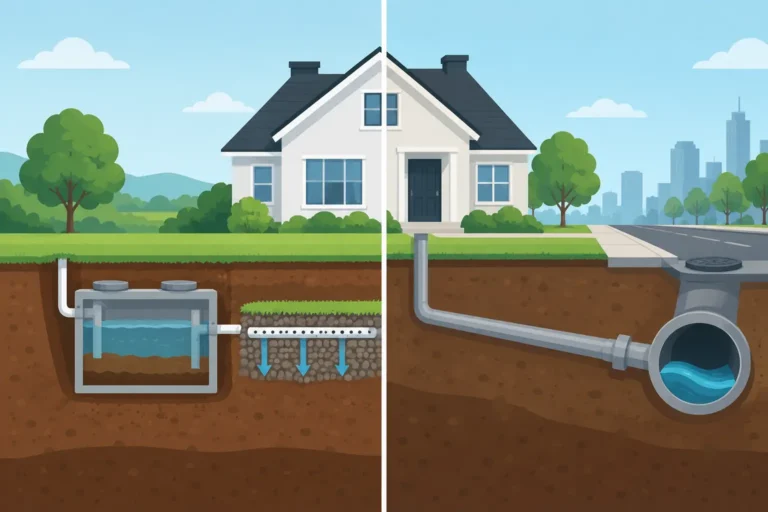
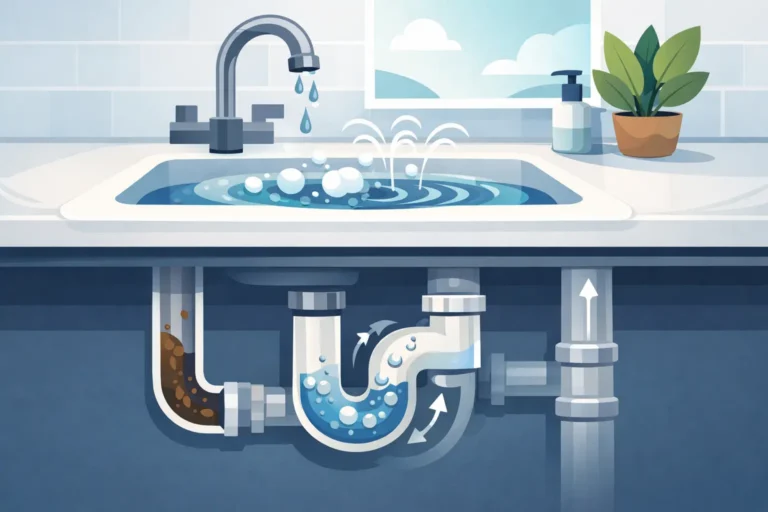
When several fixtures are slow or backing up at the same time, the problem may be in the main sewer line. Watch for toilets that gurgle when a sink drains, water rising in a tub after flushing, or a washing machine drain that causes trouble elsewhere in the house. Those are signs that wastewater is meeting resistance farther down the system.
The difference matters because a small fixture clog and a main-line blockage need different solutions. Repeatedly treating a main-line problem from one bathroom drain may provide little improvement and can delay the repair that actually protects your home.
Tree Roots Can Block Underground Pipes
In Central Florida, tree roots are a common reason an otherwise normal household starts having recurring backups. Roots naturally seek moisture. If an older underground pipe has a loose joint, small crack, or opening, roots can enter and grow inside the line.
At first, roots may only catch toilet paper and debris. Eventually, they can form a thick mass that restricts or blocks flow. Clearing the roots may restore drainage, but the condition of the pipe still matters. If the pipe is broken, separated, or deteriorating, roots can return unless the underlying issue is addressed.
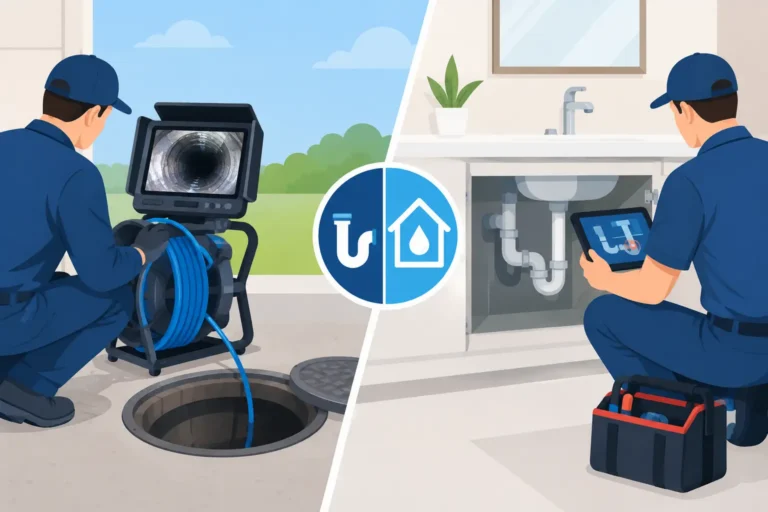
A video camera inspection can show whether roots are present, where they are located, and whether the pipe has damage. That takes the guesswork out of deciding whether the line needs thorough cleaning, monitoring, or repair.
Pipe Damage and Pipe Shape Matter Too
Not every recurring clog comes from what goes down the drain. Older pipes can corrode, crack, sag, or shift. A low spot in an underground line can hold water and waste instead of carrying it away. Debris settles in that area, and the same line repeatedly clogs.
Some pipes also develop rough interior surfaces as they age. Material catches more easily on those surfaces than it would in a clean, smooth pipe. If a clog returns in the same place after professional clearing, inspecting the pipe condition is often the sensible next step.
No guessing. No unnecessary work. Seeing the line from the inside helps identify whether cleaning is enough or whether a structural issue is driving the problem.
Why Chemical Drain Cleaners Often Do Not Solve It
Store-bought drain cleaners can appear convenient, especially when a sink is slow after dinner or a shower begins holding water. The trade-off is that these products may only create a narrow channel through soft material. They often do not remove heavy grease, packed debris, roots, or buildup deeper in the line.
Some chemical products can also be hard on certain pipes, seals, and fixtures when used repeatedly. They may leave behind corrosive liquid in a drain that is already blocked. That creates an added safety concern for anyone who later has to work on the line.
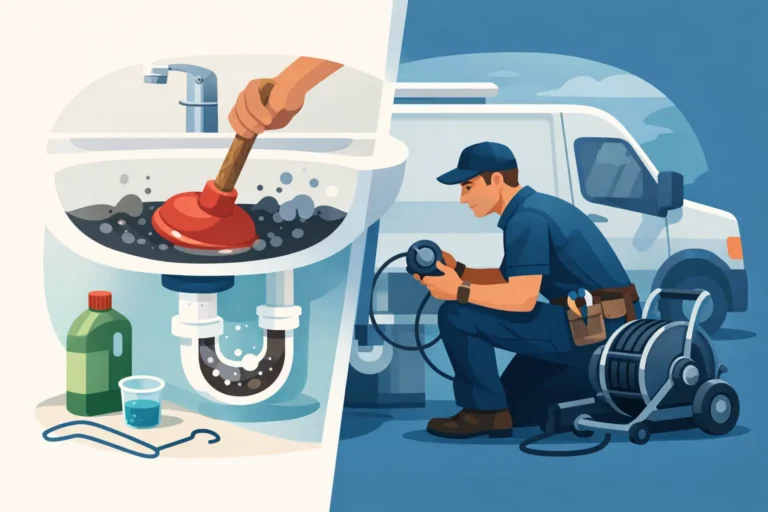
A plunger can be useful for a simple, fresh clog. A drain snake may remove a localized obstruction. But if the issue is repeated buildup or a main-line restriction, professional-grade cleaning may be needed to fully clear the pipe walls. High-pressure jetting, when appropriate for the pipe and problem, is designed to remove accumulated material rather than simply poke a hole through it.
Warning Signs That Call for a Professional Inspection
A drain that is slow once is not always an emergency. However, recurring symptoms are worth addressing before wastewater backs up into a tub, shower, or floor drain. Pay attention when you notice more than one fixture draining slowly, gurgling noises from toilets or sinks, sewage-like odors, water coming up in an unexpected fixture, or a clog that returns shortly after you clear it.
You should also take outdoor drainage seriously. Standing water near a storm drain, driveway drain, patio drain, or yard catch basin can become a bigger problem during a Florida downpour. Leaves, mulch, sand, soil, and lawn debris can block exterior drainage systems over time. If heavy rain leaves water pooling near your home, garage, or walkway, cleaning the visible grate alone may not clear the underground obstruction.
Storm drains and household sewer lines are different systems, but both need clear pathways to move water where it belongs. When either one is blocked, waiting can turn a manageable maintenance issue into water damage, unpleasant cleanup, or a more urgent service call.
How to Prevent Frequent Clogs After the Line Is Cleared
Prevention starts with using each drain for its intended purpose. Keep grease, coffee grounds, food scraps, and oil out of kitchen drains. Use a simple screen to catch hair in showers and tubs. Only flush toilet paper and human waste, and keep wipes, paper towels, dental floss, cotton products, and hygiene items out of the toilet.
Those habits help, but they cannot fix an existing pipe issue. If your home has older lines, nearby trees, a history of backups, or recurring exterior flooding, routine attention can save trouble later. The right schedule depends on the condition of the pipes, the number of people in the home, landscaping, and the drainage history of the property.
When a clog keeps coming back, ask for an explanation of what was found and what was done to remove it. A camera inspection before or after cleaning can provide clear answers about buildup, roots, damaged pipe sections, and remaining obstructions. USA Drain Cleaning uses that approach so homeowners can see the issue, understand their options, and make a decision without pressure.
A recurring clog is rarely just bad luck. Address it while it is still a drainage problem, not after it becomes a messy backup. The most helpful next step is a proper diagnosis that identifies where the blockage is, why it formed, and what will keep your drains moving again.