How to Protect Drains During Heavy Rainfall
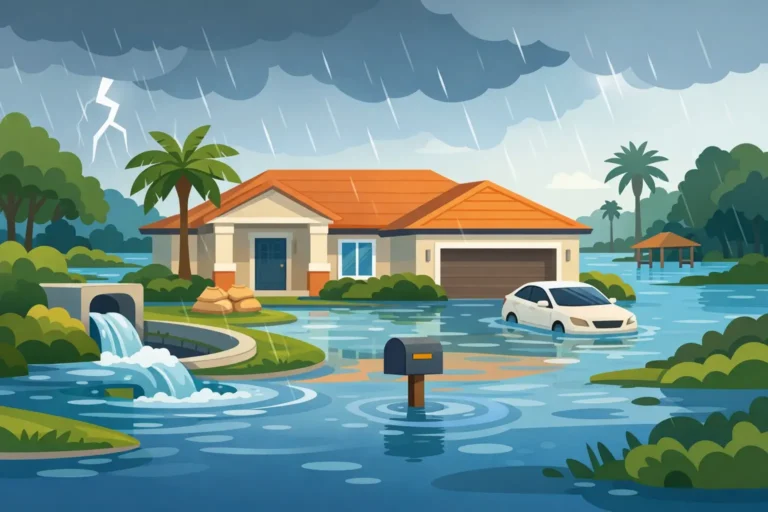
A Florida downpour can fill a driveway, yard, and gutter system in minutes. To protect drains during heavy rainfall, the work needs to start before water is standing at the curb, pushing against the garage, or backing up near the house. A clear drainage path gives rainwater somewhere to go. A blocked one can turn leaves, mulch, and ordinary yard debris into a flooding problem.
For homeowners in Lake County, the goal is not to make every drain look perfectly clean. It is to keep water moving away from the home and to recognize when a simple cleanup is no longer enough. Here is what to check before, during, and after a heavy rain.
How to Protect Drains During Heavy Rainfall
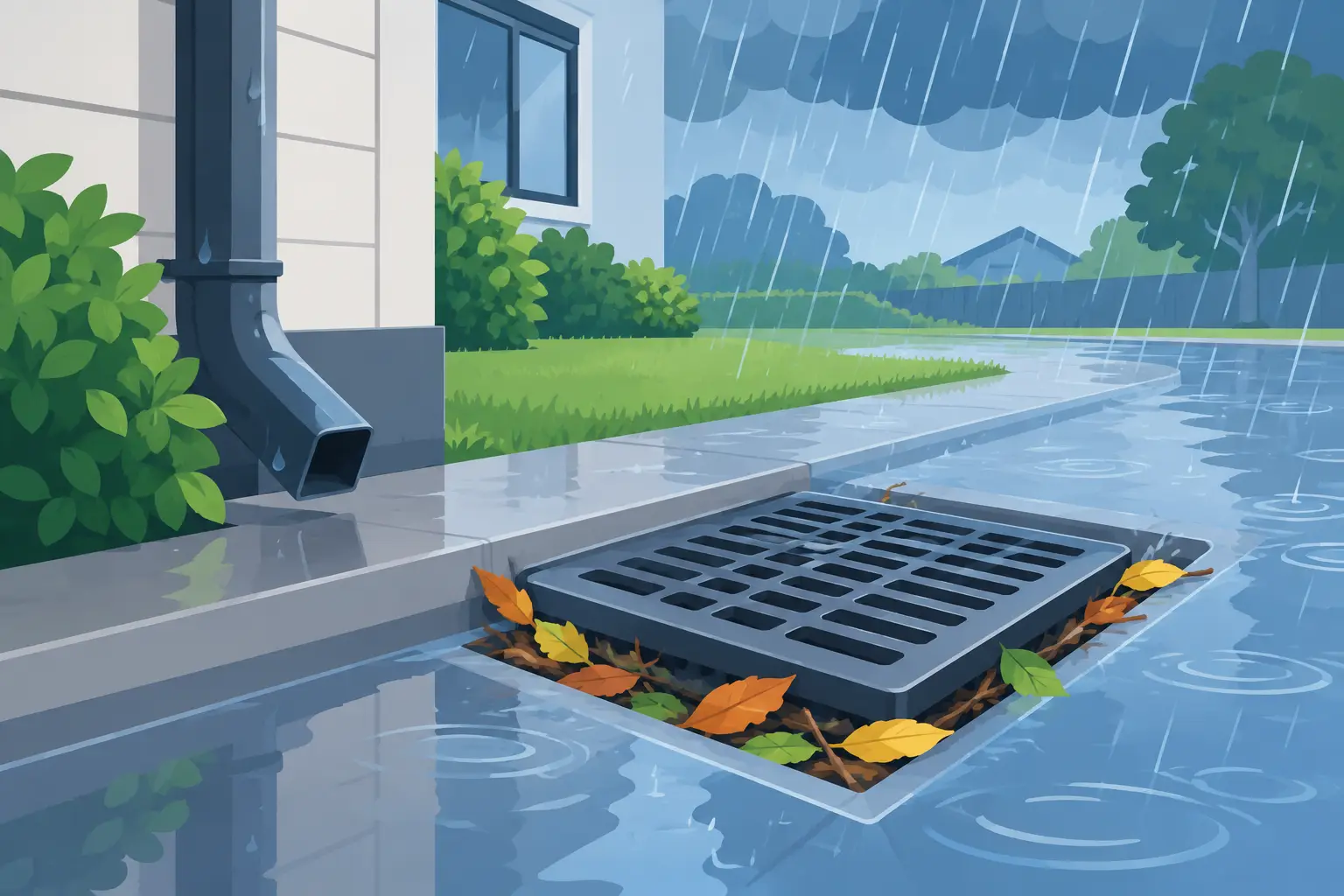
Exterior drains handle more than water. They collect everything the rain carries with it: oak leaves, pine needles, grass clippings, mulch, roof grit, dirt, and sometimes small branches. If those materials settle over a grate or enter the drain opening, water slows down. Once it slows, more debris gathers, and the blockage can build quickly.
Walk your property after dry weather and locate every place that collects runoff. This may include driveway drains, yard drains, catch basins, channel drains near the garage, downspout outlets, and storm drain grates near the street. Many homeowners only notice these systems when they fail, but a quick inspection before a storm can prevent a much larger cleanup later.
Keep drain covers visible and clear. Sweep loose leaves and grass away from grates rather than piling them beside the opening, where the next rain will wash them right back. If mulch regularly drifts toward a drain, create a small border or adjust the landscaping so it stays in place.
It also helps to check whether downspouts are sending water where it should go. A downspout that empties beside the foundation, across a walkway, or directly onto a clogged drain can create a concentrated flow that the area cannot handle. Extensions and splash blocks can guide water away from the house, but they should not be aimed at a neighbor’s property or placed where they create erosion.
Start With the Gutters and Downspouts
A storm drain in the yard cannot do its job if the roof drainage system is overflowing first. Clogged gutters let water spill over the edge, saturating soil around the foundation and carrying debris down toward exterior drains. You may see this as water sheeting over the gutter line or muddy channels forming below the roof.
Clean gutters regularly, especially after leaf drop and before the wetter parts of the year. Then check the downspouts while water is flowing. If one overflows at the top or barely releases water at the bottom, it may be blocked with leaves or packed debris.
Be careful with ladders and do not attempt roof-level work during a storm. If access is unsafe, wait for dry conditions or call a qualified professional. The priority during heavy rain is preventing damage, not taking risks to clear a gutter immediately.
Keep Yard Debris Out of Drain Openings
Landscaping can quietly cause drainage trouble. Fresh mulch, loose gravel, soil from a garden bed, and grass clippings may seem harmless, but they can collect inside a catch basin or settle in a drain line. Over time, the opening becomes smaller and the system carries less water than it should.
Avoid blowing lawn clippings toward the street, curb, or storm drain. Do not rake leaves into a ditch or pile bagged debris near drainage areas. Those materials can wash into the system during the first hard rain.
If you have a catch basin with a removable grate, clear loose debris from the surface when conditions are dry. Do not reach deep into a drain line or force tools into a pipe you cannot see. A buried line may be damaged, offset, or partially blocked, and aggressive do-it-yourself work can make the problem harder to diagnose.
Watch for These Signs During a Storm
Rainwater should move toward a drain and then disappear at a steady rate. It does not have to vanish instantly in every storm, particularly during a strong Florida downpour. But water that rises, lingers, or moves toward the house deserves attention.
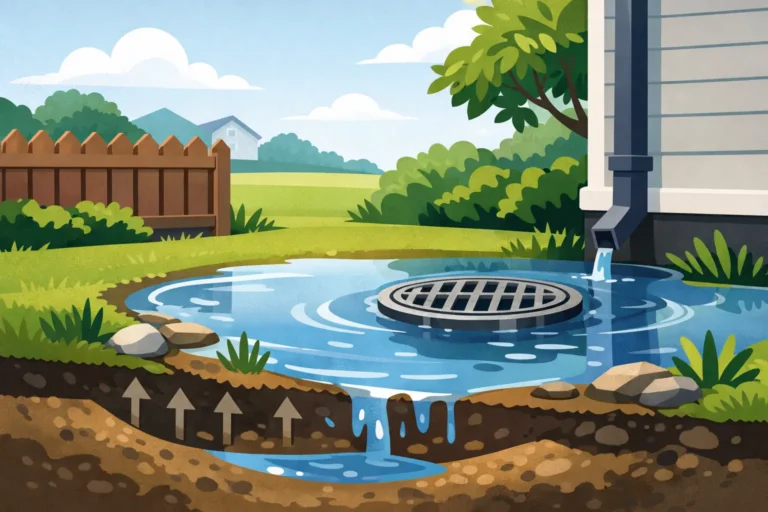
Watch for water pooling around a yard drain, bubbling from a grate, or spilling across a driveway because the channel drain cannot keep up. Pay attention to water collecting near the foundation, garage door, patio, or low spots in the lawn. These are not always signs of a clogged drain. The yard may have a grading issue, the drain may be undersized for the area, or the rain may be exceeding the system’s normal capacity. Still, recurring pooling is a reason to investigate.
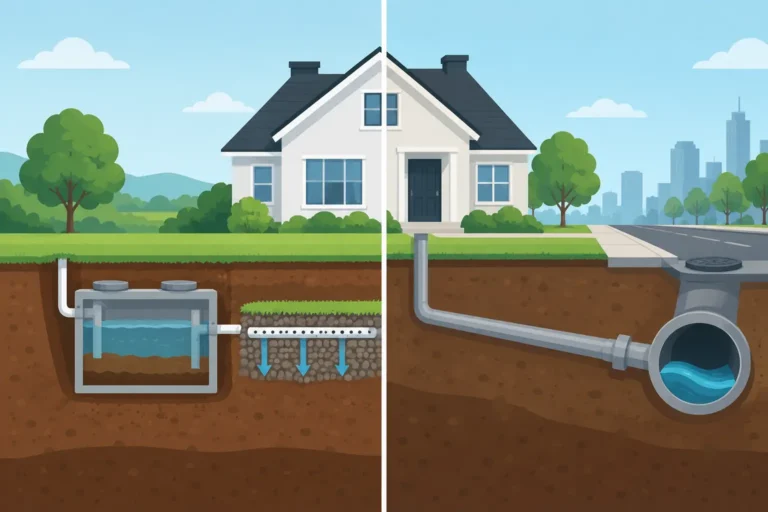
Inside the home, listen for gurgling at toilets, tubs, or sinks during or shortly after rain. If several fixtures drain slowly at once, water backs up in a tub or shower, or you notice a sewer odor, the issue may involve the main sewer line rather than the exterior storm drainage system. Rain can expose an existing blockage or a damaged pipe that has been allowing groundwater into the line.
Do not treat a sewer backup like a routine clogged sink. Stop using water where possible and arrange for professional help. Running the dishwasher, washing machine, or more fixtures can add to the backup.
A Simple Pre-Storm Check
When heavy rain is in the forecast, a short check around the property can make a real difference. Focus on the areas that have given you trouble before.
- Clear leaves, grass, and loose debris from visible drain grates and driveway channels.
- Check that downspouts are connected, open, and directing water away from the foundation.
- Move outdoor furniture, planters, and yard waste away from drainage paths.
- Look for standing water, soft soil, or erosion near drains that may point to a developing problem.
- Make sure sump pump discharge, if your home has a pump, is not aimed back toward the house.
Take note of what happens during the next storm. Does one drain fill before the others? Does water only pool after 20 minutes of rain, or does it happen immediately? Those details help identify whether the problem is surface debris, a restricted line, poor grading, or an overwhelmed drainage design.
Do Not Use Quick Fixes That Create Bigger Problems
It is tempting to pour chemical drain cleaner into any slow drain, but exterior drainage systems and household plumbing do not respond to the same fixes. Chemicals may not reach the actual blockage, and they can create a safety issue for anyone who later services the line. They also do nothing for root intrusion, collapsed piping, heavy sediment, or a drain line packed with yard debris.
Likewise, avoid covering a drain with towels, plastic, or makeshift barriers to keep leaves out during a storm. Water needs access to the drain. Covering it can redirect runoff toward the garage or foundation. A proper grate or debris basket, when designed for that drain, is a better long-term option.
If you use a garden hose to test a drain on a dry day, use moderate flow and stay nearby. If water rises quickly or returns to the surface, stop. That is useful information, but continuing to force water into a blocked line can flood the area.
When Professional Drain Cleaning Makes Sense
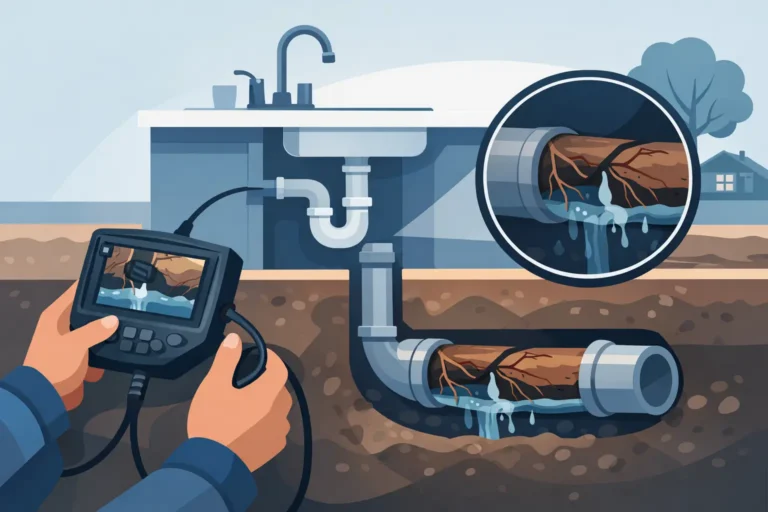
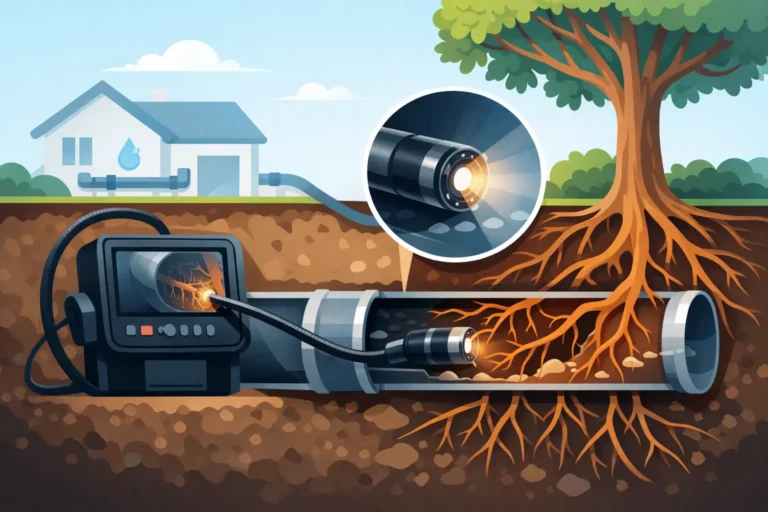
A drain that clogs repeatedly is usually telling you there is more than surface debris involved. Sediment can settle deep in a line. Tree roots can enter through joints or cracks. Older pipes may have bellies, separations, or damage that catches debris every time it rains.
This is where a camera inspection can save time and unnecessary work. Instead of guessing, a technician can inspect the line, show you what is inside, and explain whether cleaning, repair, or another solution makes sense. High-pressure jetting can clear buildup from certain drain lines, but it is not appropriate for every pipe condition. The right approach depends on the material, age, and condition of the line.
USA Drain Cleaning helps homeowners in Eustis and surrounding Lake County communities identify what is actually blocking their drains. No guessing. No unnecessary work. A clear diagnosis makes it easier to spend money where it solves the problem, not where it only hides the symptom.
After the Rain Stops
Once conditions are safe, inspect the property again. Remove debris that collected on grates, look for fresh erosion, and check whether water has drained away from low spots. If a drain was slow during the storm but clears afterward, do not assume the issue is gone. Partial blockages often work just well enough in light rain, then fail when the next heavy storm arrives.
Take photos of recurring pooling or water paths before they disappear. They can be useful when explaining the problem to a drainage professional. Most importantly, address patterns early. A little water near a drain is normal. Water repeatedly moving toward your home is your cue to get the cause checked before the next forecast turns dark.