What Causes Drain Odor? Common Home Causes
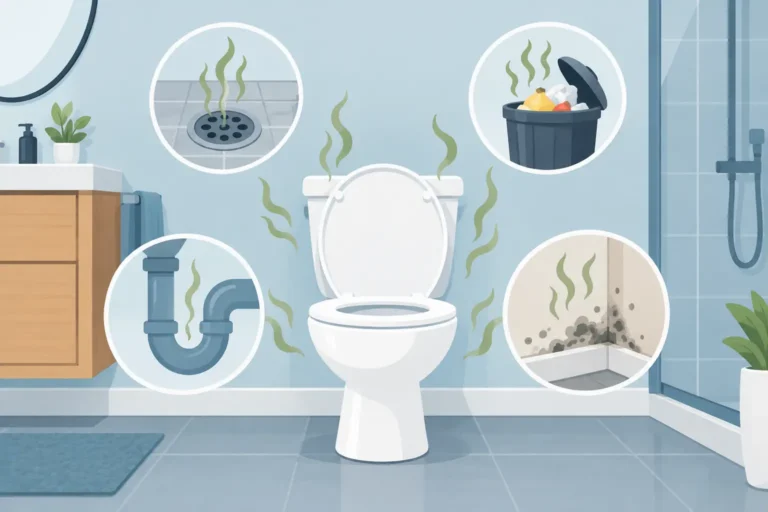
A drain can look perfectly clean and still make a bathroom, kitchen, or laundry room smell unpleasant. So, what causes drain odor? Usually, the smell comes from sewer gas, trapped organic material, or a drainage problem that is allowing odors to move back into the house. The source may be simple, but a persistent odor deserves attention before it turns into a clog, backup, or sanitation issue.
For homeowners in Lake County, humidity and frequent use of air conditioning can make indoor odors more noticeable. Heavy rain can also expose drainage issues outside the home. The key is to notice where the smell is strongest, when it appears, and whether other drain symptoms are happening at the same time.
What Causes Drain Odor in a House?
Every plumbing fixture has a drain trap, usually called a P-trap. This curved section of pipe holds a small amount of water that creates a barrier between your home and the sewer line. When that water barrier is missing or compromised, sewer odors can travel up through the drain opening.
That is only one possibility. Food residue, hair, soap scum, grease, bacteria, a partial clog, or a damaged sewer line can all produce unpleasant smells. A garbage disposal can be the source in a kitchen, while a seldom-used shower or floor drain is often the problem in a guest bathroom, garage, or laundry area.
The odor itself offers a clue. A musty smell may point to buildup in the drain or overflow opening. A rotten-egg or sewer-like odor is more likely connected to sewer gas, trapped waste, or a drainage system issue. If the odor is strong throughout the house, especially when several fixtures are slow or gurgling, the problem may be farther down the main drain line.
A Dry P-Trap Lets Sewer Gas In
A dry P-trap is one of the most common and easiest drain odor causes. If a sink, shower, tub, or floor drain has not been used for weeks, the water in the trap can evaporate. Once that happens, there is no seal blocking sewer gas.
This often occurs in guest bathrooms, vacation homes, utility sinks, garage floor drains, and spare showers. Florida heat can speed up evaporation in areas that are not regularly used.
The first step is simple: run water into the drain for a minute or two. For a floor drain, pour in a few cups of water. If the odor disappears and stays gone, the trap was likely the issue. If the smell returns quickly, there may be a cracked trap, a venting concern, or a larger drain-line problem that needs to be diagnosed.
Buildup Inside the Drain Creates a Musty Smell
Bathroom drains collect a surprising amount of material. Hair combines with soap residue, toothpaste, skin oils, and other debris to form a sticky coating inside the pipe. Bacteria feed on that material, and the result can be a sour, musty, or sewage-like odor.
Kitchen drains have their own version of the same problem. Grease, food particles, coffee grounds, and residue from dishes can cling to the pipe walls. Even if the sink still drains, that buildup can smell when warm water passes through it.
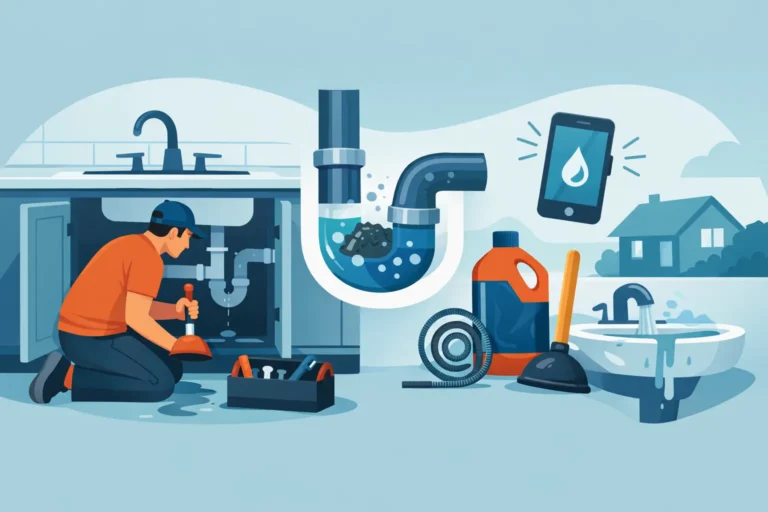
A basic cleaning may help with light residue. Remove visible hair from the stopper, rinse the drain with hot tap water, and clean the sink overflow opening if it has one. The overflow is the small hole near the top of many bathroom sinks, and it can hold bacteria and buildup that are easy to overlook.
Avoid mixing chemical drain cleaners or pouring multiple products down the drain. Those combinations can create dangerous fumes or damage pipes. Chemical cleaners also tend to burn through a small opening in a clog without removing the buildup along the pipe wall. The drain may improve briefly, then the odor and slow flow return.
Garbage Disposal Odors Are Often a Cleaning Issue
If the smell is strongest at the kitchen sink, the garbage disposal is a likely suspect. Small food particles can remain beneath the splash guard, around the grinding chamber, or in the connected drain pipe. Running the disposal with water does not always remove that residue.
Turn the disposal off before cleaning it. Wipe the underside of the rubber splash guard and remove any visible debris safely. Then flush the disposal with cold water while it runs. If the odor continues, especially alongside slow draining or standing water in the sink, the issue may be grease buildup or a partial blockage beyond the disposal.
Do not send cooking oil, grease, fibrous vegetable scraps, pasta, rice, or large amounts of coffee grounds into the disposal. They may not cause an immediate clog, but they can contribute to pipe buildup over time.
A Partial Clog Can Trap Waste and Odors
A drain does not need to be completely blocked to smell bad. Partial clogs hold wastewater and organic material in the pipe longer than they should. That stagnant material can produce odor, attract drain flies, and cause the fixture to drain slowly.
Watch for a sink or tub that drains, but leaves water sitting for a few minutes. Gurgling, bubbling water, or an odor that gets worse after using the fixture are also signs that water and air are not moving through the line properly.
Recurring clogs are especially worth taking seriously. Repeated plunging or store-bought chemicals may create a temporary opening, but they do not show what is actually inside the pipe. Buildup, a collapsed section of pipe, roots, or a foreign object can all create the same frustrating cycle.
Sewer Line and Vent Problems Need a Closer Look
When multiple drains smell bad, drain slowly, or gurgle at once, the problem may involve the main sewer line. A blockage in that line can affect sinks, toilets, showers, and tubs throughout the home. You may notice that flushing a toilet causes water to rise in a nearby tub, or that odors become stronger after heavy water use.
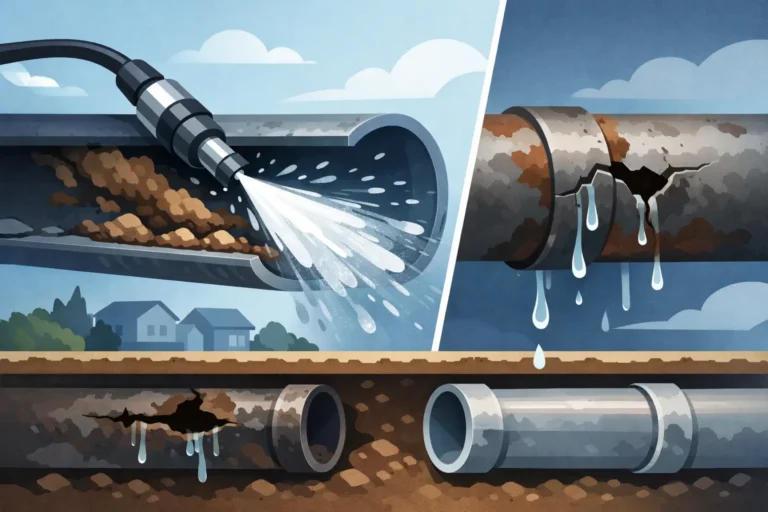
Tree roots are a common cause of main-line trouble in older homes. Roots can enter small pipe openings, grow inside the line, and catch toilet paper and waste. Pipe scale, shifting soil, cracks, and aging materials can create similar restrictions.
Plumbing vents can also contribute to odor issues. Vent pipes help air move through the drainage system so traps stay sealed and fixtures drain correctly. A blocked or damaged vent can lead to gurgling, slow drainage, and siphoning that pulls water out of a trap. Vent problems are not something to guess at from the ground. A proper inspection is the safer way to identify the condition.
Do Not Overlook Exterior and Storm Drains
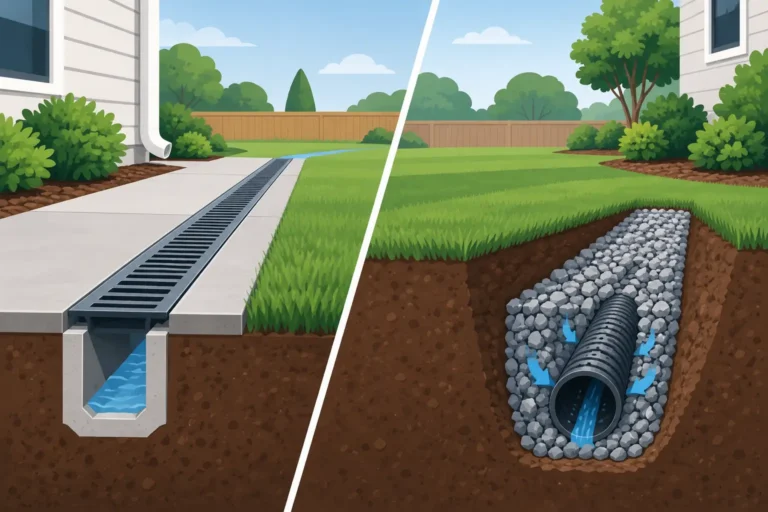
Drain odor is not always coming from an indoor fixture. Exterior drains near patios, driveways, pool decks, or yards can collect leaves, mulch, sediment, and standing water. Organic material breaks down and can create a swampy or sewer-like smell, particularly after rain.
A blocked exterior drain can also leave water pooling near the house. In Central Florida, that is more than an inconvenience. Heavy rain can quickly turn a slow exterior drain into standing water that affects walkways, landscaping, and low areas around the property.
Clear loose leaves and visible debris from drain grates, but avoid reaching into a drain where you cannot see what is inside. If water remains after the rain has stopped or the odor keeps returning, the line may be obstructed below the surface.
When a Drain Odor Calls for Professional Service
A one-time odor from a dry guest-bathroom drain may be resolved with water and regular use. A smell that returns, spreads through the house, or comes with slow drains is different. That is when guessing can cost more than a clear diagnosis.
Professional drain cleaning is useful when buildup or a blockage is the cause. For recurring clogs, main-line symptoms, or suspected root intrusion, a video camera inspection can show the actual condition inside the pipe. No guessing. No unnecessary work. You can see whether the issue is grease buildup, roots, a damaged line, or something else entirely.
Call for help promptly if you notice sewage backing up into a tub or shower, water coming up through a floor drain, several fixtures draining slowly, or a strong sewer odor that does not go away after refilling traps. Those signs can point to a main drain issue that should be handled before wastewater enters the home.
A clean-smelling drain is not just about making the room more comfortable. It is often a sign that water, waste, and air are moving through your plumbing system the way they should. If the smell keeps coming back, getting the line inspected can replace repeated temporary fixes with a straightforward answer and the right repair.