Pipe Lining Versus Replacement for Your Home
A sewer line problem can make a homeowner feel like the yard is about to be torn apart. But pipe lining versus replacement is not a one-size-fits-all decision. The right answer depends on what is happening inside the pipe, how much damage is present, and whether the line can still support a lasting repair. A camera inspection takes the guesswork out of that decision before anyone recommends major work.
Pipe Lining Versus Replacement: The Main Difference
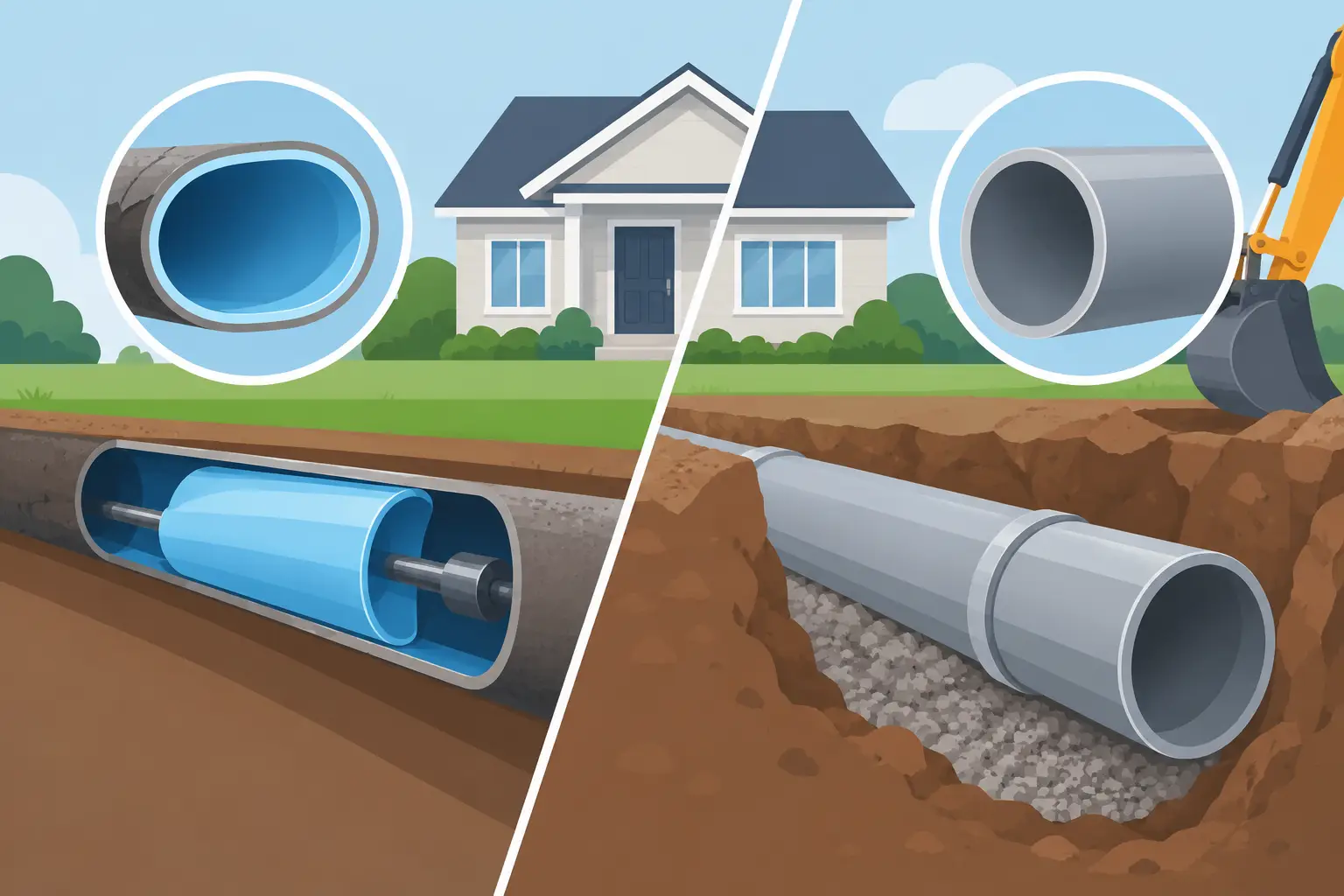
Pipe lining repairs a damaged pipe from the inside. A contractor cleans the line, inserts a resin-saturated liner, and cures it in place to create a new pipe within the old one. Because the work is completed through access points or small entry areas, lining can often avoid digging up landscaping, driveways, patios, or sections of flooring.
Pipe replacement removes the failed section of pipe and installs new material. Depending on the location, this may require excavation in the yard, access through a slab, or removal and replacement of affected surfaces. It is more disruptive, but it is sometimes the only responsible choice.
Neither option is automatically better. Lining is valuable when the existing pipe still has enough structure to serve as a host for the new liner. Replacement is the better long-term answer when the pipe has collapsed, badly shifted, or deteriorated beyond what a liner can correct.
When pipe lining may make sense
Lining is often worth considering when a sewer pipe has cracks, small gaps at joints, root intrusion, corrosion, or rough interior surfaces that catch waste and cause recurring backups. It can also be a practical option when the line runs under a driveway, mature landscaping, a patio, or another area where excavation would create significant restoration work.
For many older homes, the pipe may be worn without being structurally destroyed. A camera can show whether the walls are still generally round and continuous, even if roots have entered at a joint or buildup has narrowed the opening. After professional cleaning, a liner may create a smooth, sealed interior that helps prevent those same trouble spots from returning.
Lining is not simply a way to avoid digging. It still requires proper cleaning, accurate measurements, good access, and a pipe condition that supports the repair. A liner installed over heavy scale, remaining roots, or a badly damaged section is not a durable solution.
When replacement is the safer choice
Replacement is usually necessary when the camera shows a collapsed pipe, a severe belly that holds water and waste, major separation, extensive missing material, or a line that has been crushed by roots or soil movement. A liner follows the shape of the existing pipe. It may seal cracks, but it cannot restore proper slope or fix a section that no longer has a usable path through it.
Replacement may also be the better option when only a short, accessible section has failed. If the damaged area is in an open yard with easy access, replacing that section can be more straightforward than lining a longer run. The best choice should be based on the actual repair area, not on a sales pitch for one method.
Start With the Cause, Not the Repair Method
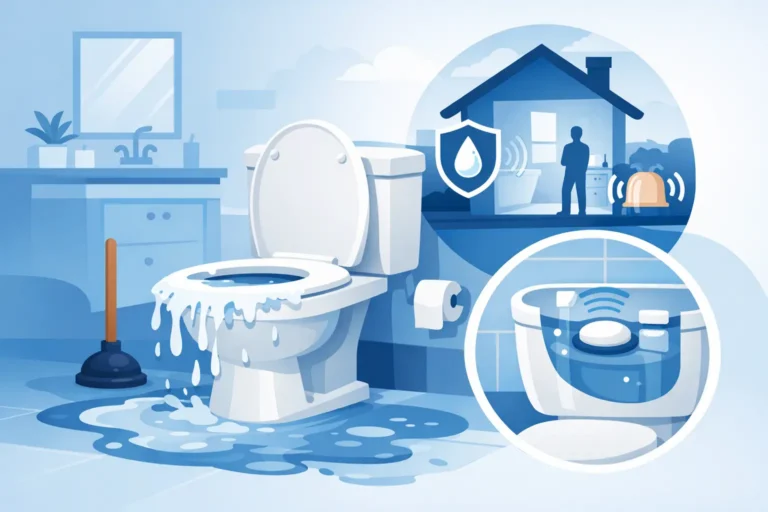
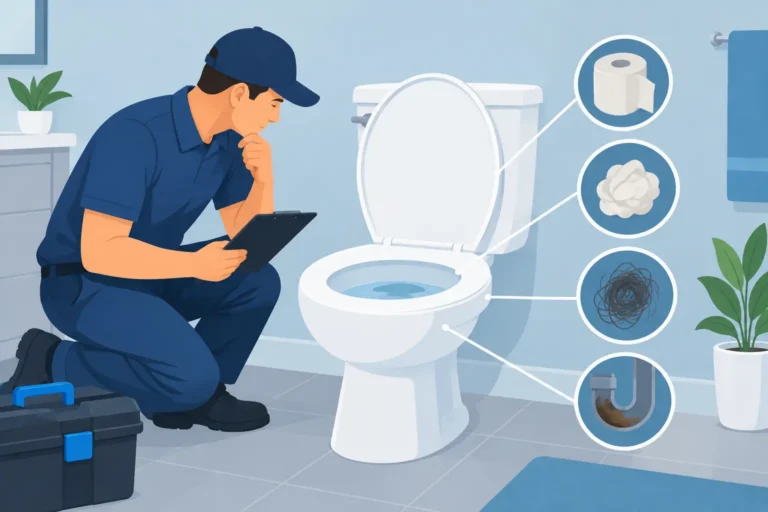
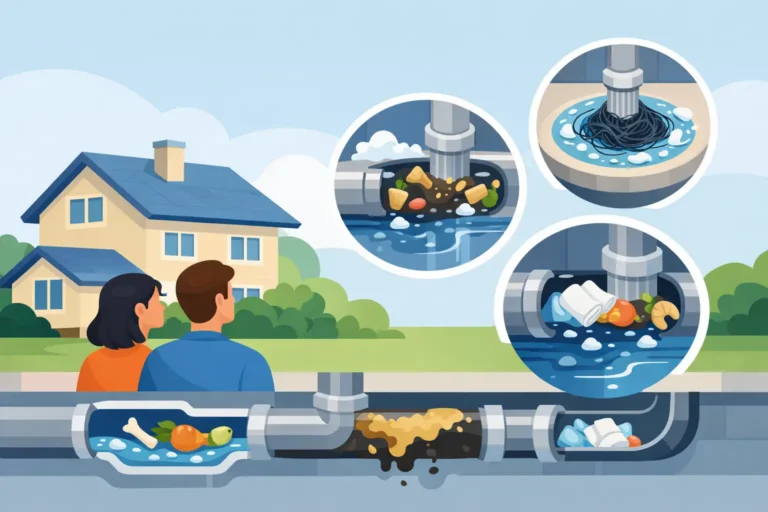
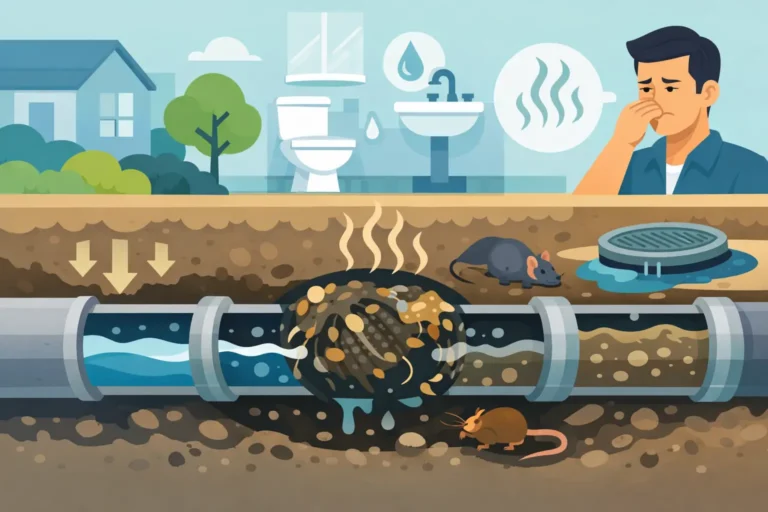
A slow drain, gurgling toilet, foul odor, or recurring main-line backup does not automatically mean the sewer pipe needs lining or replacement. Grease, wipes, scale, and roots can obstruct a line that is otherwise structurally sound. Clearing the blockage may solve the immediate problem, while a camera inspection reveals whether there is an underlying defect that needs further attention.
That order matters. A technician should clean the line enough to see its condition, then show you what the camera found in plain language. At USA Drain Cleaning, the goal of a camera inspection is to identify the actual source of the trouble, not to push unnecessary work. No guessing. No unnecessary work.
During an inspection, homeowners should expect clear answers about the location of the problem, the type of pipe involved, the extent of root intrusion or damage, and whether the issue is isolated or affecting the full run. Video evidence is especially helpful when you are deciding between a repair that preserves the existing pipe and a replacement that requires excavation.
Cost Is More Than the Repair Price
It is natural to compare pipe lining and replacement by the initial quote. However, the full cost includes more than the pipe work itself. Replacement may involve digging, hauling soil, protecting utilities, replacing sod, repairing landscaping, or restoring a driveway or patio. Those restoration costs can change the value of the project significantly.
Pipe lining can reduce surface disruption, which may make it cost-effective even when the repair itself is not the lowest number on paper. On the other hand, lining a pipe that is too damaged for it can lead to another repair later. The least expensive option is not a bargain if it does not address the cause of repeated backups.
Ask for a quote that explains what is included: cleaning, camera inspection, access work, repair length, excavation if needed, and surface restoration responsibilities. A clear quote lets you compare options fairly and plan your budget without surprises.
How to Choose Between Lining and Replacement
The decision usually becomes clearer when you look at four practical questions. First, is the pipe still structurally sound enough to be lined? Second, does it have a slope problem, collapse, or severe deformation that only replacement can fix? Third, where is the damaged section located? Finally, what would excavation disturb around your home?
A line with root intrusion at several joints but no collapse may be a strong lining candidate, particularly if it runs beneath a driveway or established landscaping. A pipe with a major low spot that repeatedly collects waste may need replacement because the drainage issue will remain even after a liner is installed. A short broken section near an accessible cleanout may be best replaced directly.
Older Lake County homes can have a mix of pipe materials and repair history. Cast iron can corrode and develop rough interiors. Clay joints can allow roots in. PVC can shift or crack when soil conditions change. The material matters, but the camera findings matter more. Two homes built in the same neighborhood may need completely different solutions.
Questions Worth Asking Before You Approve Work
Before approving pipe lining or replacement, ask to see the camera footage and have the technician point out the damage. Ask whether the pipe has proper slope, whether roots are a one-time obstruction or evidence of failed joints, and whether the proposed repair addresses the entire affected area.
You should also ask what preparation is needed before a liner can be installed, how access will be handled, and what happens if the line cannot be lined once work begins. If replacement is recommended, ask how much excavation is expected and who is responsible for restoring disturbed areas.
A trustworthy recommendation will explain why one method fits your pipe better than the other. It will not treat every backup as a replacement job or promise that lining can solve damage it cannot correct.
Do Not Confuse Sewer Repairs With Storm Drain Problems
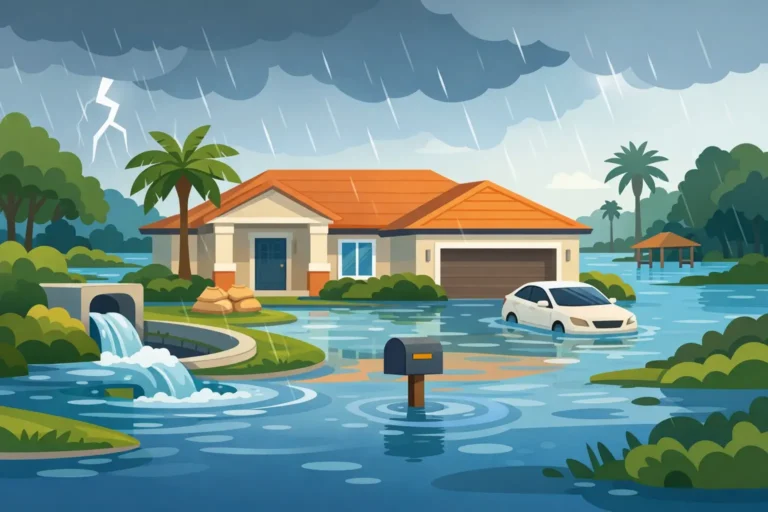
Standing water near a yard drain or driveway drain can look like a sewer problem, but it often involves a separate exterior drainage system. Leaves, sand, soil, roots, and heavy Florida rain can block storm drains and cause water to pool around the home.
The same principle applies: inspect the system, identify the blockage or break, and choose the repair based on its actual condition. Cleaning an exterior drain may restore flow without pipe repair. If the storm line is broken or crushed, the repair approach should be based on the location, material, and accessibility of that line.
If you are facing recurring backups or a suspected broken line, do not make the decision from symptoms alone. Get the line cleaned and inspected, review what the camera shows, and choose the repair that protects your home and your budget for the long run.