Can Roots Block Drains? Florida Warning Signs
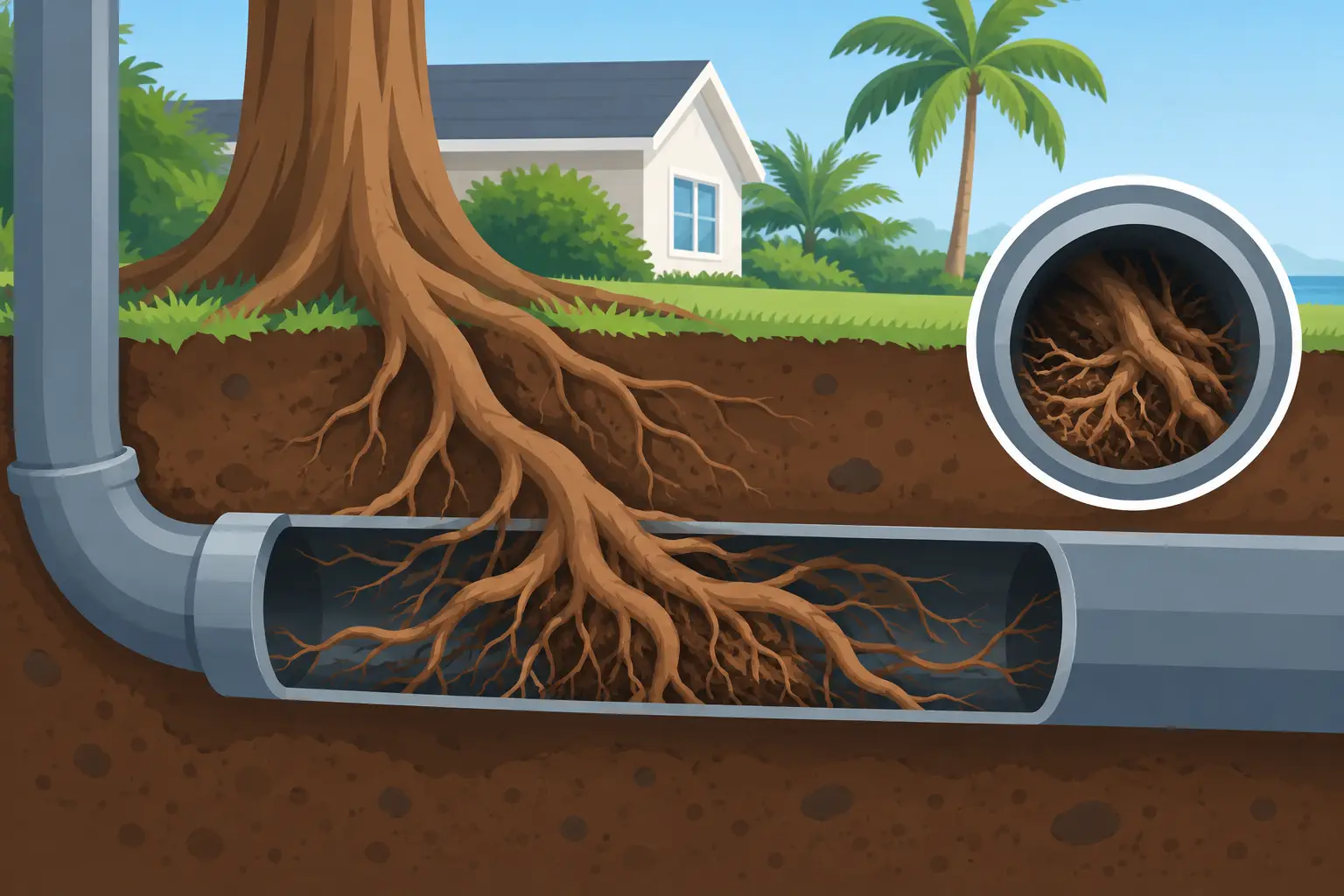
A toilet that bubbles when the washing machine drains, a shower that stays slow after you clear the hair, or a foul smell near the yard can point to more than an ordinary clog. Can roots block drains? Yes. Tree roots can enter small openings in underground sewer and drain pipes, then grow inside until wastewater has nowhere to go.
For Lake County homeowners, this problem often starts quietly. A drain may run a little slower for months, then become a full main-line backup with little warning. Knowing what root intrusion looks like helps you act before wastewater reaches a tub, shower, or floor drain.
How roots get into drain pipes
Roots do not usually crush a sound pipe just because they are nearby. They are drawn to the moisture, oxygen, and nutrients that can escape through a tiny crack, loose pipe joint, failed seal, or aging section of pipe. Once a root finds that opening, it can grow into the line and spread along the inside.
Older homes can be more vulnerable, particularly where underground lines have settled or where joints have shifted over time. Clay, cast iron, and some older pipe connections can develop openings as the ground moves. Even newer pipes are not completely immune if a connection is damaged or improperly sealed.
Florida’s warm climate supports active root growth for much of the year. Mature oaks, palms, citrus trees, and other landscaping near a sewer line can all contribute, but the nearest visible tree is not always the source. Roots may travel farther than homeowners expect in search of water.
At first, fine roots act like a net. They catch toilet paper, grease, soap residue, and other debris that normally would move through the line. As that material builds up, the opening gets smaller. Larger roots can eventually create a dense blockage or expose a pipe defect that needs repair.
Signs roots may be blocking your drains
A single slow bathroom sink is often a local issue, such as hair, soap buildup, or a clog in the trap. Root intrusion is more likely when several fixtures act up together or when the trouble keeps returning after a basic drain clearing.
Watch for these warning signs:
- Toilets gurgle, bubble, or have changing water levels when another fixture drains.
- The tub, shower, or lowest drain in the home backs up when you run the washer or flush a toilet.
- Multiple drains are slow at the same time, especially on the same side of the house.
- A clog returns within weeks or months after being cleared.
- You notice sewage odors indoors, near a cleanout, or around part of the yard.
- A patch of lawn appears unusually green, soft, or wet during dry weather.
None of these symptoms proves roots are the cause. Grease buildup, a collapsed pipe, a foreign object, or a sagging line can create similar problems. That is why guessing based on symptoms alone can lead to repeated service calls and money spent on the wrong fix.
Why a recurring clog deserves a camera inspection
When a drain is blocked, getting water moving again matters. But when the same line clogs repeatedly, clearing it without finding the cause is often temporary. A professional video camera inspection allows the technician to see inside the pipe and identify whether roots are present, where they are entering, and whether the line is otherwise damaged.
The camera can also show the difference between a root mass and ordinary buildup. That distinction matters because the right solution changes with the condition of the pipe. If the pipe is structurally sound and roots are limited, professional cutting and high-pressure jetting may clear the line thoroughly. If the camera shows separated joints, major cracks, or a collapsed section, the homeowner can make an informed decision about repair instead of paying for repeated cleanings.
This is the practical benefit of diagnostics: no guessing and no unnecessary work. You should be able to see or have the findings explained in plain language before approving a recommendation.
Can roots block drains outside the house?
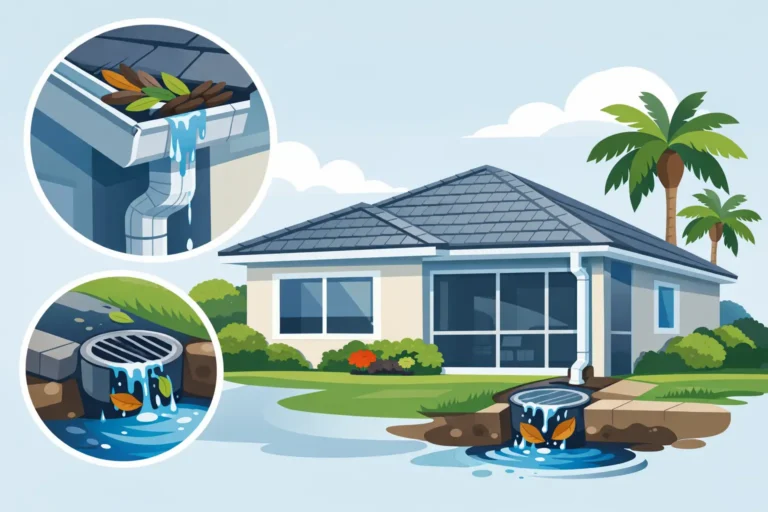
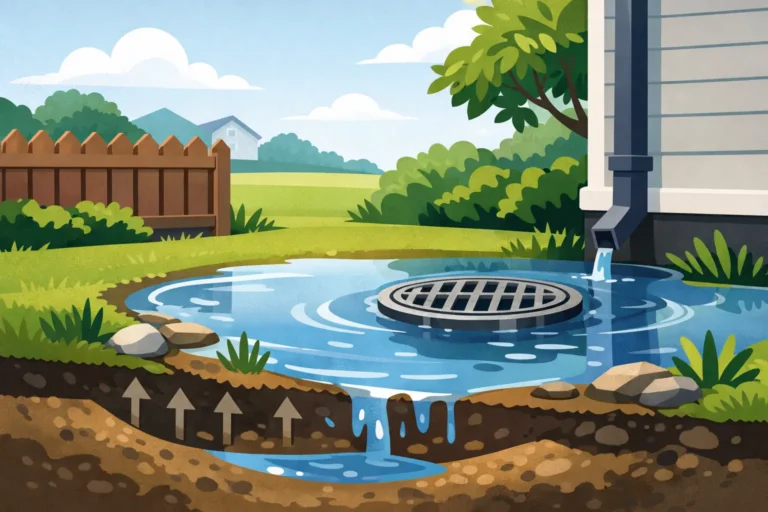
They can. Roots may affect the sewer line that carries wastewater away from the home, but they can also contribute to exterior drainage trouble. Yard drains and storm drains collect leaves, mulch, dirt, and roof runoff. Roots can enter damaged sections or grow around grates and pipes, trapping debris until water begins pooling near a driveway, patio, or foundation.
Heavy rain can turn a partly blocked exterior drain into an immediate problem. If water stands around a storm drain long after the rain stops, do not assume the grate is the only issue. The blockage may be farther down the pipe, where it cannot be reached with a garden hose or surface cleaning.
Storm drainage and household sewer drainage are separate systems, so they should be diagnosed and cleaned according to their purpose. A clear explanation of which line is affected helps prevent the wrong work from being done.
What professional root removal involves
A professional drain cleaning visit should begin with the symptoms and the line involved. For a suspected main-line blockage, access may be through a cleanout rather than inside fixtures. A camera inspection can confirm the issue and help locate the affected section.
Depending on the pipe material and condition, a technician may use specialized root-cutting equipment to open the line, followed by high-pressure jetting to remove loosened roots, sludge, and buildup from the pipe walls. Simply poking a small hole through the blockage may restore flow for a short time, but it leaves much of the material behind. A more complete cleaning gives the line a better chance of staying open.
Still, cleaning is not the same as repairing a damaged pipe. Roots can grow back if the opening that admitted them remains. If inspection shows a significant break or failed joint, the long-term answer may involve repairing that section. A trustworthy recommendation should separate what needs attention now from what can be monitored, with clear pricing before work begins.
What not to do when you suspect root intrusion
Avoid pouring repeated doses of chemical drain cleaner into a line that is backing up. These products rarely remove a root blockage, and they can create hazards for anyone who later opens the line. They may also sit in standing water, where they offer little benefit.
Be cautious with rental machines as well. Drain cables can damage a weakened pipe, get stuck in heavy roots, or leave a homeowner with a line that seems open but remains packed with debris. If sewage is backing up indoors, limit water use right away. Do not run the dishwasher, washing machine, showers, or multiple flushes while waiting for help, because every gallon can add to the backup.
Reducing the chance of future root problems
You do not need to remove every tree near your home to protect a drain line. The better approach is to know where underground pipes run before planting large trees or adding major landscaping. If a line has had root intrusion before, periodic camera checks and maintenance cleaning may be more sensible than waiting for another emergency.
Keep grease, wipes, paper towels, and hygiene products out of drains. These materials do not cause roots, but they give roots more debris to catch and can turn a minor intrusion into a serious clog sooner. For exterior drains, clear leaves and mulch from grates before heavy rain and pay attention to water that starts pooling in familiar places.
If you are seeing recurring clogs, gurgling fixtures, or water backing up at the lowest point in the house, it is worth getting answers before the next load of laundry creates a bigger mess. USA Drain Cleaning can inspect the line, explain what the camera shows, and recommend only the work the condition calls for. A clear diagnosis now can protect your home, your yard, and your budget later.