Sewer Backup: What Lake County Homeowners Should Do
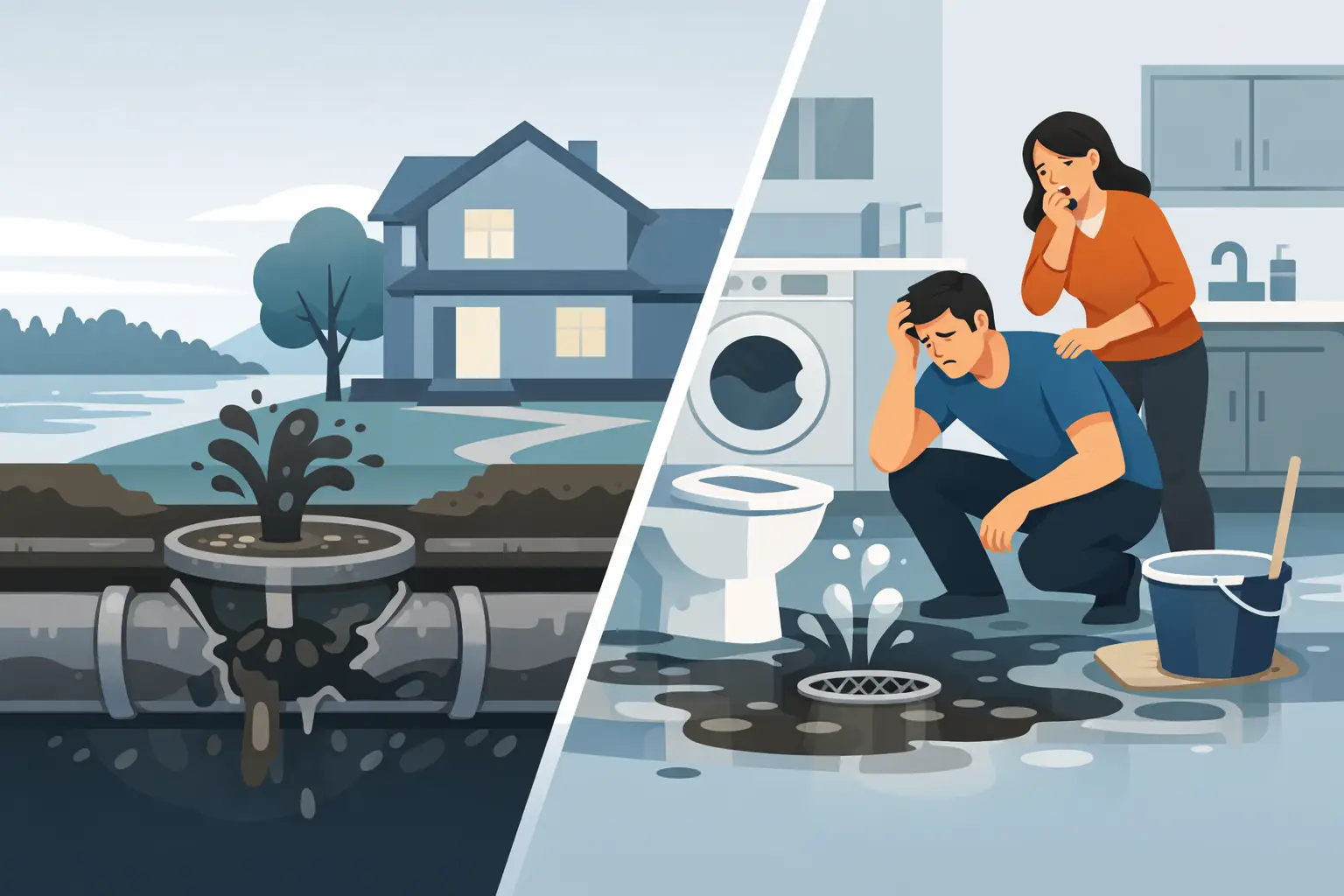
Water rising in a shower after you flush the toilet is not a clog you should wait out. It is one of the clearest signs of a sewer backup, and it can quickly become a messy, unhealthy problem inside your home. For Lake County homeowners, the right response is simple: stop adding water to the system, protect the affected area, and get the line checked before a small backup reaches flooring, cabinets, or living space.
A main sewer line carries wastewater from every drain in the home. When that line is blocked or damaged, water has nowhere to go. It often returns through the lowest open fixture, such as a shower, tub, floor drain, or first-floor toilet. The sooner the cause is identified, the better your chance of limiting cleanup and avoiding repeat trouble.
What a Sewer Backup Looks Like in a Home
Most sewer problems give warning signs before a full overflow. A single slow bathroom sink may be a local issue near that fixture. But when several drains act up at once, the problem is more likely in the main line serving the house.
Watch for toilets that bubble when the washing machine drains, water backing into a tub after flushing, or gurgling sounds from sinks and showers. You may also notice sewage odors around drains, unusually slow fixtures throughout the home, or wastewater pooling at a cleanout outside. These are not signs to cover up with drain cleaner or air freshener. They are signs that the drainage system needs attention.
The pattern matters. If the kitchen sink drains slowly but every other fixture works normally, grease or buildup in the kitchen branch line may be the issue. If the toilet, shower, and sink all respond when you run water in another room, a main-line blockage is much more likely.
What Causes a Sewer Backup?
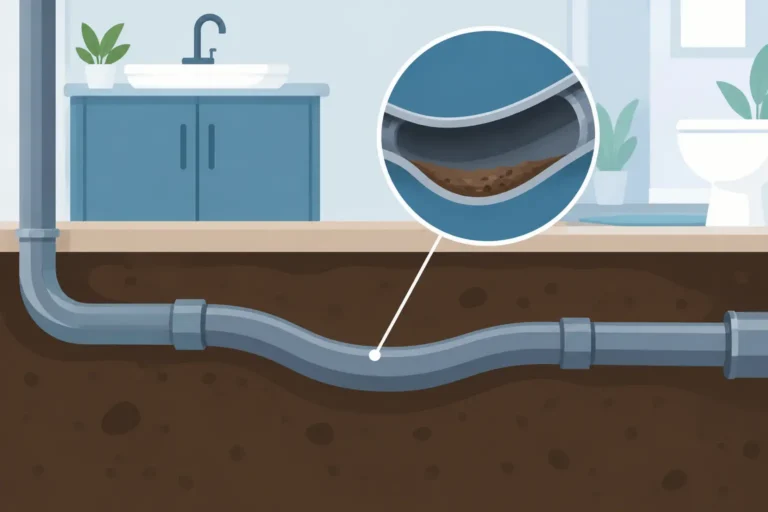
There is no single answer because every property and drainage system is different. The most common causes are buildup inside the pipe, flushed items that do not belong in the system, tree roots entering damaged joints, and aging or shifted pipe sections. In some homes, a low area in the line can hold waste and paper until the passage becomes restricted enough to block flow.
Grease is a frequent problem in kitchen lines. It may go down warm and liquid, then cool and stick to the pipe walls farther down the line. Soap residue, food particles, and other debris collect on that coating over time. Store-bought chemical cleaners usually do not remove this type of buildup from a main line, and repeated use can be hard on certain pipes and fixtures.
Roots are another concern in Central Florida. Tree and shrub roots naturally seek moisture. A tiny opening at a pipe joint can be enough for roots to enter, grow, and catch paper and waste. Clearing roots may restore flow, but a camera inspection can show whether the pipe also has cracks, separated joints, or another condition that needs a longer-term plan.
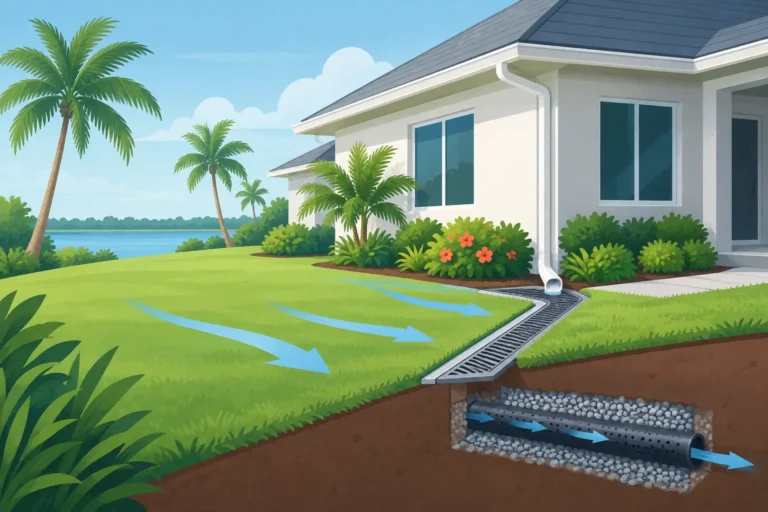
Heavy rain can complicate drainage problems, especially around exterior drains and low-lying yards. Stormwater should move away from the home through properly maintained drains and grading. However, storm drain trouble and a sanitary sewer backup are not always the same issue. Standing water outdoors after rain may point to a blocked exterior drain, while wastewater coming up through indoor fixtures points to the home’s sewer line. A professional inspection helps separate these problems instead of treating the wrong one.
What to Do When You Have a Sewer Backup
Your first goal is to keep more water from entering the line. Stop flushing toilets, pause showers, do not run the dishwasher, and avoid washing clothes. Even a small amount of added water can push more wastewater back into the home when the main line is blocked.
Keep children and pets away from the affected area. Wastewater can contain bacteria and contaminants, so avoid direct contact. If water is near electrical outlets, appliances, or a breaker panel, stay clear and contact the appropriate professional help. Do not attempt to use a plunger on a toilet that is already close to overflowing.
If it is safe to do so, note which fixtures are affected and when the problem started. Did it happen after doing laundry? Did several drains slow down over the past week? Did the issue appear after a major rainstorm? Those details help narrow down the likely source of the blockage.
It is also wise to avoid pouring chemical drain openers into a backed-up system. The product can sit in the pipe or fixture without reaching the blockage. That creates a safety risk for anyone who later needs to inspect or clean the line. A backed-up main sewer line needs a direct diagnosis, not another product added to standing water.
Why a Camera Inspection Saves Guesswork
A drain cable can often open a blockage, but opening the line is not always the same as solving the problem. If the line backs up again a few weeks later, there may be roots, heavy buildup, a broken pipe, or another condition deeper in the system.
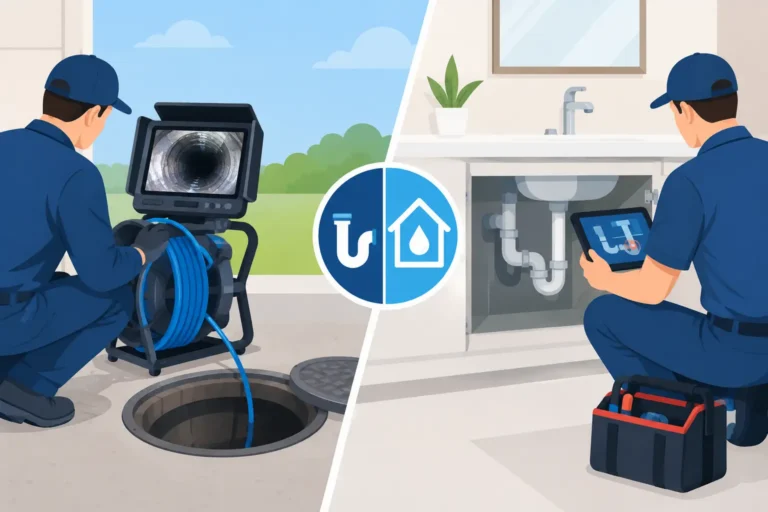
A video camera inspection gives homeowners a clear look at what is happening inside the pipe. It can show whether the line is coated with buildup, blocked by roots, holding standing water, or damaged at a joint. Instead of being told to replace a pipe based on a guess, you can see the condition and hear a plain-language explanation of the options.
That information affects the right next step. High-pressure jetting may be a good choice for grease, sludge, and stubborn buildup because it cleans more of the pipe wall than a simple opening tool. Root intrusion may require clearing followed by a discussion about the pipe’s condition. A damaged or collapsed section may need repair rather than repeated cleaning. No guessing. No unnecessary work.
For homeowners, this approach also makes estimates easier to understand. You should know what was found, what work is recommended, and why that work fits the condition of your line.
Can You Prevent Another Backup?
Not every backup is preventable, particularly when an older pipe suddenly fails. Still, routine habits can lower the risk. Keep grease, coffee grounds, wipes, paper towels, feminine hygiene products, and other non-flushable items out of drains and toilets. Even products labeled flushable can cause trouble when they catch on roots, buildup, or rough spots in a pipe.
Pay attention to recurring symptoms rather than waiting for a full overflow. A toilet that regularly bubbles, a tub that drains slowly after laundry, or a drain odor that keeps returning deserves a closer look. Early service is usually cleaner and less disruptive than dealing with wastewater on the floor.
If your property has large trees or a history of main-line clogs, periodic inspection can be worthwhile. The ideal schedule depends on the age of the home, the type of pipe, past root activity, and whether problems have occurred before. There is no need to schedule work that the line does not need. But when warning signs repeat, checking the condition early can prevent an unpleasant surprise.
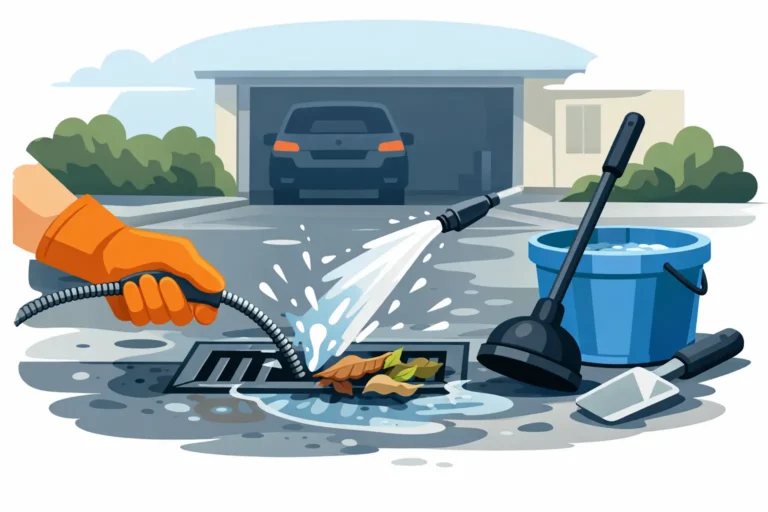
Exterior drainage deserves attention, too. Clear leaves, mulch, and yard debris from visible storm drain grates when it is safe to do so. If water continues to pool near a driveway, patio, or foundation after rain, the drain may be blocked farther down. Keeping stormwater moving away from the house helps protect your yard and reduces pressure on already busy drainage areas.
Get the Right Answer Before the Damage Spreads
A sewer backup is stressful because it feels sudden, but the next step does not have to be complicated. Stop using water, keep the area safe, and have the line evaluated with the right equipment. USA Drain Cleaning helps Lake County homeowners identify the cause, explain the findings clearly, and clean the line based on what is actually there.
Whether you are in Eustis, Mount Dora, Tavares, Leesburg, or Lady Lake, do not ignore a backup that clears on its own. A temporary return to normal can mean the blockage shifted, not that it disappeared. Getting a clear answer now can help keep the next load of laundry, afternoon shower, or Florida rainstorm from turning into a larger cleanup.