A Guide to Plumbing Vent Problems at Home
A bathroom sink that gurgles after you flush the toilet is not just an annoying sound. It can be an early sign that your plumbing system is struggling to get enough air. This guide to plumbing vent problems explains what those signs mean, what homeowners can safely check, and when the problem calls for a professional diagnosis.
Plumbing vents are mostly out of sight, but they affect nearly every drain in the house. When a vent is blocked, damaged, undersized, or improperly installed, wastewater may still move for a while. Then the warning signs start: slow drains, bubbling toilets, sewer-like odors, and recurring clogs that return after the drain seems clear.
What a Plumbing Vent Does
Every plumbing fixture has a trap, the curved section of pipe beneath a sink or inside a toilet. That trap holds water, creating a seal that keeps sewer gases from entering the home. The vent system helps protect that seal by allowing air to move through the drain pipes as water travels down them.
Think of it this way: water needs room to flow, and air needs a path to replace it. Without proper venting, moving water can create pressure changes inside the drain line. Negative pressure can pull water out of a trap, while positive pressure can push air back through a fixture. Either condition can cause gurgling, odors, or slow drainage.
Most vent pipes run upward through walls and exit through the roof. Because they are exposed to the outdoors, they can collect leaves, nests, debris, and other obstructions. The issue is not always on the roof, though. A blockage deeper in the drain system can create many of the same symptoms.
Common Signs of Plumbing Vent Problems
A single slow sink does not automatically mean the vent is at fault. Hair, soap residue, grease, or buildup in that fixture’s drain is more common. But when several fixtures behave strangely at the same time, the venting system deserves attention.
Gurgling from a sink, tub, or toilet
Gurgling happens when air is forced through water in a trap or fixture. You may hear it in the tub when the toilet flushes, or in a nearby sink when the washing machine drains. That cross-fixture reaction is a useful clue because it suggests the issue may be farther down the plumbing system than one clogged drain.
Slow drains in more than one area
A slow shower drain is often a local clog. A slow shower, toilet, and bathroom sink together can point to a branch-line blockage, a main-line problem, or a vent issue. The timing matters. If drains slow down most noticeably when another fixture is used, pressure and airflow may be part of the problem.
Sewer odors inside the home
A dry trap can allow sewer gases into a bathroom, laundry room, or guest bathroom that is rarely used. Running water in an infrequently used fixture may restore the trap seal. If the odor comes back quickly, or if several rooms smell unpleasant, do not assume it is only a dry trap. A vent problem, drain blockage, cracked pipe, or sewer-line concern may need inspection.
Toilet water that rises or bubbles
A toilet that bubbles when another fixture drains is not normal. It may mean air is being displaced through the toilet because the drain or vent cannot move air correctly. If the bowl water rises near the rim, stop using water throughout the home until the cause is identified. Continued use can turn a drainage issue into a backup.
Recurring clogs that never seem fully solved
Chemical drain cleaners and quick plunging can sometimes provide temporary relief, but they do not show what is happening inside the line. A repeated clog may be caused by buildup, roots, a damaged pipe, or a blockage that affects airflow as well as drainage. The right repair depends on the actual condition of the pipe.
Why Plumbing Vents Become Blocked or Fail
Roof vent openings can be obstructed by leaves, twigs, pine needles, bird nests, insects, or small animals. In older homes, a vent pipe may also have cracks, loose connections, or an installation issue that limits airflow. Florida’s heavy rain and wind can move debris onto roofs, so a previously clear vent can become blocked after a storm season.
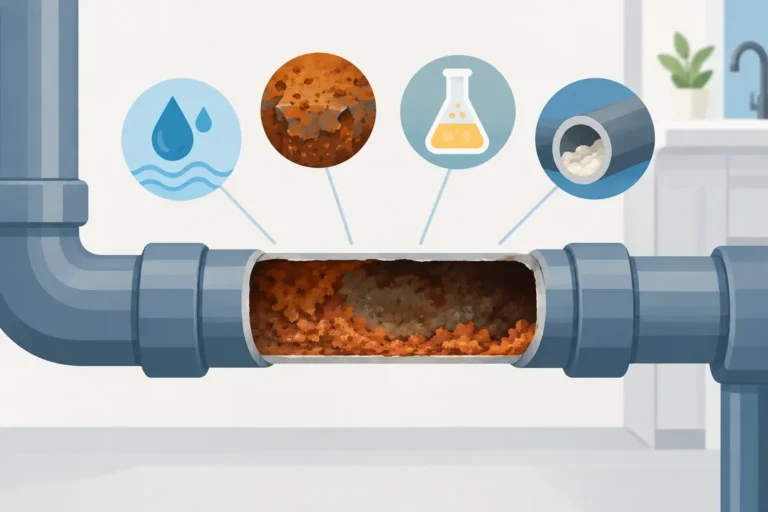
Not every apparent vent problem is a roof-vent problem. Partial blockages in a drain line can trap and displace air, producing gurgling and slow fixtures. Pipe scale, grease, flushed wipes, foreign objects, and root intrusion can all restrict a line. In Lake County homes with mature trees, roots are a concern worth taking seriously when backups or recurring clogs affect multiple fixtures.
There is also a trade-off in diagnosis: checking the vent may be appropriate when the symptoms strongly point there, but climbing onto a roof without the right equipment can be unsafe and may not answer the real question. Clearing the visible opening does not prove the full vent or drain line is clear.
What You Can Check Before Calling for Help
Start by noticing which fixtures are affected and when the problem occurs. Does the toilet gurgle only when the washing machine drains? Does the bathroom sink slow down after a shower? Does the odor appear in one room or throughout the house? Those details help narrow down whether the problem is local or part of a larger drainage issue.
You can also run water briefly in seldom-used sinks, tubs, and floor drains to refill their traps. If an odor disappears and stays gone, a dry trap may have been the cause. Avoid pouring chemical cleaner into a drain that is backing up, especially if you may need professional service afterward. The chemical can sit in standing water and create a safety hazard for anyone working on the line.
If you can safely see the roof vent opening from the ground, look for obvious debris around it. Do not climb onto the roof or insert tools into the vent pipe unless you are trained and equipped to do so. A tool can become lodged, damage the pipe, or push an obstruction farther into the system.
When a Camera Inspection Makes Sense
A drain camera inspection is especially helpful when symptoms keep returning or when the cause is unclear. Instead of guessing whether the issue is a vent, a clog, roots, buildup, or pipe damage, a technician can inspect the accessible drain line and show you what is present.
That matters because the solution should match the problem. Heavy buildup may respond well to professional-grade cleaning or high-pressure jetting. Roots, a broken section of pipe, or a shifted connection may need a different approach. If the drain line is clear but the symptoms continue, that information also helps focus attention on the venting system or fixture connections.
At USA Drain Cleaning, the goal is to identify the source of the trouble before recommending work. No guessing. No unnecessary work. A clear explanation of what the camera shows helps homeowners decide on the next step with a better understanding of their options.
Do Not Wait for a Full Backup
Call for professional help promptly if wastewater comes up through a tub, shower, floor drain, or toilet; if several drains stop working at once; or if sewer odors persist despite refilling traps. These conditions can signal a main-line blockage or another issue that should be handled before more water is used.
It is also wise to schedule service for ongoing gurgling, repeat clogs, and slow drains that affect more than one fixture. These are often early warnings, and early diagnosis can be less disruptive than dealing with a full backup on a busy morning or after guests arrive.
A plumbing vent problem may sound minor, but the symptoms can overlap with serious drain-line trouble. Paying attention to when and where those symptoms occur gives you useful information, and getting a clear diagnosis protects your home, your time, and your budget.